Wize University Physiology Textbook > Blood
Introduction
Popular Courses
MCAT
General Course
DAT
General Course
Intro to Physiology
University Study Guides
PHYSIOL 1021
Western University
PHYSIOL 2130
Western University
Intro to Physiology
University Study Guides
PSL300H1
University of Toronto
PHYSL 210
University of Alberta
PHGY 210
McGill University
PHGY 215
Queen's University
KNES 259
University of Calgary
PHGY 216
Queen's University
BIOL 273
University of Waterloo
BIOL 260
University of British Columbia
PHYSIOL 3120
Western University
KNES 260
University of Calgary
BIOL 116
Case Western Reserve University
PPT 301
University of North Dakota
ANAT 212
McGill University
HTHSCI 2FF3
McMaster University
0:00 / 0:00
Introduction to Blood
- Blood takes up about 7% of body mass.
- Hematocrit is the fraction of red blood cells in blood, the remainder is plasma.
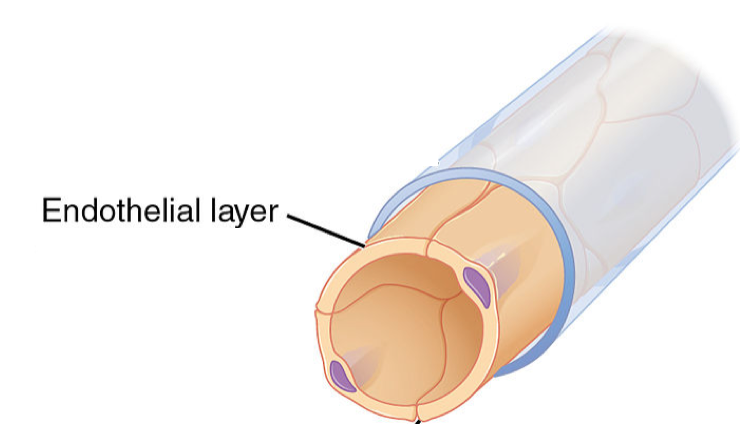
- Capillaries are composed of a single layer of endothelial cells.
- The suffix "-volemia" is with respect to total blood volume compared to normal
- Hyper-, hypo- or normovolemia are terms commonly used in medicine and physiology
Blood Plasma Composition
- Water
- Ions
- Na+
- Cl-
- Ca2+, Mg2+
- Others: K+, HCO3- ...
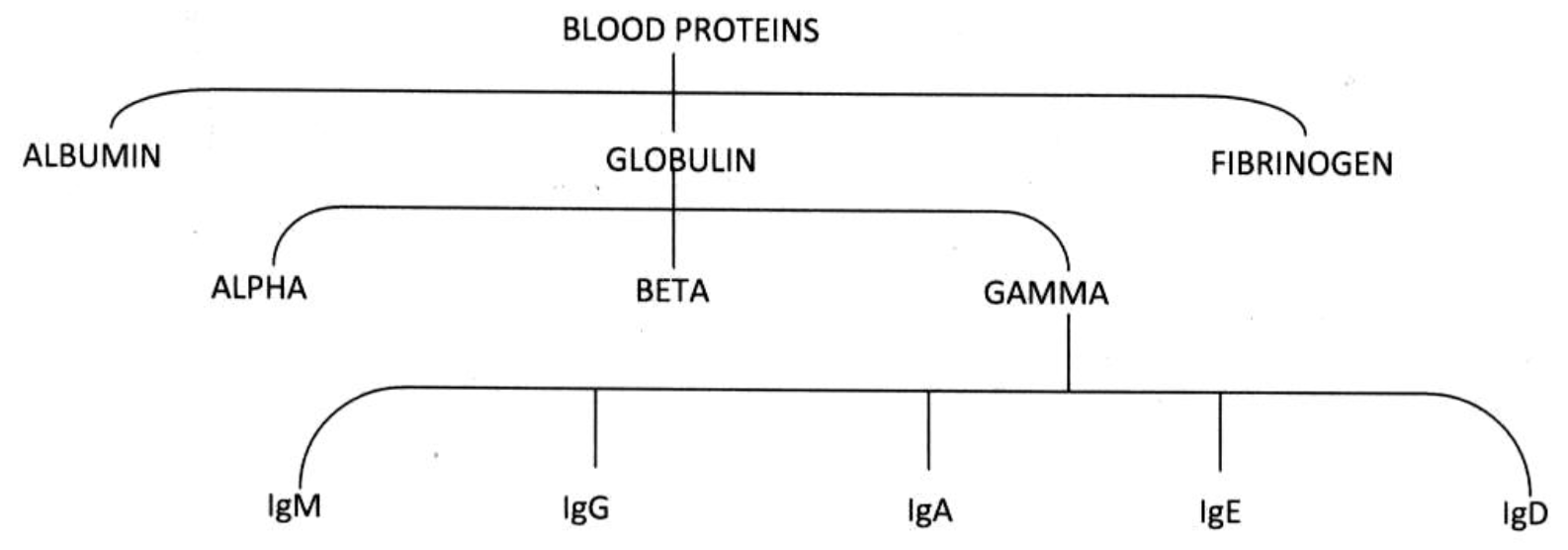
- Proteins
- Albumin
- Fibrinogen
- Globulins (immuno-)
- Other
- Glucose
- Amino Acids
- Lipids
- Dissolved gases
Fibrinogen, albumin and alpha1, alpha2 and beta globulins are produced in the liver. Gamma globulins are produced in lymphoid tissues.
Exam Tip
Gamma globulins will be an important family in exams: they are your antibodies! (well, some of them)
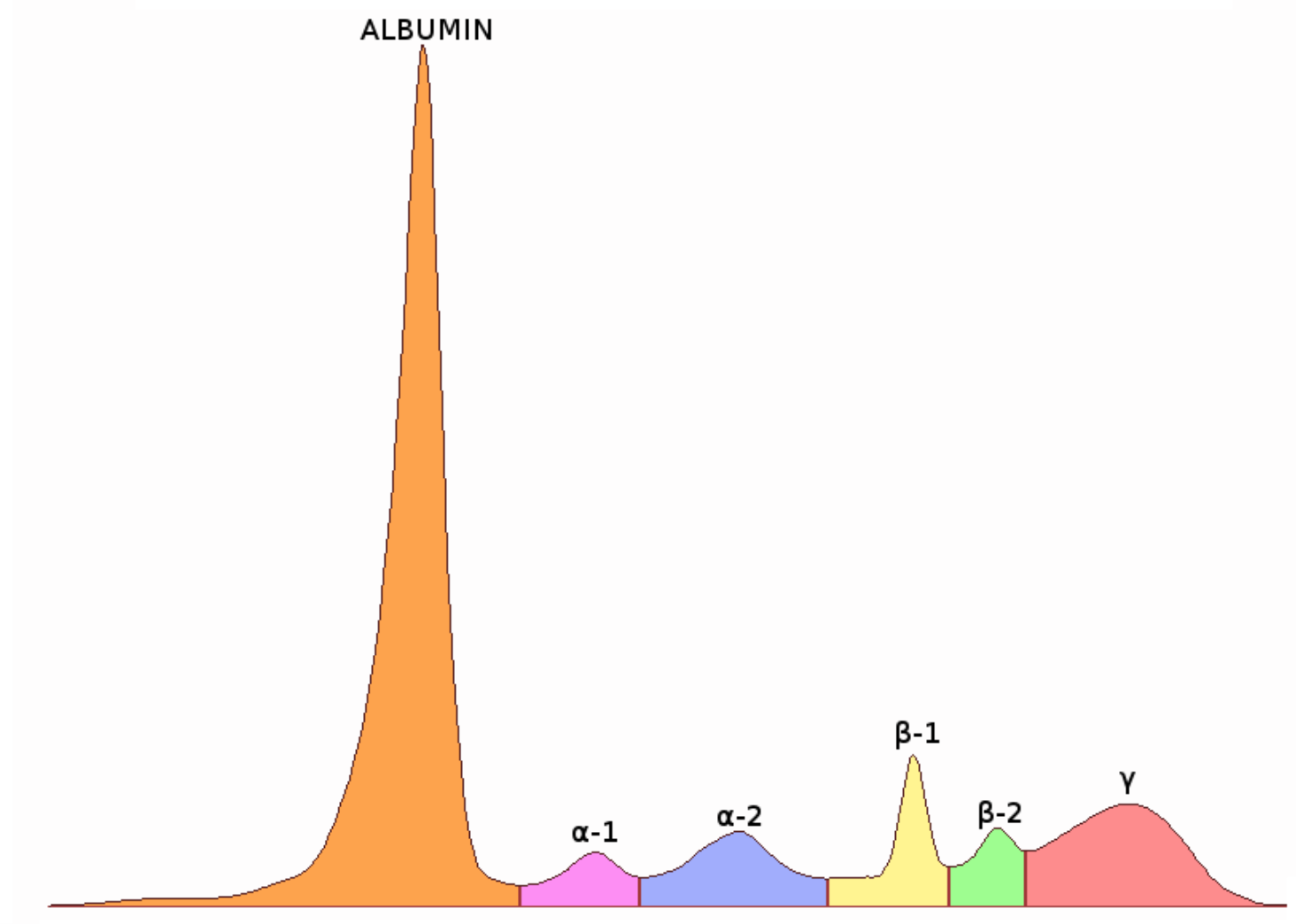
- Serum electrophoresis can be done to analyze proteins in blood.
- Can give information about which proteins are in excess or missing
- How far along the molecules move depends on their charge and molecular weight
- Generally, smaller molecules move further
- Where would you find fibrinogen?
0:00 / 0:00
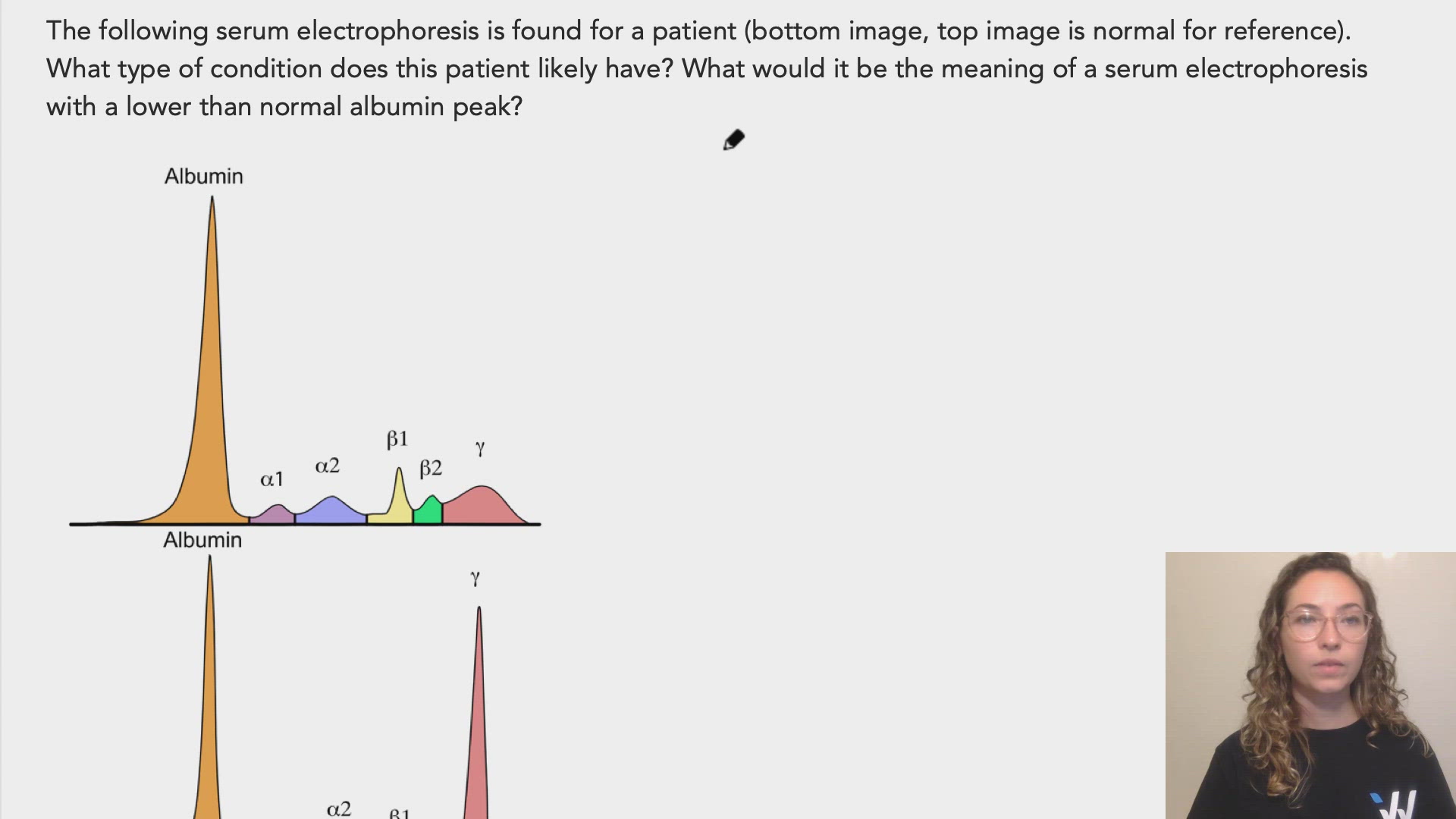
The following serum electrophoresis is found for a patient (bottom image, top image is normal for reference). What type of condition does this patient likely have? What would it be the meaning of a serum electrophoresis with a lower than normal albumin peak?
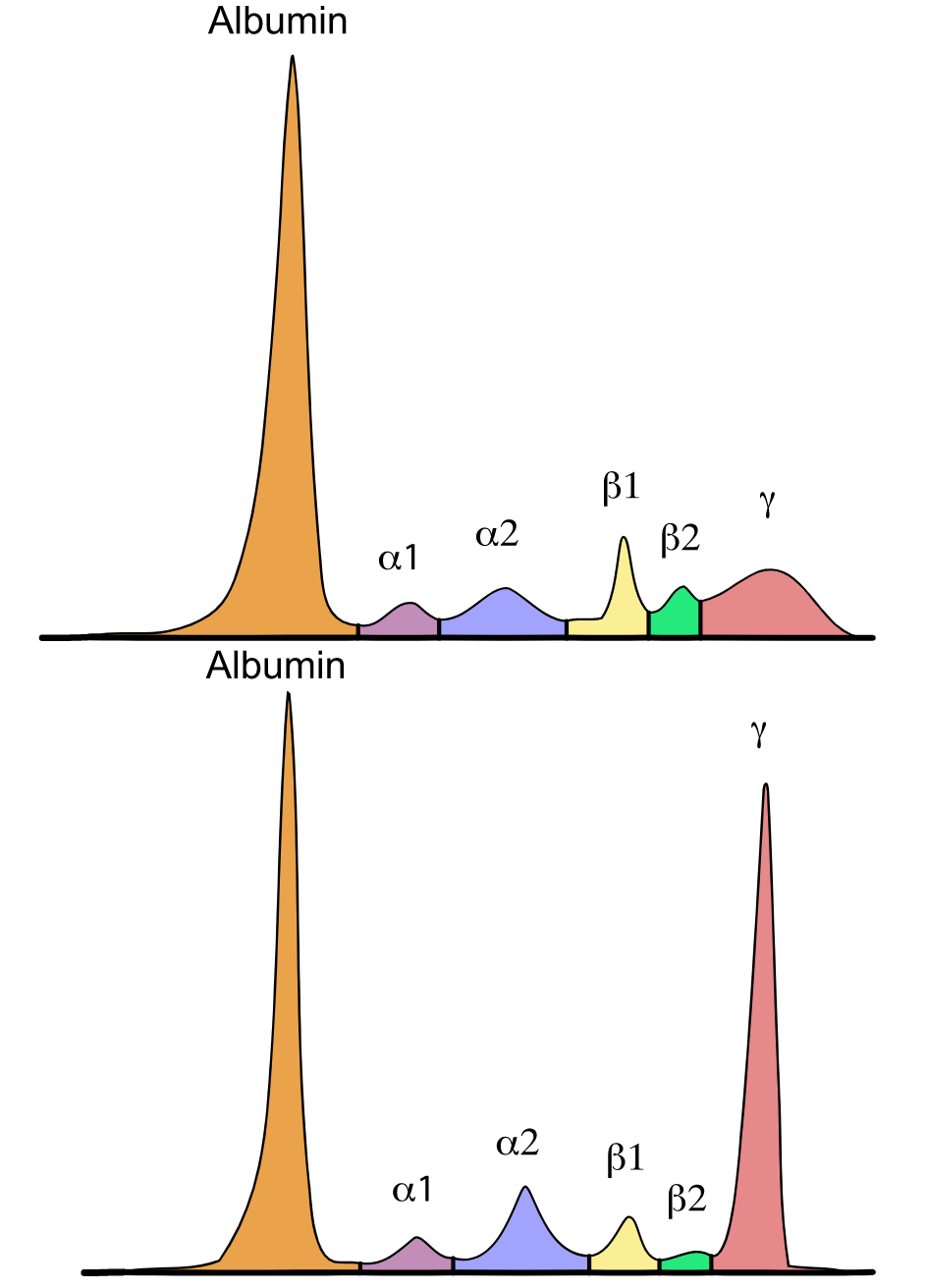
The peak that is elevated corresponds to gamma globulins. Antibodies are part of the gamma globulin family, although not the only gamma globulins. This result likely represents a patient producing an increased number of antibodies, such as in the case of a bacterial infection or blood disorder (such as blood cancer) that causes increased production of gamma globulins.
To address the second part of the problem: a reduced albumin peak represents low levels of albumin the blood. This could be caused by liver disease, for instance, since albumin is produced by this organ. Additionally, kidney disease could also cause this as albumin could be lost in the urine (in health, albumin is not found in urine in significant amounts).
Which of the following is true: