Wize University Psychology Textbook > Genetics & Evolution
Genes, Chromosomes, & DNA
Popular Courses
MCAT
General Course
Psychology
University Study Guides
PSYC 100
Queen's University
PSYCH 1000
Western University
PSYCHOL 1002A/B
Western University
Psychology
University Study Guides
PSYC*1000
University of Guelph
PSYCH 1XX3
McMaster University
PSYC 100
McGill University
PSY100H1
University of Toronto
PSYC 101
University of British Columbia
HH/PSYC 1010 6.00
York University
PSYC 200
University of Calgary
PSYC 100B
Queen's University
PSYC 100A
University of Victoria
PSYC 201
University of Calgary
PSYC 200
Concordia University
PSYCH 100
Pennsylvania State University
PSC 001
University of California - Davis
PSY 2012
University of Florida
0:00 / 0:00
Genes, Chromosomes, & DNA
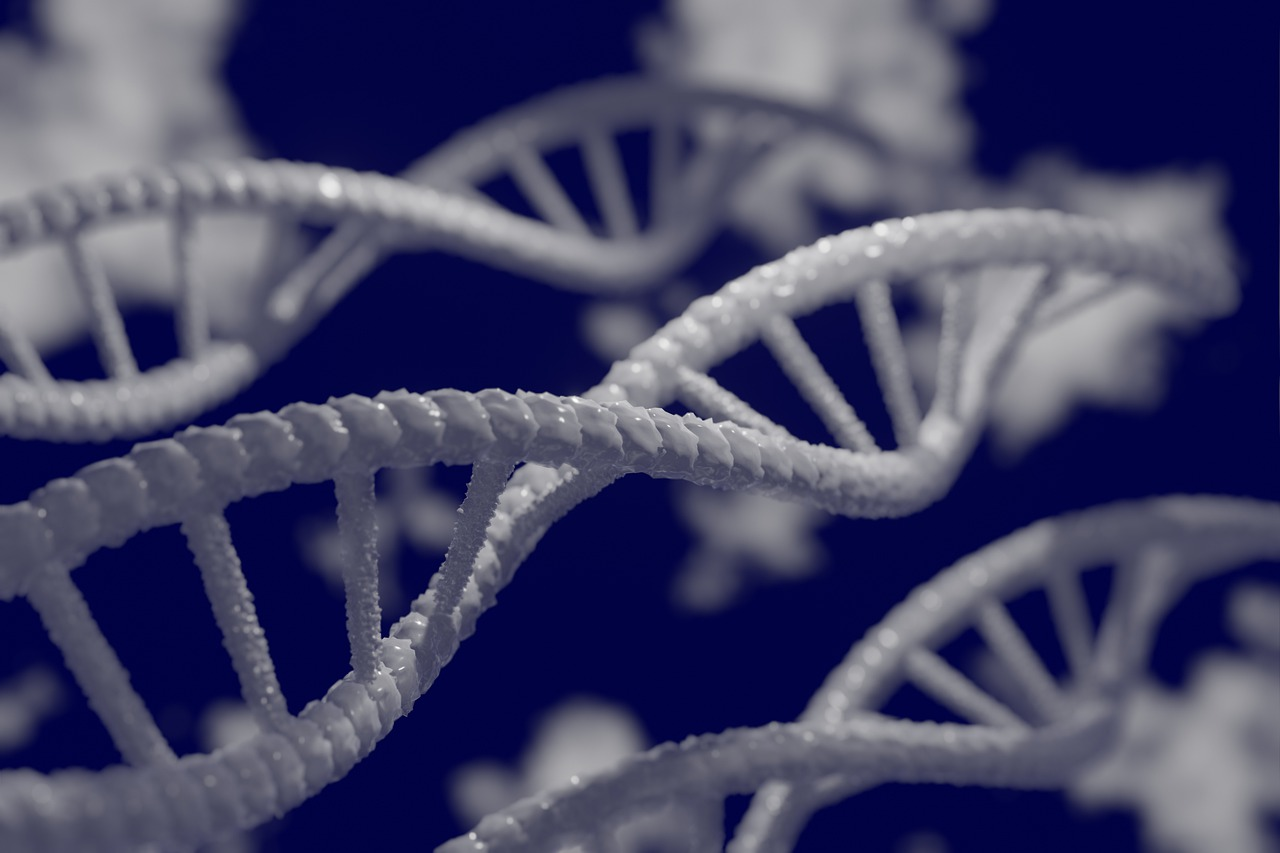
Humans, along with many other species, are diploid, meaning we have two copies of each of our chromosomes.
This means that our cells contain 23 pairs of chromosomes, giving 46 chromosomes total.
In humans, one copy of each chromosome comes from each parent.
These pairs of chromosomes are called homologous pairs.
Sperm and egg cells have only one copy of each chromosomes (they are haploid). When they fuse, the resulting fertilized egg contains the complete set of homologous pairs, making it diploid.
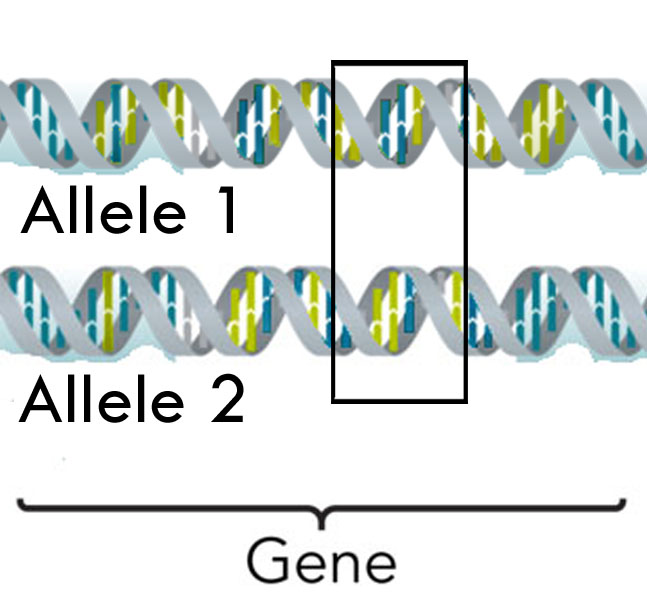
The homologous pairs of chromosomes contain the same genes, but usually different alleles of each gene.
The sex chromosomes determine if a person will be genetically male or female, though physical appearance can differ from chromosomal sex due to the prenatal environment.
- Two X chromosomes: female
- One X and one Y chromosome: male
Genotype:
- The genetic composition/makeup of an organism
- The total genetic information/material of an organism
- Unique set of genes that compromise that individual’s genetic code
Phenotype:
- The outward expression of an organism’s genotype
- The physical traits and characteristic expressed by an organism (i.e. eye colour, personality etc)
- Results from genotypes interaction with environment
Wize Tip
To keep genotype and phenotype straight, think of identical twins - they have the same genotype, but their different phenotypes mean their friends (phriends) can tell them apart.
An allele can be dominant or recessive. If the allele is dominant (represented by an uppercase letter), it will be expressed regardless of what the other allele is. If the allele is recessive (represented by a lowercase letter), it will only be expressed if the other allele is recessive.
Wize Tip
Dominant does not mean more common! Some very common traits are caused by recessive alleles. Examples include having 5 fingers and toes and having a smooth (as opposed to cleft) chin.
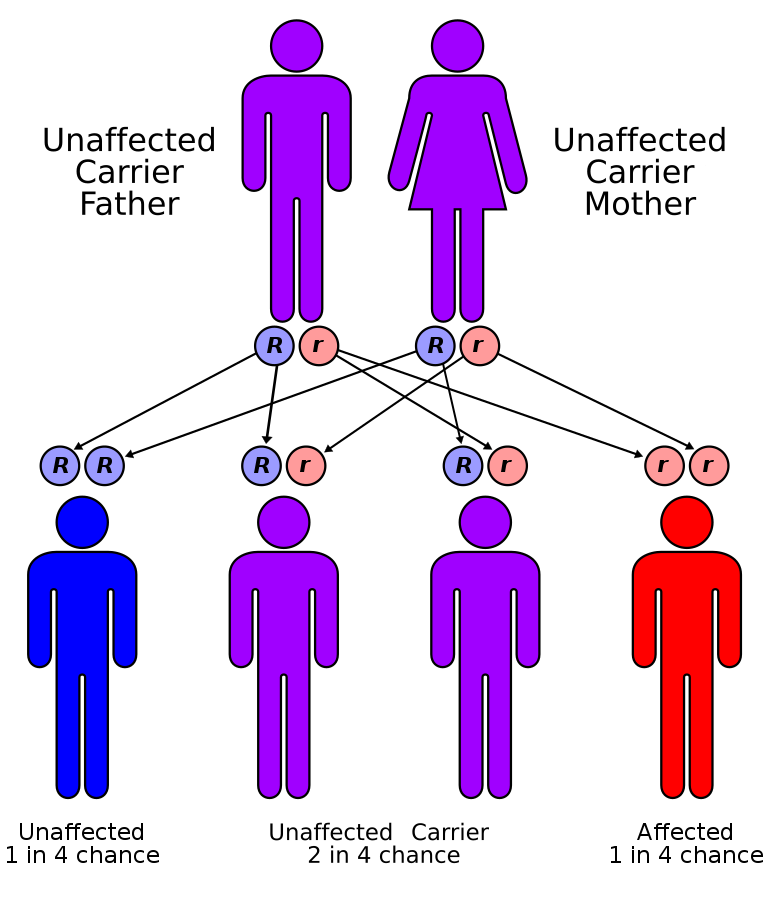
Homozygous = two copies of the same allele (Example: BB or bb)
Heterozygous = two different copies of the allele (Example: bB or Bb)
Some conditions are caused by recessive traits. In these conditions, a carrier is a person who has a heterozygous genotype will not have the condition, but could pass it on to their children.
Practice: Genes, Chromosomes, & DNA
Roger and Ronald are identical twins, but their family and friends have no difficulty telling them apart. They differ in their: