Popular Courses
Psychology
University Study Guides
PSYC 100
Queen's University
PSYCH 1000
Western University
PSYCH 104
University of Alberta
PSYCHOL 1002A/B
Western University
Psychology
University Study Guides
HH/PSYC 1010 6.00
York University
PSYC 100B
Queen's University
PSYC 100A
University of Victoria
PSYC 200
Concordia University
PSYC 1004
Virginia Tech
PSYCH 100
Pennsylvania State University
PSC 001
University of California - Davis
PSY 2012
University of Florida
PSY 101
Michigan State University
PSYCH10
University of California - Los Angeles
PSY 101
San Diego State University
PSC 001Y
University of California - Davis
PSY 101
University of Arizona
PSYC 1001
University of Cincinnati
0:00 / 0:00
Dementia
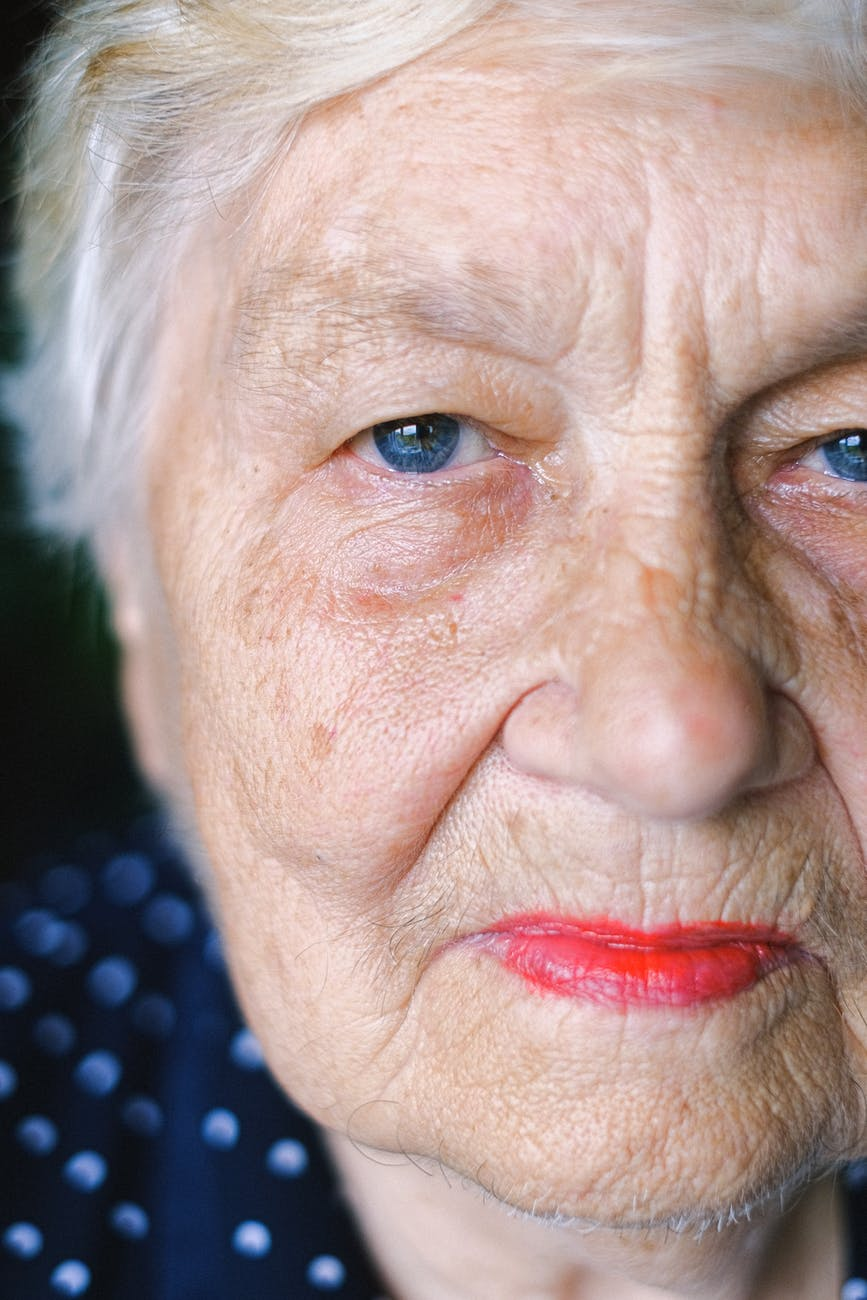
Dementia - progressive loss of memory and/or cognitive function, usually present in 2 or more contexts.
Many types of dementia, many of which do not present with memory loss as an early symptom.
Example: Fronto-temporal dementia often presents with risky decision making and poor judgment as an early symptom, with memory issues appearing later or not at all.
Alzheimer's Disease
Alzheimer's disease is the most common form of dementia - approximately 50-70% of all cases
Early symptoms include:
- Increasing forgetfulness
- Difficulty learning new things and following conversations
- Getting lost
- Communication difficulties
- Apathy, mood shifts, depression
Late symptoms include:
- Severe cognitive impairment
- Loss of recognizable speech
- Need help with eating and toileting
- Loss of ability to walk, sit, smile, hold head up
- Impaired swallowing
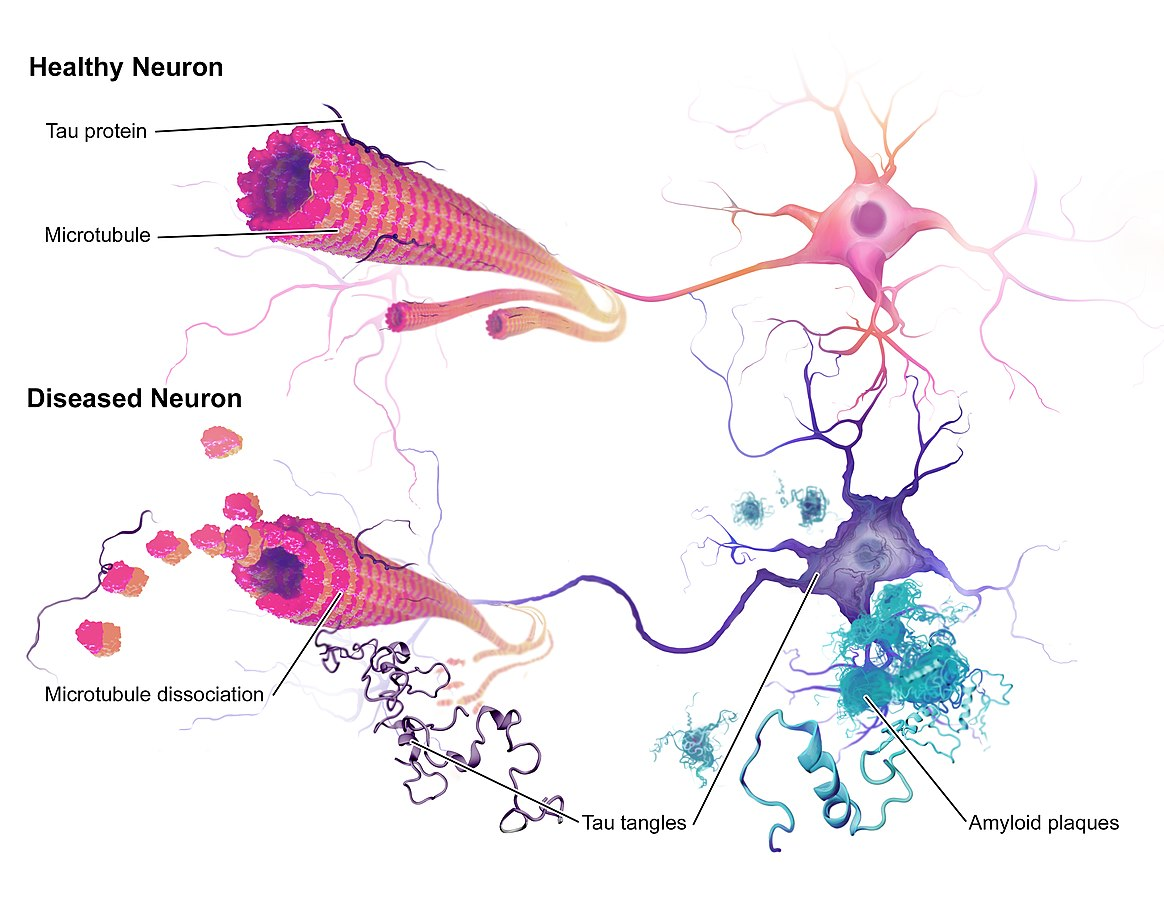
Brain Changes in Alzheimer's Disease:
- Loss of volume in the cerebral cortex and hippocampus
- Beta-Amyloid Plaques - clusters of protein fragments that build up between cells
- Tangles - Tau proteins necessary for axon growth aren't properly regulated, forming tangles. This leads to cell death
Parkinson's Disease
- Affects approximately 2% of those over 65
- In early stages, movement symptoms are present - persistent tremors, shuffling gait, curved walking pattern.
- May develop into Parkinson's Disease Dementia.
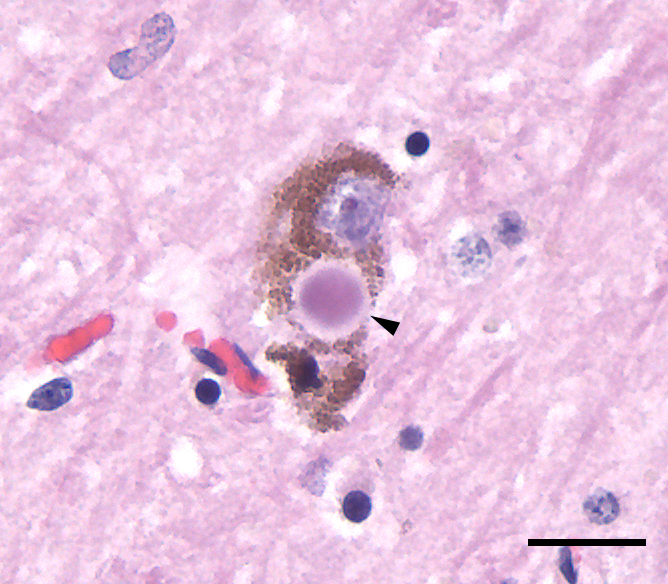
Brain Changes in Parkinson's Disease:
- Death of dopamine-producing neurons in the basal ganglia
- Lewy Bodies - abnormal protein deposits
- Plaques & tangles
Practice: Dementia
Maude is having more difficulty following conversations and remembering how to get to different stores. She is likely in the _____ stages of Alzheimer's disease.