Wize University Psychology Textbook > Memory
Eyewitness Memory & Memory Biases
Popular Courses
MCAT
General Course
Psychology
University Study Guides
PSYC 100
Queen's University
PSYCH 1000
Western University
PSYCH 1X03
McMaster University
PSYCH 104
University of Alberta
PSYCHOL 1002A/B
Western University
Psychology
University Study Guides
PSYC*1000
University of Guelph
PSYC 100
McGill University
PSY100H1
University of Toronto
PSYC 101
University of British Columbia
HH/PSYC 1010 6.00
York University
PSYC 200
University of Calgary
PSYC 100B
Queen's University
PSYC 100A
University of Victoria
PSYC 200
Concordia University
PSYC 1004
Virginia Tech
PSYCH 100
Pennsylvania State University
PSC 001
University of California - Davis
0:00 / 0:00
Eyewitness Memory & Memory Biases
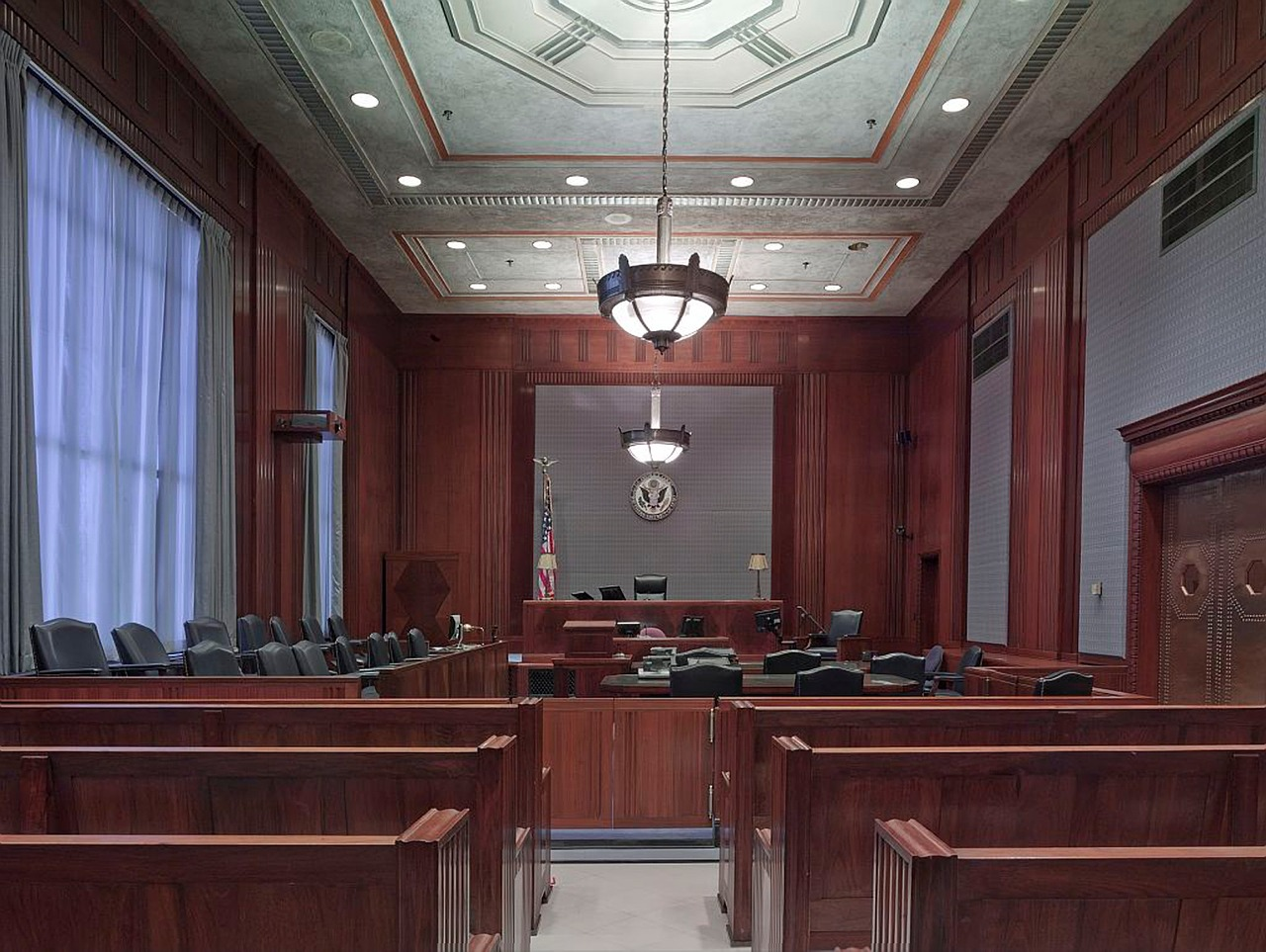
Eyewitness testimony is very convincing to judges and juries, but accuracy can be a problem.
Confident witnesses are especially convincing, but we know from research on eyewitness memory that confidence and accuracy are not strongly correlated.
Misinformation
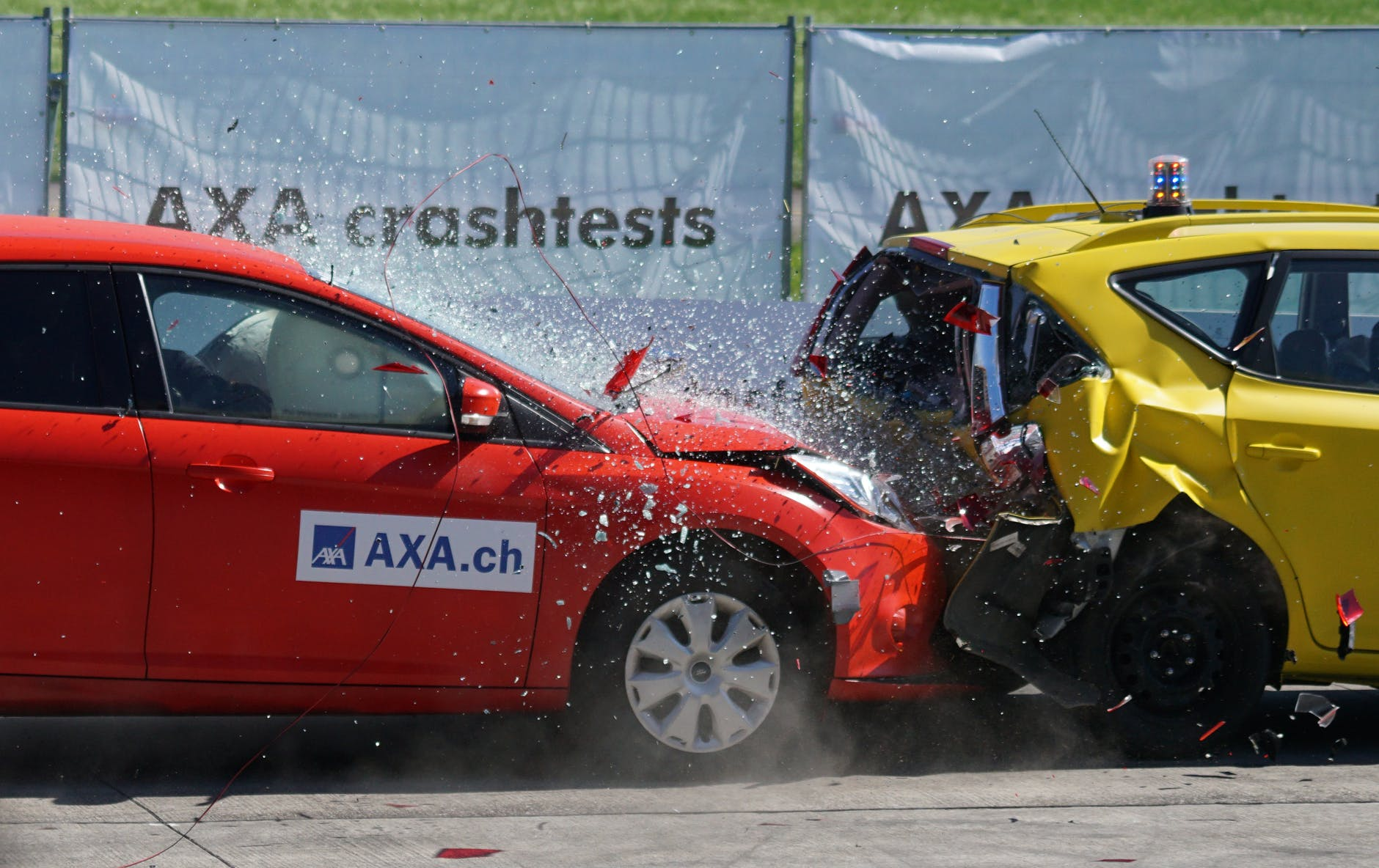
Misinformation effect - Information presented after an event biases what the witness remembers.
Loftus and colleagues showed participants videos of car accidents and asked leading questions. In one experiment they asked people how fast the cars were going when they hit each other, but they changed "hit" to words like "contacted", which imply slower speeds, and "smashed into", which implies higher speeds. Participants who heard the higher speed words gave higher estimates of speed.
Children and older adults are particularly vulnerable to misinformation. We are also more vulnerable to misinformation that is in social scenarios, like when we discuss something we witnessed with other people present at the scene.
Eyewitness identification
Identifying the faces of perpetrators is an important part of eyewitness testimony.
Most jurisdictions use photo spreads, rather than live lineups, to identify perpetrators. The suspect's photo is placed in a grid with 5-7 photos of foils or fillers - people who are known to be innocent of the crime.
Eyewitness memory research uses two kinds of lineups:
- Target present lineup - the perpetrator is actually present
- Target absent lineup - the perpetrator is not present
This allows researchers to determine which kinds of instructions and other conditions affect the likelihood of a witness making an error.
Conditions that make errors more likely:
- poor vision/poor viewing conditions
- stressful witness experiences
- exposure to perpetrator too brief
- long delay between witnessing and identification
- cross-race identifications
Conditions that make a good lineup:
- all foils look like the suspect
- all foils look like the witness' description of the perpetrator
- double-blind lineups - person giving instructions does not know who the suspect is
- sequential lineups - showing photos one at a time
Memory Biases and False Memories

Schemas - our expectations about an event or scene can influence what we remember.
Example: falsely remembering that there were books in an office, because books belong in an office.
False memories are relatively easy to implant in people, and they are often difficult to get rid of once implanted.
Early studies of false memories involved asking people to remember events from their lives, which were obtained by asking family members. Of the scenarios presented to subjects most were real events, but one was false.
Participants were asked questions about the events, asked to write descriptions of what happened, etc.. In these studies, approximately 25% of people came to believe the false memory.

Mark Yourself Question
- Grab a piece of paper and try this problem yourself.
- When you're done, check the "I have answered this question" box below.
- View the solution and report whether you got it right or wrong.
Practice: Eyewitness Memory and Memory Biases
Why do researchers us target absent lineups?