Wize University Psychology Textbook > Learning
Implicit Learning, Insight, & Cognitive Maps
Popular Courses
Psychology
University Study Guides
PSYC 100
Queen's University
PSYCH 1000
Western University
PSYCH 1X03
McMaster University
PSYCH 104
University of Alberta
PSYCHOL 1002A/B
Western University
Psychology
University Study Guides
PSYC 100
McGill University
PSY100H1
University of Toronto
PSYC 101
University of British Columbia
HH/PSYC 1010 6.00
York University
PSYC 200
University of Calgary
PSYC 100B
Queen's University
PSYC 100A
University of Victoria
PSYC 200
Concordia University
PSYC 1004
Virginia Tech
PSYCH 100
Pennsylvania State University
PSC 001
University of California - Davis
PSY 2012
University of Florida
PSY 101
Michigan State University
0:00 / 0:00
Implicit Learning, Insight, & Cognitive Maps

Implicit Learning
Implicit learning refers to learning that we are not aware of. We generally lack awareness of the process of learning and of the products of learning.
Habituation - very simple implicit learning. Repeated exposure to a stimulus results in a reduced response.
Much of what we call muscle memory is actually implicit learning - shooting a basketball, handwriting, etc. all involve implicit learning
Differences between implicit and explicit learning:
- Implicit learning tasks usually have fewer individual differences than explicit learning tasks
- Implicit learning is largely unrelated to IQ
- Implicit learning doesn't change much across the life span
- Implicit learning is largely unaffected by disorders that affect explicit learning
- Implicit and explicit learning use different parts of the brain
Insight
When learning something by trial and error, you sometimes have an "ah ha!" moment where you suddenly see the solution - this is insight.
Behaviourists argue insight is just the result of combining previously reinforced responses.
Cognitive Maps
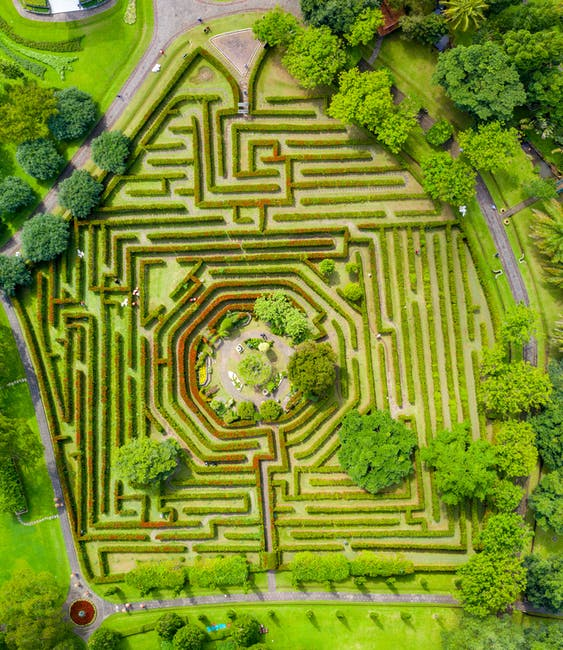
A cognitive map is a mental representation of the spatial layout of the world around us.
When navigating to a place we've never been before, we can use our cognitive map to guide our movements, rather than randomly trying solutions.