Wize University Psychology Textbook > Language & Thought
Structure of Language
Popular Courses
Psychology
University Study Guides
PSYC 100
Queen's University
PSYCH 1X03
McMaster University
Psychology
University Study Guides
PSYCHOL 1003A/B
Western University
PSYC 101
University of British Columbia
HH/PSYC 1010 6.00
York University
PSYC 200
University of Calgary
PSYC 102
University of British Columbia
PSYC 100B
Queen's University
PSYC 100A
University of Victoria
PSYC 200
Concordia University
PSYCH 100
Pennsylvania State University
PSC 001
University of California - Davis
PSY 2012
University of Florida
PSY 101
Michigan State University
PSYCH10
University of California - Los Angeles
PSY 101
San Diego State University
PSC 001Y
University of California - Davis
PSY 101
University of Arizona
0:00 / 0:00
Structure of Language
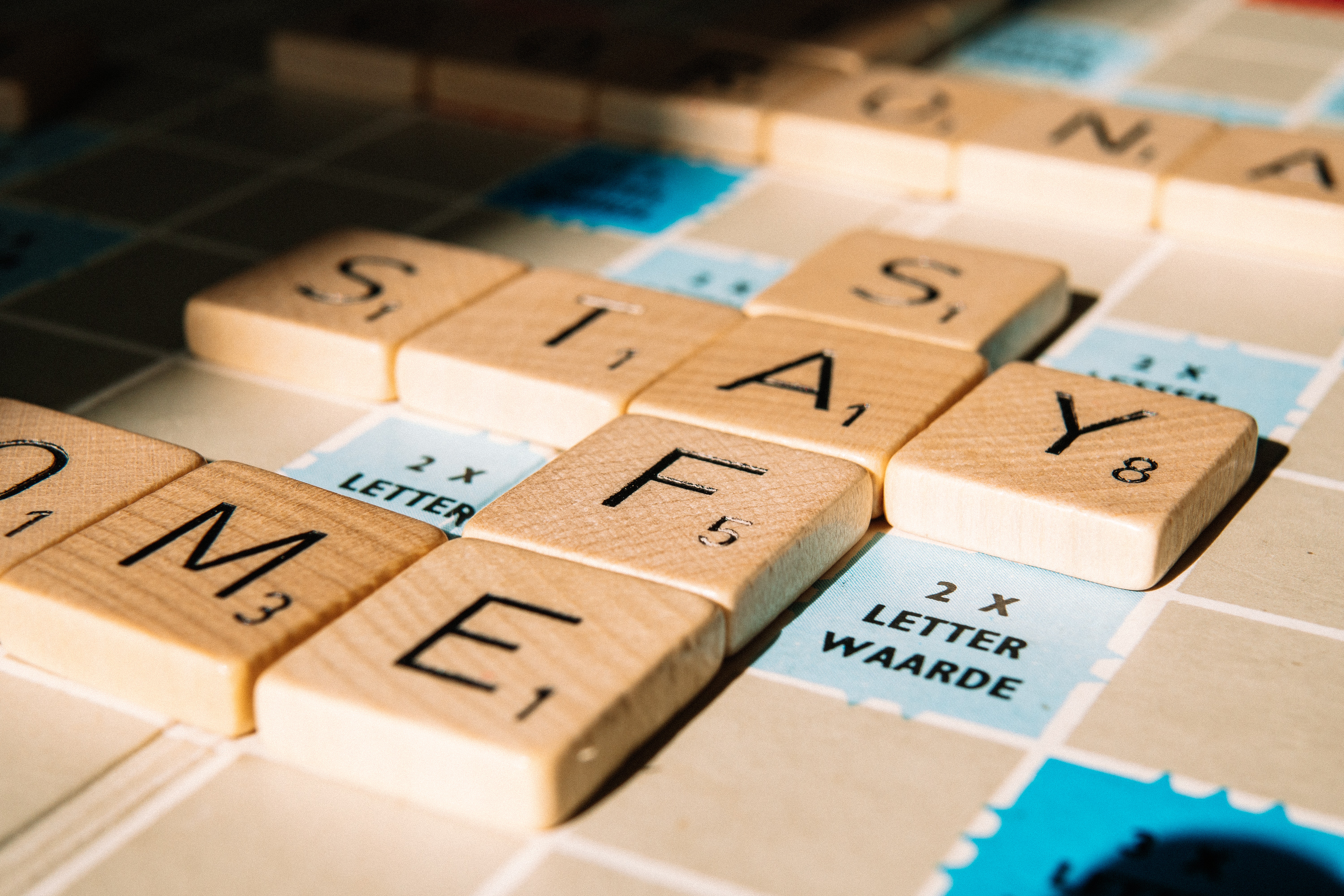
Language is a system of communicating with others that uses signals that are combined according to the rules of grammar and that convey meaning
Grammar - a set of rules that specifies how units of language can be combined in order to produce meaningful messages
Human language has the following properties:
- Uses symbols (sounds, writing, etc.) that convey meaning
- Generativity - symbols can be combined in infinite ways to convey novel meanings
- Displacement - we can refer to things that are not present

Basic Characteristics
Phonemes - the smallest units of sound that are recognizable as speech
- Example - "ba" or "ta"
Phonological rules - language rules that indicate how phonemes can be combined. Differ from language to language
Morphemes - the smallest meaningful units of language, made up of phonemes
- Example - "bat" or "tab"
- Content morphemes - things and events
- Function morphemes - grammatical functions
Morphological rules - language rules that indicate how morphemes can be combined to form words. Differ from language to language
Syntactic rules - language rules that indicate how words can be combined to form sentences and phrases
Wize Tip
Having trouble keeping phonemes and morphemes straight? Phonemes starts with an f sound - so they come first
Practice: The Structure of Language
Which of the following is not a property of human language?
Practice: The Structure of Language
In English, adding an s to the end of a word generally makes it plural. This is an example of a:
The following image is describing a ...