Wize University Psychology Textbook > Intelligence
Applying Intelligence
Popular Courses
Psychology
University Study Guides
PSYC 100
Queen's University
Psychology
University Study Guides
PSYCHOL 1003A/B
Western University
HH/PSYC 1010 6.00
York University
PSYC 200
University of Calgary
PSYC 102
University of British Columbia
PSYC 100B
Queen's University
PSYC 200
Concordia University
PSYCH 100
Pennsylvania State University
PSC 001
University of California - Davis
PSY 2012
University of Florida
PSY 101
Michigan State University
PSYCH10
University of California - Los Angeles
PSY 101
San Diego State University
PSC 001Y
University of California - Davis
PSY 101
University of Arizona
PSYC 1001
University of Cincinnati
PSY-P 101
Indiana University - Bloomington
PSY 101
Arizona State University - Tempe
0:00 / 0:00
Applying Intelligence
Talent Development
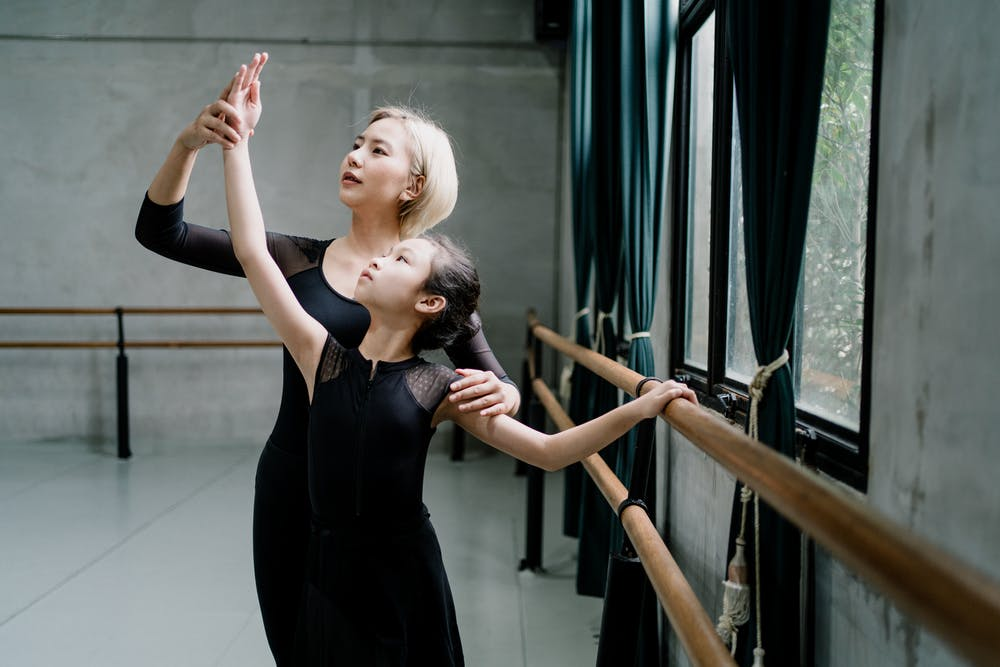
Theory of Work Adjustment - abilities and interests must correspond with the ability requirements and the reinforcer system(s) of the task.
- If abilities and ability requirements correspond, satisfactoriness is produced (can you do it?)
- If interests and reinforcer systems correspond, satisfaction is produced (do you like it?)
Cognitive Abilities
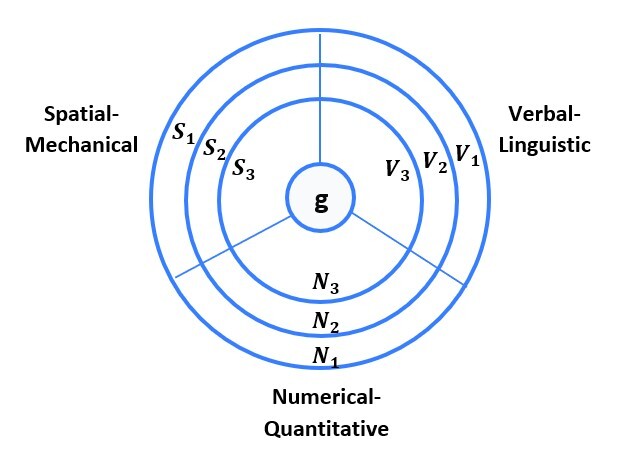
Cognitive abilities are organized hierarchically - base level abilities in spatial tasks underlie performance on higher level spatial tasks
- The more closely related tasks are in content and complexity, the more similar performance is
- More complex tests are better tests of general ability
Within a field, scores on verbal, spatial, and mathematical abilities follow a similar pattern at every level
Intelligence & Interests
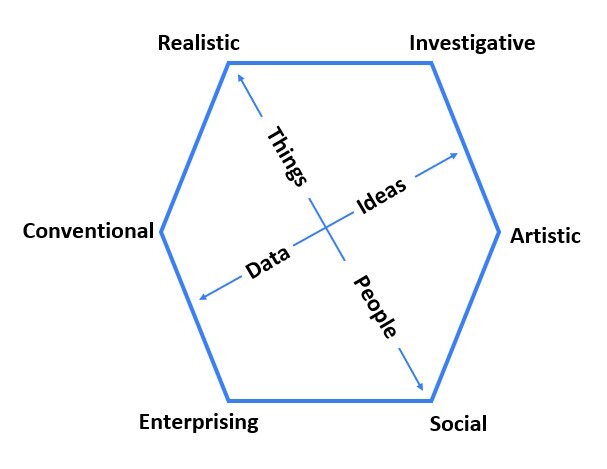
RIASEC model - the further apart two interests are, the less likely they are to both be strong interests for a person
Mastery
It takes more than intellectual ability to succeed - two individuals with equal intellectual ability and opportunities can develop very differently
Conation - purpose, desire, or will to perform
Practice: Applying Intelligence
Sam is an excellent cello player and performs extremely well if she dedicates the necessary time to practice. She hates playing the cello and only continues lessons because her parents force her. Which of these pairs is not aligning, according to the theory of work adjustment?