Wize University Psychology Textbook > Development
Functions of Emotions
Popular Courses
MCAT
General Course
Psychology
University Study Guides
PSYC 100
Queen's University
Psychology
University Study Guides
PSYC*1000
University of Guelph
PSYCH 1XX3
McMaster University
PSYCHOL 1003A/B
Western University
HH/PSYC 1010 6.00
York University
PSYC 102
University of British Columbia
PSYC 201
University of Calgary
PSYC 200
Concordia University
PSYC 1004
Virginia Tech
PSYCH 100
Pennsylvania State University
PSC 001
University of California - Davis
PSY 2012
University of Florida
PSY 101
Michigan State University
PSYCH10
University of California - Los Angeles
PSC 001Y
University of California - Davis
PSY 101
San Diego State University
PSY 101
University of Arizona

0:00 / 0:00
Functions of Emotions
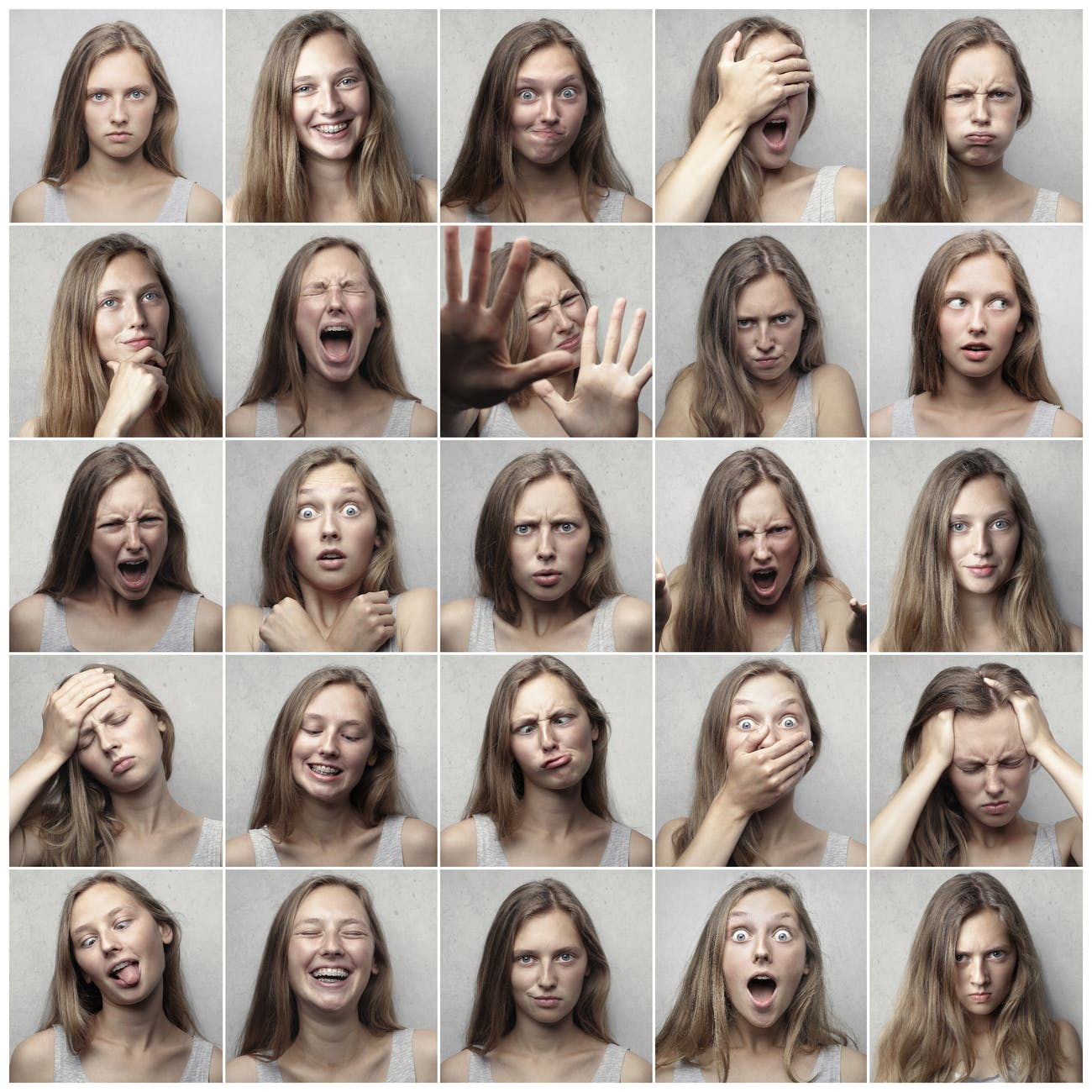
Intrapersonal Functions
- Emotions allow us to respond quickly without taking time to think
- Example - feeling fear when you hear something behind you on a dark street prepares you to fight or to run away
- Emotions prepare our body for action
- Example - when you feel fear, your body slows down digestion, dilates pupils, expands your visual field, etc.
- Emotions influence thoughts
- Example - it is easier to remember positive experiences when you are in a good mood and negative experiences when you're in a bad mood
- Emotions motivate future behaviours
- Example - you feel good after acing a test, so you are motivated to do the same prep for the next test
Interpersonal Functions
- Emotions influence other people's behaviour
- Example - smiling at a server results in faster, more friendly service
- Emotional expressions communicate relationships
- Example - couples that spend more time with positive facial expressions when interacting are more likely to succeed long-term
- Emotional expressions motivate other people to behave the ways we want
- Social referencing - infants look to their parents for feedback on new situations
Social and Cultural Functions
- Cultures have rules and norms for emotional expression and management
- Cultural display rules - rules within a culture for which emotional expressions are appropriate for members of that culture
- These rules influence the expression of our emotions
- Example - is it appropriate to cry in public?
- They also influence our management and experience of our emotions
- Example - if it isn't appropriate to cry in public, you develop strategies to dull emotions that lead to crying
Practice: Functions of Emotions
You notice that when you ask your partner to do something for you your requests are more likely to succeed if you ask with a smile. This is an example of which function of emotions?