Popular Courses
MCAT
General Course
Psychology
University Study Guides
Psychology
University Study Guides
PSYC*1000
University of Guelph
PSYCH 1XX3
McMaster University
PSY100H1
University of Toronto
PSYCHOL 1003A/B
Western University
HH/PSYC 1010 6.00
York University
PSYC 102
University of British Columbia
PSYC 201
University of Calgary
PSYC 200
Concordia University
PSYC 1004
Virginia Tech
PSYCH 100
Pennsylvania State University
PSC 001
University of California - Davis
PSY 2012
University of Florida
PSY 101
Michigan State University
PSYCH10
University of California - Los Angeles
PSY 101
San Diego State University
PSC 001Y
University of California - Davis
PSY 101
University of Arizona
0:00 / 0:00
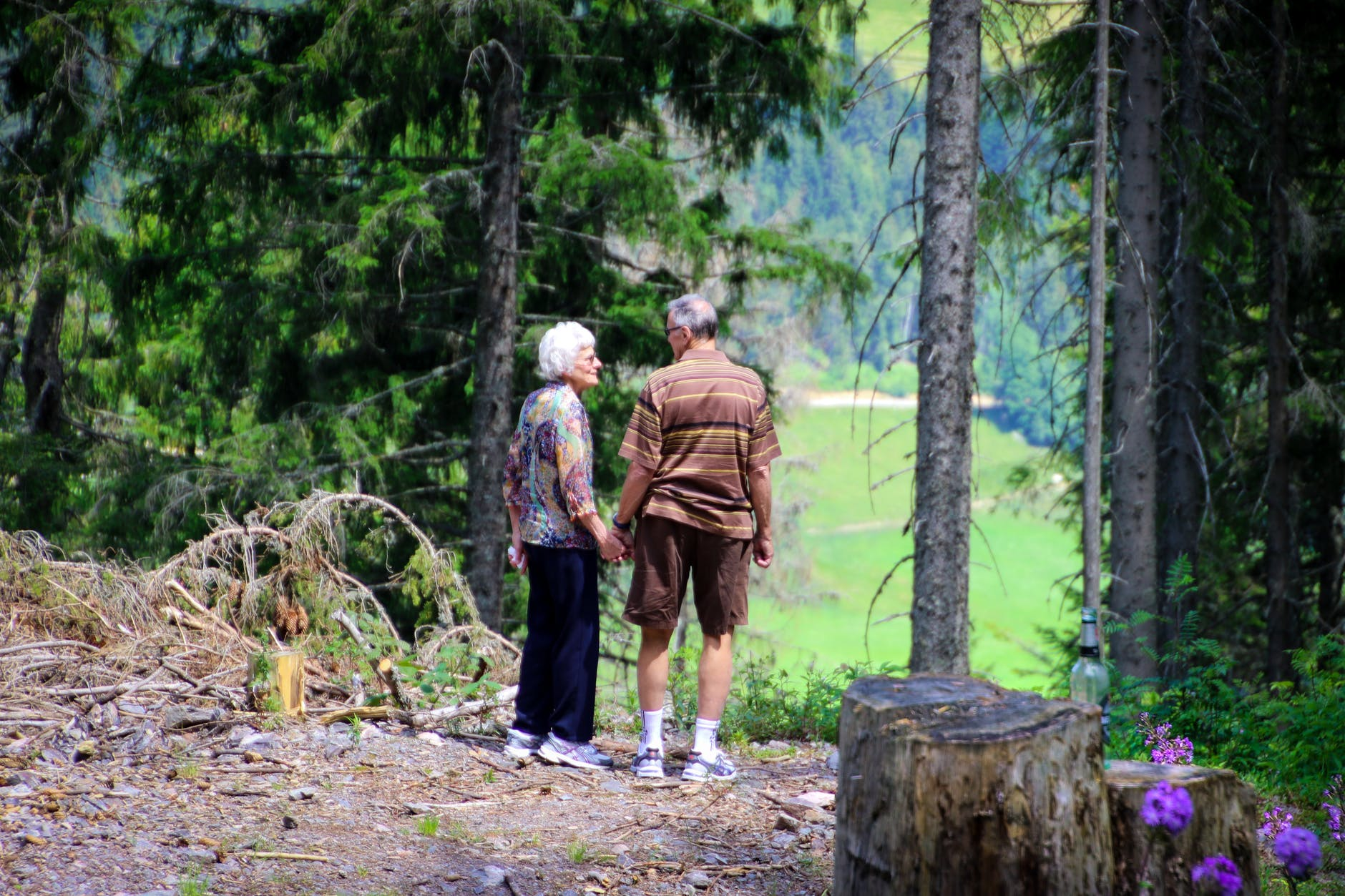
Aging
Physical Development
After 40, basal metabolic rate (the rate at which the resting body converts food to energy) declines, which can result in weight gain. Oxygen consumption becomes less efficient.
Around 50, women experience menopause - ovaries stop producing estrogen and fertility ends. Men continue to be fertile, but at lower levels.
Brain tissue declines as we age - greatest loss is in the frontal and parietal lobes
Cognitive Development
Fluid intelligence declines with age, but crystallized intelligence increases throughout middle adulthood and into older adulthood
Perceptual speed, memory for new information, working memory, inductive reasoning, and spatial memory all decline with age. Declines are particularly noticeable when tasks are speeded or there are lots of distractions
Prospective memory, the ability to make and carry out plans in the future, shows a mixed pattern with older adults performing better in the real world and worse in the lab
Low physical and cognitive activity levels are associated with greater declines in performance
Social, Emotional, and Personality Development
Older adults are generally better at maintaining positive emotions and inhibiting negative emotions.
Older adults tend to have fewer peripheral social partners (acquaintances), but the same number of close relationships as younger adults
Practice: Aging
Which of the following tasks are older adults likely to perform best on?