Wize University Psychology Textbook > Treatment of Psychological Disorders
Barriers to Treatment
Popular Courses
Psychology
University Study Guides
Psychology
University Study Guides
PSYCH 1XX3
McMaster University
PSYC 100
McGill University
PSYCHOL 1003A/B
Western University
HH/PSYC 1010 6.00
York University
PSYC 201
University of Calgary
PSYC 200
Concordia University
PSYC 1004
Virginia Tech
PSYCH 100
Pennsylvania State University
PSC 001
University of California - Davis
PSY 2012
University of Florida
PSY 101
Michigan State University
PSYCH10
University of California - Los Angeles
PSC 001Y
University of California - Davis
PSY 101
San Diego State University
PSY 101
University of Arizona
PSYC 1001
University of Cincinnati
PSY 101
Arizona State University - Tempe
PSY-P 101
Indiana University - Bloomington
0:00 / 0:00
Barriers to Treatment

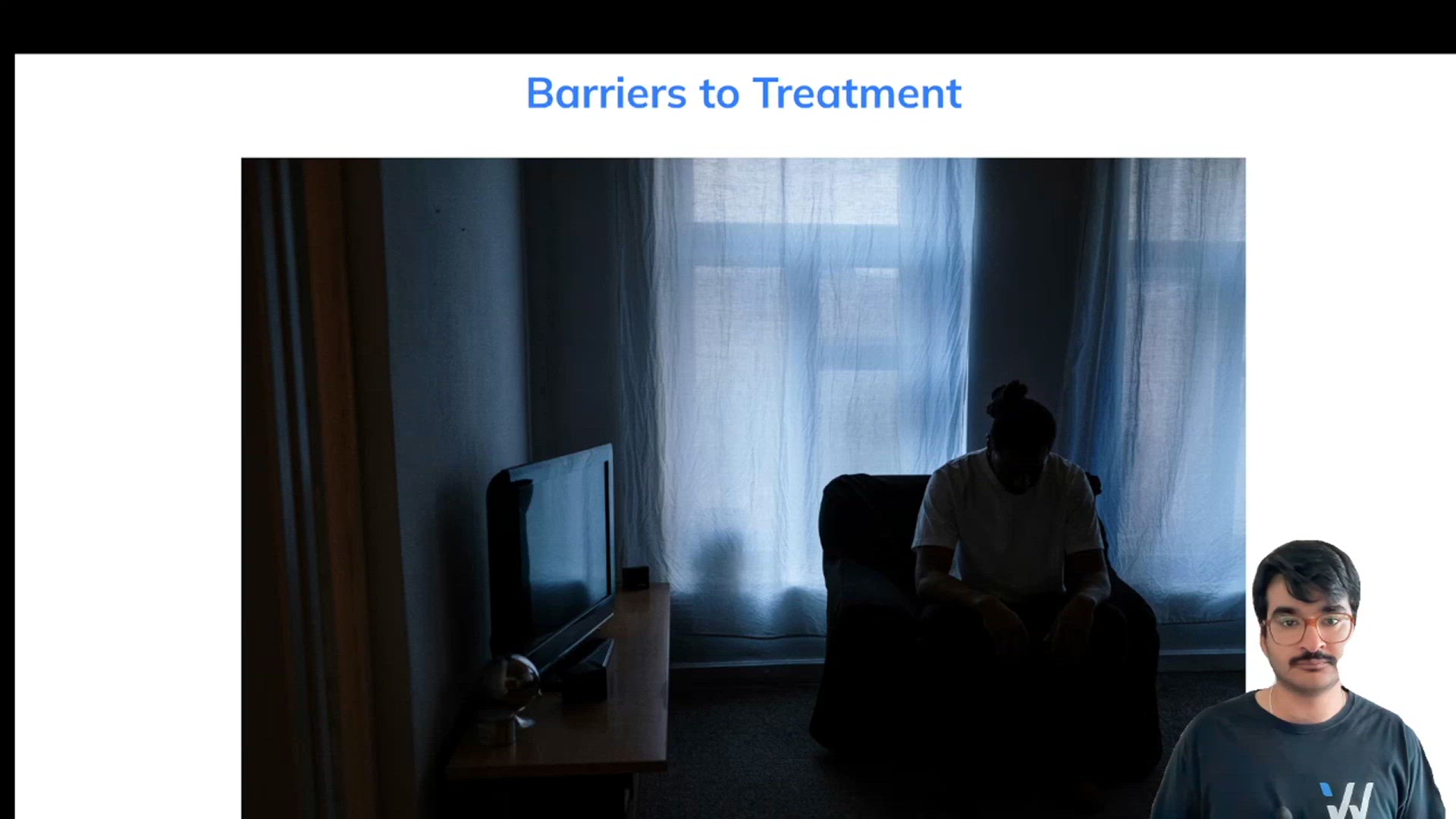
While psychological treatment would ideally be available to everyone, there are a variety of barriers that can make it difficult for someone who needs help to access care.
Cultural and Gender barriers:
- Some cultures may have greater stigmas against mental illness and psychological supports
- A lack of culturally congruent therapy delivered by professionals who are familiar with the client's cultural background
- Distrust of care providers due to prior negative experiences in the healthcare system
- Social norms often require men to be more resilient and tough; some may view seeking mental health support as a sign of "weakness"
- Therapists that are not informed or sensitive about gender issues may deliver substandard care to women
Personal barriers:
- Lack of insight into one's own symptoms or condition; people may not even realize they need support
- Due to a variety of treatment approaches available, someone may give up on seeking further treatment after first experience is not helpful
- Lack of available or affordable therapy
- While social norms around mental health are improving, there is still a stigma that may dissuade people from seeking care