Wize University Psychology Textbook > Treatment of Psychological Disorders
Biological Treatments
Popular Courses
Psychology
University Study Guides
Psychology
University Study Guides
PSYCH 1XX3
McMaster University
PSYC 100
McGill University
PSYCHOL 1003A/B
Western University
HH/PSYC 1010 6.00
York University
PSYC 201
University of Calgary
PSYC 200
Concordia University
PSYC 1004
Virginia Tech
PSYCH 100
Pennsylvania State University
PSC 001
University of California - Davis
PSY 2012
University of Florida
PSY 101
Michigan State University
PSYCH10
University of California - Los Angeles
PSC 001Y
University of California - Davis
PSY 101
San Diego State University
PSY 101
University of Arizona
PSYC 1001
University of Cincinnati
PSY 200
North Carolina State University
PSY-P 101
Indiana University - Bloomington
0:00 / 0:00
Biological Treatments
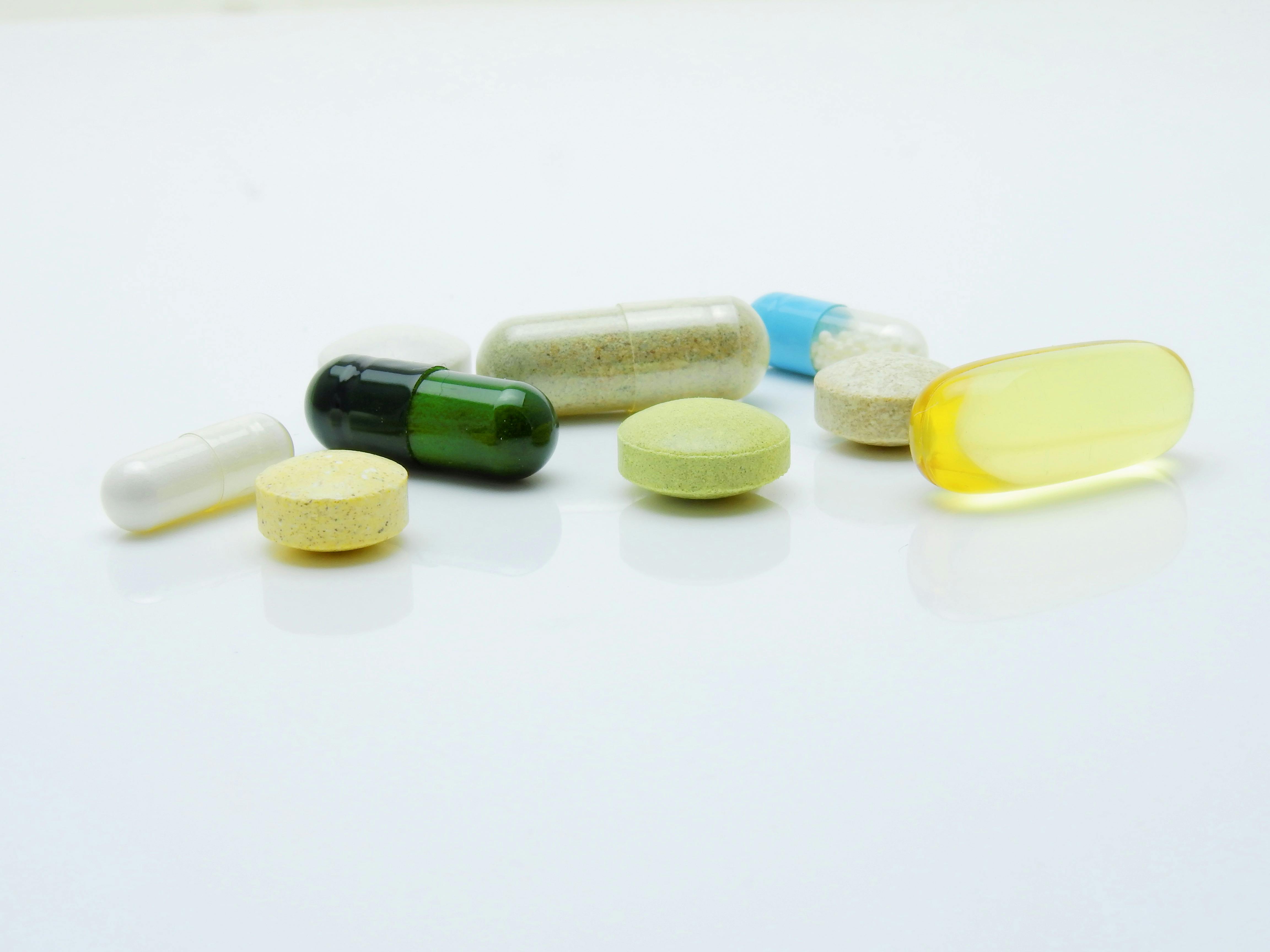
In addition to the various therapeutical orientations discussed previously, biological treatments are another common way of treating psychological disorders.
Antidepressants:
- SSRIs - selective serotonin reuptake inhibitors (Zoloft, Lexapro, Prozac) treat depression symptoms by blocking the reuptake (recycling) of serotonin, thereby increasing its activity
- MAOIs - monoamine oxidase inhibitors treat depression symptoms by inhibiting the enzyme that normally breaks down serotonin, dopamine, and norepinephrine, thereby increasing their activity
- Tricyclics - these drugs treat depression symptoms by blocking the reuptake (recycling) of serotonin and norepinephrine, thereby increasing their activity
Wize Tip
Selective Serotonin Reuptake Inhibitors (SSRIs) work by Selectively Inhibiting the Reuptake of Serotonin back into the presynaptic neuron, which lets serotonin stay active for longer!
Anti-Anxiety Drugs:
- Drugs such as Valium and Xanax reduce anxiety by increasing the activity of GABA — the brain's main inhibitory neurotransmitter — which produces a calming effect
- However, the calming effects of these drugs can lead to physical and psychological dependency, which can create opportunities for misuse and abuse
Antipsychotic Drugs:
- These drugs are used to treat disorders such as schizophrenia and bipolar disorder
- They reduce the positive symptoms of schizophrenia (hallucinations & delusions) by reducing the activity of dopamine — though they are not as effective at reducing negative symptoms
Stimulants:
- This class of drugs — which also includes substances such as caffeine and nicotine — is used to treat disorders such as ADHD
- Drugs such as Adderall work by increasing the activity of norepinephrine and dopamine
Brain Stimulation Therapies:
- Electroconvulsive Therapy (ECT) - an invasive approach that causes small seizures via electric currents to the brain; used for severe and treatment-resistant depression
- Transcranial Magnetic Stimulation (TMS) - a non-invasive approach that uses magnetic fields to affect brain activity in specific regions; used to treat depression, anxiety, OCD, and even some symptoms of Parkinson's disease