
Are You Suffering from Learning Loss?
Some students will have been passively sitting behind their Zoom screens for the past year while others had private tutoring and enrichment.
You might be falling behind without knowing it, and this school year might be a bit of a shock.
Learning loss is a real thing and it can be a cause for concern. BUT before you start feeling anxious about how you might have fallen behind know that you’re definitely not alone and you can do something about it.
We’ll help you understand what this idea of learning loss is, what you can do now to prepare yourself for the start of classes, and some study apps you can use to support your learning over the summer and into the fall semester.
You’re not alone
We asked 1,100 high school students just like you about their experiences over the past year and how they've felt about school.
Over 60% of students feel that they’ve fallen behind in school and 18% are worried about not graduating.
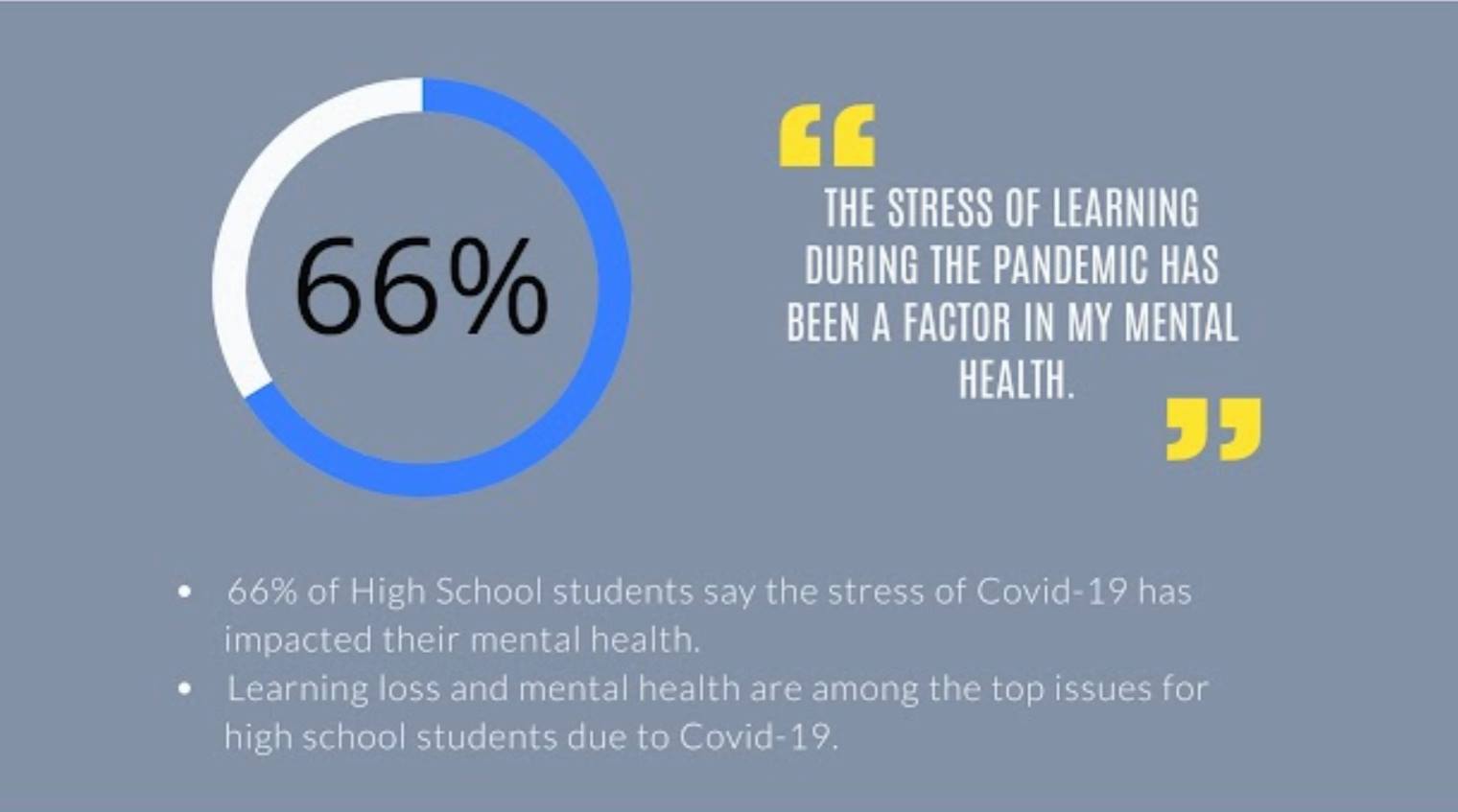
To add to that 66% feel that the stress of learning during the pandemic has affected their mental health negatively. The main issues contributing to learning stress were:
- An increased number of assessments and assignments;
- Zoom fatigue;
- Poor instruction online; and
- Difficulty getting the right kind of support.
If you can relate and feel like you’ve fallen behind and you’re stressed about how you can catch up - take a deep breath first!
What exactly is learning loss?
Okay now, learning loss is not only the feeling of falling behind academically but also the actual loss of skills and knowledge. Say what? Yeah, you can sometimes lose skills that you don’t practice.
A really simple example can be if you haven’t written a timed in-class essay or solved any practice problems for AP chemistry over the summer vacation, when you get back to school both will feel really difficult and you might need to revise or learn how to do them all over again.
Summer learning loss has most probably been something that you’ve dealt with over the years and overcome up until now.
But sometimes learning loss can also happen when school is disrupted for other reasons like a natural disaster or a global pandemic, where for many reasons you aren’t able to focus, learn, or practice various different academic skills as you would have during a normal in-person school year. The longer the disruption the worse the learning loss might be.
This is why many schools hold summer classes. It’s an ideal way to help anyone who might have fallen behind to catch up or just to keep students engaged academically to make sure the next school year is less of a shock and you can easily pick up where you left off the year before without your grades suffering.
As COVID-19 has disrupted classes across the globe for a good part of the last year, schools and universities are worried about students’ level of learning loss. But remember everyone’s in the same boat so there’s no need to panic.
What can you do to catch up?
Now, let’s focus on how you can prepare yourself for what’s left of summer and as classes begin in fall.
Research has shown that the best way to catch up or make up for learning loss is through more focused support and extra learning time.
How do you do that? To get more focused support you can get one-on-one attention for a specific subject you need to work on through tutoring sessions. This can often be an expensive option and out of reach of many students.
To get extra learning time you can attend acceleration academies which is just a fancy term for things like after-school programs or summer school.
So if your school is offering after-school programs or summer classes you should definitely take advantage of those. In fact, 50% of the high school students we surveyed said they’d be willing to attend summer school to make up for any lost learning.
What if this is also not an option? What else can you do?
You have plenty of resources around you. Unlike at any other time in history you have an enormous (and sometimes overwhelming) amount of learning material available to you at any time. In fact, in our survey of high school students, we asked which learning platform they use to supplement their studies and how it helps them. Here are their top 3 options:
- YouTube Tutorials 87%
- Khan Academy 72%
- WizePrep 55%
They all reported that these tools have a positive impact. It helped them to reduce stress, improve preparedness for class or exams, save time, and improve grades.
So while more traditional methods such as one-on-one tutoring and summer school might not be for or available to everyone you can always rely on these study tools to help you at any time.
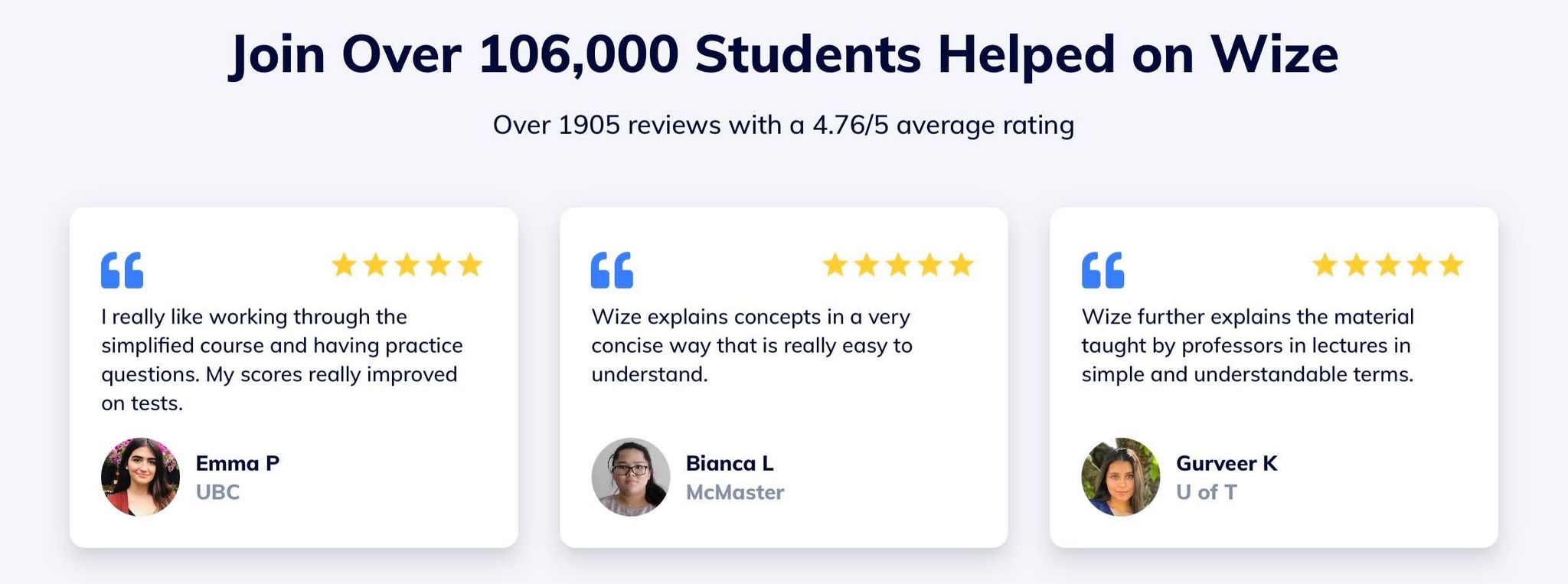
Of course, we’re biased and we’d say Wize is the best study tool out there. Here’s why though. Unlike on YouTube where you have to go searching for the best teachers, we’ve curated some of the best educators around to help simplify subjects they teach so you understand them well. Don’t believe us? Check out what your peers have said about them.
Remember it’s okay to feel like you’re falling behind and that there’ll always be more to learn. But also keep in mind that you’re super resilient and you’ve probably learned a lot more in the last year than you think or you might be given credit for (in school and out of school!).
And if you’re ever feeling unprepared or overwhelmed, always use these three steps: 1) reflect on what you’ve learned 2) identify some areas where you feel like you can improve, and 3) find and use resources available to you to catch up and move forward with confidence!
Good luck and remember you’ve got this!
Looking to study effectively? This video will help you take great notes online using Google Docs!
Related Posts:

Study with Us
The help you need to get the grades you want.
Previous Blog
LSAT Prep Timeline: When to Start and What to Study
Next Blog
How to Study When You Don’t Want to
Other posts you might like:
Studying
What to Do if You’re Failing a Class in College
No one wants to fail a class at college or university, but what happens if you are failing a class i... Read More
L
Lindy Ledohowski