Wize University Biology Textbook > Transcription and Translation
RNA Maturation in Eukaryotes
Popular Courses
MCAT
General Course
Biology
General Course
General Biology
University Study Guides
BIOLOGY 1002B
Western University
BIOL 107
University of Alberta
BIOL 102
Queen's University
BIOL 112
University of British Columbia
Grade 12 Biology
Canada High School
DAT
General Course
High School Biology
US High School
BIOL 200
McGill University
BIOL*1090
University of Guelph
General Biology
University Study Guides
BIOL 130
University of Waterloo
SC/BIOL 1000 3.00
York University
BIO 1141
University of Ottawa
BLG 143
Toronto Metropolitan University
BIOLOGY 2581A/B
Western University
BIOL 112
McGill University
BIOL 186
University of Victoria
0:00 / 0:00
RNA Maturation in Eukaryotes
After transcription of eukaryotic pre-mRNA, three modifications occur before translation:
- 5’ capping
- Polyadenylation
- Splicing
5’ capping
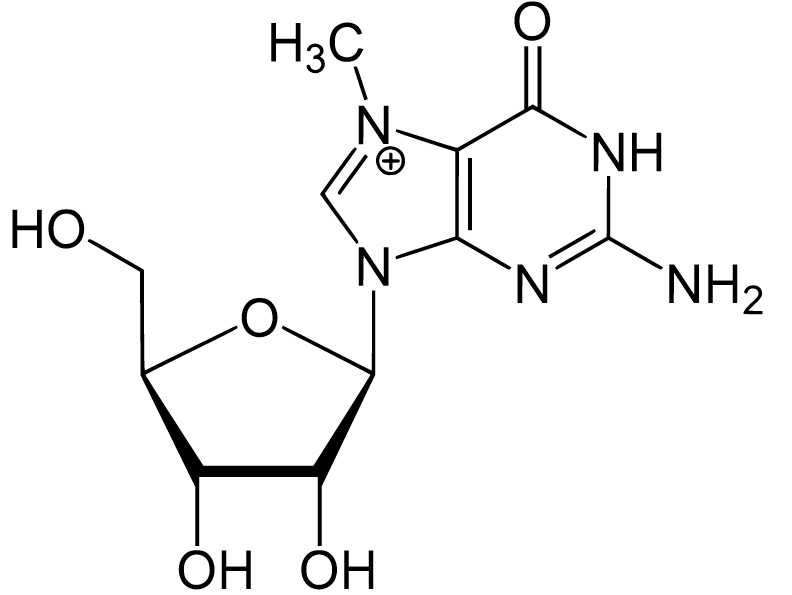
A modification to the 5’ end of the pre-mRNA, which consists of a methylated guanosine (7- methylguanosine). This cap allows for efficient translation and prolongs the stability of the mRNA.
Polyadenylation
A modification to the 3’ end of the pre-mRNA, which consists of several hundred “A” nucleotides to give a poly-A tail. Like the 5’ cap, the poly-A tail helps prevent RNA degradation and helps export pre-mRNA to cytoplasm.
Splicing
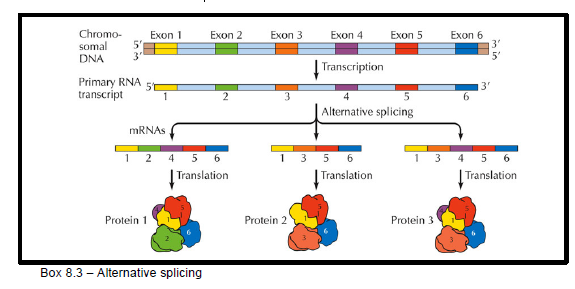
Eukaryotic genes contain introns and exons. The resulting mRNA is spliced to join together exons and remove introns. (Hint: think “exons are expressed; introns are in between.”)

Wize Concept
After these modifications, the pre-mRNA is now fully matured and can be called mRNA.
Splicing occurs in the nucleus and is conducted by proteins called spliceosomes. This has to be a very precise process since leaving nucleotides in can cause frameshift mutations that generate nonfunctional proteins.

0:00 / 0:00
Example: mRNA Transcription
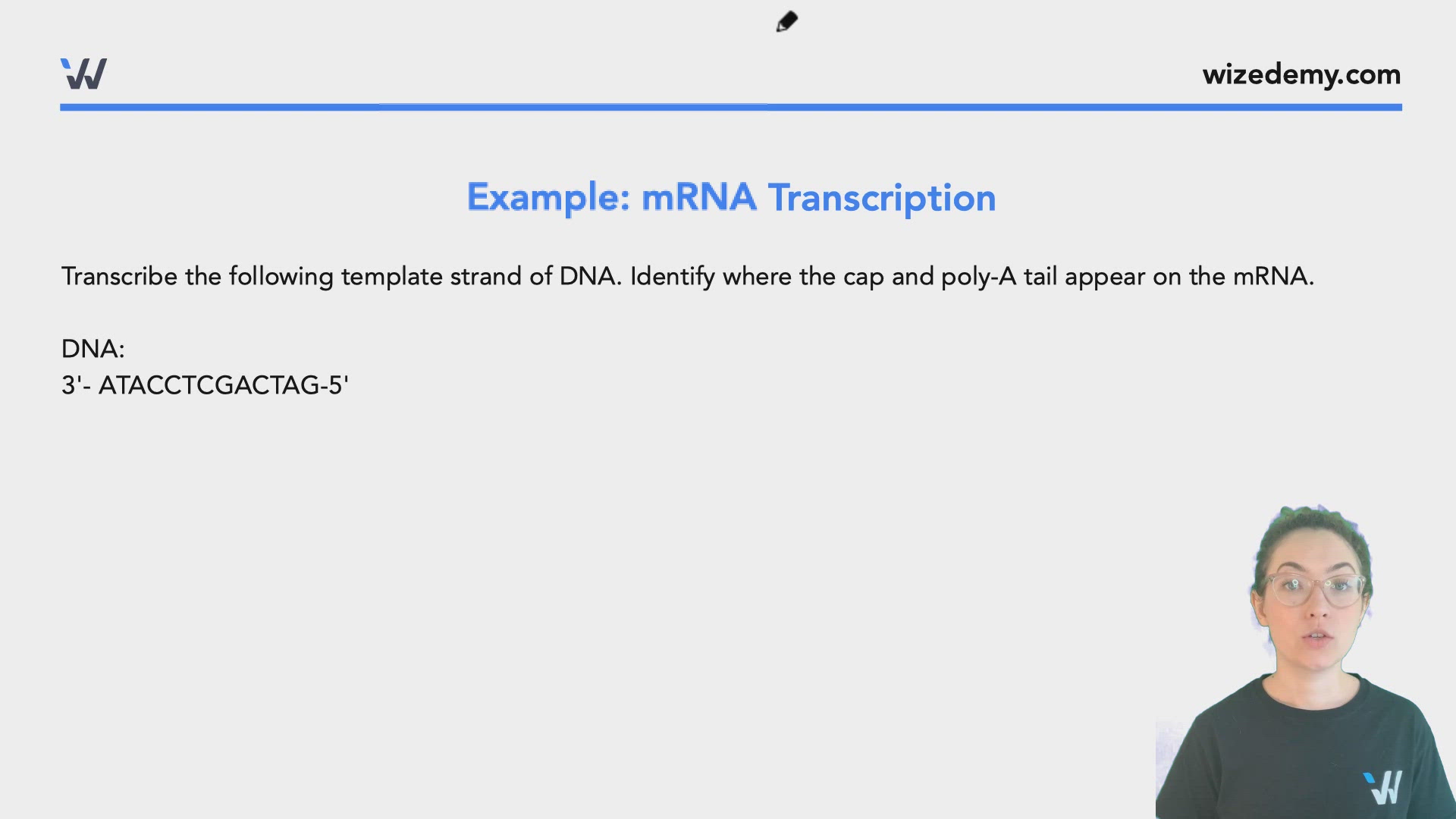
Transcribe the following template strand of DNA. Identify where the cap and poly-A tail appear on the mRNA.
DNA:
3'- ATACCTCGACTAG-5'
The resulting mRNA would be:
5'-UAUGGAGCUGAUC- 3'
The cap would be linked to the 5' end of the sequence and the poly-A tail would added to the 3' end of the sequence.
Practice: Gene Splicing
The diagram represents regions around a gene encoding a mRNA. The translation initiation codon (AUG) is present in exon 1 of the mRNA. The stop codon (UGA) is present in exon 4.

What region of the primary transcript is removed from the mature mRNA?
Practice: Transcription In Eukaryotes

The diagram represents an mRNA with exons (shaded regions) and introns (white regions).
a) In order to create a protein with the regions I, II, IV, what splicing pattern is required?
0:00 / 0:00
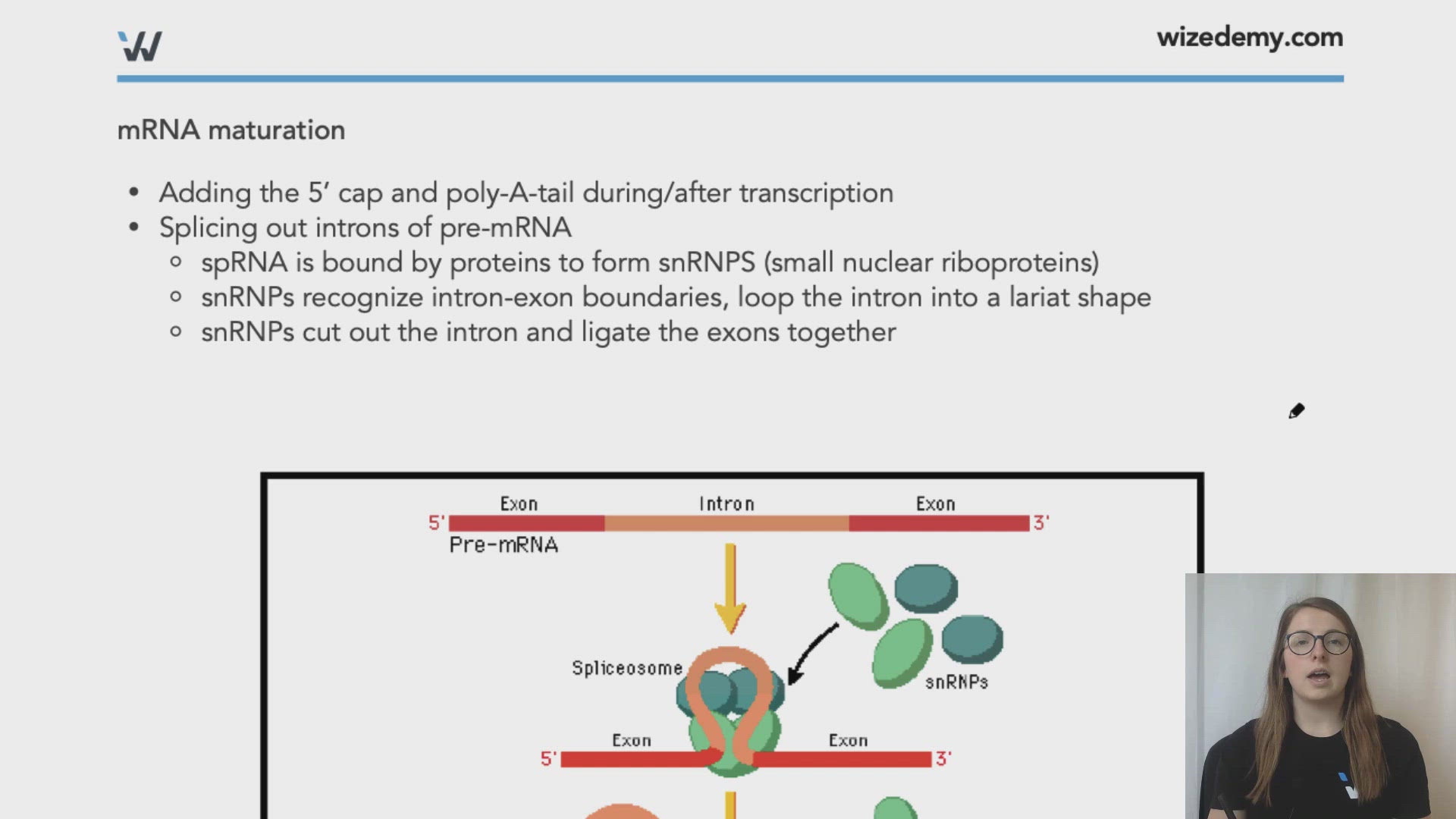
mRNA maturation
- Adding the 5’ cap and poly-A-tail during/after transcription
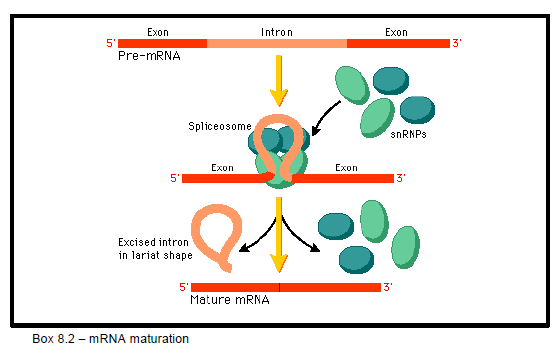
- Splicing out introns of pre-mRNA
- spRNA is bound by proteins to form snRNPS (small nuclear riboproteins)
- snRNPs recognize intron-exon boundaries, loop the intron into a lariat shape
- snRNPs cut out the intron and ligate the exons together
- 5’ splice site (5’-CAG/GUAAGU-3’) base pairs with the U1 snRNA
- 3’splice site (5’-CAG-3’) is cut after the U2 snRNA base pairs with it’s recognition sequence (5’-UACUAC-3’) in the intron
What is alternative splicing?
- Alternative splicing = different mature mRNAs produced from a single pre-mRNA transcript/gene
- Often happens when proteins are produced in different cell types
- The same sequence but different protein products