Wize University Biology Textbook > Mendelian Genetics

More Complex Genetics [Blood Type, Pleiotropy, Epistasis and Polygenic Inheritance]

Create a free account to get started

Unlock full course notes by signing up

  • Video lessons taught by top educators
  • Practice questions with guided solutions
  • Written review notes for reference
  • Expert answers anytime from course tutors

Blood Types

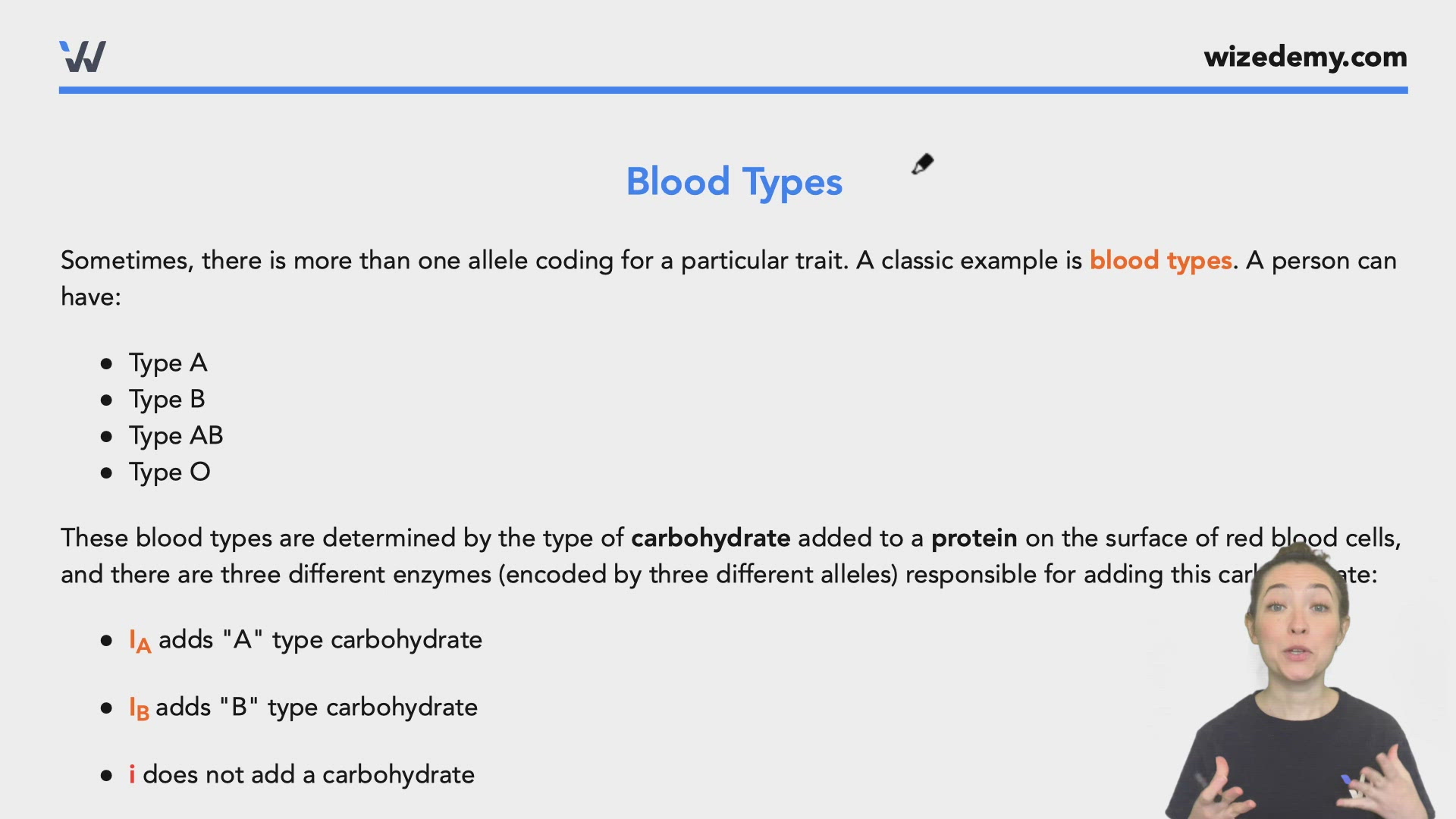
Sometimes, there is more than one allele coding for a particular trait. A classic example is blood types. A person can have:

  • Type A
  • Type B
  • Type AB
  • Type O

These blood types are determined by the type of carbohydrate added to a protein on the surface of red blood cells, and there are three different enzymes (encoded by three different alleles) responsible for adding this carbohydrate:

  • IA adds "A" type carbohydrate
  • IB adds "B" type carbohydrate
  • i does not add a carbohydrate


Blood type is determined by which of these three alleles a person has:

  • IAIA OR IAi will have type A blood ("A" type carbohydrates)
  • IAIB will have type AB blood ("A" and "B" type carbohydrates)
  • IBIB OR IBi will have type B blood ("B" type carbohydrates)
  • ii will have type O blood (no carbohydrates)
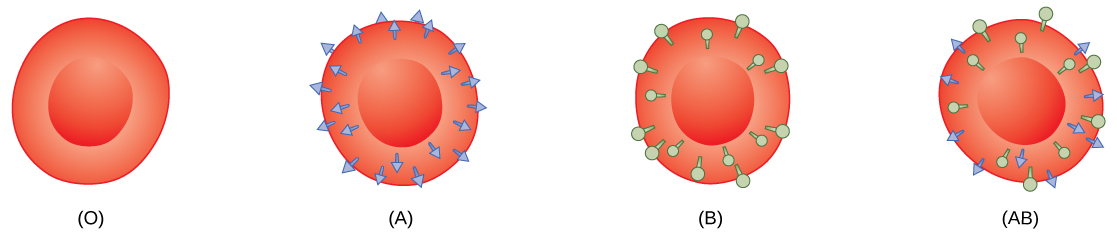


Image illustrating Blood Types

Photo by CNX OpenStax / CC BY


Practice: Possible Blood Types

A child finds out that he is blood type O and his mother is blood type B. He claims that his father cannot be bloodtype AB.

Is his claim true or false?

Choose an answer

Create a free account to get started

Unlock full course notes by signing up

  • Video lessons taught by top educators
  • Practice questions with guided solutions
  • Written review notes for reference
  • Expert answers anytime from course tutors

Create a free account to get started

Unlock full course notes by signing up

  • Video lessons taught by top educators
  • Practice questions with guided solutions
  • Written review notes for reference
  • Expert answers anytime from course tutors

Pleiotropy, Epistasis and Polygenic Inheritance

Pleiotropy

Some genes can control multiple different seemingly unrelated traits. A mutation in a pleiotropic gene can therefore have a broad range of phenotypes associated with it.

  • Mutation on a pleiotropic gene can have an effect on several different traits.
  • Likely due to the fact that this gene is required in different cell types.
Image illustrating Pleiotropy, Epistasis and Polygenic Inheritance

Photo by Alphillips6 / CC BY


  • An example of a pleiotropy is phenylketonuria.
  • This is a genetically inherited condition that has to do with levels of the amino acid phenylalanine.
  • A mutation in the gene that codes for an enzyme responsible for breaking down phenylalanine into tyrosine is the cause of this condition.
  • The mutation leads to toxic build up of phenylalanine in the body and low levels of tyrosine. This has several outcomes:
  • Nerve damage leading to mental disorders;
  • Developmental problems (abnormal gait and posture);
  • Seizures;
  • Skin rashes and fair skin.


Epistasis

Alleles and genes can interact with each other to give different phenotypes. Epistasis is when two or more genes contribute to a phenotype, and the phenotype of one gene is altered by the presence of another.


Examples:


Image illustrating Pleiotropy, Epistasis and Polygenic Inheritance

Photo by Thomas Shafee / CC BY


Image illustrating Pleiotropy, Epistasis and Polygenic Inheritance

Adapted from photo by Corgimwch / CC BY


Polygenic Inheritance

Some traits are determined by the combination of multiple genes. An example is skin color:
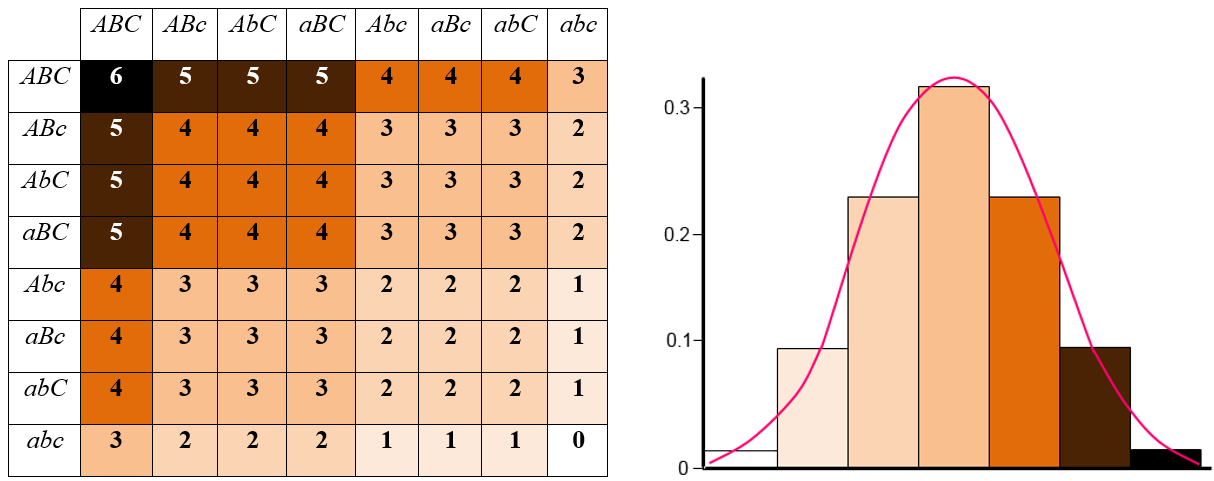

Image illustrating Pleiotropy, Epistasis and Polygenic Inheritance

Photo by CKRobinson / CC BY


Environment and Genes Can Determine Phenotypes

Sometimes, the phenotype depends on the environment as well as the genes. For example, hydrangea flowers can range in color from pink to blue depending on the environmental temperature, even though they have the same genotype:
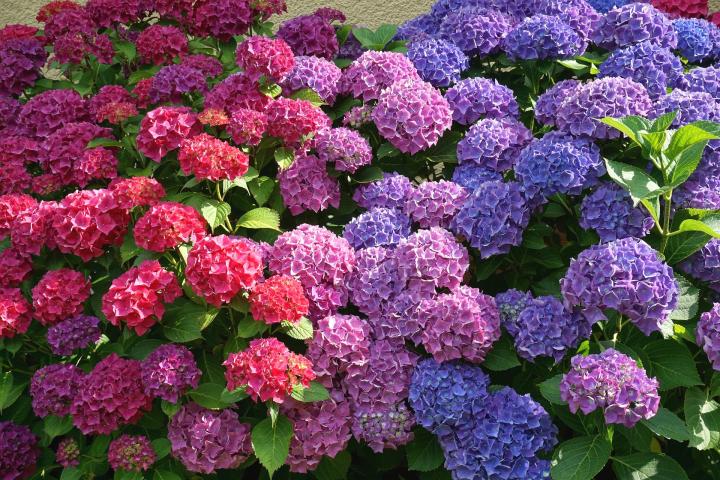
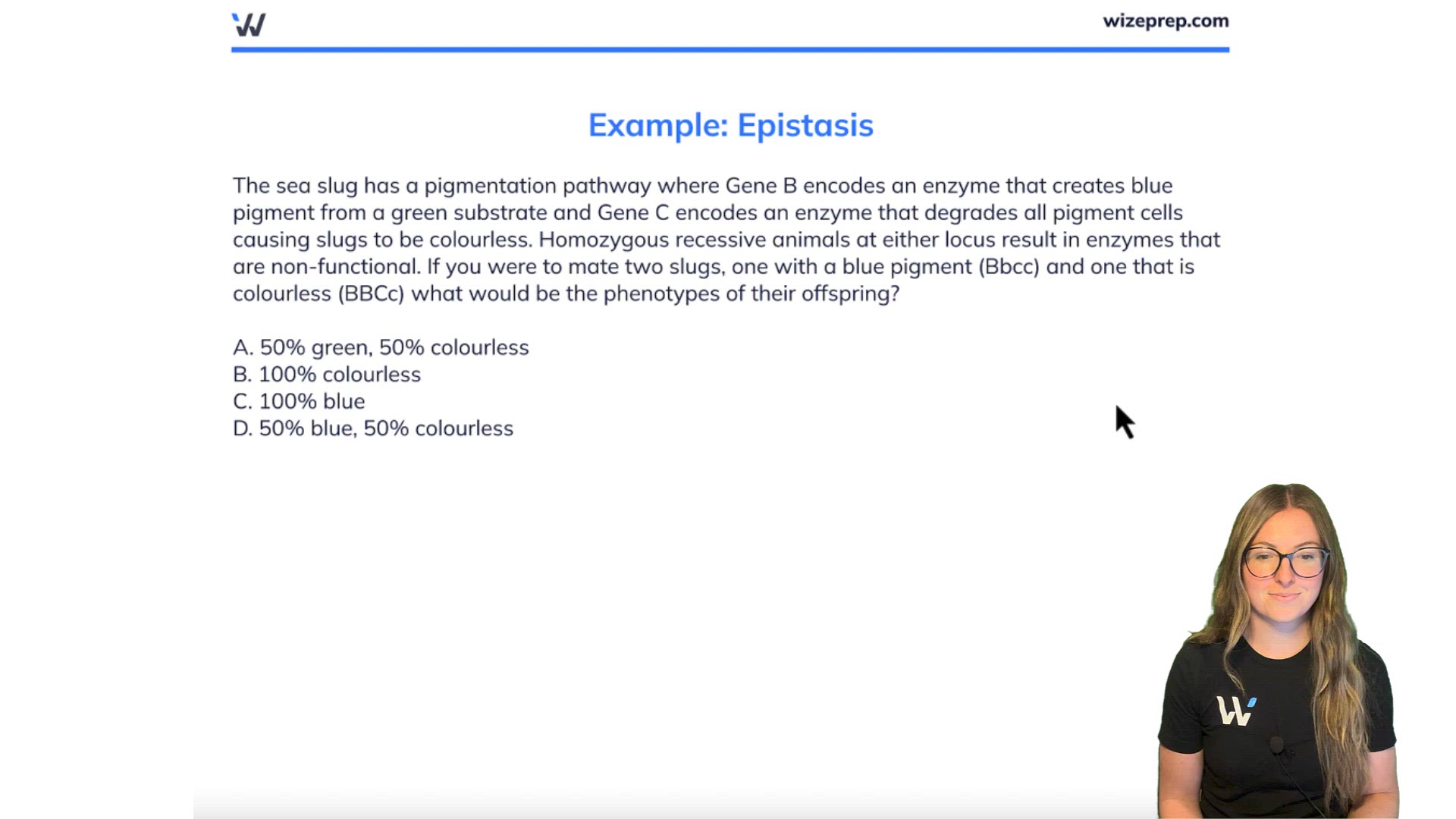
Image illustrating Pleiotropy, Epistasis and Polygenic Inheritance


Practice: Non-Mendelian Inheritance

Match the non-mendelian inheritance terms with the correct definition.

Match each term
A.

One gene influences two or more unrelated traits/phenotypes

B.

A phenotypic trait that is controlled by more than one gene

C.

When the effect of one gene is dependent on the allele present at a different gene

Pleiotropy

Polygenic

Epistasis

Create a free account to get started

Unlock full course notes by signing up

  • Video lessons taught by top educators
  • Practice questions with guided solutions
  • Written review notes for reference
  • Expert answers anytime from course tutors

Create a free account to get started

Unlock full course notes by signing up

  • Video lessons taught by top educators
  • Practice questions with guided solutions
  • Written review notes for reference
  • Expert answers anytime from course tutors

Example: Epistasis

The sea slug has a pigmentation pathway where Gene B encodes an enzyme that creates blue pigment from a green substrate and Gene C encodes an enzyme that degrades all pigment cells causing slugs to be colourless. Homozygous recessive animals at either locus result in enzymes that are non-functional. If you were to mate two slugs, one with a blue pigment (Bbcc) and one that is colourless (BBCc) what would be the phenotypes of their offspring?


A. 50% green, 50% colourless

B. 100% colourless

C. 100% blue

D. 50% blue, 50% colourless


Practice: Epistasis

There are 2 genes in an alien species that have an epistatic interaction (meaning, one gene affects the expression of the other). Recessive alleles at the “bald” gene (bb) inhibit the expression of different alien antennae lengths (AL for long, AS for short and AN for no antennae where AL>AS>AN). Individuals who are homozygous recessive for the bald gene will show the AN phenotype regardless of their other antennae alleles. Individuals with at least one normal bald gene (B) express their antennae as expected from their genotype. If two parents heterozygous for long antennae (ALAS) and heterozygous for the bald allele (Bb) mate, what is the probability that they have a child with no antennae?


Choose an answer

Create a free account to get started

Unlock full course notes by signing up

  • Video lessons taught by top educators
  • Practice questions with guided solutions
  • Written review notes for reference
  • Expert answers anytime from course tutors

Extra Practice