
Prokaryotes
- First fossil evidence approx. 3.5 Billion Years Ago (BYA)
- First Unicellular Organism: Single celled organism
- Polyphyletic group
- Archaea and Eukarya are sister to Bacteria
- Possibly a bad classification
- Earliest fossils are Stromatolites: Rock-like layers of bacterial mats and sediment
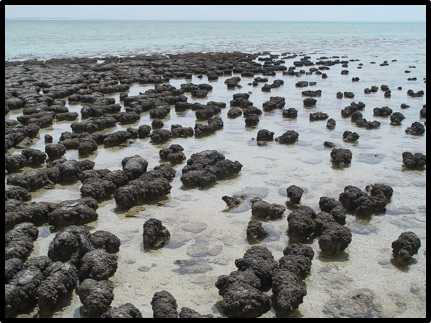
Photo by Paul Harrison | CC BY

Structure of Prokaryotes (Bacteria)
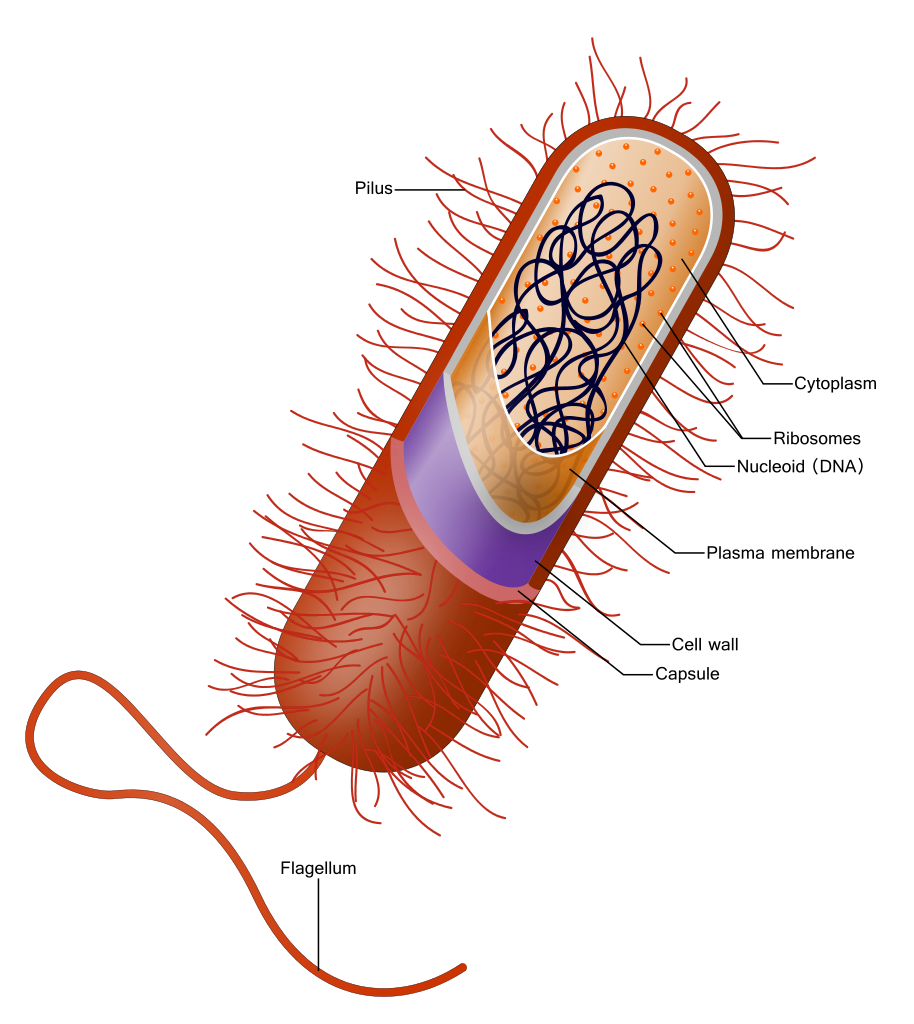
Simple
- No nucleus
- DNA is circular
- Also may have plasmids: Additional DNA
- Specialized functions (antibiotic resistance)
- No membrane-enclosed organelles
- No mitochondria
- All have cell walls
- Peptidoglycogen: modified sugars used for cell wall
- not cellulose (used by plants)
- not chitin (used by fungi)
- Used for shape and protection
- prevents cell from bursting in hypotonic solution (a solution with lower concentration of ions than the cell)
- Absent in Archaea
- Prokaryotes are small
- size limited by diffusion
- all nutrients must diffuse passively across the cell wall
- Small cells have greater Surface Area to Volume ratio
- Take up nutrients more rapidly and efficiently

Prokaryotic Reproduction

- Binary Fission: form of asexual reproduction, one cell splits into two
- Reproduce rapidly
- Short generation time
- High mutation rate
- Increases genetic diversity
- Exchange genetic information through horizontal gene transfer
- Horizontal gene transfer: absorb DNA from the environment for genetic recombination
- Transformation: uptake of foreign DNA from the environment (dead bacteria)
- Transduction: bacterial viruses (bacteriophage) insert new DNA from past hosts
- Conjugation: transfer of DNA directly from one prokaryote to another
- DNA from donor is transferred to recipient cell using the pilus
- Unidirectional
- Often transfer plasmids
- Frequently used to transfer antibiotic resistance

How Organisms Obtain Nutrients
- All organisms fall into the following categories:
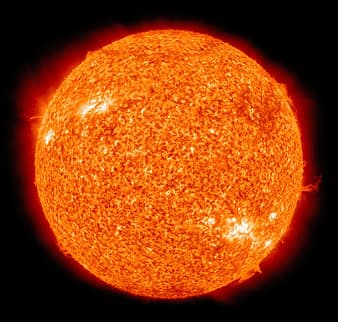
- Phototrophs: energy originates from the sun
- Photo-auto-trophs: produce energy directly from the sun (like photosynthesis)
- Carbon comes from CO2
- Photo-hetero-trophs: produce energy directly from the sun (like photosynthesis)
- Rare
- Carbon comes from organic compounds ( not CO2)
- This is a rare metabolic trait found in few prokaryotes
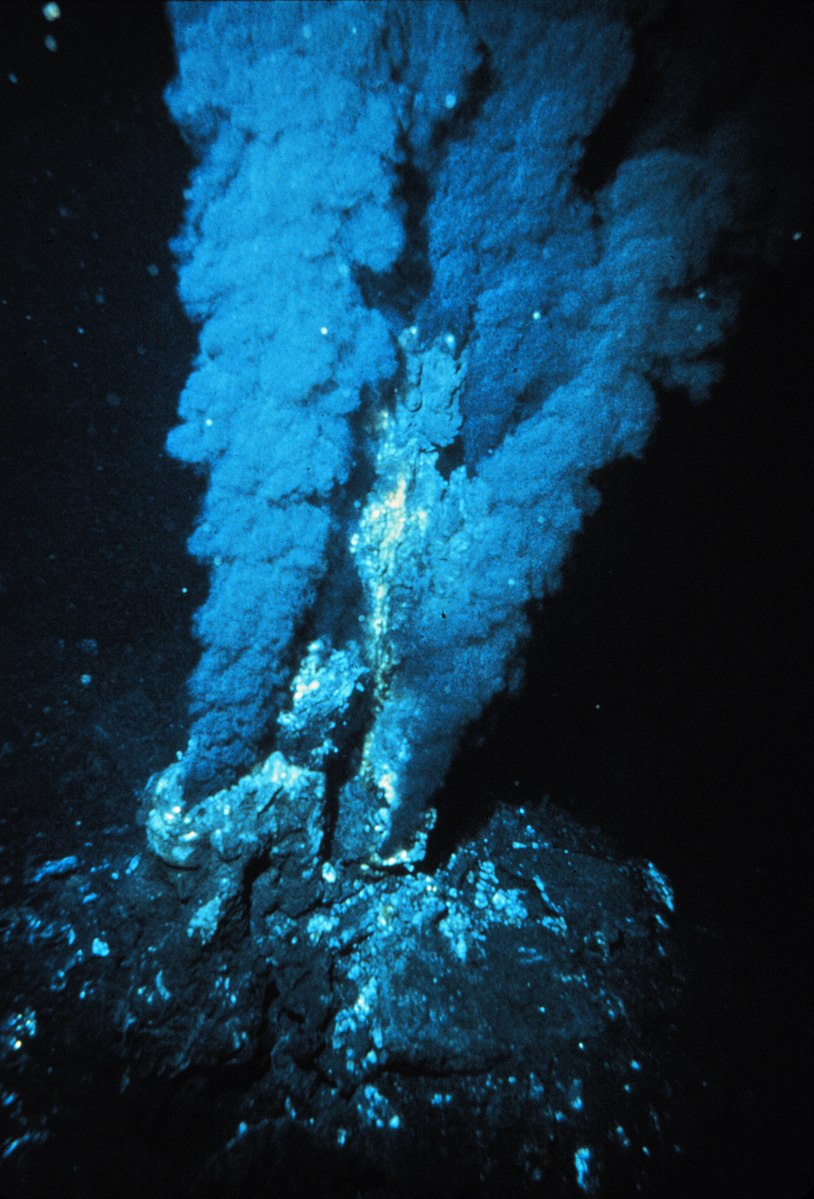
- Chemotrophs: energy comes from chemicals (not the sun)
- Chemo-auto-trophs: produce energy directly from chemicals in the environment
- Rare
- Carbon comes from CO2
- Chemo-hetero-troph: Get energy by consuming other organisms
- Carbon comes from organic compounds