Popular Courses
MCAT
General Course
AP Biology Exam Prep Course
AP Exam Prep
Biology
General Course
General Biology
University Study Guides
BIOLOGY 1002B
Western University
BIOL 211
University of Calgary
BIOL 107
University of Alberta
BIOL 102
Queen's University
BIOL 112
University of British Columbia
Grade 12 Biology
Canada High School
DAT
General Course
High School Biology
US High School
Grade 11 Biology
Ontario High School
Grade 11 Biology
Canada High School
General Biology
University Study Guides
BIOL 130
University of Waterloo
SC/BIOL 1000 3.00
York University
Biology 20
Alberta High School
BIOL 200
University of British Columbia
BLG 143
Toronto Metropolitan University
0:00 / 0:00
Lipids
Lipids are important biological components with a variety of roles. They can be used as structural components, as energy storage ("burning fat"), or even as part of signaling molecules (hormones). There are three main types of lipids we will discuss:
- Fats and Oils (Triglycerides)
- Phospholipids
- Steroids
Structure of Fats
- There is more diversity in the overall structure of lipids compared to the other three major types of macromolecules.
- The lipid group of macromolecules instead share a common biochemical property: they are all hydrophobic.
- The main component of fats are fatty acids and glycerol.
- They are joined together by a dehydration or condensation reaction to form an ester linkage.
- The main function of triglycerides (or triacylglycerides) is energy storage.

Fatty Acids
They are composed of:
- Carboxyl head - polar part of the molecule (hydrophilic).
- Hydrocarbon tail - non-polar part of the molecule (hydrophobic). Usually 16 to 18 carbons long. Tails can be:
- Saturated - all single bonds between carbons: straight string of carbons.
- More commonly made in animals and solid at room temperature. Examples: bacon fat, coconut oil.
- Unsaturated - one or more double bonds between carbons.
- More commonly made in plants and liquid at room temperature. Examples: canola oil or olive oil.
- Cis or trans configuration around the double bond. If cis, the tails have a kink (not straight).


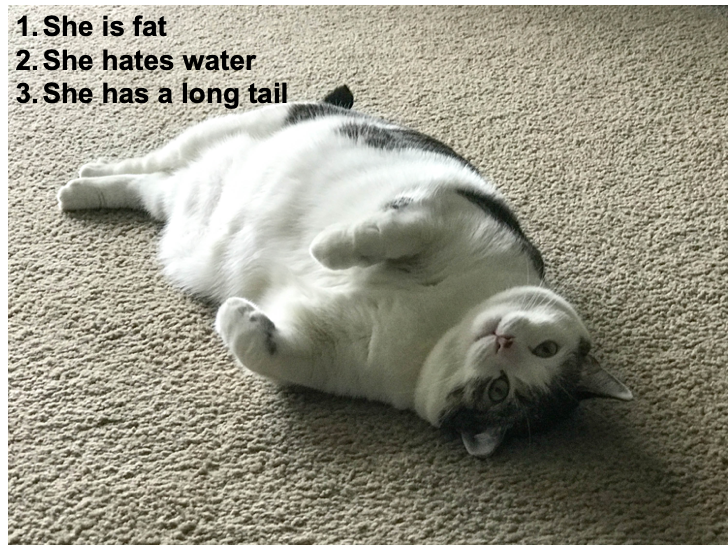
Wize Tip
To remember this type of lipid, just think of a chubby cat named Lily.
0:00 / 0:00
Phospholipids
These are also called membrane lipids as they are found in cell membranes. Phospholipids have a phosphate head group (polar) that confers them special characteristics.
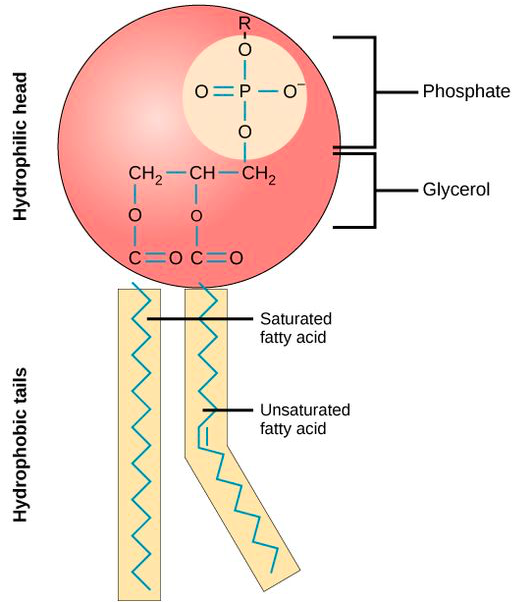
- They are amphipathic: has both hydrophobic and hydrophilic parts.
- Hydrophobic tail: fatty acid with carbon tail
- Hydrophilic head: glycerol plus phosphate
- They naturally form membranes in water that "protect" their hydrophobic parts.
Types of Phospholipid Membranes

- Sphere or liposome
- Micelle
- Bilayer sheet
0:00 / 0:00
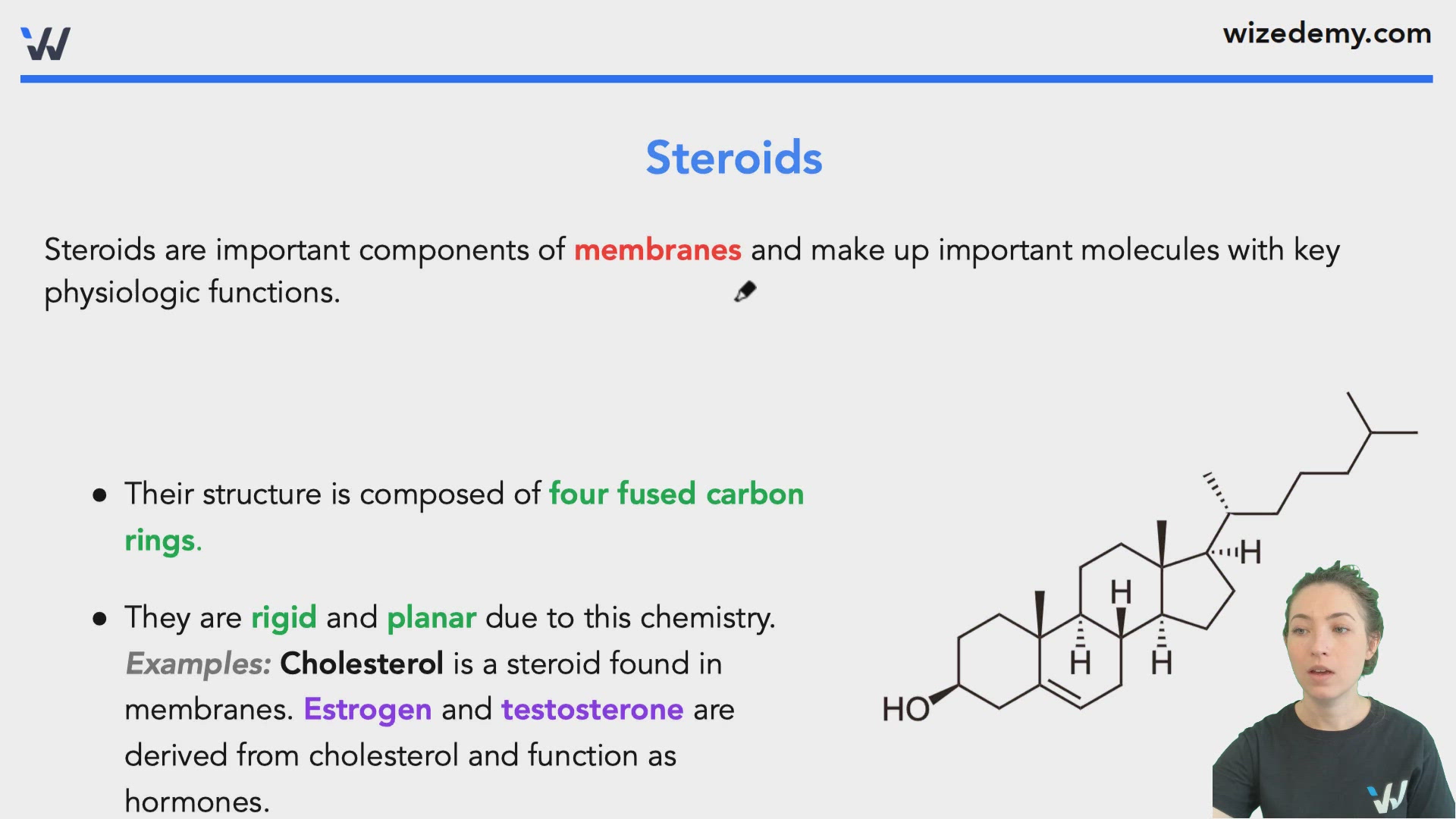
Steroids
Steroids are important components of membranes and make up important molecules with key physiologic functions.

- Their structure is composed of four fused carbon rings.
- They are rigid and planar due to this chemistry. Examples: Cholesterol is a steroid found in membranes. Estrogen and testosterone are derived from cholesterol and function as hormones.
Cholesterol
- Important component of animal cell membranes.
- Prevents extremes in membrane fluidity, acting as a buffer.
- Stabilizes at high temperatures by restraining phospholipids;
- Maintains fluidity at low temperature by preventing clustering.
0:00 / 0:00
Example: Lipids in Water
In an aqueous solution, phospholipids form either micelles, or lipid bilayers. Sketch these structures in the space below (label the hydrophobic tails and polar heads, as well as the intracellular/extracellular environments). What is the reasoning for the formation of these structures and what interactions are present?
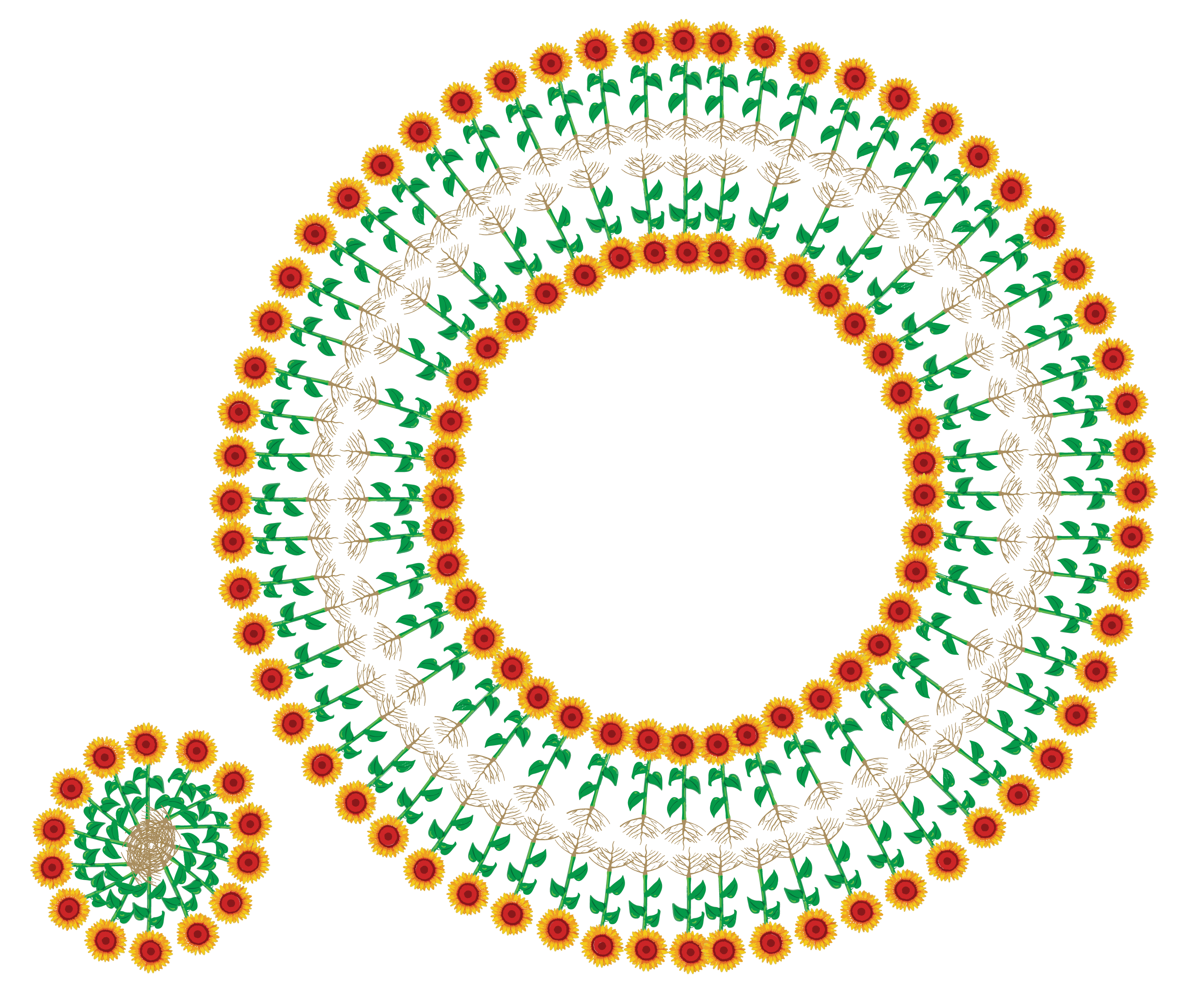
The formation on the left is a micelle: all hydrophobic legs are tucked in. The structure on the right is a circular bilayer called a liposome.
This forms due to the hydrophobic effect where molecules that don't like to interact with water (lipid tail of phospholipids) are tucked or hidden away and molecules that like to interact with water are exposed (phosphate head of phospholipids).
Practice: Macromolecule Building Blocks
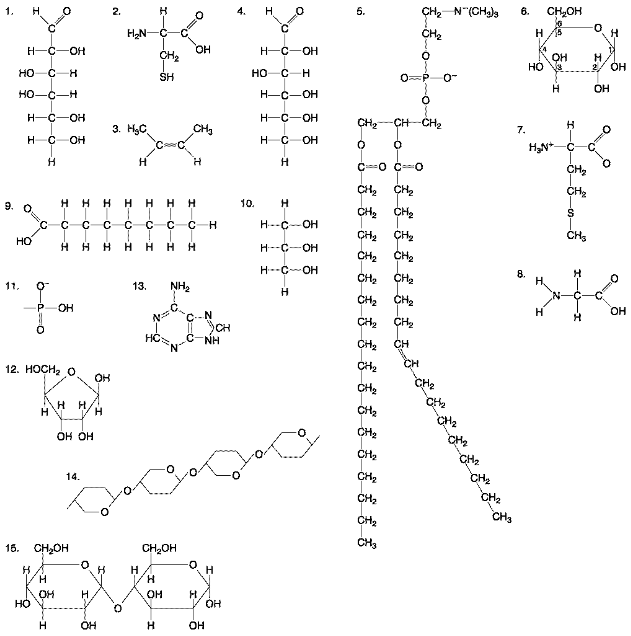
A fat (triacylglycerol) could be formed as a result of a dehydration reaction between:
Practice: Fatty Acids
Which statement about fatty acids is false?
Practice: Cholesterol
Which statement is FALSE about cholesterol?
Practice: Liposomes
Which of the following best describes a liposome?