0:00 / 0:00
Conservation
As the effects of human activities and climate change become more severe on our natural systems, conservation has become very important in maintaining the world's ecosystems.
Wize Concept
Conservation = the planned management of natural resources to prevent exploitation and destruction
Types of Conservation
- Inside-habitat conservation
- Examples:
- Land management and protection
- Increasing the biodiversity of protected lands and waters
- Challenges:
- Some areas are too degraded even if they are protected
- Some areas are too small to support native species even if protected
- Outside-habitat conservation
- Examples:
- Zoo's
- Botanical Gardens
- Animal Sanctuaries
- Seed banks
- Challenges:
- Animals may never leave captivity
- NOT a substitute for Inside-habitat conservation
Types of Species in Conservation
Keystone Species
- A single species whose loss would greatly affect the balance of the entire ecosystem
- This species, if lost from the ecosystem, would not be functionally replaced by another
- Often (not always) predators
- Only a few individuals of a predator species can control the distribution of prey species
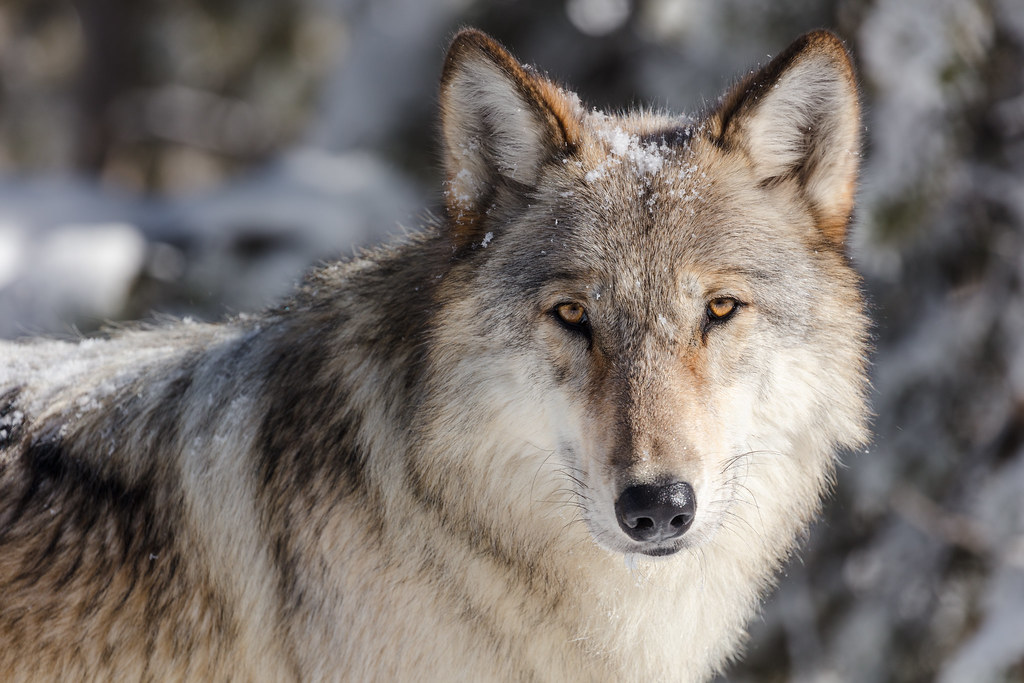
Example: Yellowstone Gray Wolves
- The Gray Wolf was eradicated from the Park causing a top-down trophic cascade
- Elk populations increased causing overgrazing
- Overgrazing changed the plant species available to control erosion, water temperatures and plant species available for fish, beavers and birds to use for food and shelterRe-introduction of non-native wolves has decreased Elk populations and restored wetlands
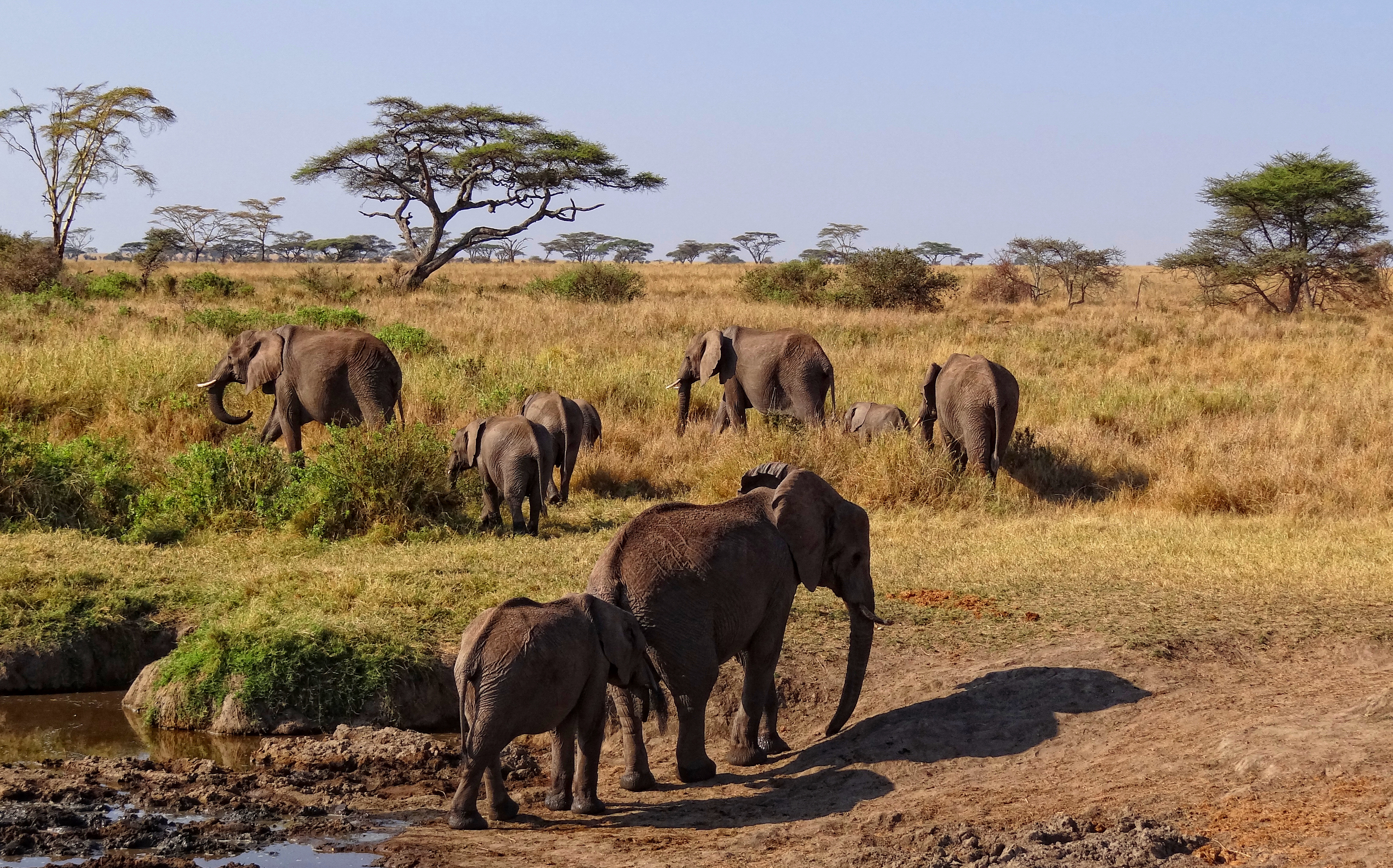
Example: Serengeti Elephants (CC BY-SA 3.0)
- Elephants eat shrubs and trees and while doing so uproot and them knock over
- Little to no trees allows grasses to grow
- Grasses sustain grazing animals like antelopes, zebras, wildebeests
- The grazing animals sustain predators like lions and hyenas
(CC BY-SA 3.0)
Umbrella Species
- A single species with a large geographic species range
- Often determine the size of protected areas
- Often the focus of conservation efforts
- Example: The Siberian Tiger
Foundation Species
- Species that create or maintain a habitat
- Example: Coral Reefs and many Tree species
Ecosystem Engineers
- Species that have the ability to change their habitat in addition to creating or maintaining it
- Example: Corals, Trees, Beavers and Invasive species
Indicator Species
- Species that sensitive to environmental changes
- Will signal the health of the ecosystem
- Example: Oysters in Chesapeake Bay, USA
Flagship Species
- "Mascot" species that are charismatic and will help get human by-in to conservation efforts
- Examples:
- The juvenile harp seal was used to campaign against Arctic seal hunting
- The polar bear is used to discuss the effects of climate change
- The giant panda is used as a symbol for endangered species
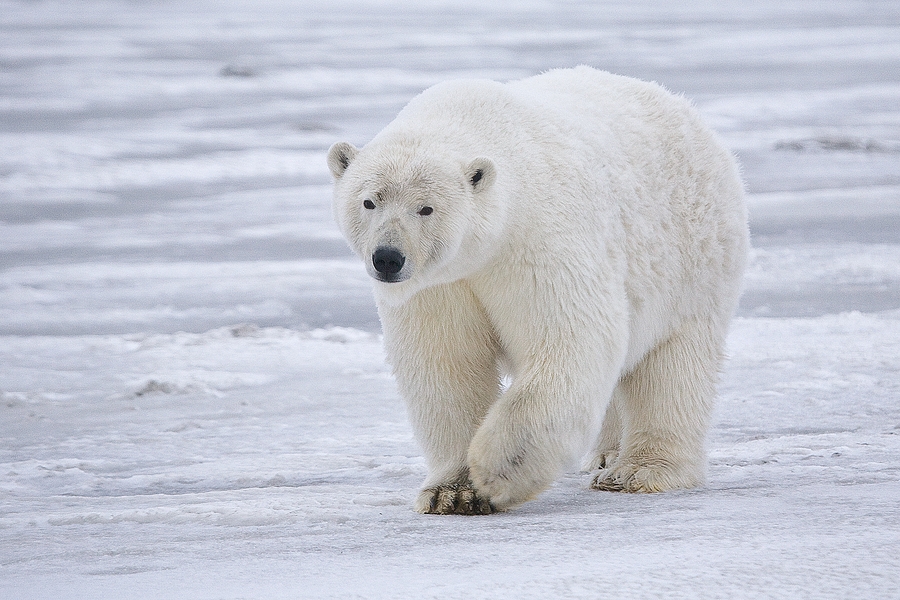
(CC BY-SA 3.0)
0:00 / 0:00
Ecological Restoration
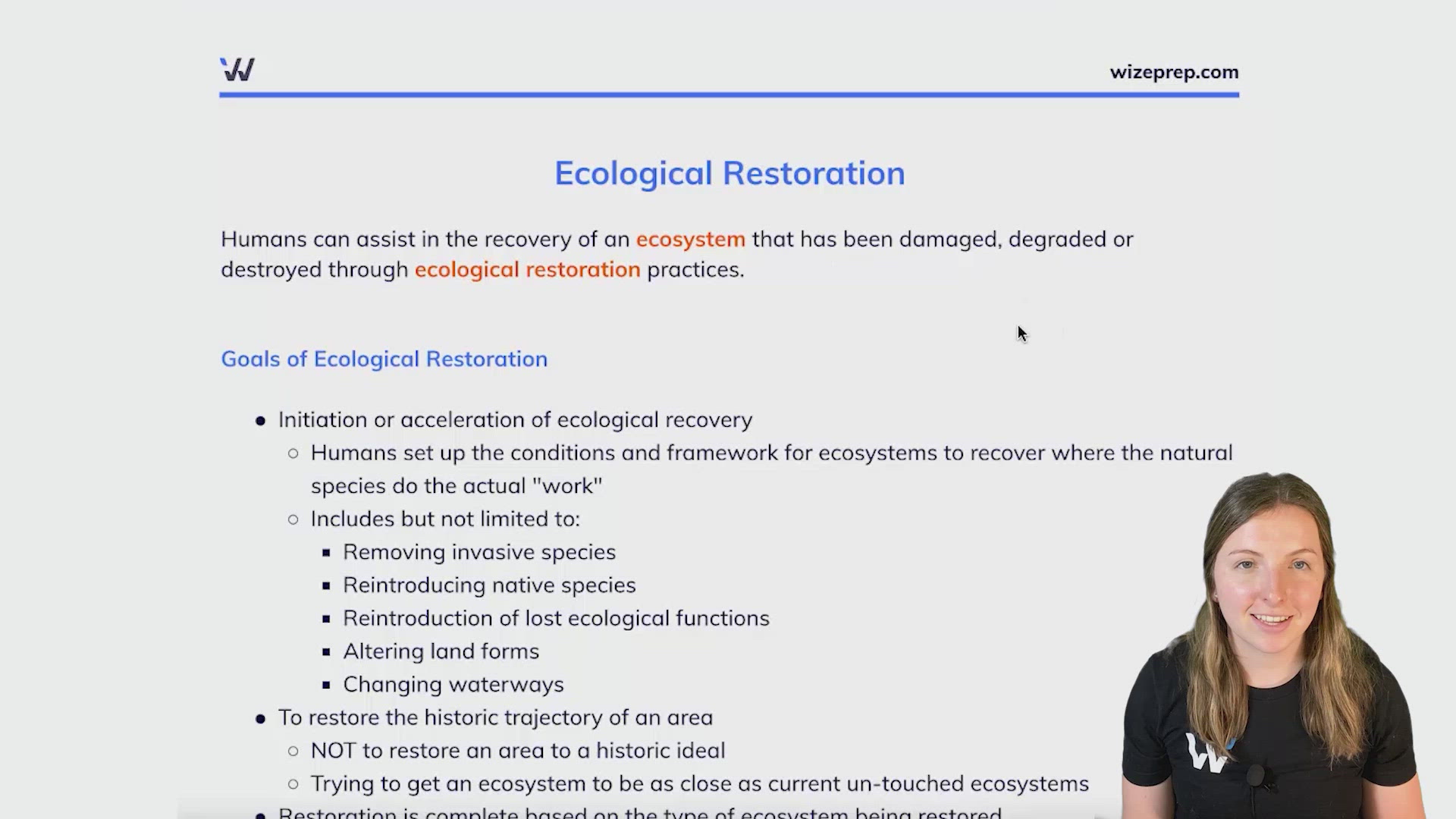
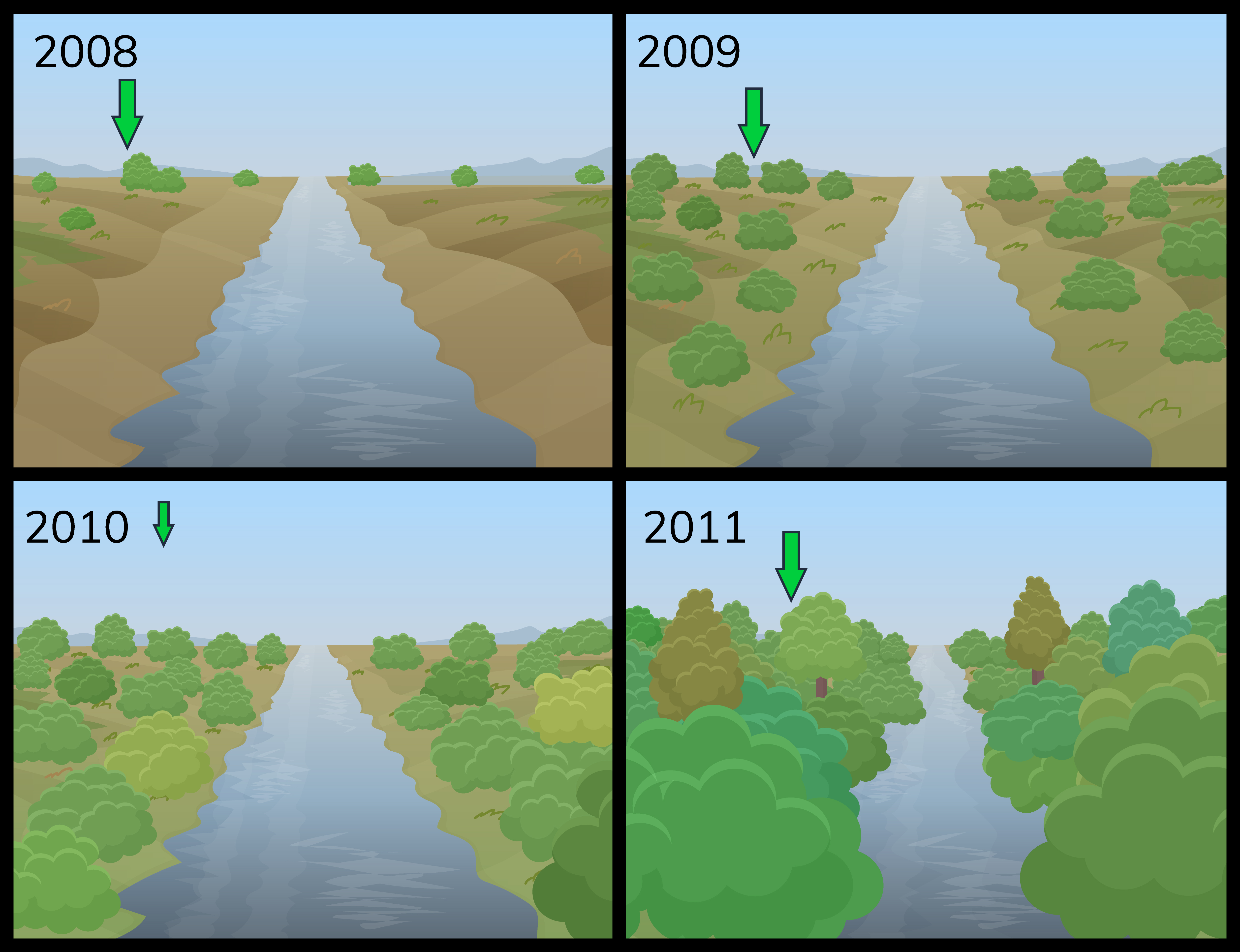
Humans can assist in the recovery of an ecosystem that has been damaged, degraded or destroyed through ecological restoration practices.
Goals of Ecological Restoration
- Initiation or acceleration of ecological recovery
- Humans set up the conditions and framework for ecosystems to recover where the natural species do the actual "work"
- Includes but not limited to:
- Removing invasive species
- Reintroducing native species
- Reintroduction of lost ecological functions
- Altering land forms
- Changing waterways
- To restore the historic trajectory of an area
- NOT to restore an area to a historic ideal
- Trying to get an ecosystem to be as close as current un-touched ecosystems
- Restoration is complete based on the type of ecosystem being restored
- Example: restoring a forest ecosystem would take longer than restoring a grassland ecosystem
- NOT a substitute for conservation
Integrating Conservation & Ecological Restoration
- Integrate human activities with protection and restoration
- How can humans benefit from protected/restored lands?
- Have policies and goals at the local, provincial and federal level
- Example: in Canada at the national level there is the "Conservation Authorities Act"
0:00 / 0:00
Example: National Park Management
You have just been put in charge of managing a newly designated national park. This land area includes untouched forest habitat, connected lakes and rivers, as well as a neighbouring area that was subject to high disturbance that needs restoration. Given what you know about conservation, ecological restoration and the types of species that are often included in restoration plans, create a conservation management plan for your national park. (Use any organisms or ideas that would make sense for a Canadian forest ecosystem).
Identify 1-3 flagship species to use on promotional materials for fundraising
Determine the keystone species of the region - often a top predator
Determine the species with the largest range in the protected area - the umbrella species
Monitor and identify the indicator species of the park
Add some maintained trails and campsites for human use
Plant native grasses, trees and shrubs in restoration areas to help with succession
Identify invasive species and cull as needed
Practice: Types of Species in Conservation
Which of the following are types of species that are able to create and maintain their habitats?
Practice: Keystone Species
Removing a keystone results in a top-down cascade that causes species to increase in numbers damaging the balance of the ecosystem.
Practice: Conservation
Match the correct conservation strategy to the type of conservation.
A.
Outside-habitat - acquiring plants and seeds and holding them in facilities
B.
Inside-habitat - maintaining natural untouched lands
C.
Outside-habitat - maintaining animals in captivity
Zoo
Land protection
Seed bank