Wize High School Grade 11 Biology Textbook > Cell Biology
Eukaryotic Cells & Their Structures
Eukaryotic Cells
Nucleus
Cytoplasm
Ribosomes
Endoplasmic Reticulum
Golgi Apparatus
Mitochondria & Chloroplasts
Lysosomes
Cells That Move
Illustrations of Cellular Components: Halloween at the Factory
Plants vs. Animal Cells
Cell Fractionation
Practice: Chloroplast
Practice: Mitochondria
Practice: Organelles with Membranes
Practice: Plant Cells Only
Popular Courses
Find My Course
0:00 / 0:00
Eukaryotic Cells
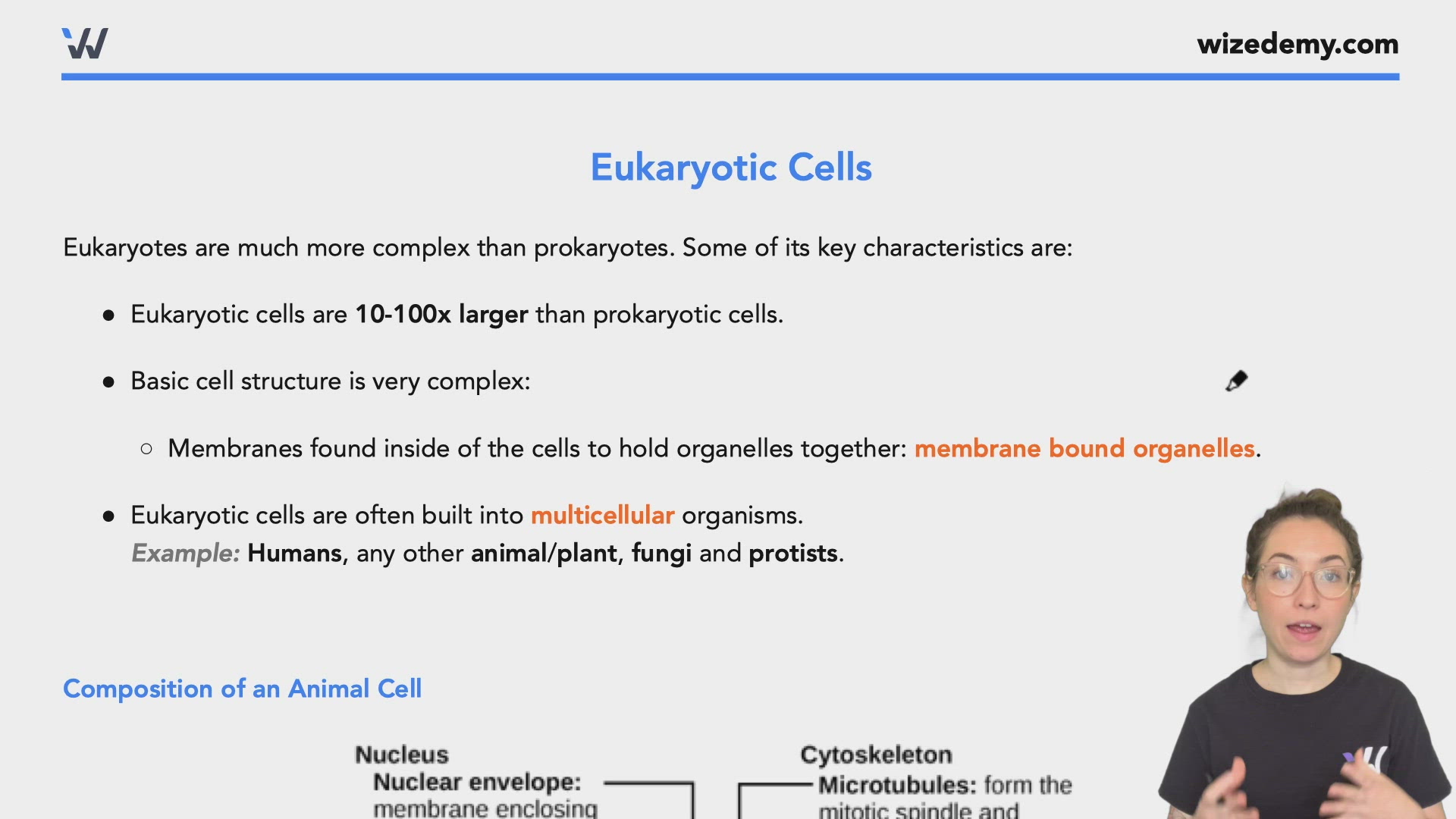
Eukaryotes are much more complex than prokaryotes. Some of their key characteristics are:
- Eukaryotic cells are 10-100x larger than prokaryotic cells.
- Basic cell structure is very complex:
- Membranes found inside of the cells to hold organelles together: membrane bound organelles.
- Eukaryotic cells are often built into multicellular organisms. Example: Humans, any other animal/plant, fungi and protists.
Composition of an Animal Cell

Components of a Plant Cell

0:00 / 0:00
The Nucleus
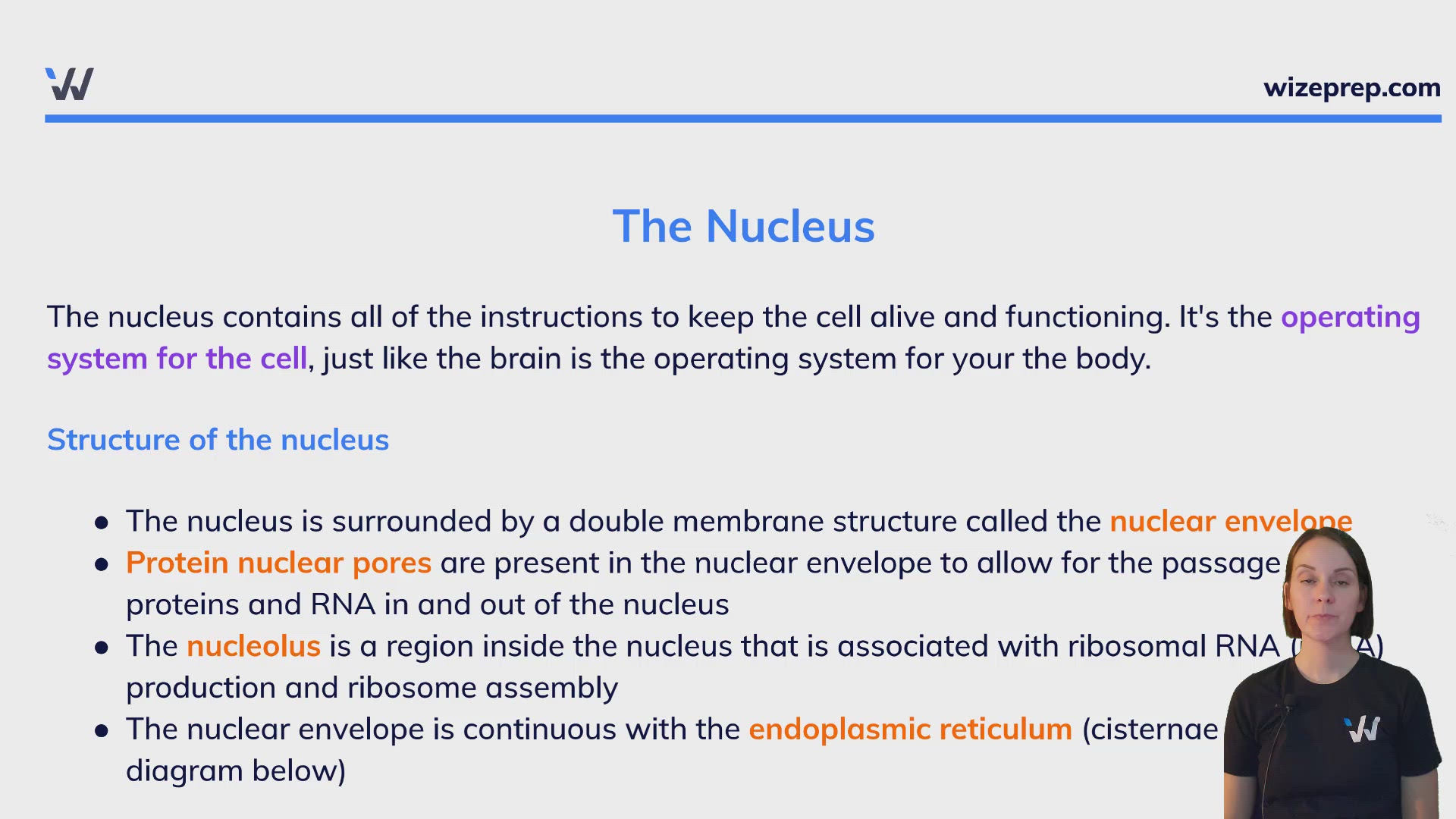
The nucleus contains all of the instructions to keep the cell alive and functioning. It's the operating system for the cell, just like the brain is the operating system for your the body.
Structure of the nucleus
- The nucleus is surrounded by a double membrane structure called the nuclear envelope
- Protein nuclear pores are present in the nuclear envelope to allow for the passage for proteins and RNA in and out of the nucleus
- The nucleolus is a region inside the nucleus that is associated with ribosomal RNA (rRNA) production and ribosome assembly
- The nuclear envelope is continuous with the endoplasmic reticulum (cisternae on the diagram below)
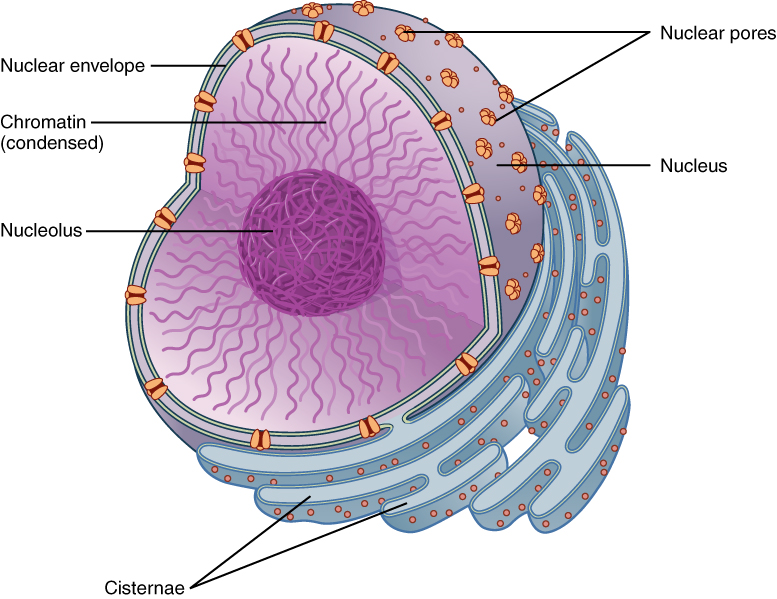
Contents of the nucleus
The nucleus contains the genetic information of the cell:
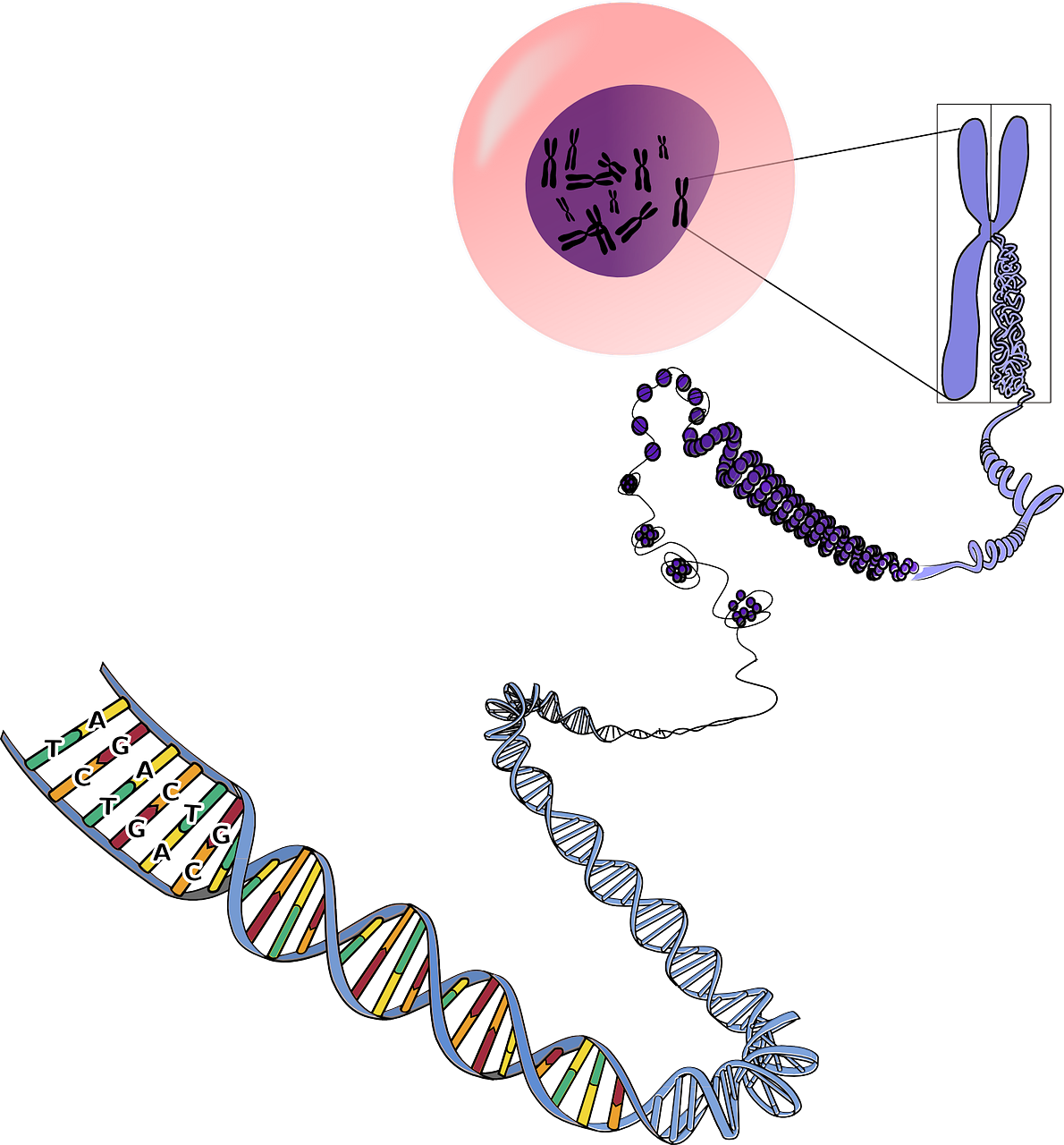
- The cell's genetic information is made up of deoxyribonucleic acid (DNA)
- The cell's DNA is organized into chromosomes
- Each chromosome contains thousands of genes
- Each gene is a segment of DNA that codes for a protein
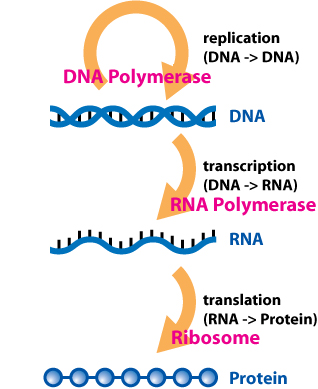
To make the protein:
- The DNA is first "read" and converted to messenger RNA (mRNA)
- The mRNA is then transported out of the nucleus through the nuclear pores
- Once in the cytoplasm, the mRNA is "read" by ribosomes to make the protein
0:00 / 0:00
The Cytoplasm
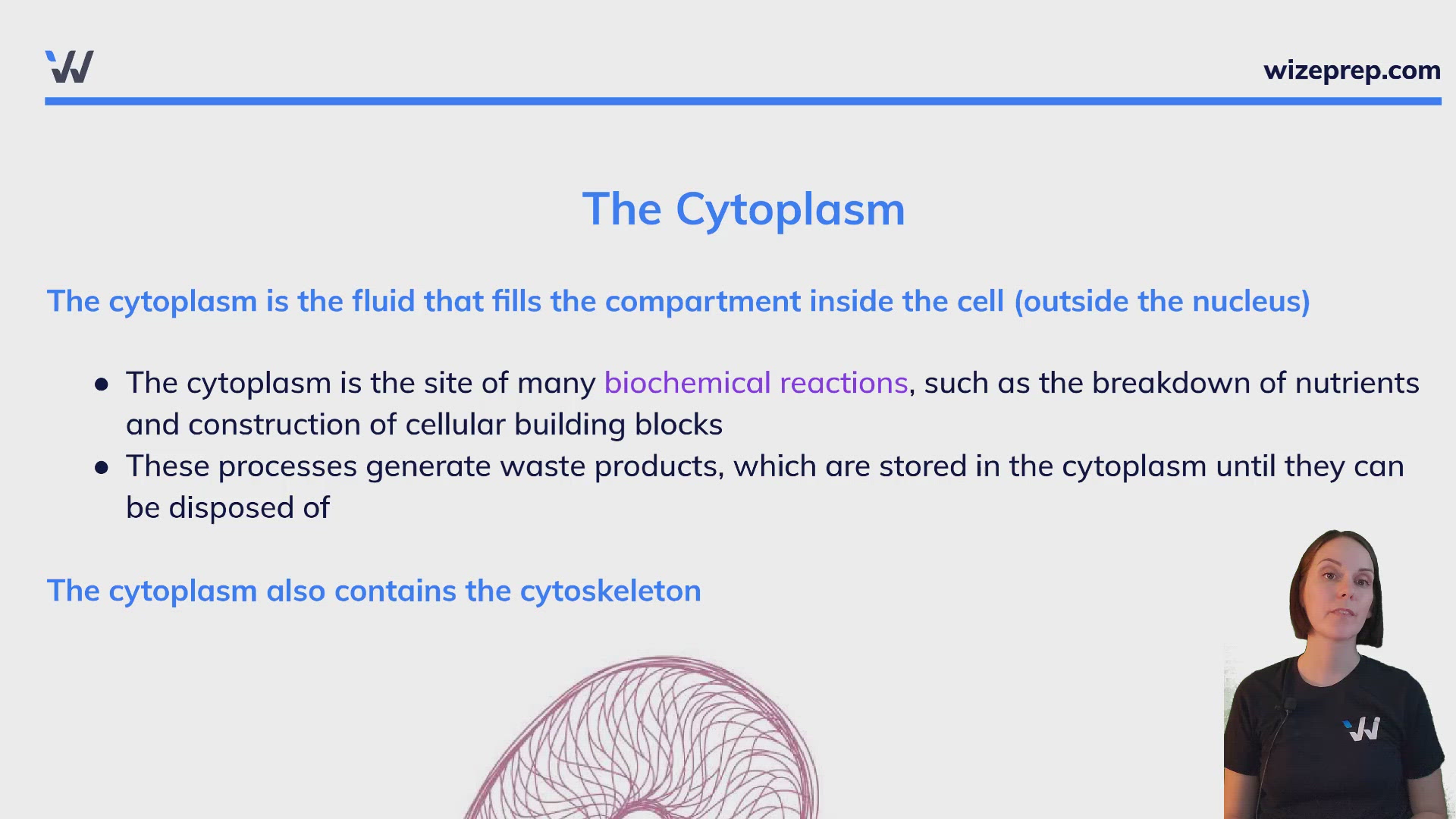
The cytoplasm is the fluid that fills the compartment inside the cell (outside the nucleus)
- The cytoplasm is the site of many biochemical reactions, such as the breakdown of nutrients and construction of cellular building blocks
- These processes generate waste products, which are stored in the cytoplasm until they can be disposed of
The cytoplasm also contains the cytoskeleton
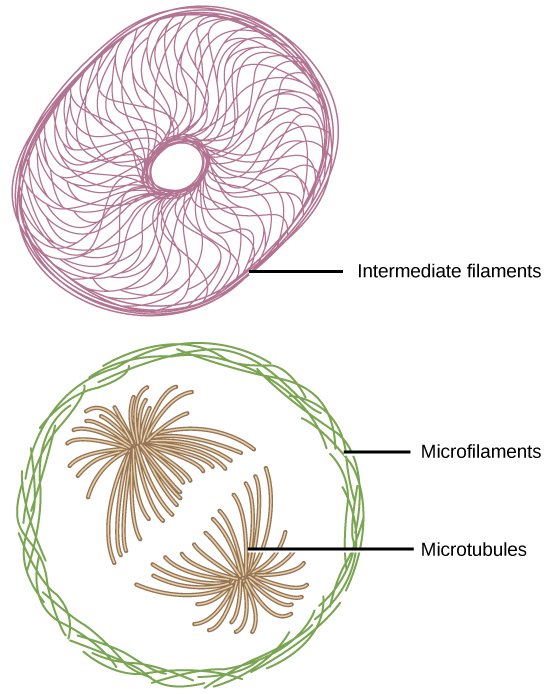
- The cytoskeleton is a network of three kinds of fibres, called actin filaments, intermediate filaments, and microtubules
- The cytoskeleton gives the cell it's shape, organizes the location of organelles, and allows for transport of cellular components throughout the cytoplasm
- The three fibres can be assembled and disassembled by adding or removing the protein building blocks that they're made of
0:00 / 0:00
Ribosomes
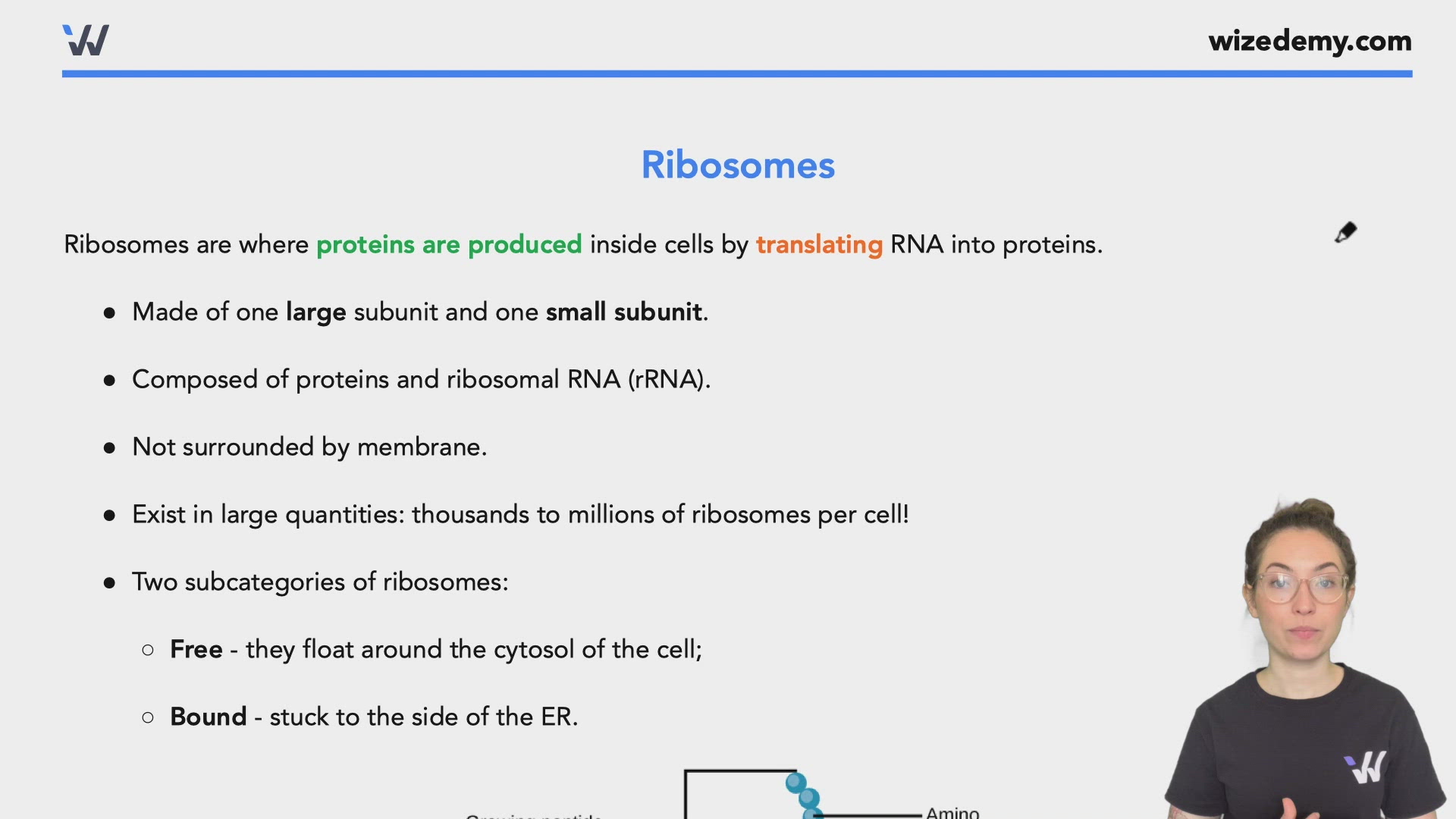
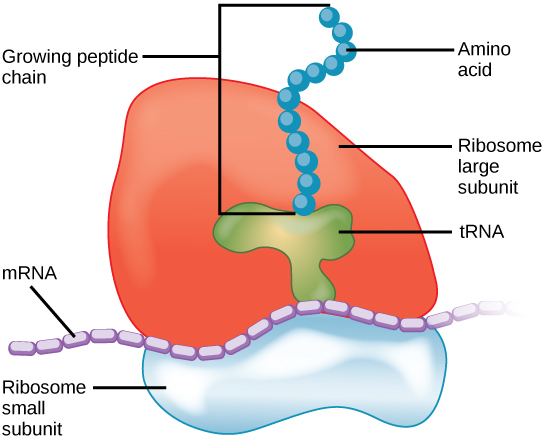
Ribosomes are where proteins are produced inside cells by translating RNA into proteins.
- Made of one large subunit and one small subunit.
- Composed of proteins and ribosomal RNA (rRNA).
- Not surrounded by membrane.
- Exist in large quantities: thousands to millions of ribosomes per cell!
- Two subcategories of ribosomes:
- Free - they float around the cytosol of the cell;
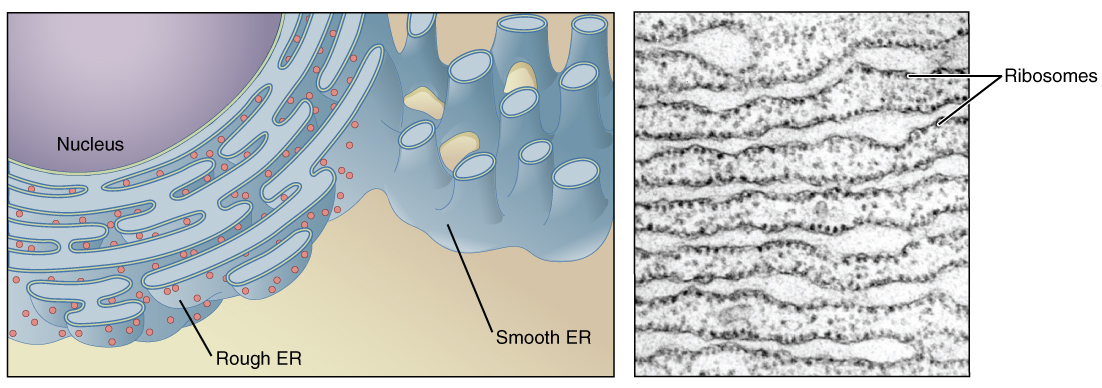
- Bound - stuck to the side of the ER.
Wize Tip
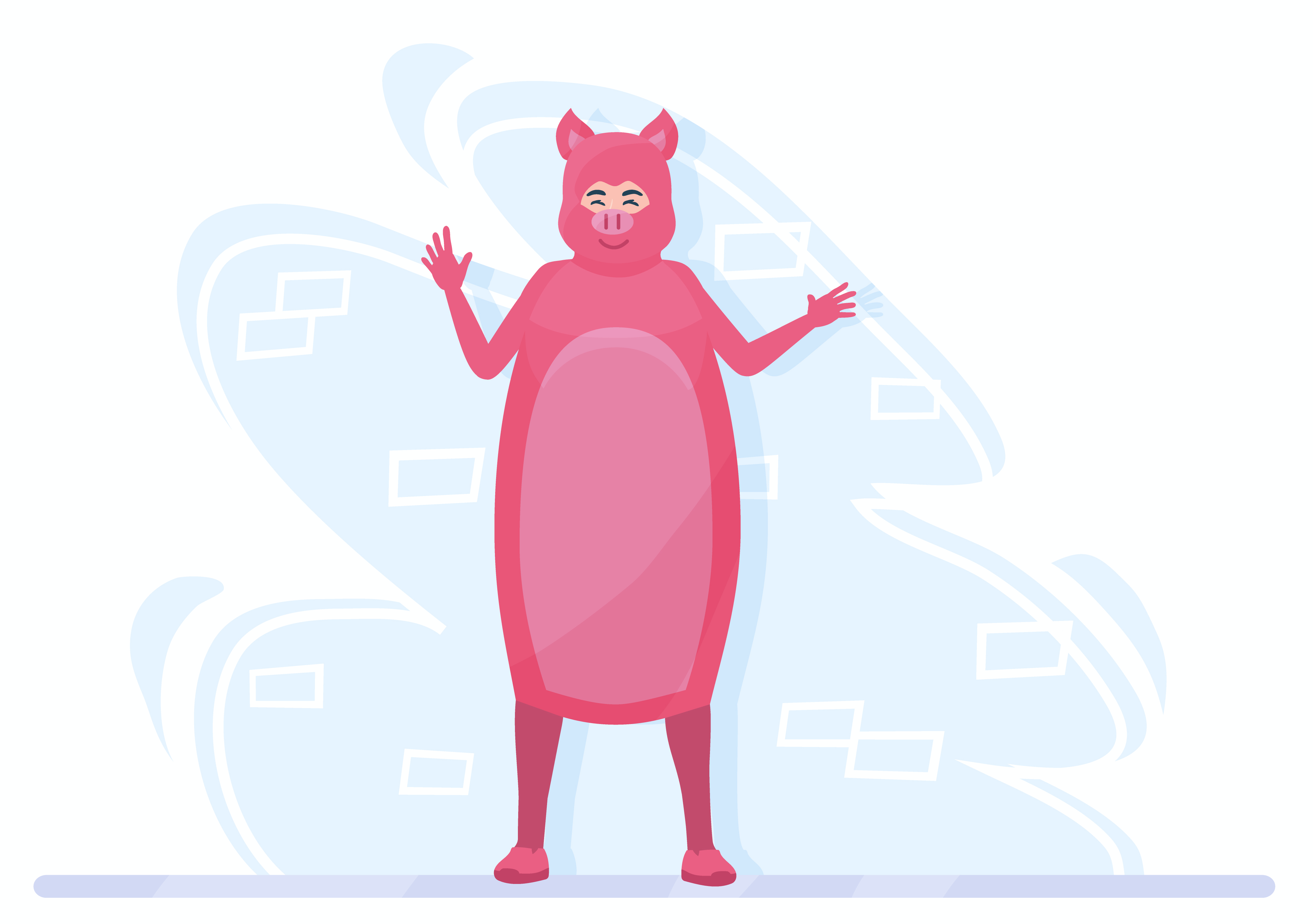
Remember the ribosome as Ribs-osome! (Ribs = pork = protein!)

0:00 / 0:00
The Endoplasmic Reticulum
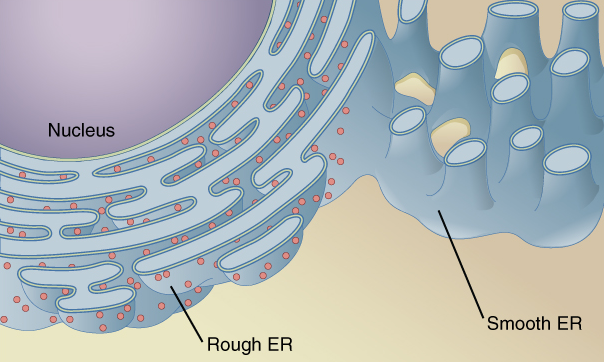
The endoplasmic reticulum (ER) is a network of connected membrane-bound compartments that moves materials through the cytoplasm.
The Rough ER
- Appears "rough" or bumpy under the microscope because it has many ribosomes attached to its surface
- The proteins produced by these ribosomes are transported into the ER
- Within the rough and smooth ER, the proteins are modified, processed, and transported to the golgi apparatus
The Smooth ER
- No ribosomes attached to its surface
- Site of phospholipid and fat production
0:00 / 0:00
The Golgi Apparatus
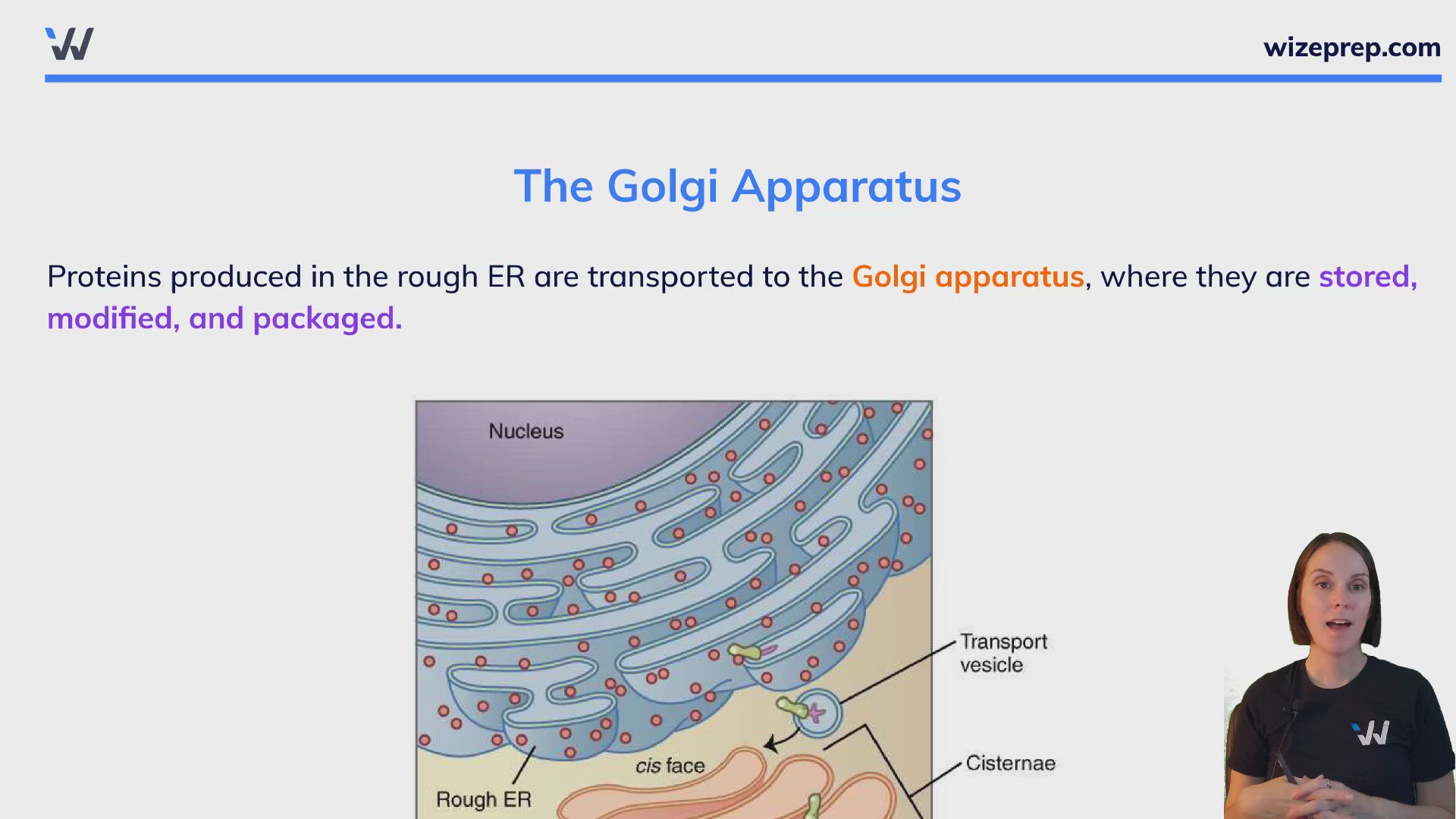
Proteins produced in the rough ER are transported to the Golgi apparatus, where they are stored, modified, and packaged.
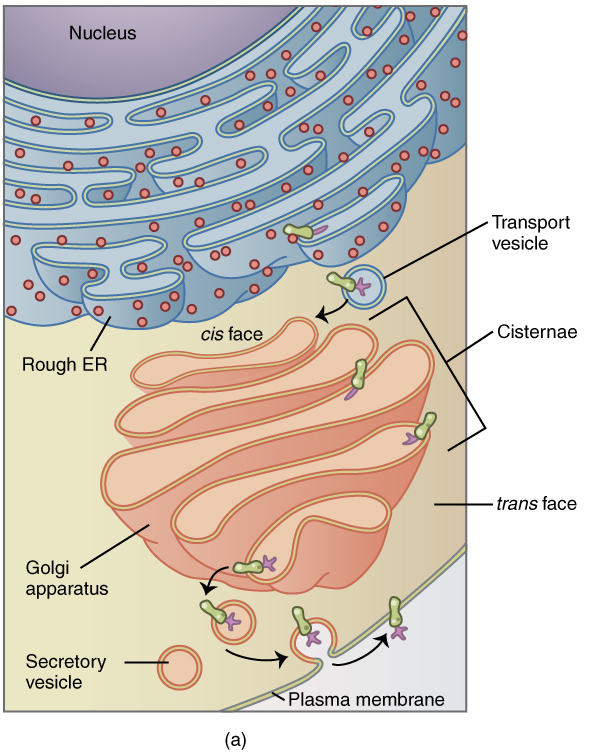
- The Golgi Apparatus is a stack of flattened membrane-bound discs
- At the end of the Golgi Apparatus, blobs of membrane "pinch off" to form protein-filled sacs called vesicles
- Vesicles bring their contents to the plasma membrane, where they fuse with it and release their contents outside the cell
- This process is called exocytosis

0:00 / 0:00
Mitochondria and Chloroplasts
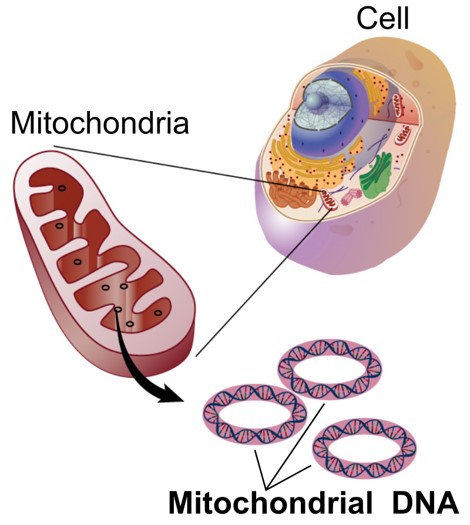
Organelles which are capable of growing and dividing (independent of the host cell) and contain their own DNA. These are called semi-autonomous organelles; there are two types:
- The mitochondria
- The chloroplast
Mitochondria
- Found in all eukaryotic cells.
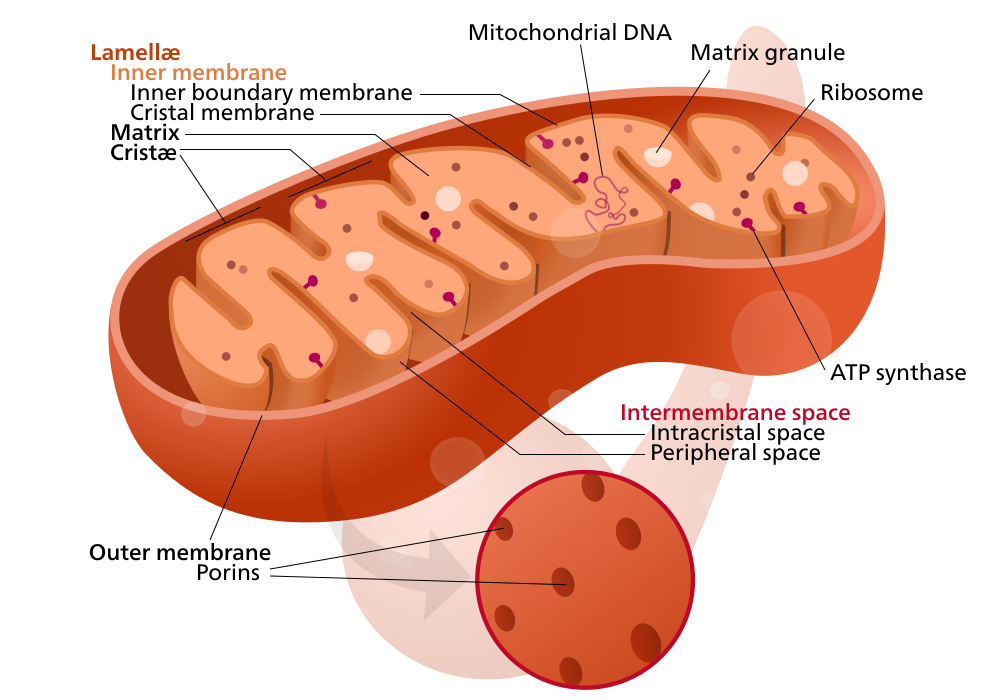
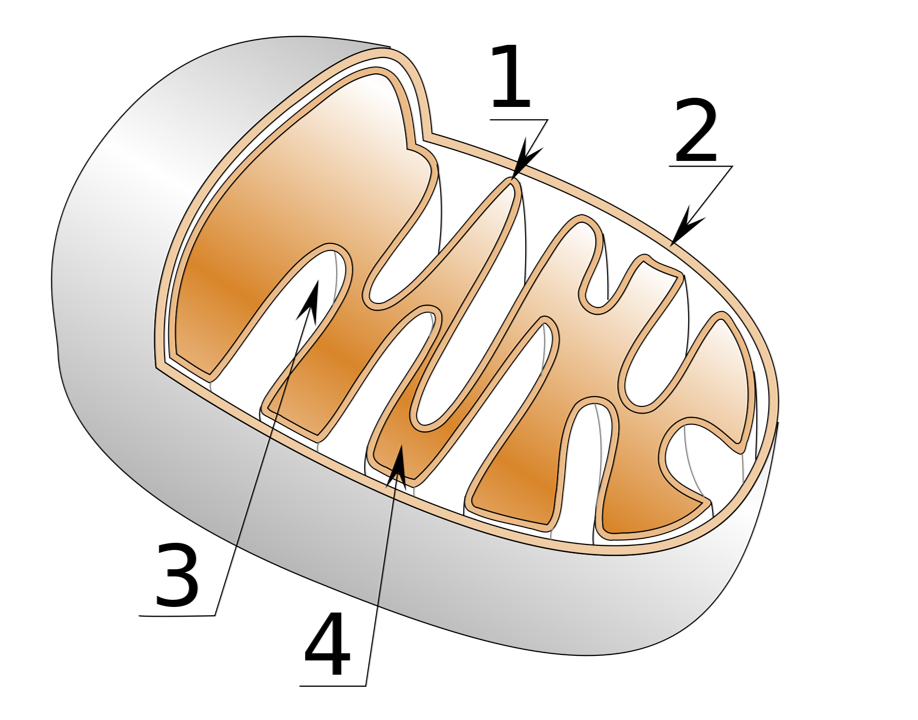
- Surrounded by a double membrane with the intermembrane space between them.
- The inner membrane has a large surface area due to the presence of membrane folds called cristae.
- The inner membrane is the location of the electron transport chain which synthesizes ATP for the cell.
- The inner compartment is called the matrix.
Wize Tip
Remember the mitochondria as Mighty-ochondria!
- Has its own circular DNA.
- Produces energy for the cells.
- Has two layers of membranes, one of them with many folds.
Chloroplast
- Found in photosynthetic eukaryotic cells (e.g. plants).
- Surrounded by a double membrane.
- The inner compartment is called the stroma.
- In the stroma, there are stacks of membrane-bound disks called thylakoids;
- A stack of thylakoids is called a granum (grana is plural);
- Inside the thylakoid is the thylakoid lumen;
- The thylakoid membrane contains the photosynthetic machinery required for harvesting energy from the sun.
- CO2 fixation and sugar production occurs in the stroma.

0:00 / 0:00
Lysosomes
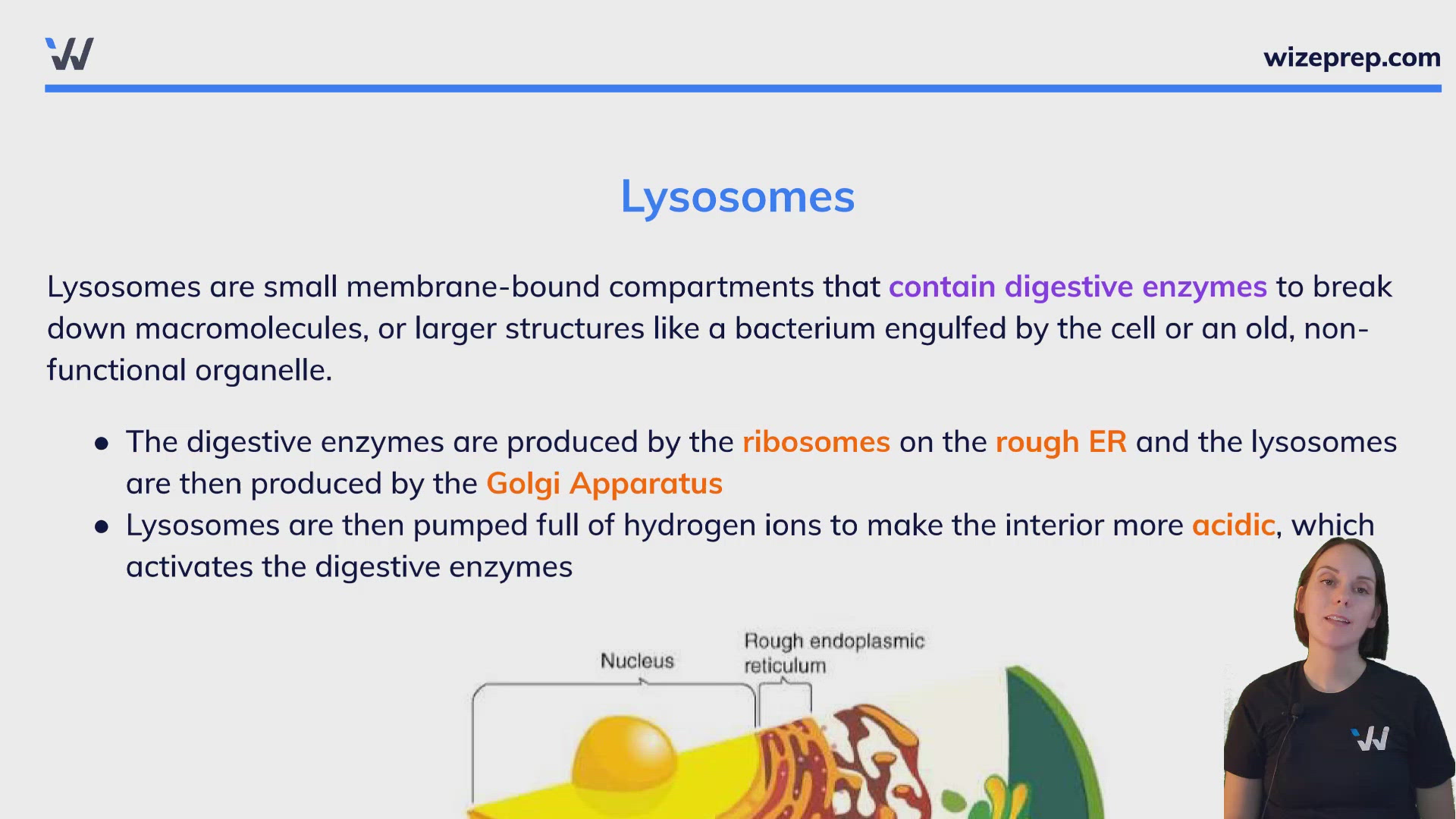
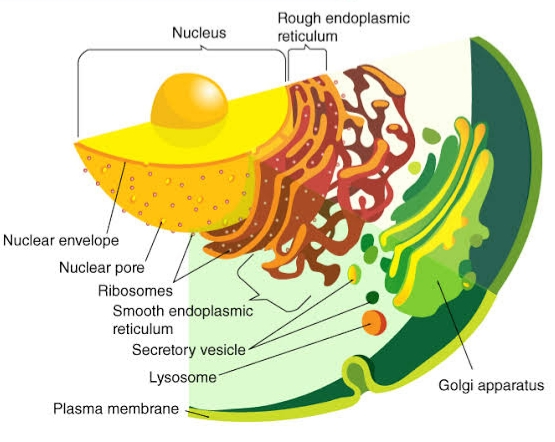
Lysosomes are small membrane-bound compartments that contain digestive enzymes to break down macromolecules, or larger structures like a bacterium engulfed by the cell or an old, non-functional organelle.
- The digestive enzymes are produced by the ribosomes on the rough ER and the lysosomes are then produced by the Golgi Apparatus
- Lysosomes are then pumped full of hydrogen ions to make the interior more acidic, which activates the digestive enzymes
Endocytosis
- Material from outside the cell is engulfed through endocytosis, and is contained within a separate membrane-bound compartment called an endosome
- The lysosome then fuses with the endosome, allowing the digestive enzymes to break down the material
- The materials from the breakdown of these structures are recycled and used as building blocks for the construction of new cellular components and organelles
0:00 / 0:00
Cells That Move
Flagella
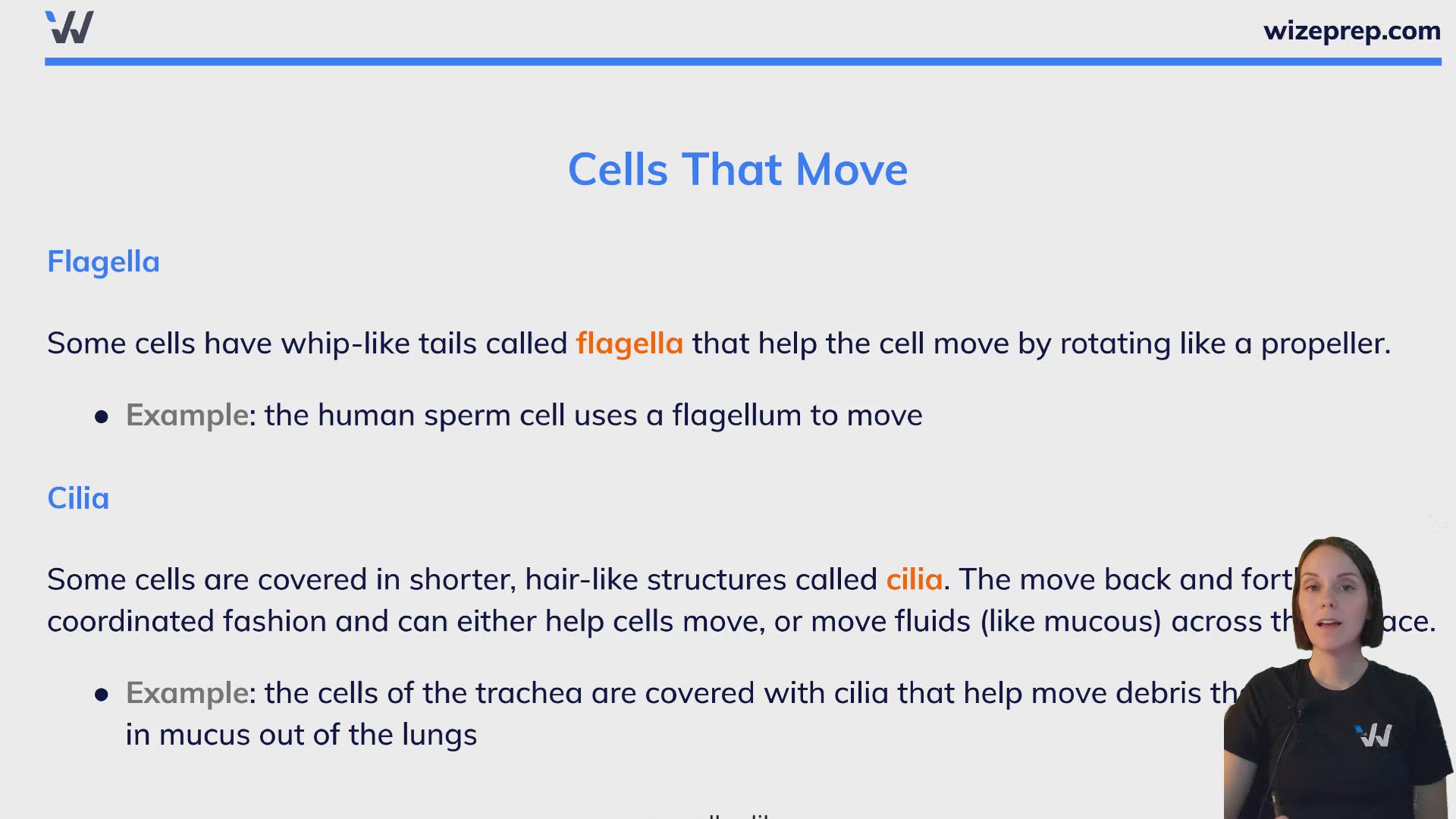
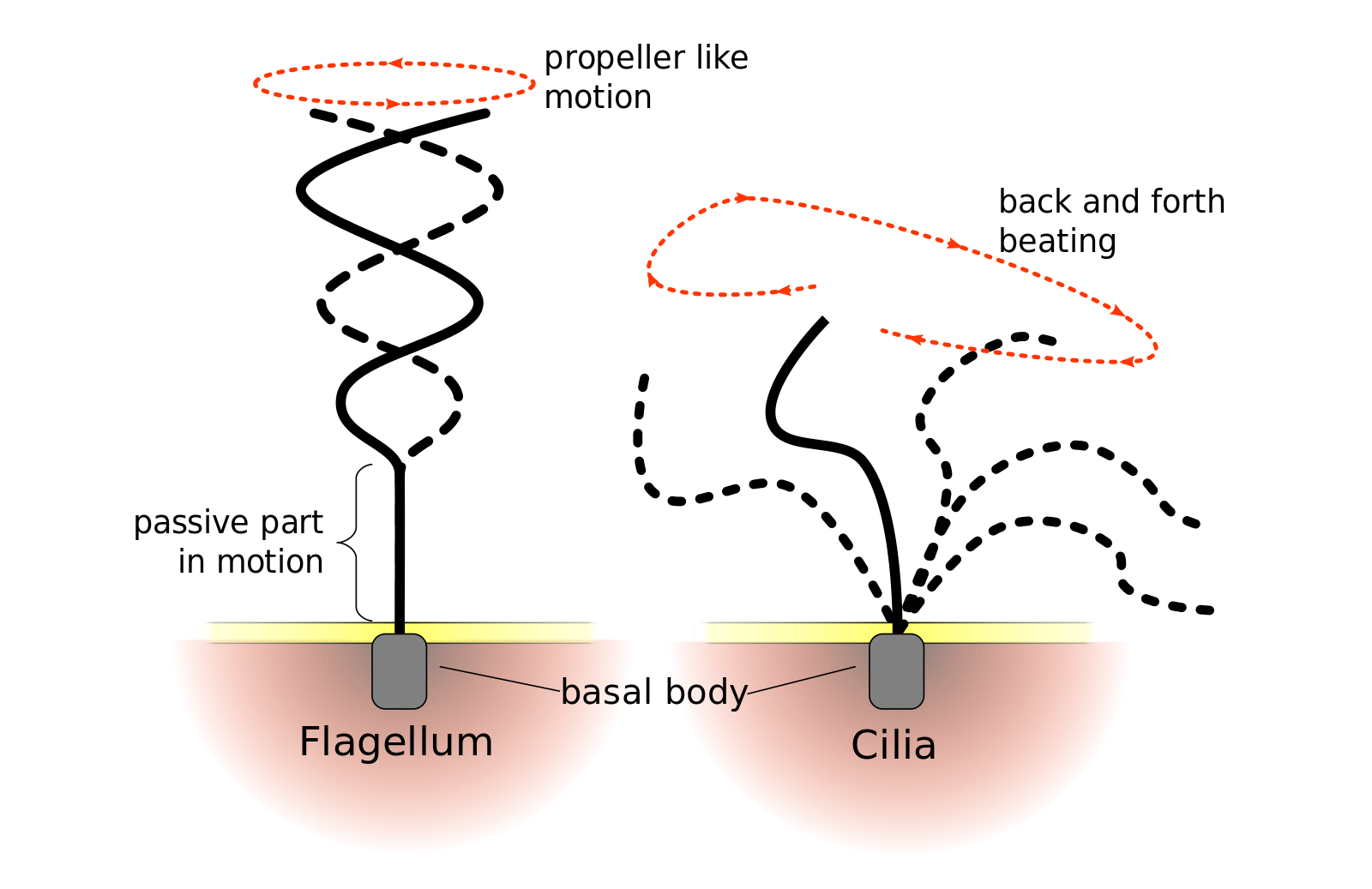
Some cells have whip-like tails called flagella that help the cell move by rotating like a propeller.
- Example: the human sperm cell uses a flagellum to move
Cilia
Some cells are covered in shorter, hair-like structures called cilia. The move back and forth in a coordinated fashion and can either help cells move, or move fluids (like mucous) across the surface.
- Example: the cells of the trachea are covered with cilia that help move debris that gets stuck in mucus out of the lungs
0:00 / 0:00
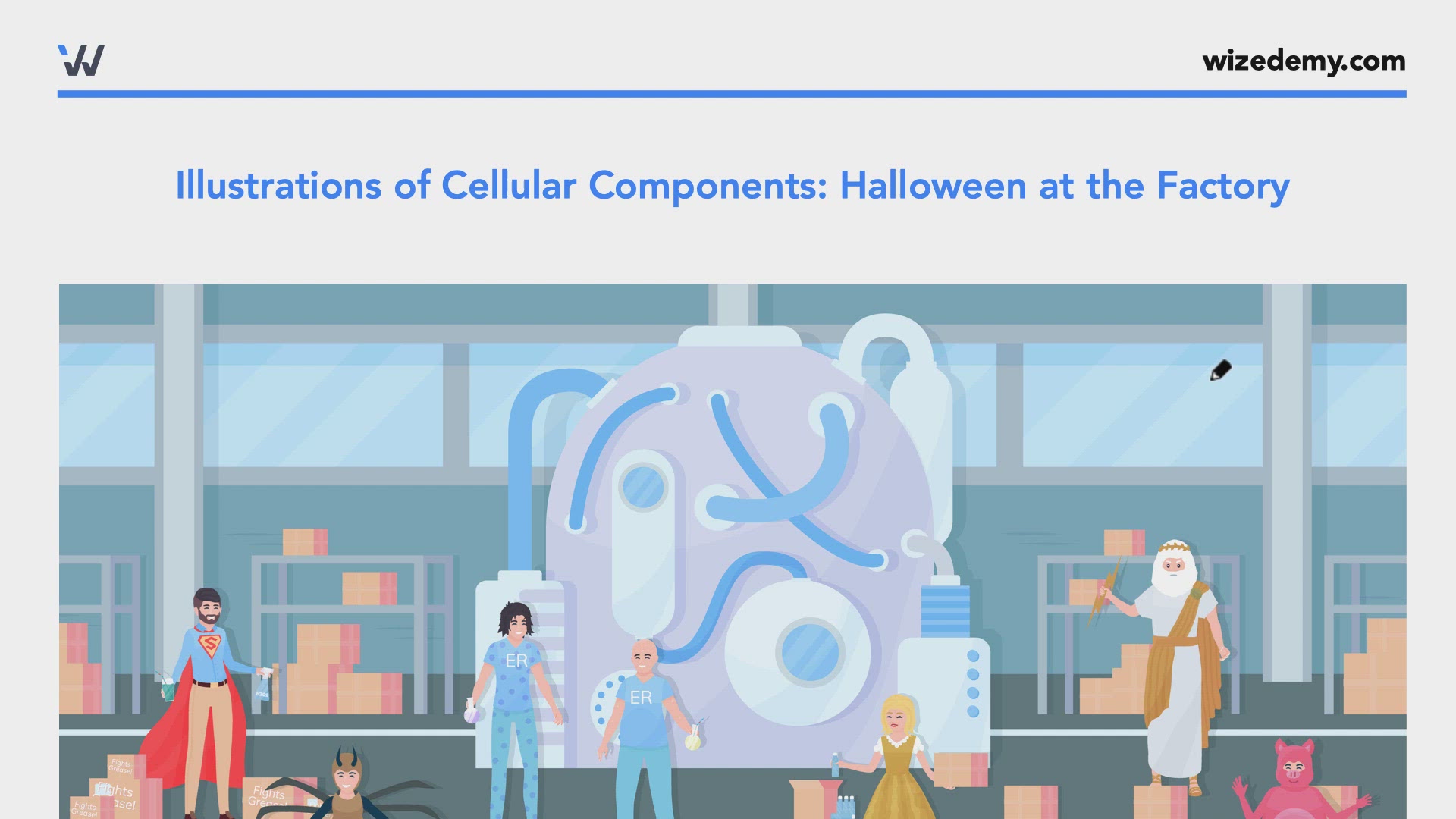
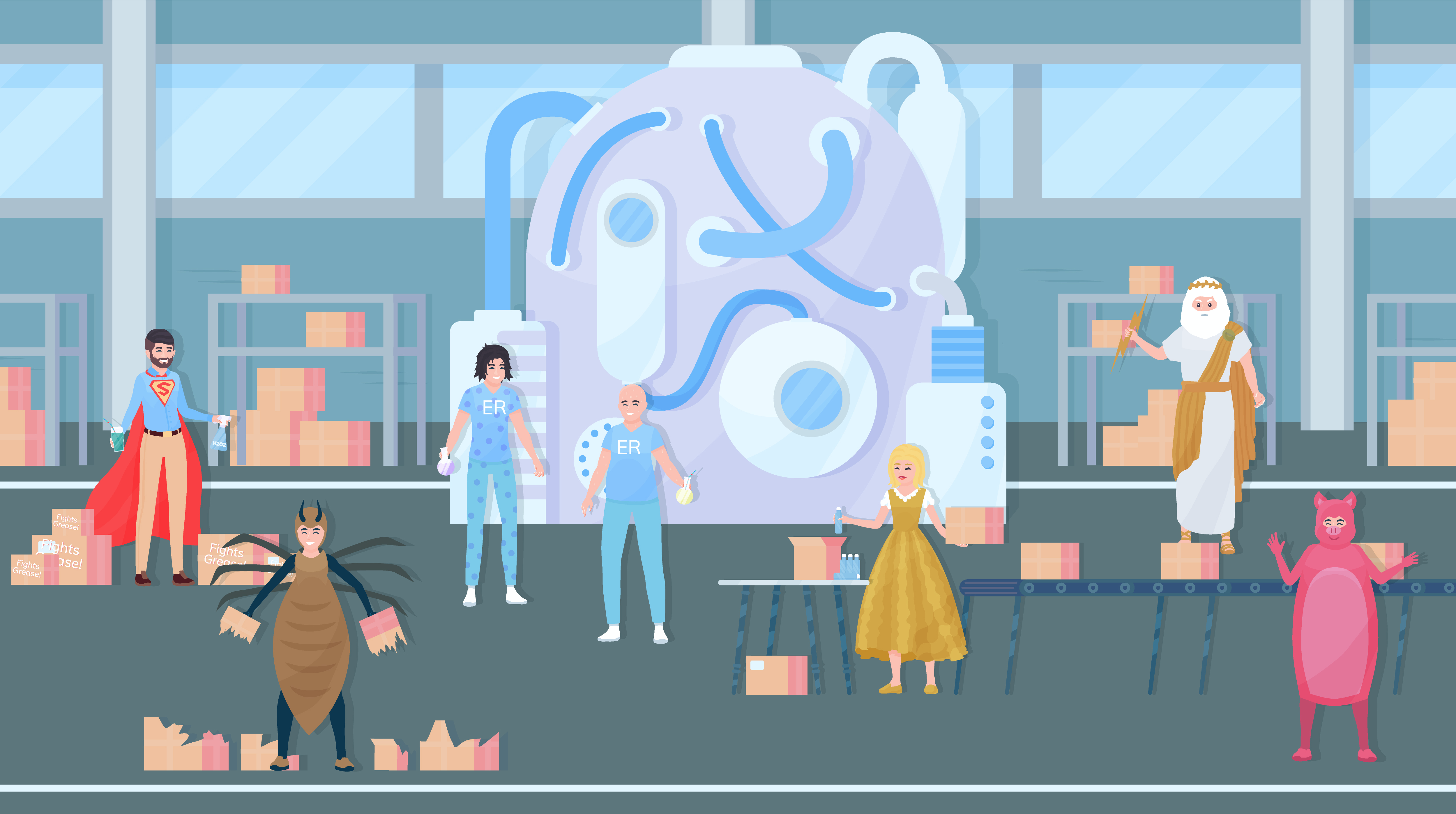
Illustrations of Cellular Components: Halloween at the Factory
0:00 / 0:00
Plant versus Animal Cells
Both plant and animal cells are eukaryotic. However, they have some key differences:
- Plant cells have chloroplasts, in addition to mitochondria.
- They contain a green pigment called chlorophyll that captures light.
- Plant cells have a cell wall:
- Provides rigidity, shape and protection;
- Composed of cellulose: a polysaccharide made up of glucose monomers.
- Only animal cells have lysosomes.
- This is where digestive processes occur;
- The plant cell equivalent is the vacuole.

Vacuoles
We have three main types of vacuoles:
- Central vacuole
- Food vacuole
- Contractile vacuole
Their different roles are:
- Central vacuole: large, occupies most of the volume of mature plant and many fungal cells.
- Maintains proper pressure to support growing plants;
- Performs hydrolytic functions, stores wastes, toxins etc.
- Food vacuoles: contain phagocytosed food.
- Contractile vacuoles: present only in protists/algae, expels water out of cell.

0:00 / 0:00
Cell Fractionation
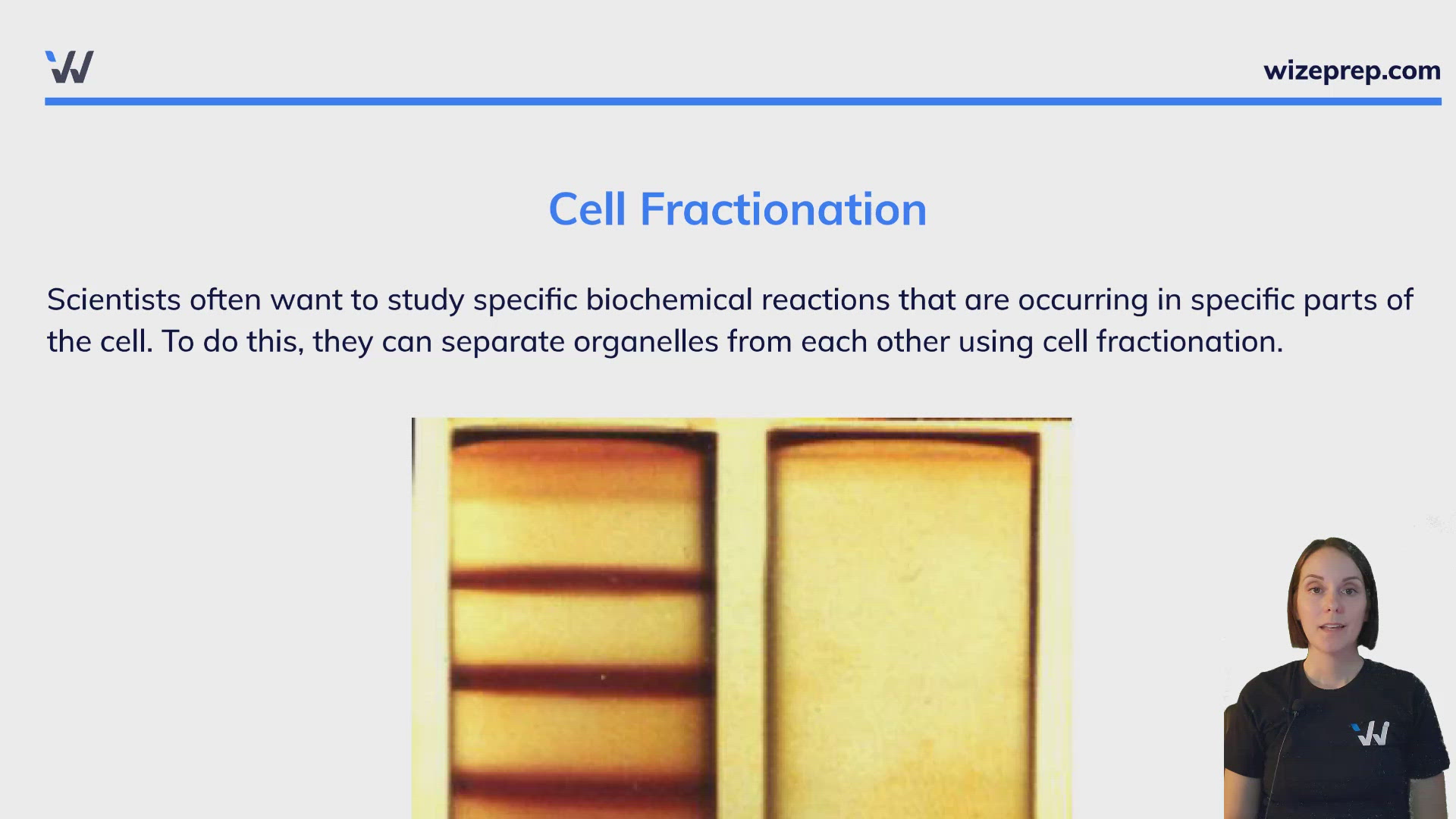
Scientists often want to study specific biochemical reactions that are occurring in specific parts of the cell. To do this, they can separate organelles from each other using cell fractionation.
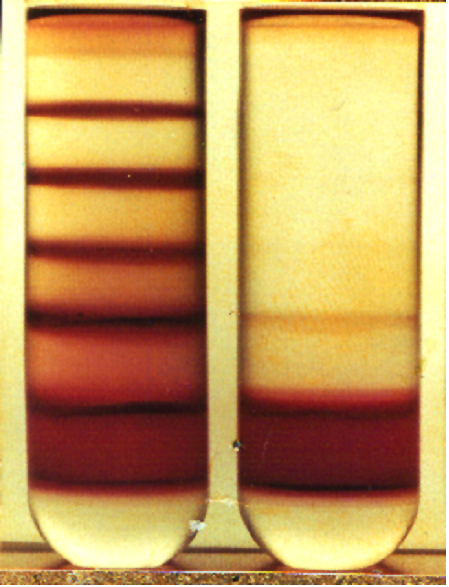
- Cells are broken open
- They are placed in a tube and spun in a centrifuge
- The high rotation of the centrifuge causes heavier structures to move towards the bottom of the tube, while lighter structures remain suspended at the top of the tube
- After the centrifugation is complete, the cellular components will be separated based on their density
- The chemical reactions within each layer can then be studied separately
Practice: Chloroplast
What is the arrow labelled "A" pointing to?

Practice: Mitochondria
What is arrow #4 pointing to?
Practice: Organelles with Membranes
Which of the following organelles have more than one membrane?
Practice: Plant Cells Only
Check all that are most commonly found in plant cells: