0:00 / 0:00
Community Ecology
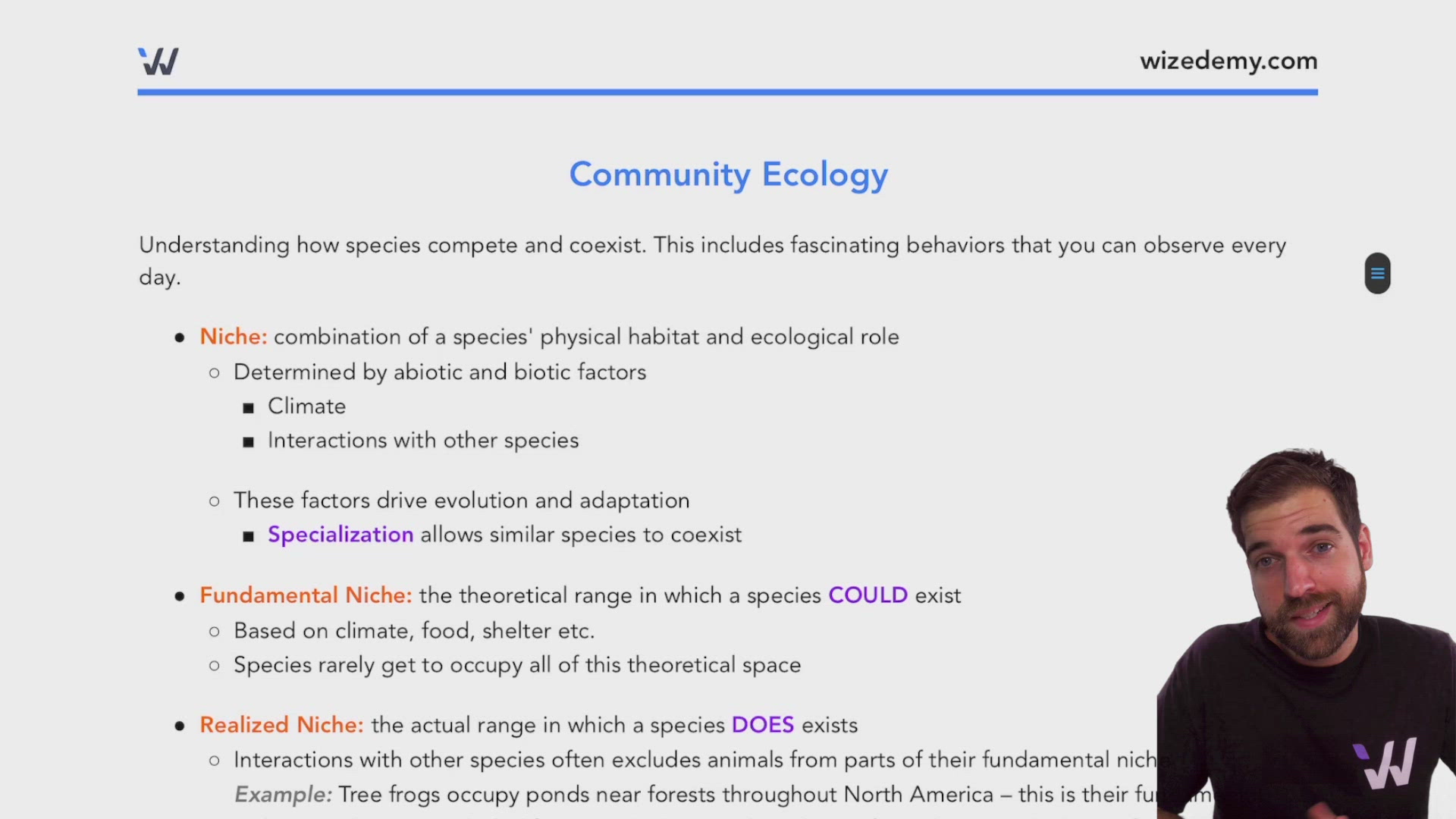
Understanding how species compete and coexist. This includes fascinating behaviors that you can observe every day.
- Niche: combination of a species' physical habitat and ecological role
- Determined by abiotic and biotic factors
- Climate
- Interactions with other species
- These factors drive evolution and adaptation
- Specialization allows similar species to coexist
- Fundamental Niche: the theoretical range in which a species COULD exist
- Based on climate, food, shelter etc.
- Species rarely get to occupy all of this theoretical space
- Realized Niche: the actual range in which a species DOES exists
- Interactions with other species often excludes animals from parts of their fundamental niche Example: Tree frogs occupy ponds near forests throughout North America – this is their fundamental niche. But they are excluded from ponds that also have larger frogs, because the larger frogs out-compete the tree frogs for food. The tree frog's realized niche is therefore ponds without larger frogs
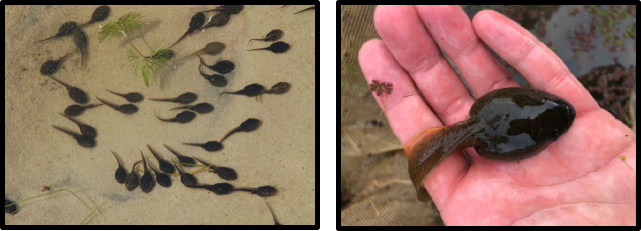
- Competition can shape species niches
- Competition: when two species compete for the same resource
- A lose-lose situation, neither benefit
- Intraspecific Competition: competition between individuals of the SAME species
- Interspecific Competition: competition between individuals of DIFFERENT species

- Competitive Exclusion: when interspecific competition is so great that one species completely excludes the other
- Reduces the losers realized niche
- If the loser tried to stay in the area, it may go extinct due to competition Example: foxes will avoid areas where there are a lot of coyotes because both species waste energy when the two compete with each other for resources.
- Resource Partitioning: species evolve differences in traits to reduce competition
- Also called niche differentiation
- Occurs over time when competition between species is costly
- Species will diverge in their traits to reduce competition
- Can lead to new species Examples: Habitat use, feeding strategies, activity times etc...

Mark Yourself Question
- Grab a piece of paper and try this problem yourself.
- When you're done, check the "I have answered this question" box below.
- View the solution and report whether you got it right or wrong.
Practice: Community Ecology
Two closely related species of woodpeckers live in Canada. The black variety lives in coniferous forests while the yellow variety in deciduous forests. In the United States however, the black woodpecker is not present and the yellow variety occupies both deciduous and coniferous forests. What does this say about the yellow woodpeckers niche in Canada?
Species Interaction Cheatsheet
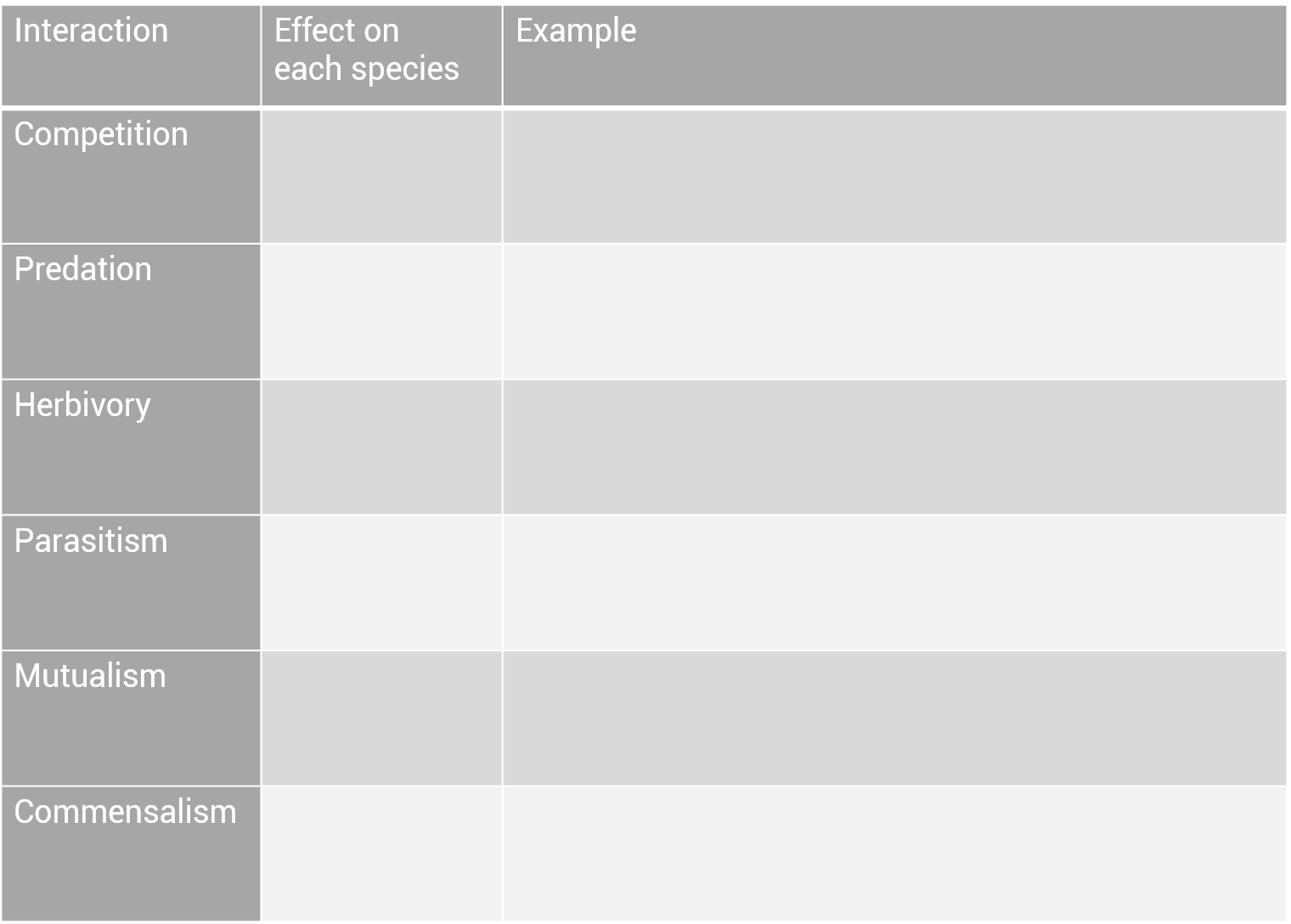
Fill in the following Cheatsheet during the "Species Interactions" video to have a go-to list of different species interactions and an example of each.
0:00 / 0:00
Species Interactions
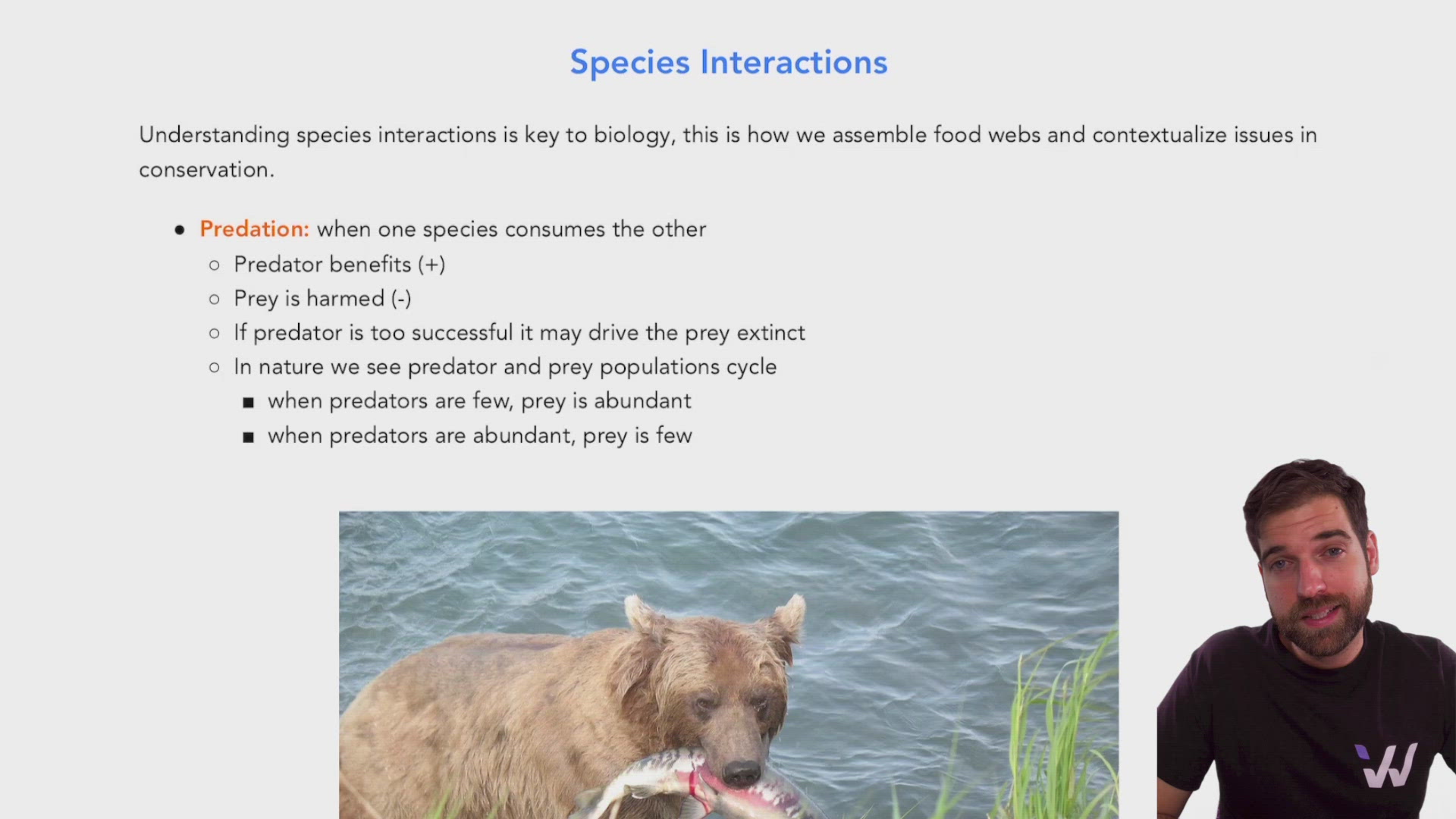
Understanding species interactions is key to biology; this is how we assemble food webs and contextualize issues in conservation.
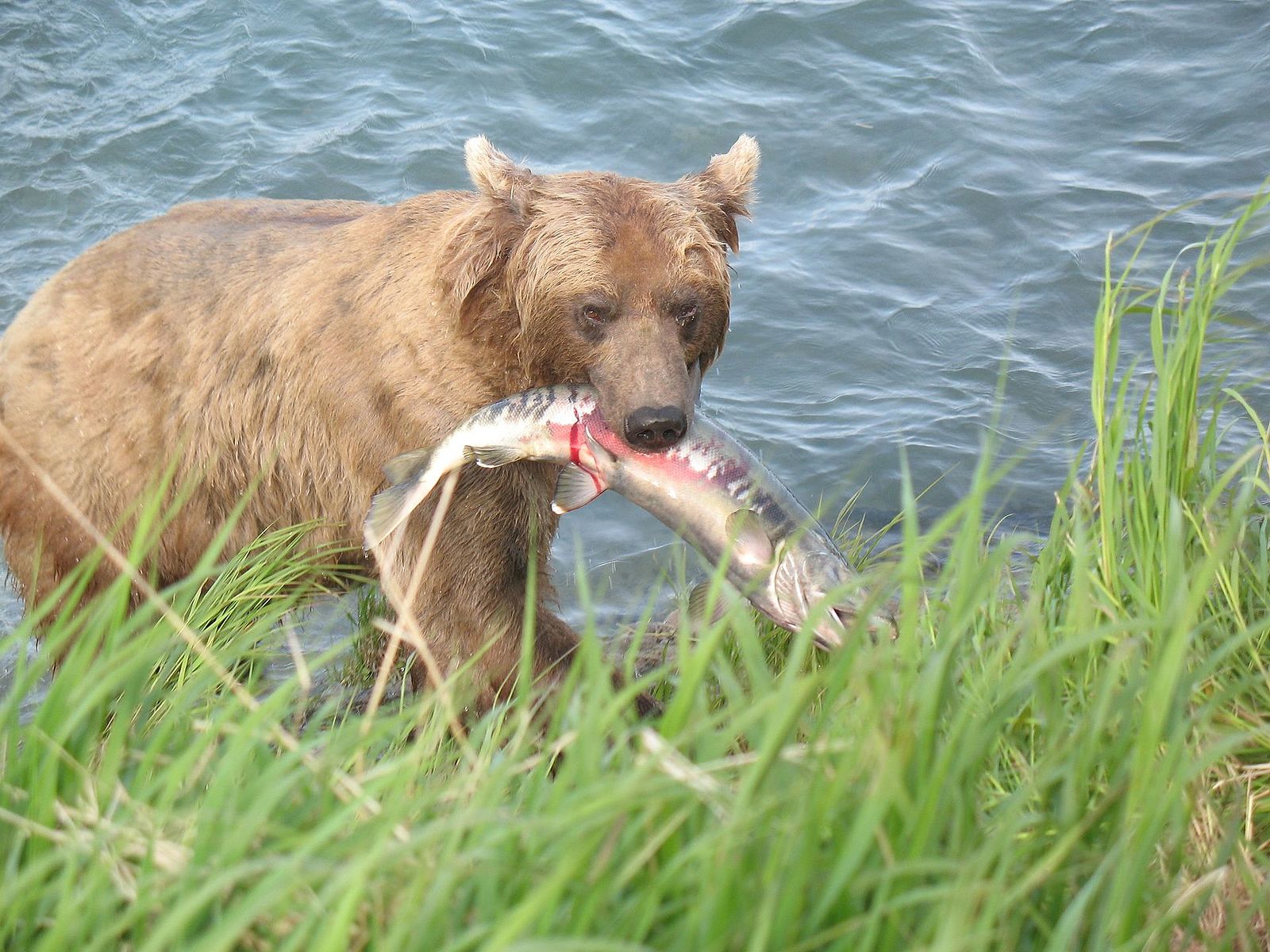
- Predation: when one species consumes the other
- Predator benefits (+)
- Prey is harmed (-)
- If predator is too successful it may drive the prey extinct
- In nature we see predator and prey populations cycle
- when predators are few, prey is abundant
- when predators are abundant, prey is few
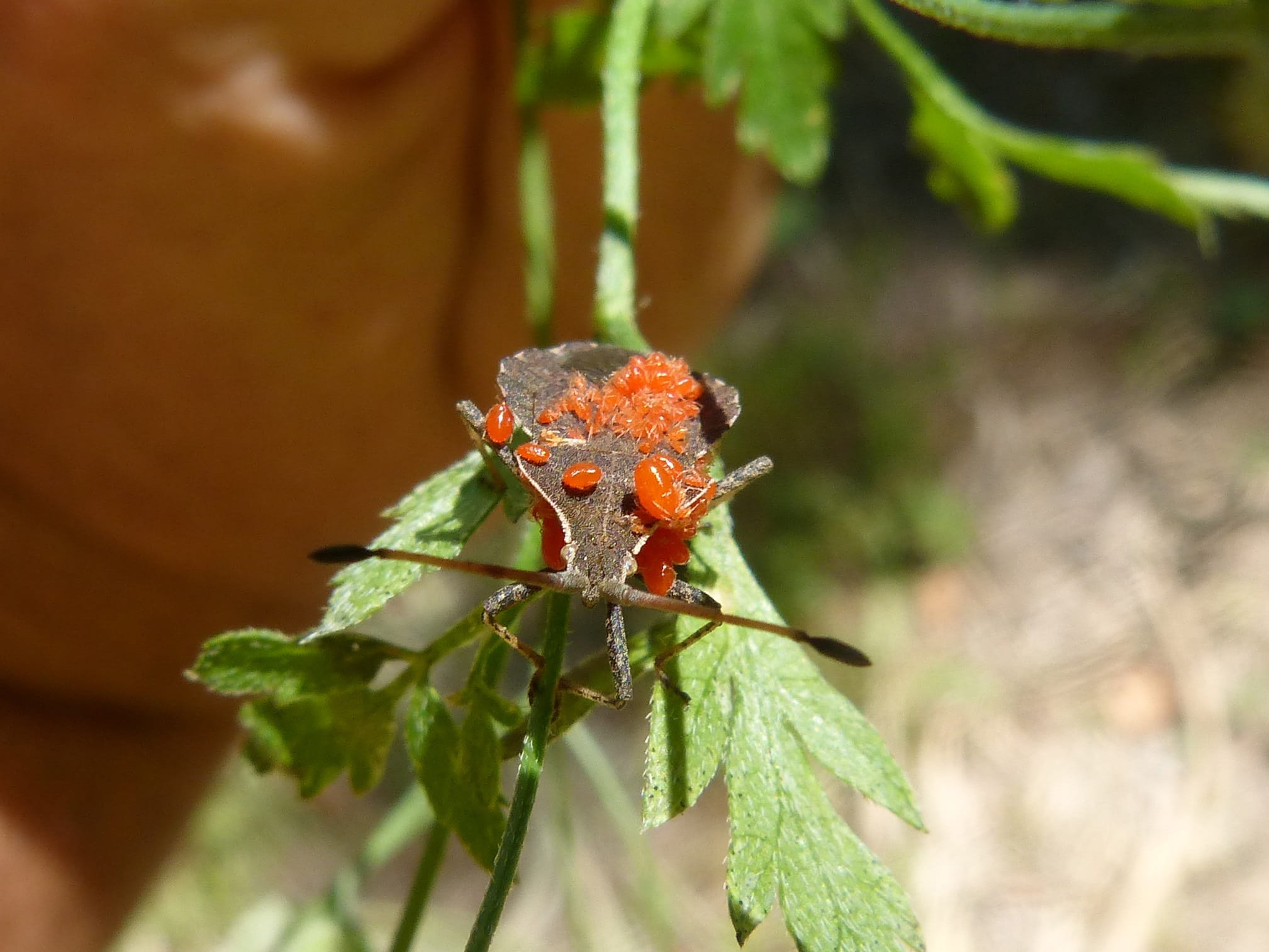
- Parasites: One species lives on / in another species gaining nutrition directly from their tissues
- Parasite benefits (+)
- Host is harmed (-)
- Typically does not kill host
- Lower host's fitness
- Reduces host population size
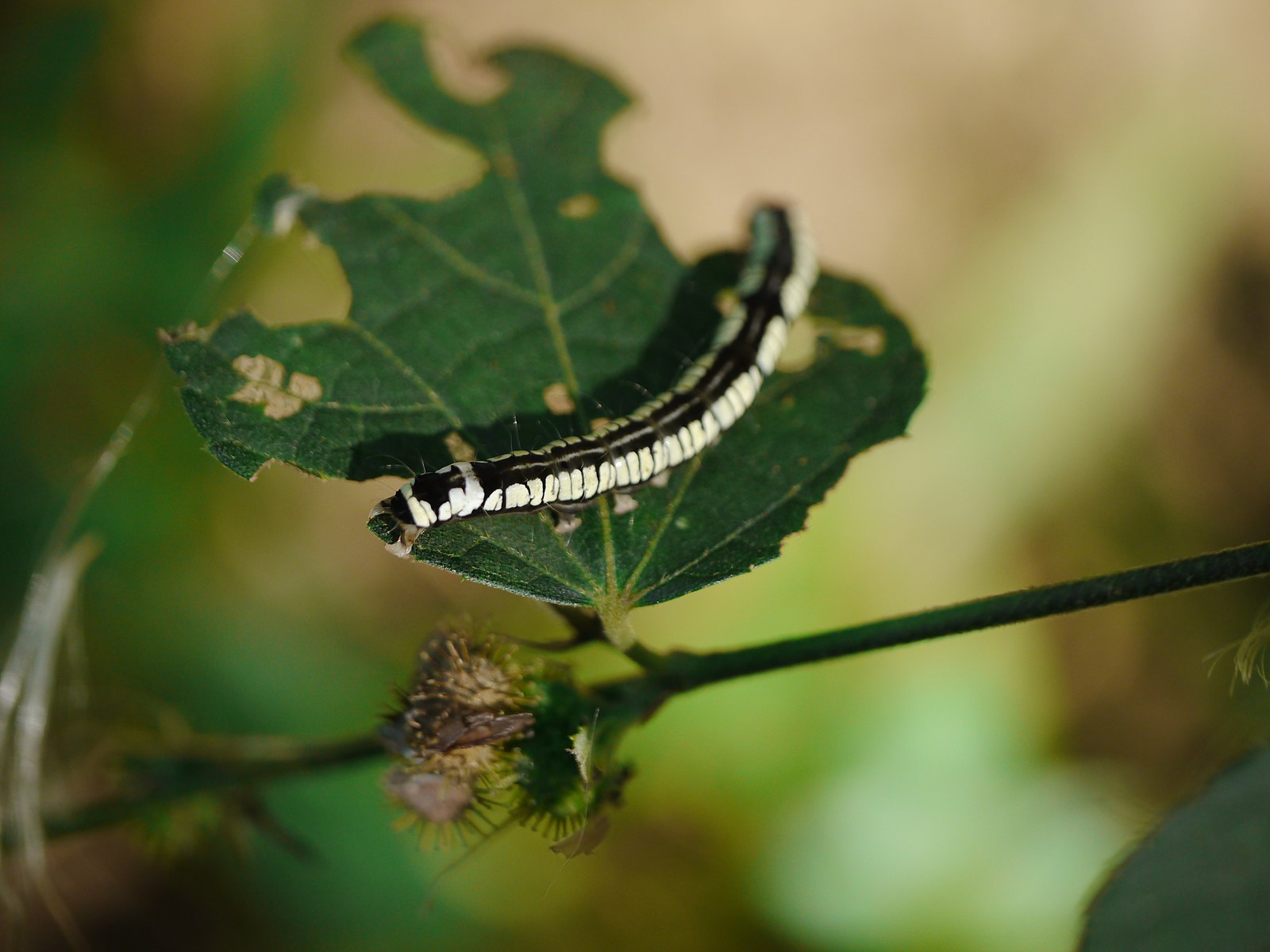
- Herbivory: the consumption of plants
- Herbivore benefits (+)
- Plant is harmed (-)
- Facilitation: occurs when two species prey on a third species
- Two cooperating species benefit (+)
- Prey is harmed (-) Example: fungi and beetles attack pine trees, and the two species help each other in this attack. The beetles facilitate the fungi by providing an entry into the tree through the tunnels they create. Fungi help the beetles by lowering the tree's defenses.
- Mutualism: when both species benefit from the interaction
- Both species benefit (+) Example: Nitrogen-fixing bacteria in plant root nodules. The bacteria are naturally found in the soil and are attracted to the root nodules. The bacteria provide the plant with nitrogen, and the plant provides the bacteria with nutrients and a stable environment. The plant actually forms the nodules in response to the bacteria. The cost to the plant of producing the root nodules is out-weighed by the benefit of receiving nitrogen.
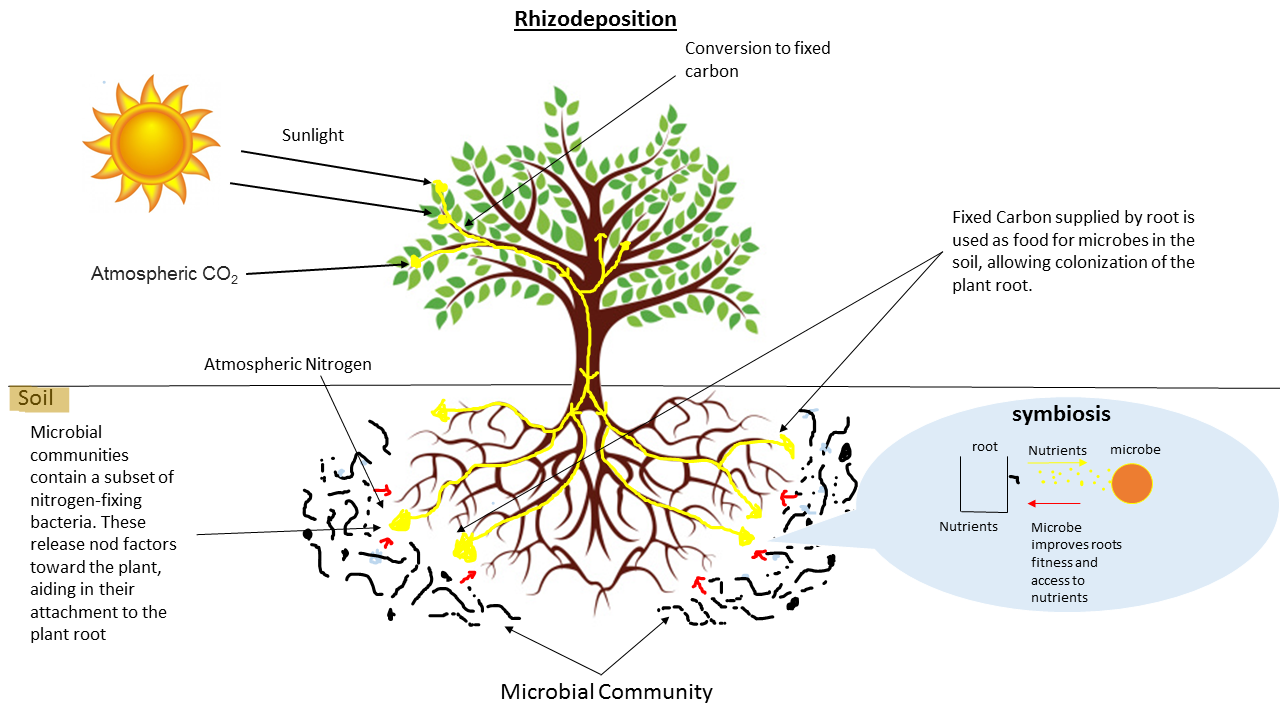
- Symbiosis: when two mutualists completely depend on eachother
- Evolves over time when mutualism is very beneficial Example: Aphids and their gut bacteria. The aphids provide a stable environment and nutrients for the bacteria. Aphids feed on plant sap, which is low in nutrients. The bacteria provide the aphids with essential amino acids they would not be able to acquire from plant sap
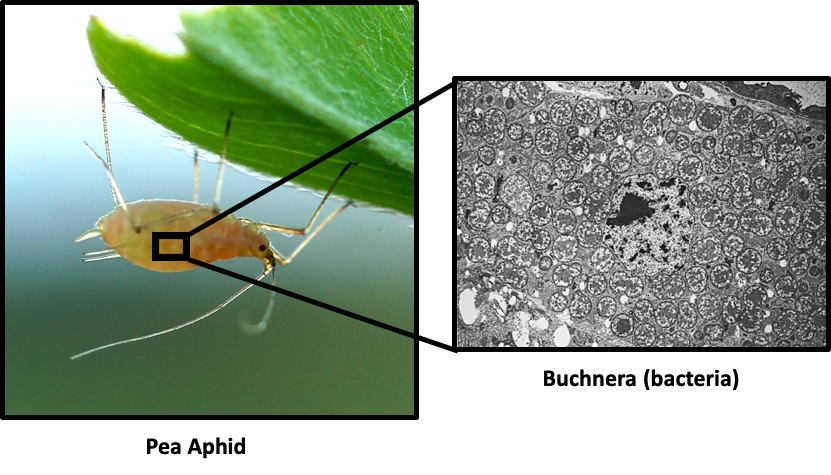
- Obligate mutualism: when one or both species cannot survive without the other. Example: The aphid example above is obligate mutualism. The bacteria cannot live outside of the aphid, and the aphid cannot live without the nutrients provided by the bacteria.
- Facultative mutualism: when one or both species can survive without the other if needed. Example: Midges pollinate cacao plants. The midge can survive without the cacao plant because it can feed off of other plants, so for the midge, the relationship is facultative. But the cacao plant is not pollinated by any other insect, so it cannot live without the midge. So for the plant, the relationship is obligate.
- Commensalism: one species benefits, the other is unaffected
- One species benefits (+)
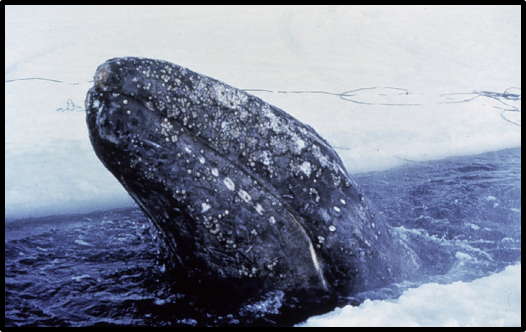
- The other species is neutral (0) Example: Grey whales are often covered with barnacles. The barnacles benefit because they get a surface to attach to and access to nutrient-rich waters, but the barnacles do not seem to affect the whales at all
Practice: Species Interactions
Lichen attaches to trees and slowly breaks them down in order to obtain nutrients to increase their fitness. This is an example of what type of relationship?
a) Predatory
b) Mutualism
c) Parasitism
d) Decomposition
Practice: Species Interactions
The honey-guide is a bird in Africa that enjoys eating larval bees, however the bird cannot actually crack open the beehives itself. The Honey-guide signals to the Honey Badger and guides it to a beehive. The Honey Badger then cracks open the hive to eat the honey and leaves the larval bees for the honey-guide. What type of species interaction is this? (and yes this is real!)