Popular Courses
Biology
General Course
General Biology
University Study Guides
Grade 11 Biology
Ontario High School
DAT
General Course
Grade 11 Biology
Canada High School
BIO 1131
University of Ottawa
General Biology
University Study Guides
BIOL 108
University of Alberta
Biology 20
Alberta High School
BIOL 111
McGill University
BIOL 184
University of Victoria
BIOL 1201
Western University
Life Sciences 11
British Columbia High School
BIOL 1011
Dalhousie University
BIOL 1P91
Brock University
BLG 144
Toronto Metropolitan University
BIOL 331
University of Calgary
BIOL 1020
University of Manitoba
BIOA01H3
University of Toronto
BISC 102
Simon Fraser University
0:00 / 0:00
Overview of Fungi
Fungi are incredibly diverse and are essential for breaking down dead organisms to recycle nutrients back into the environment
- DNA shows Fungi are closely related to animals
- Ancestor likely aquatic, single cell protist
- Likely colonized land at the same time as plants
- Possible symbiotic relationship (mycorrhizal)
Basic Characters
- Chemoheterotrophs: Get energy from chemicals in environment
- Exoenzymes: enzymes outside of body,
- External digestion
- Break down large molecules to absorb
- Digest plant (cellulose / lignin) and animal (chitin / keratin) tissue
- Three types
- Decomposers: Break down and absorb non-living organics
- Parasites: Absorb living host nutrients
- Mutualists: Absorb nutrients from host, but also give back
- Chitin: strong and flexible, makes up cell walls
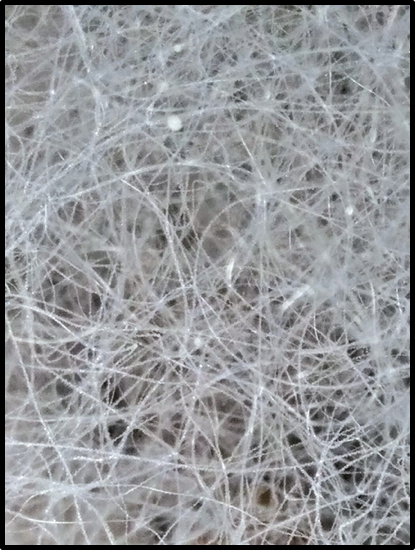
- Hyphae: network of tiny filaments that make up the mycelium
- Mycelium: Interwoven mass of fungal hyphae
- Makes up the bulk of fungi
- The visible, above ground mushroom is just the fruiting body and reproductive structures (like flowers of plants)
- Fruiting bodies produce spores
- Hyphae are filaments (string-like)
- High SA:V ratio (Surface Area to Volume)
- Increased enzyme secretion and food absorption
- Grows rapidly
- Only grows in length (doesn't get wider)
Fungal hyphae
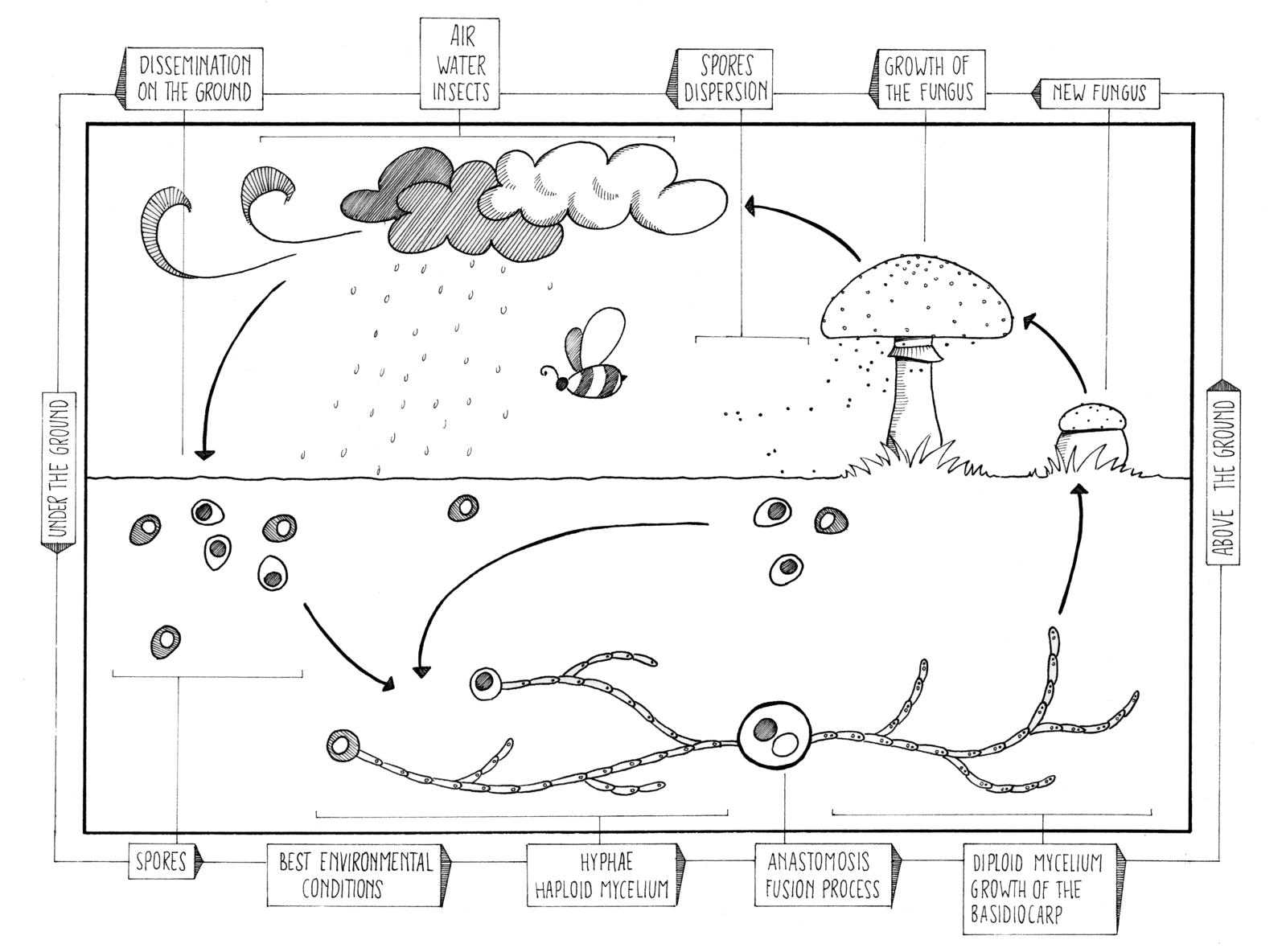
Fungal Reproduction
- Different from plants
- Undergoes Asexual or Sexual reproduction
- Spores: haploid (1N) and produce the hyphae
- Created through meiosis OR mitosis
- (plants use ONLY meiosis for spores)
- Some fungi can switch throughout their life
- Spores resistant to desiccation and aid in dispersal (like plants)
0:00 / 0:00
Diversity of Fungi
This is an incredibly diverse group that you are probably familiar with if you have ever had to throw out moldy food!
- Greek "myco-" = fungi
- Five phyla of fungi (say that five times fast!)
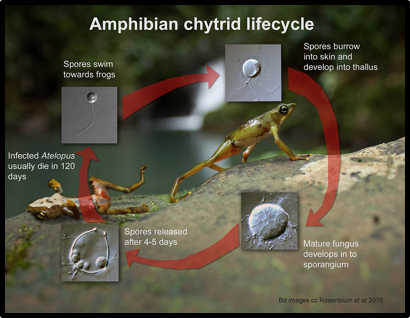
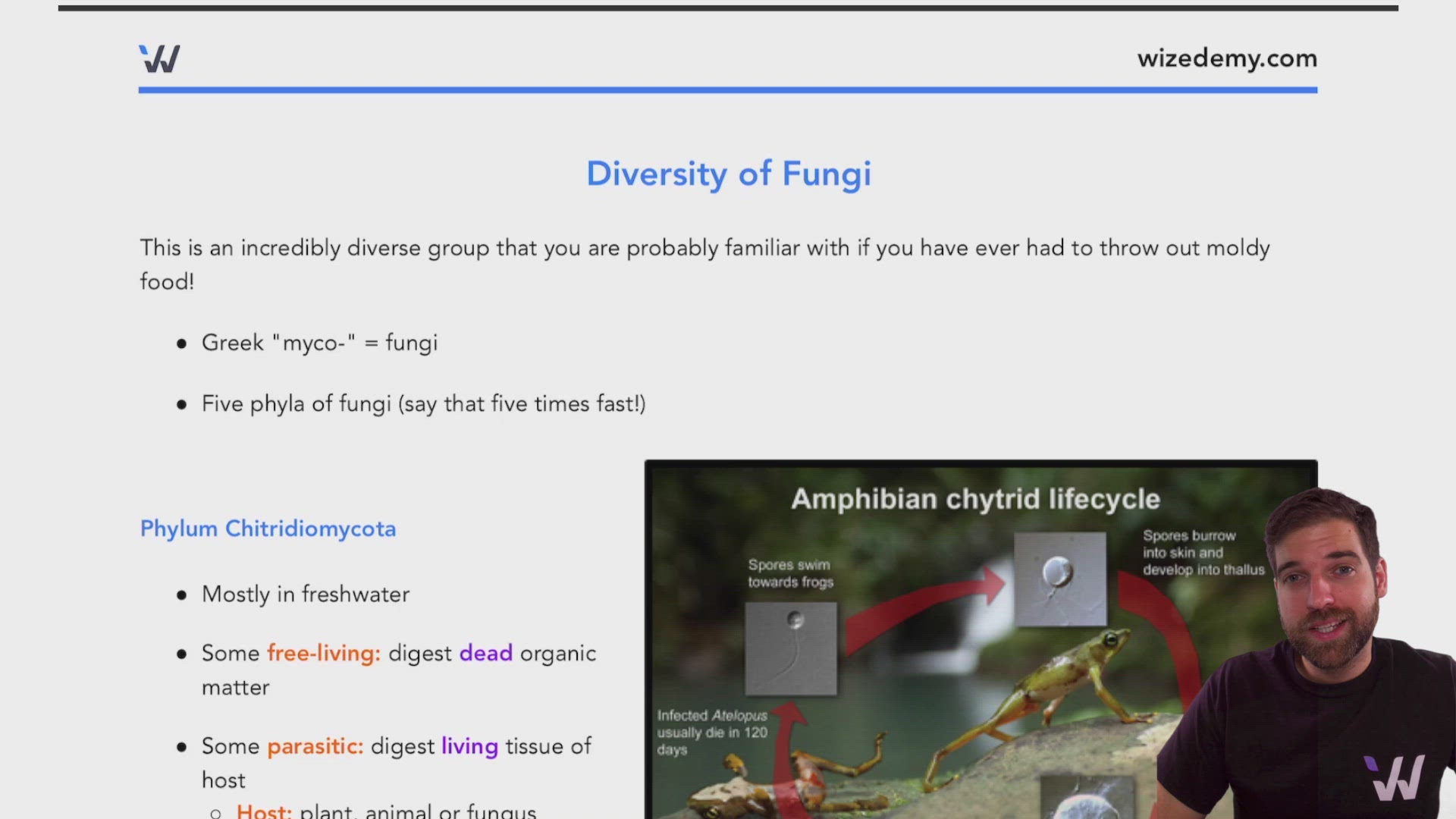
Phylum Chitridiomycota (Mastigomycota)
- Mostly in freshwater
- Some free-living: digest dead organic matter
- Some parasitic: digest living tissue of host
- Host: plant, animal or fungus
- Major cause of global amphibian decline
Phylum Zygomycota
- "Bread mold"
- Live in soil and dead organics
- Have few parasites or predators
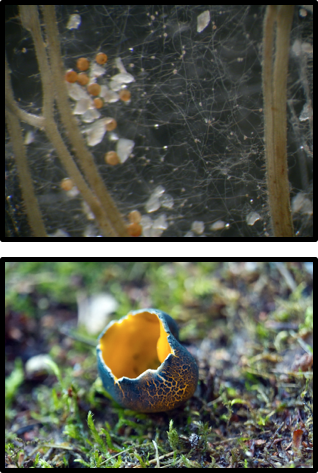
Phylum Glomeromycota
- Can think of as a "glob" of stuff
- All species symbiotic with plant roots
- 90% of plants interact with this phylum
- Mutualistic
- Supplies minerals and nutrients to roots
- Receives energy from photosynthesis
Phylum Ascomycota
- "Sac-fungi"
- Largest phylum
- size range from single celled yeast to large truffles
- Asci: sac like structure that produces spores
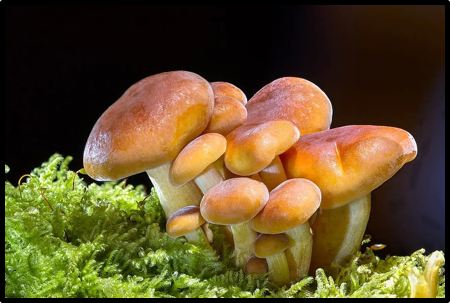
Phylum Basidiomycota
- "Club-fungi"
- Known for mushrooms and toadstools (sexual structures)
- Basidiocarp: cap-like structure, defining character Example: Common white mushrooms at market
- Cap: contains the gills
- Gills: vertical sheets of tissue
- contain Basidia: produces spores
- Decompose dead plant matter (lignin)
- Some parasitize plants
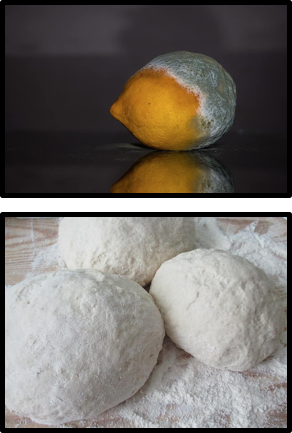
Appearance of Fungi
- Fungi as Molds
- Asexual
- grow rapidly
- Produce "fuzzy hyphae" on organic matter
- Fungi as Yeasts
- Unicellular in aquatic or moist habitat
- Asexual
- buds pinch off from parents
- Some fungi can alternate between yeast and hyphae
- Depending on conditions
- Hyphae when favorable
Practice: Fungi
Fungi digest plant and animal tissues using ____________.
Practice: Fungi
Which of the following is true about hyphae?
Practice: Fungi
Which of the following Phyla of Fungi are often free-living in freshwater and are responsible for the decline of amphibians world-wide?
Practice: Fungi
Ascomycota are characterized by which feature?