Wize University Biology Textbook > Fungi
Interactions with Fungi
Popular Courses
Biology
General Course
General Biology
University Study Guides
Grade 11 Biology
Ontario High School
Grade 11 Biology
Canada High School
DAT
General Course
BIO 1131
University of Ottawa
General Biology
University Study Guides
BIOL 108
University of Alberta
Biology 20
Alberta High School
BIOL 111
McGill University
BIOL 184
University of Victoria
BIOL 1201
Western University
Life Sciences 11
British Columbia High School
BIOL 1011
Dalhousie University
BIOL 1P91
Brock University
BLG 144
Toronto Metropolitan University
BIOL 331
University of Calgary
BIOL 1020
University of Manitoba
BIOA01H3
University of Toronto
BISC 102
Simon Fraser University
0:00 / 0:00
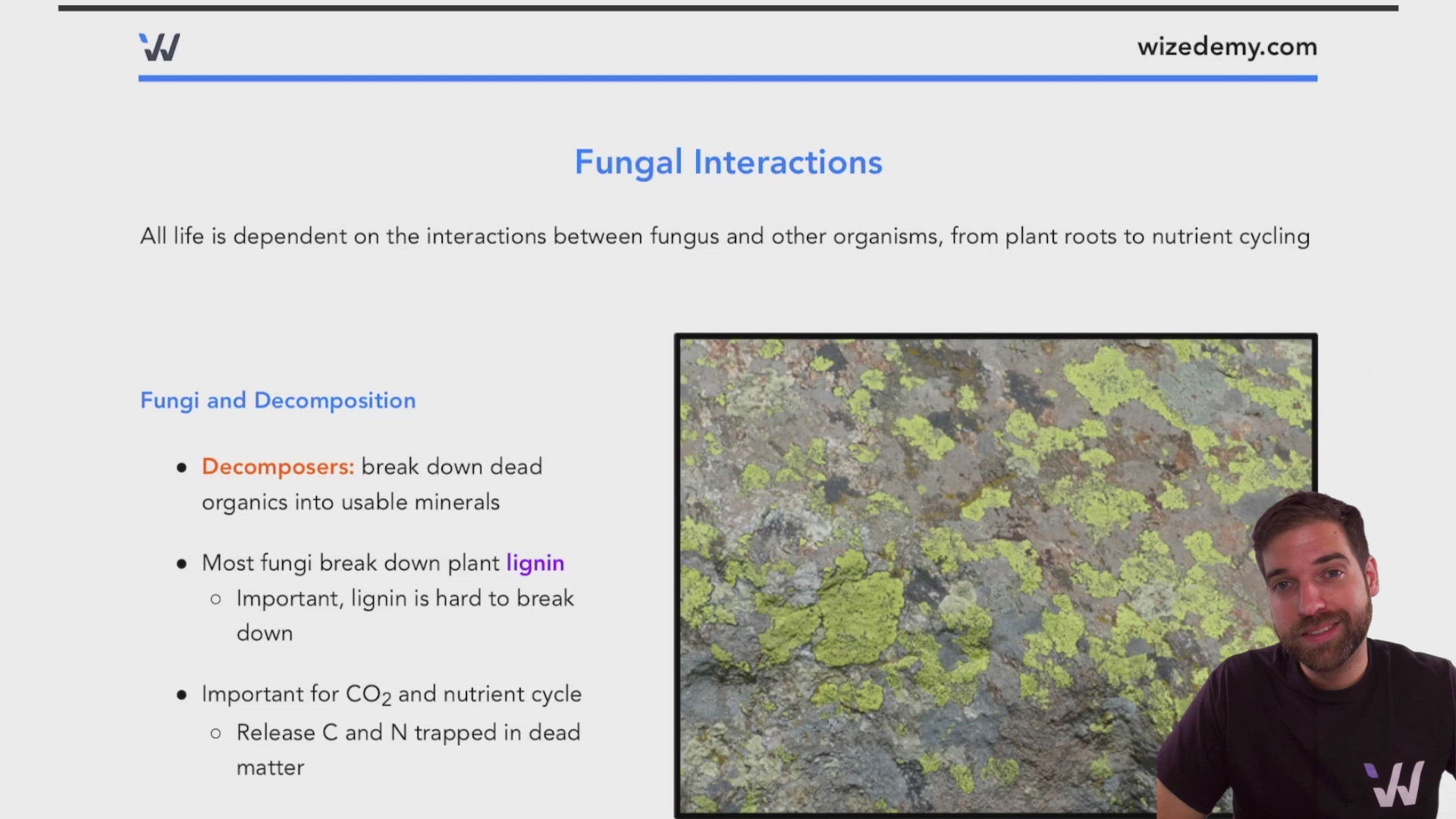
Fungal Interactions
All life is dependent on the interactions between fungus and other organisms, from plant roots to nutrient cycling
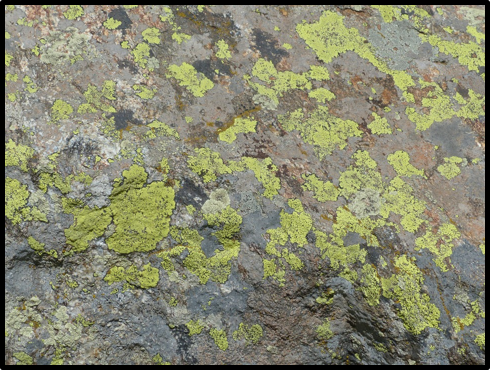
Fungi and Decomposition
- Decomposers: break down dead organics into usable minerals
- Most fungi break down plant lignin
- Important, lignin is hard to break down
- Important for CO2 and nutrient cycle
- Release C and N trapped in dead matter
Soil Formation
- Lichens: symbiotic relationship between fungal hyphae and photosynthetic algae
- Fungus gets protection and nutrients
- Algae gets more nutrients
- Colonize disturbed habitat
- Aided colonization of land plants
- Most symbionts are in Ascomycota and Basidiomycota
Plant Mutualism
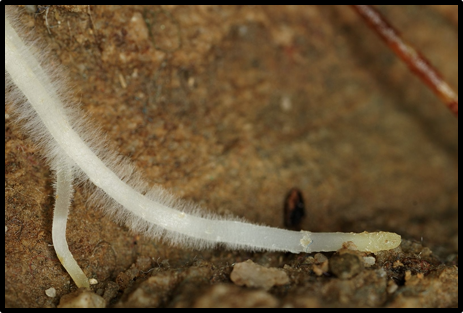
- Mycorrhiza: Mutualistic Symbiosis between plant roots and fungus
- Fungus gets sugars
- Plant gets nutrients (N)
- Fueled the colonization of land plants
- Obligate: both must occur together, can't survive independently
Animal Mutualism
- Exist in herbivore guts, aid in digestion
- Leaf-cutter ants farm fungus
0:00 / 0:00
Fungi as Parasites
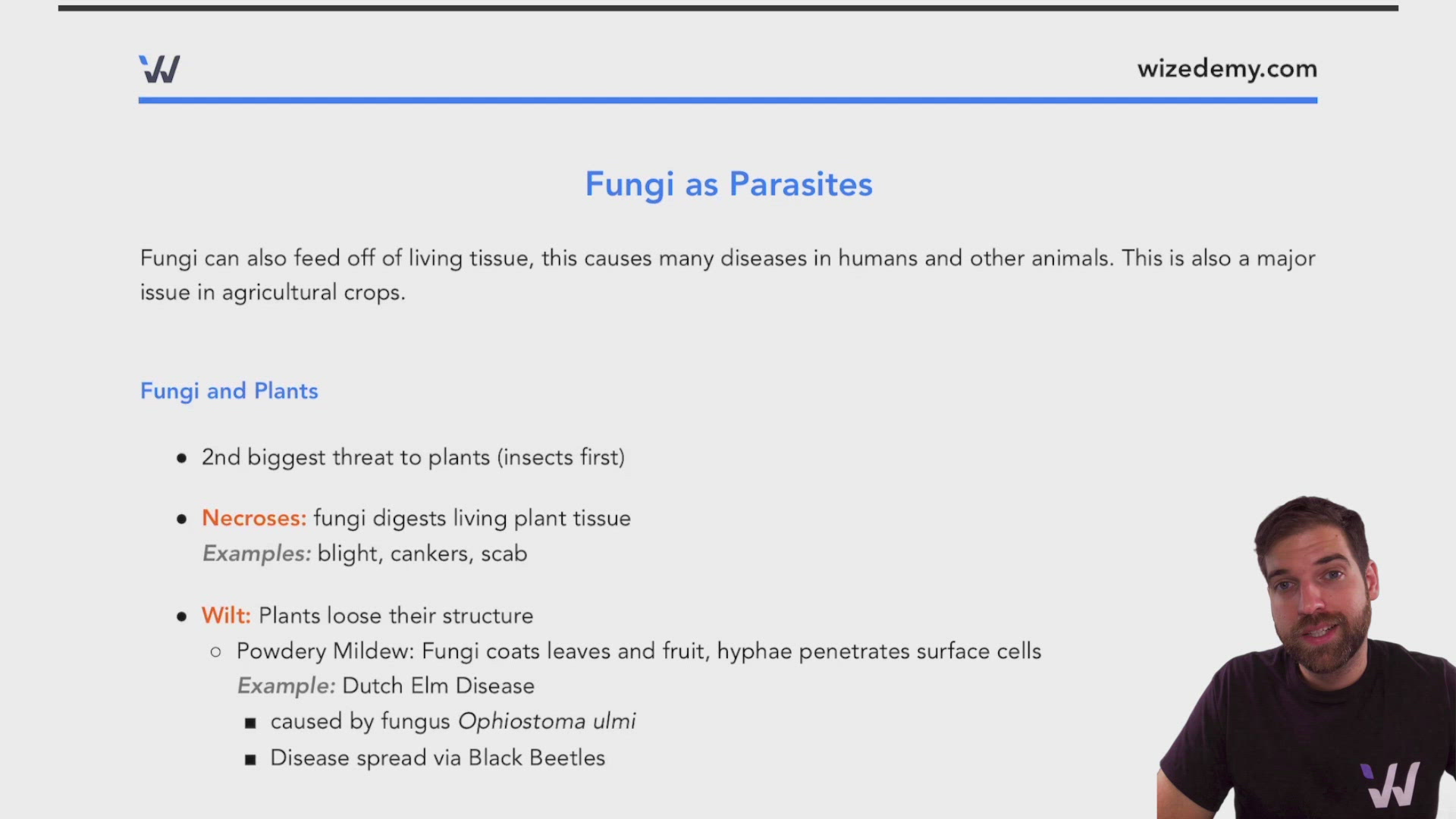
Fungi can also feed off of living tissue, this causes many diseases in humans and other animals. This is also a major issue in agricultural crops.
Fungi and Plants
- 2nd biggest threat to plants (insects first)
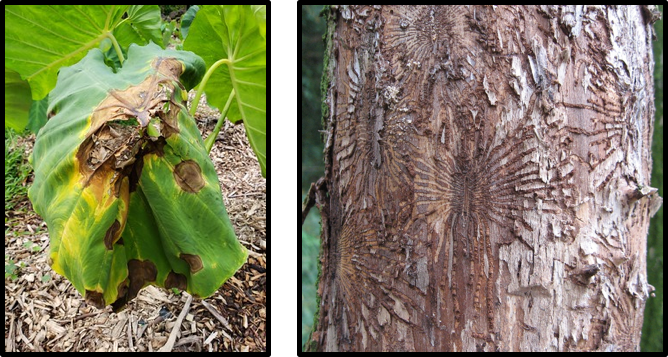
- Necroses: fungi digests living plant tissue Examples: blight, cankers, scab
- Wilt: Plants loose their structure
- Powdery Mildew: Fungi coats leaves and fruit, hyphae penetrates surface cells Example: Dutch Elm Disease
- caused by fungus Ophiostoma ulmi
- Disease spread via Black Beetles
Fungi and Invertebrates
- Invertebrate Parasites
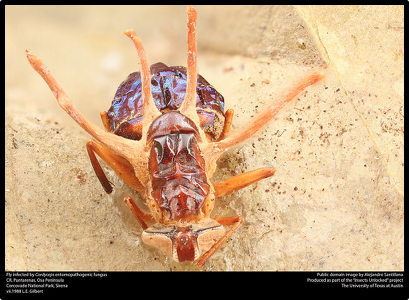
- Fungi that infect insects and arachnids
- Spores produced inside of host
- Sometimes produces fruiting body to burst out of host
- Invertebrate Predators
- Some fungi function like predators Example: Nematode traps
- Catches another organism and strangles it to death
Fungi and Vertebrates
- Vertebrate Parasites
- Mycosis: fungal disease in vertebrates (humans)
- infects terrestrial and aquatic vertebrates
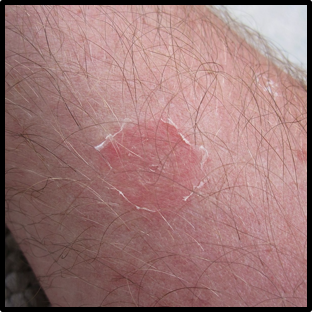
- Cutaneous Infection: infects outer layers of skin Example: Ringworm
- Causes a ring of hyphae around infection
- Localized Subcutaneous Infection: infects wounds
- Spores in environment colonize open wound
- Systemic Infection: Whole body is infected
- Opportunistic Fungal Disease
- Typically harmless fungi infect other parts of body Example: Yeast
- Common in gut and moist skin
- Can infect other skin when moist = diaper rash
- Can infect mucous membrane (if normal microflora / chemical conditions change)
- Other Human Fungal Diseases
- Histoplasmosis: common systemic mycosis
- Inhale from bird / bat droppings
- Can also be cutaneous
- Fungi transitions from hyphae to yeast
- Yeast can invade host cells
- Results in systemic infection => death
- Especially dangerous for immune compromised individuals
Practice: Fungi
Which group of Fungi are important for colonizing disturbed habitat and soil formation?
Practice: Fungi
Which nutrients are associated with Mycorrhiza?