Wize Grade 12 Biology Textbook > Cell Components: Structure and Function
Lysosomes and Peroxisomes
Popular Courses
Find My CourseLysosomes
Lysosomes are very small, membrane bound organelles that form when vesicles containing digestive enzymes pinch off from the golgi apparatus. They can be found floating in the cytosol of nearly all eukaryotic cells (not commonly found in plant cells).

Lysosome Structure

- Single lipid bilayer membrane: The membrane helps to isolate the acidic environment of the lysosome from the rest of the cell.
- Contain hydrolytic enzymes: These enzymes breakdown various molecules into their basic components.
- Acidic internal environment: The hydrolytic enzymes function best at an acidic (low) pH, so if they were to leak into the neutral cytoplasm, they wouldn't be able to cause any harm.
Wize Tip
The suffix -lysis denotes breakdown/decomposition of something.
Lysosome Functions
- Intracellular digestion: Lysosomes will fuse with the food vacuoles formed by phagocytosis, helping to breakdown the engulfed particle into their basic components.
- This is seen in many single-celled eukaryotes:
- Example: Amoeba obtain their nutrients when lysosomes fuse with the food vacuoles that form after they carry out phagocytosis.
- This is seen in specialized eukaryotic cells:
- Example: Macrophages
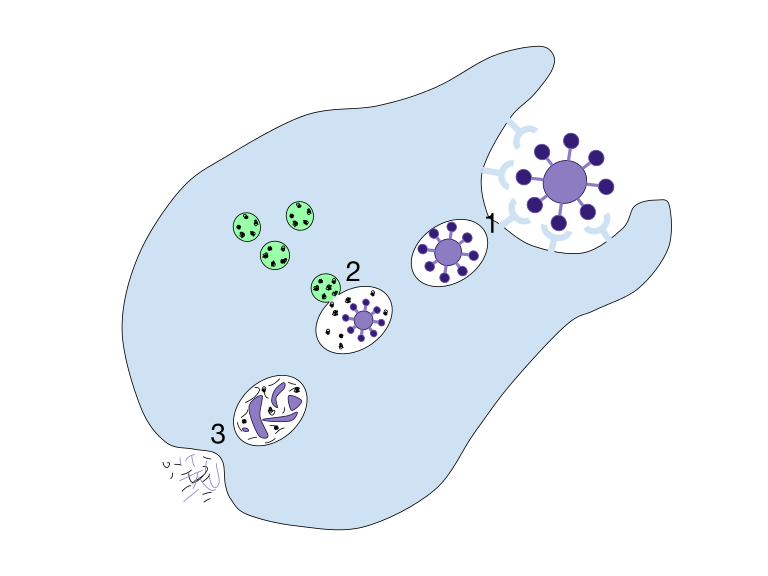
- Step 1: Foreign material is engulfed by recognition of cell surface receptors, forming a food vacuole.
- Step 2: The vacuole will fuse with lysosomes floating in the cell's cytosol. The lysosome's hydrolytic enzymes will digest the engulfed material into their respective "building blocks"
- Step 3: These building blocks will later be released into the cytosol so that they can be recycled.
- Autophagy: Lysosomes use their hydrolytic enzymes to digest parts of the cell that have been damaged, such as organelles that are no loner functional, or even whole cells that are dysfunctional.
- In this way, lysosomes help the cell to continually renew itself and ensure optimal functioning.
Peroxisomes
Peroxisomes are very small, membrane bound organelles that contain a variety of special enzymes. Like lysosomes, they can be found floating in the eukaryotic cell cytosol.

Peroxisome Structure
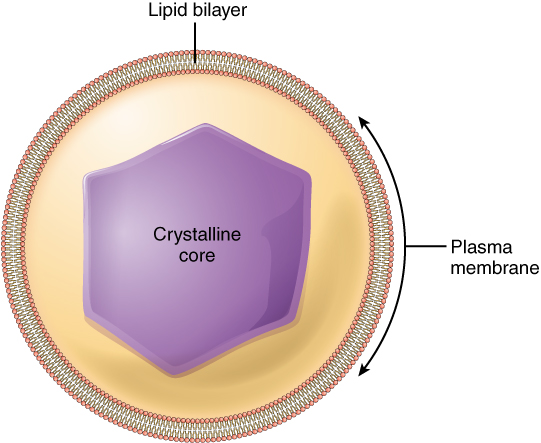
- Single lipid bilayer membrane: The membrane helps to isolate the internal environment of the peroxisome from the rest of the cell.
- Contains more than 50 different enzymes: Typically, the most abundant enzymes (catalase and urate oxidase) can become so high in number they aggregate to form a crystalline core.
- Oxygen-rich internal environment: Required for the functioning of the enzymes found within the peroxisome.
Peroxisome Function
- Breaking Down: Peroxisomes contain enzymes that play vital roles in a number of oxidation reactions, helping to breakdown compounds.
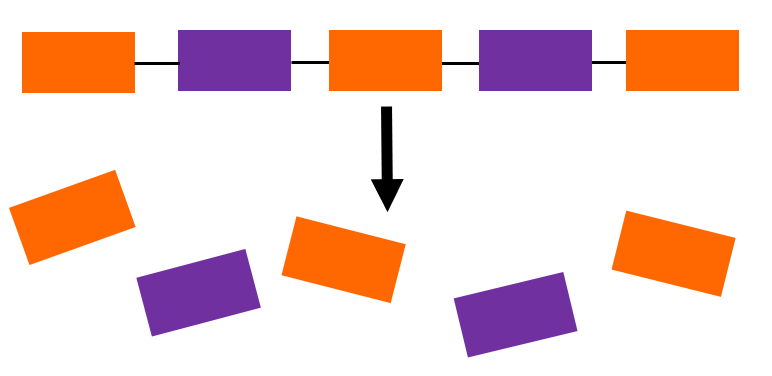
What do they breakdown?
- Hydrogen peroxide
- This is the main chemical produced by oxidation in peroxisomes (this is how this organelle got its name!)
- Is very cytotoxic! Luckily, the enzyme catalase helps break down hydrogen peroxide into water and oxygen, thus making it harmless and further enhancing the oxygen rich internal environment.
- Chemicals and drugs
- Peroxisomes, primarily in liver cells, carry out this function.
- Long-chain fatty acids
- If these are left to accumulate they can damage structures such as the myelin sheath surrounding nerve fibers in the brain.
- Uric acid and amino acids
- The enzyme urate oxidase helps breakdown uric acid and amino acid in mammals. However, in humans, this enzyme is nonfunctional and both these substances other means.
Wize Tip
The suffix -ase is used in biochemistry to form names of enzymes.
- Building up: Peroxisomes also contain enzymes that help various cell types produce compounds.
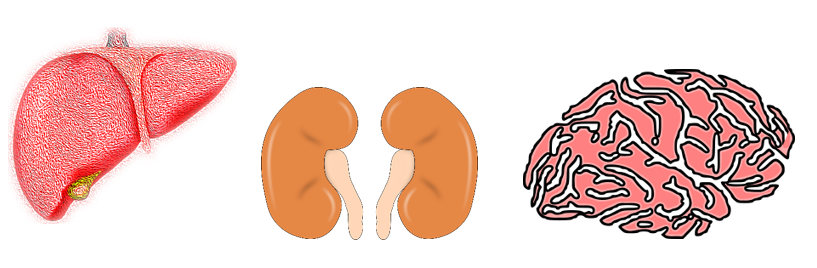
- In liver cells, they help to make bile acids.
- In kidney cells, they contain a particular protein that helps prevent the formation of kidney stones.
- In nerve cells, they serve as the site of synthesis for plasmalogens (a special type of phospholipid molecule).
- In animal cells, they help to make cholesterol.
- In plant cells, specialized peroxisomes called glyoxysomes help in the germination process.
- They initiate the conversion of fatty acids to sugars. The emerging seedling will use this as an energy and carbon source until it can photosynthesize.
Practice: Peroxisomes vs. Lysosomes
Which organelle breaks down organelles that are no longer useful?
Practice: Peroxisomes vs Lysosomes
Which organelle contains enzymes that need oxygen to function?
Practice: Peroxisomes
What function can peroxisomes carry out in liver cells?
Practice: Lysosomes
Which pH do the hydrolytic enzymes found in lysosomes function best at? [select all that apply]