
0:00 / 0:00
Electronegativity
- Valence electrons are involved in chemical bonding.
- The type of bond depends on the difference in electronegativity (ΔEN) between bonding species.
- Electronegativity is the tendency for an atom to draw bonding electrons to itself.
Watch Out!
This is similar to electron affinity but not the same! Electron affinity involves a single atom/ion, whereas electronegativity involves two bonded atoms.


0:00 / 0:00
Valance Electrons and Ions
- Valence electrons are the electrons found in the outermost shell of an atom. These are the electrons that participate in bonding
- The simplest way of determining the number of valence electrons an atom has is by looking at which group an atom is in

- Atoms will form ions by losing or gaining electrons, such that they obtain a full valence shell (full octet).
- Metals will lose electrons to form cations
- Non-metals will gain electrons to form anions
- Multivalent atoms are atoms that can form more than one stable ion. Most transition metals are multivalent
- Polyatomic ions are ions containing more than one atom

0:00 / 0:00
Types of Chemical Bonds
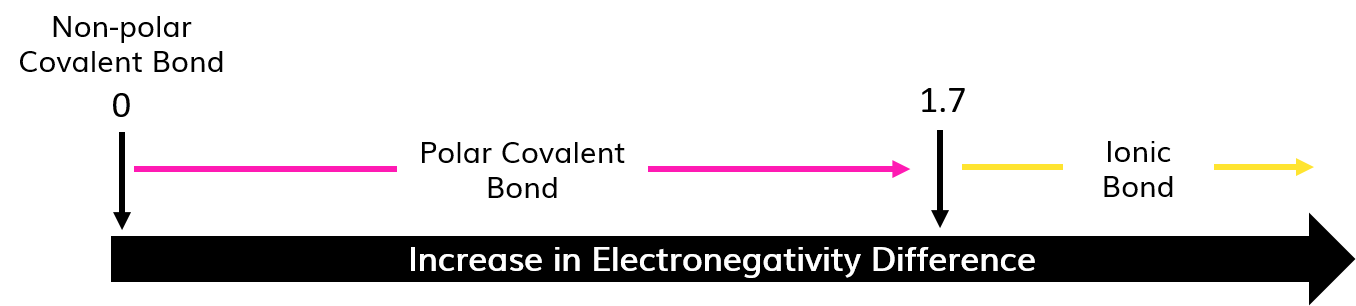
- We classify chemical bonds based on the difference in electronegativity between the atoms that form said bond
Covalent Bonds:
- Covalent bonds are bonds where electrons are shared between two non-metals
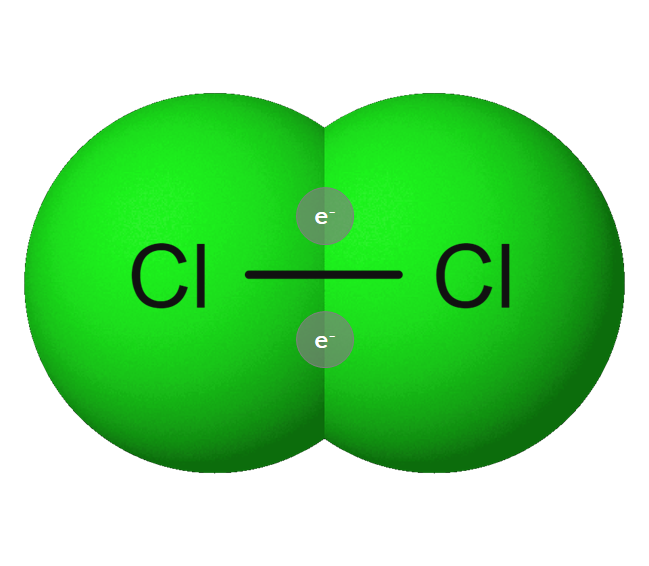
Non-polar Covalent Bonds:
- In non-polar covalent bonds, electrons are shared equally between two of the same non-metals Examples: H2, O2, N2, Cl2
Polar Covalent Bonds:
- In polar covalent bonds, electrons are shared unequally between two different non-metals
- There is a difference in electronegativity, 0 < ΔEN < 1.7. Since electrons are shared unequally in this bond, we say that there is a dipole moment
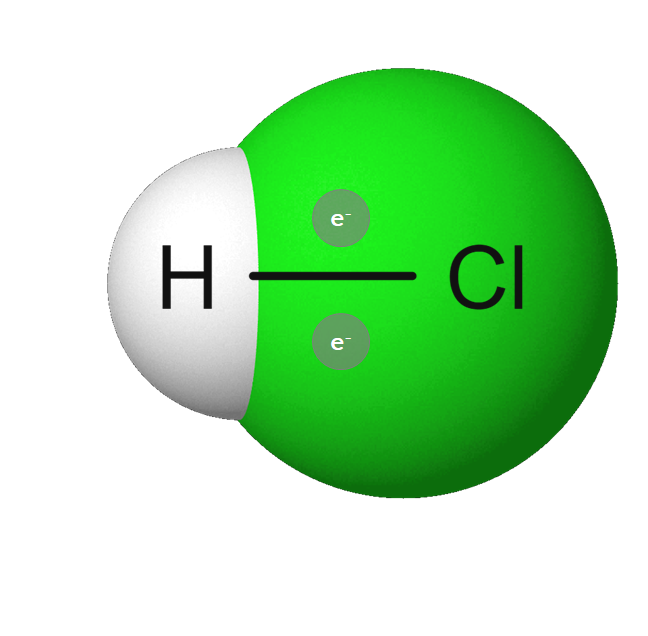
- The dipole moment is a vector with both magnitude and direction
- Partial negative charge (δ-) is assigned to the atom with the higher electronegativity
- Partial positive charge (δ+) is assigned to the atom with the lower electronegativity
- The greater the difference in electronegativity (EN), the greater the dipole moment!

Ionic Bonds
- Are between a metal and a non-metal. You might see ionic compounds called salts like NaCl
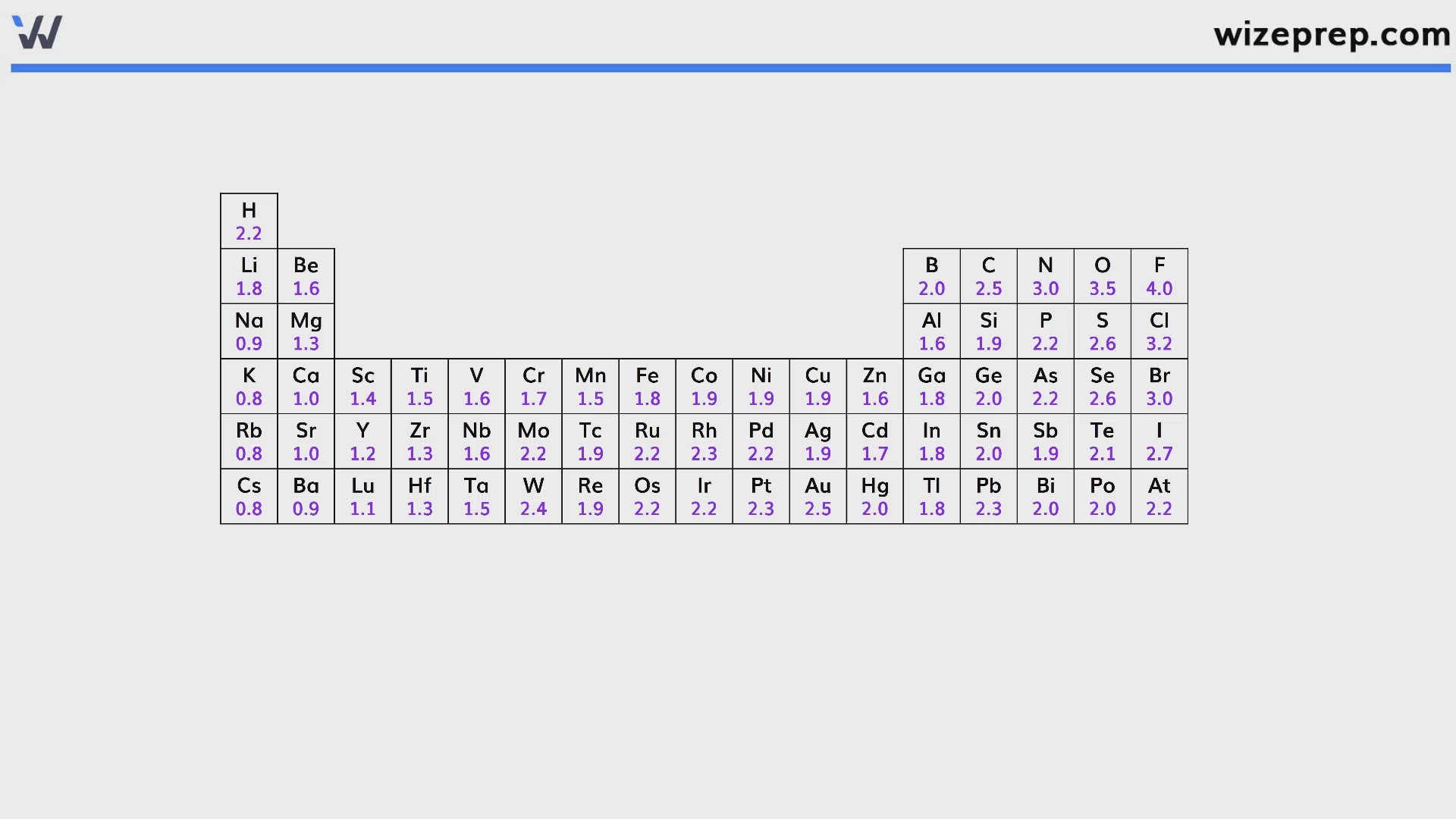
- There is a large difference in EN (1.7 < ΔEN) in these bonds
- The metal gives electrons to the non-metal. There is a complete transfer of electrons Example: NaCl


0:00 / 0:00
Metallic Bonding
- The diagram below shows many atoms of a metal element surrounded by a sea of electrons that are free to move around; we say that the electrons are delocalized Examples: Aluminum, Iron, Zinc
- Conduction electrons are valence electrons that are free to move
- These conduction electrons are what give the metal their properties!
- Ductile, malleable, conduct thermal energy, conduct electricity, have luster and shine

0:00 / 0:00
Example: Identifying Chemical Bonds
Identify the type of bonding between the atoms of the following molecules
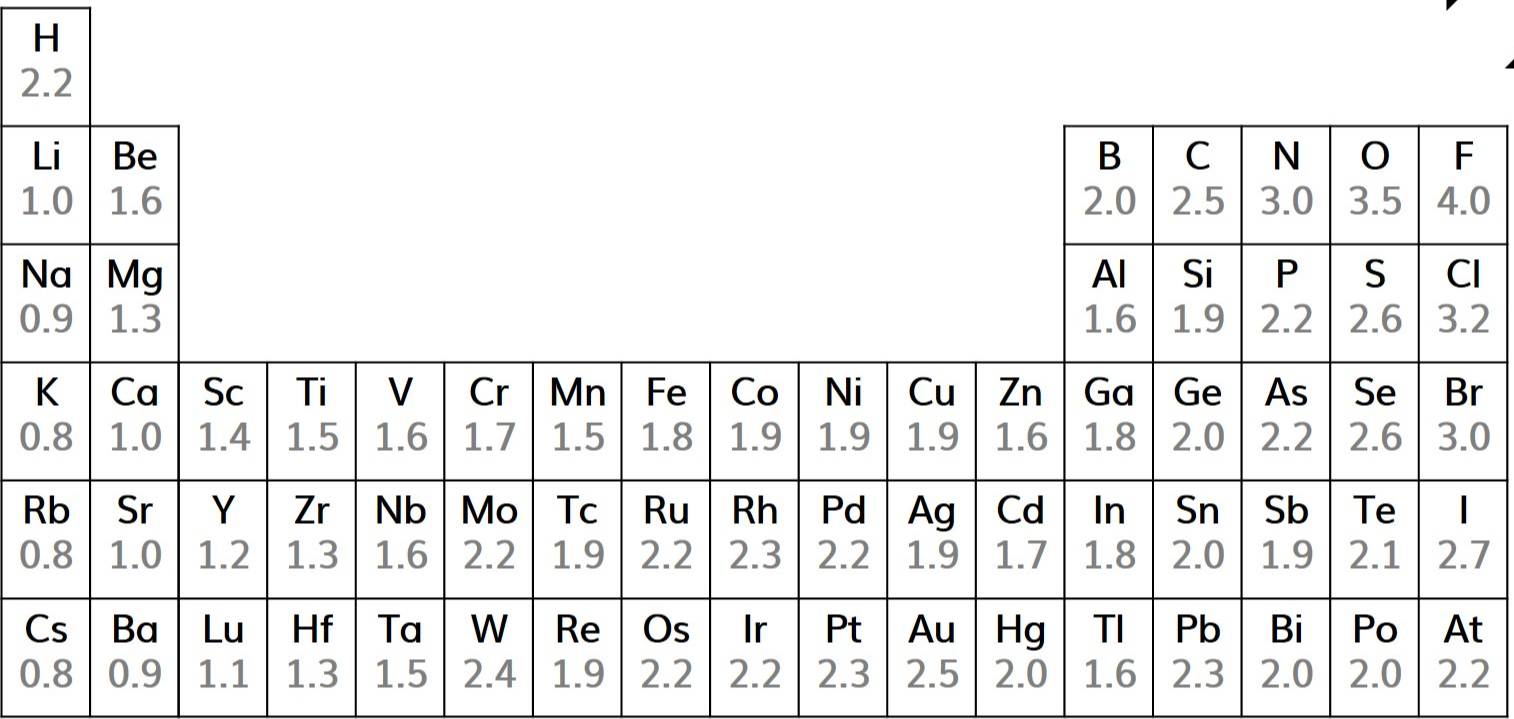
a) CO
Polar covalent bond
b) F2
Non-polar covalent bond
c) BeO
Ionic bond
Out of the following choice, which bond is the most polar?
Which of the following compounds displays ionic bonding?
Practice: Identifying Chemical Bonds
Determine if the elements in the following compounds are metals or non-metals. Describe the type of bonding that occurs in the compound. Use the following abbreviations:
M = metal
NM = non-metal
I = ionic bond
C = covalent bond
| Compound | Element 1 (metal or non-metal?) | Element 2 (metal or non-metal?) | Bond Type |
| NaCl | |||
| CaO | |||
| HF | |||
| AgBr | |||
| CO |