Wize High School Grade 12 Chemistry Textbook > Energy Changes
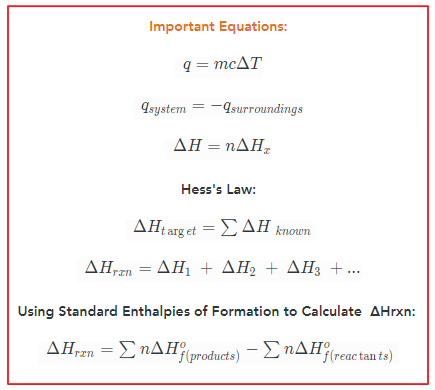
Summary Checklist & Equations
Real Life Applications of Energy
Earlier, we saw in the introduction video that we get chemical energy from food.
What are other sources of energy in the world around us?
Some examples are: a power plant, solar panels, and wind turbines.
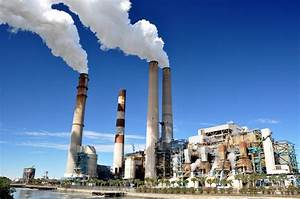
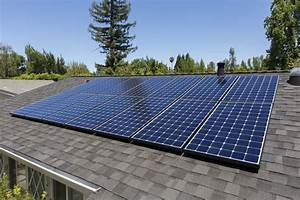
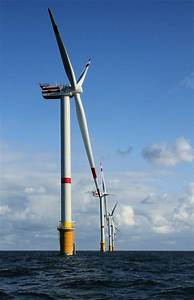
Do you think that some sources of energy are more efficient than others?
Yes, let's consider the example of cooling homes and buildings in the summer.
We typically use air conditioners, but this is not very energy efficient.
New technologies use deep water cooling instead to keep buildings cool in the summer. This reduces energy use and its environmental impact.
How does it work?
The city of Toronto is one city that takes advantage of this technology. It uses the highly dense and cold water from the bottom of Lake Ontario.
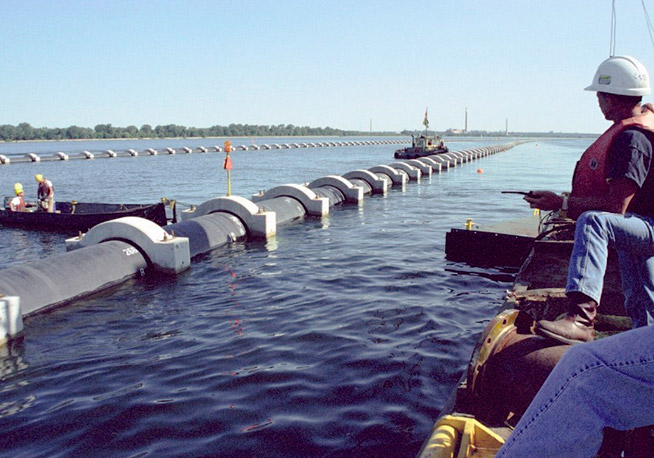
The cold water is brought to the surface through long pipes (that are around 5km in length!)
The water is directed to a filtration plant and then put through an energy-transfer station where the energy from the cold water is captured and used to cool buildings in downtown Toronto!
**Note this section is not likely to be tested on but is important to understand in grade 12 chemistry :)
Energy Changes Checklist
After going through this chapter you should be familiar with each of the concepts below! These are the concepts that are most often tested on :)
- Concept of heat transfer between system and surroundings
- Sign of ΔT and ΔH in exothermic and endothermic reactions
- Concept of enthalpy change
- Calorimetry calculations (qsystem = -qsurroundings)
- Representing enthalpy changes (4 methods, including potential energy diagrams)
- Hess' Law concept and problems
- Standard enthalpies of formation (writing and using formation equations)