Wize High School Geometry Textbook (Common Core) > Foundations of Geometry
Measuring and Constructions
0:00 / 0:00
Measuring

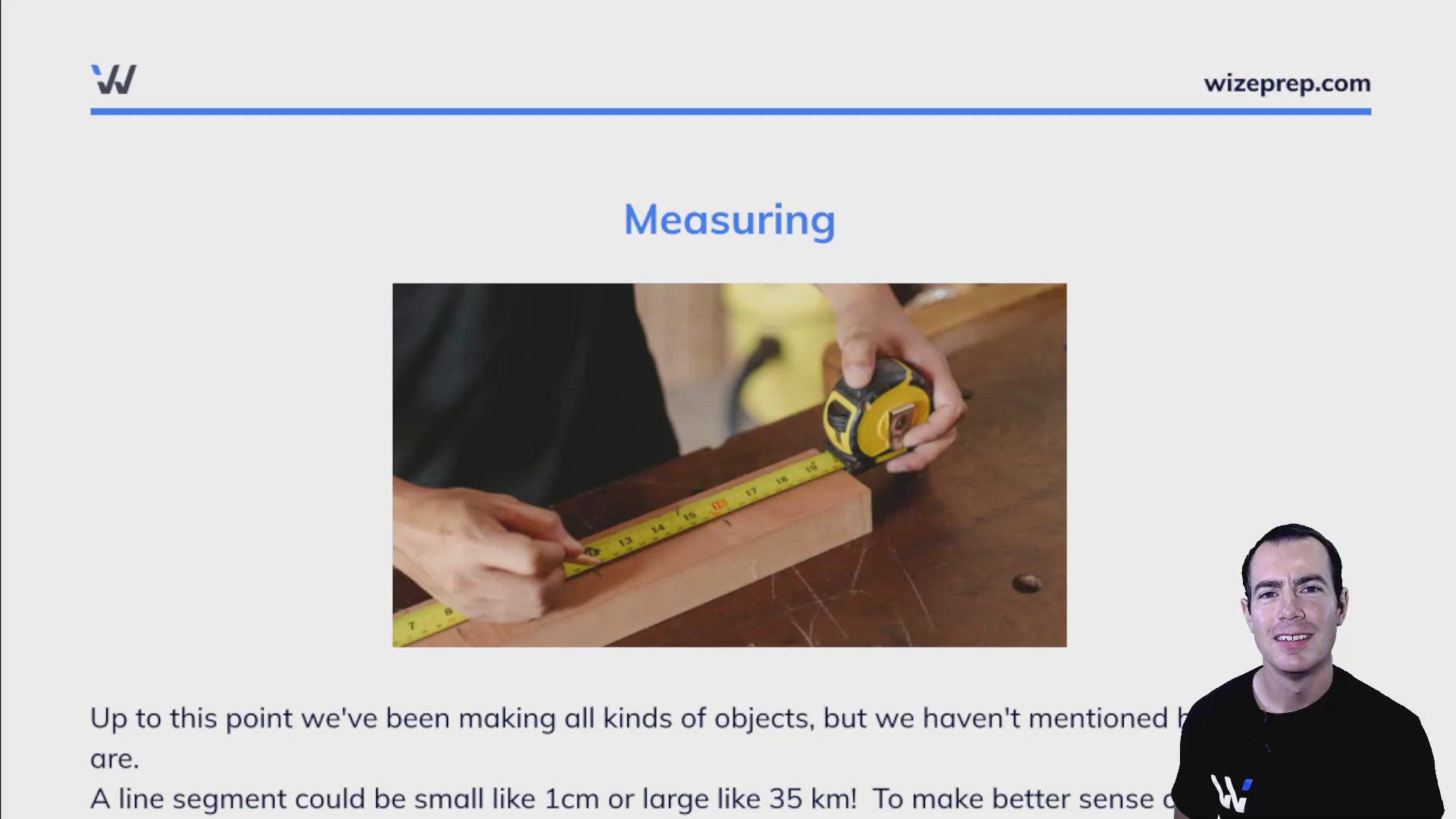
Up to this point we've been making all kinds of objects, but we haven't mentioned how big these are.
A line segment could be small like 1cm or large like 35 km! To make better sense of this, we'll need to start measuring things.
Distance
Points on a line can be paired up with the real line. In this way we can assign a number to any point on a line. This is called the coordinate of a point.
To measure the distance between two points:
- Use the real line to assign each point a coordinate
- Subtract one coordinate from the other
- Take the absolute value of the result
Example 1
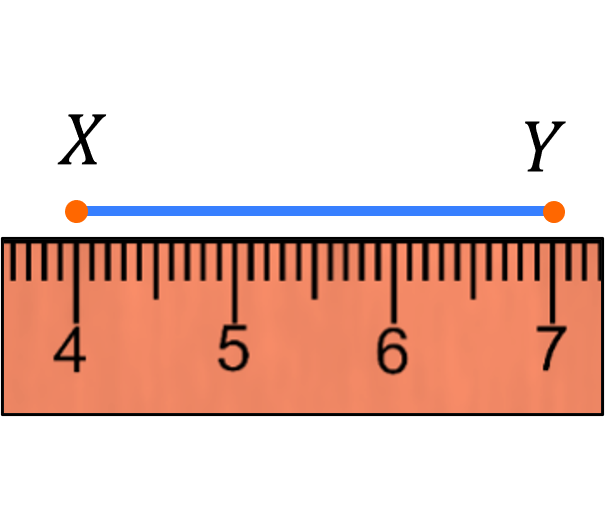
What is the distance between points and ?
ANSWER:
The distance is 3
Wize Tip
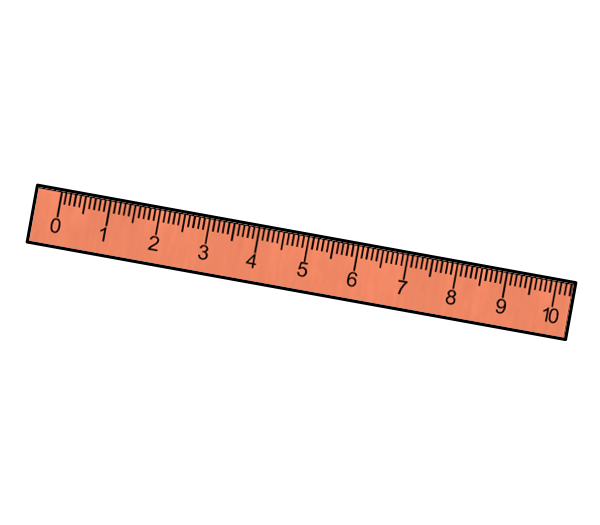
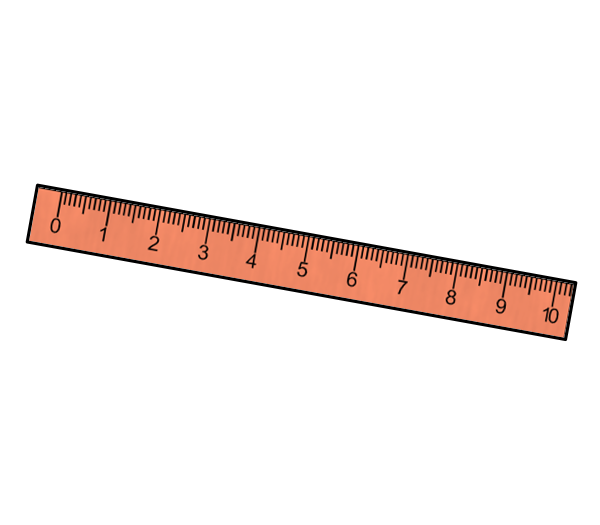
A ruler can be used as a real line so that we can easily assign coordinates to our points.
Coordinate Axis
All of the objects we've discussed can be drawn on a plane. We will call this plane the coordinate axis.
It is a plane with two lines that cross at right angles called the x-axis and the y-axis.
The point where they intersect the origin.
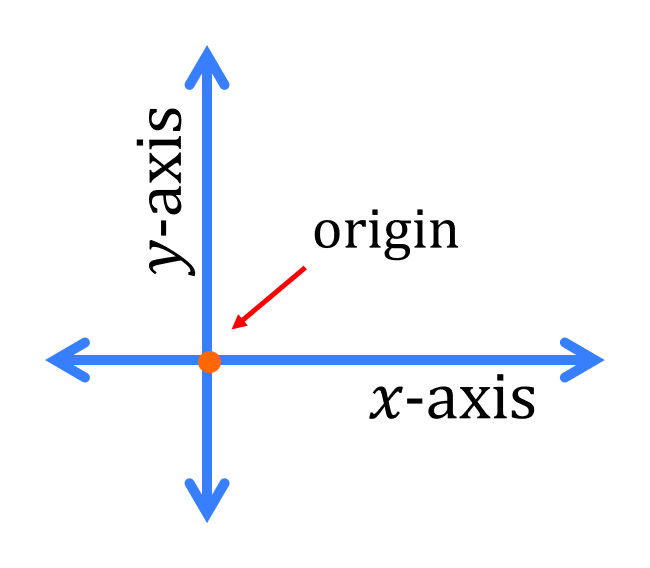
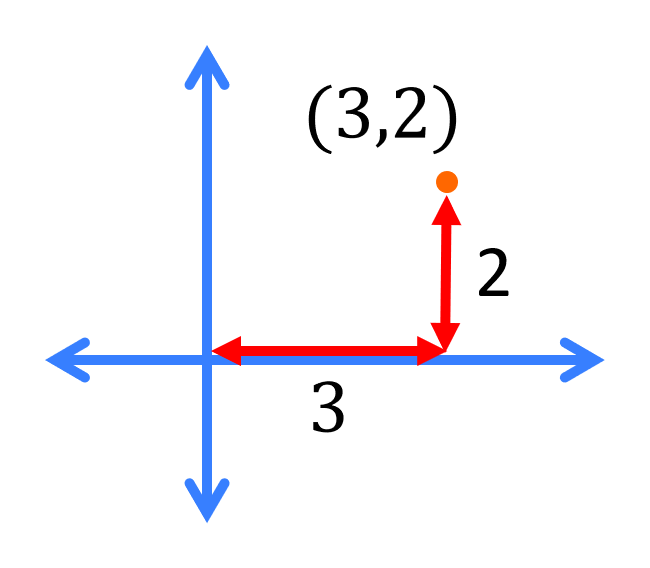
With this we can then measure the location of any point drawn on a coordinate axis. The coordinate of a point on the coordinate axis is an ordered pair of numbers.
The first number represents the distance in the x direction (from the point to the y-axis), and the second number represents the distance in the y direction (from the point to the x-axis).
Congruent Segments
We say that two line segments are congruent if they have exactly the same length.
For notation we will use to show that and are congruent.

Example 2
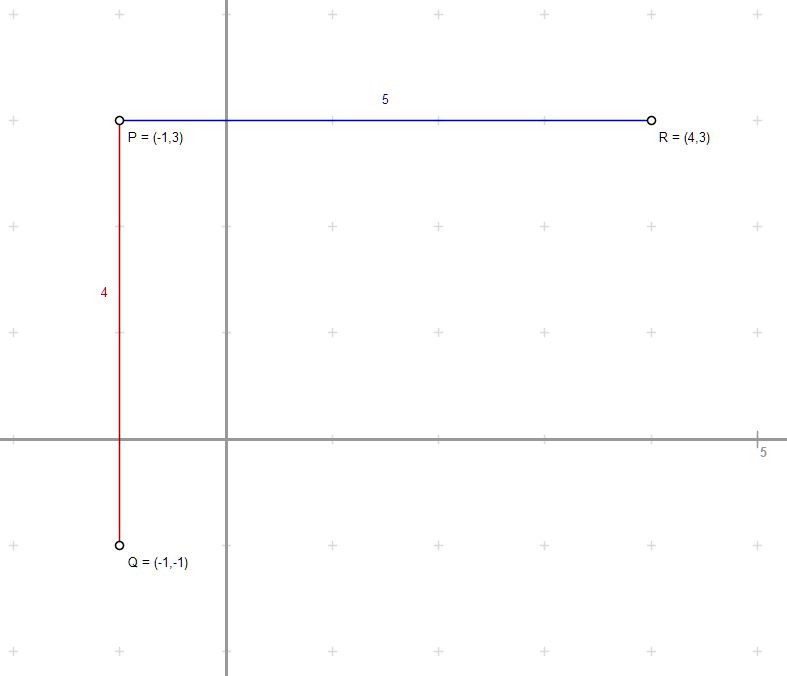
- Draw a point at labeled .
- Draw a point at labeled .
- Draw a point at labeled .
- Draw the line segments and .
What is the length of the segment ?
ANSWER: The length of
Are and congruent?
ANSWER: The length of .
Since the lengths are not the same, these segments are not congruent.
0:00 / 0:00
Basic Constructions
Many of the objects in geometry can be built, or constructed, using simple tools. This process is important for not only visualizing objects, but also for learning how they are connected.
Tools
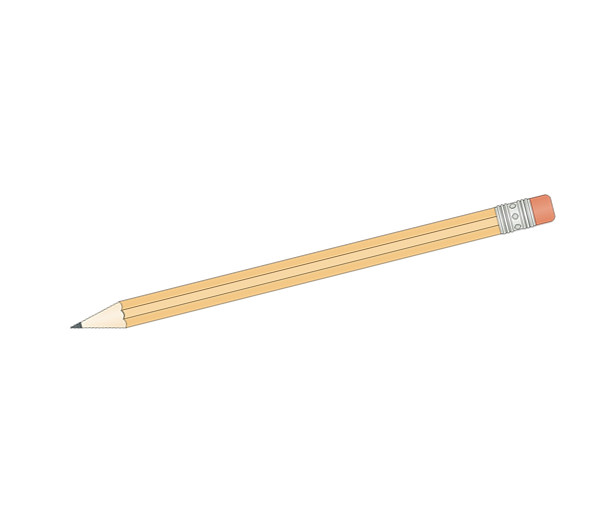
A pencil is a common tool for drawing points and various other objects in geometry. Any thing that leaves a mark, such as a pen, will also work. To make the the constructions precise, we will use a marking tool along with a straightedge and compass.
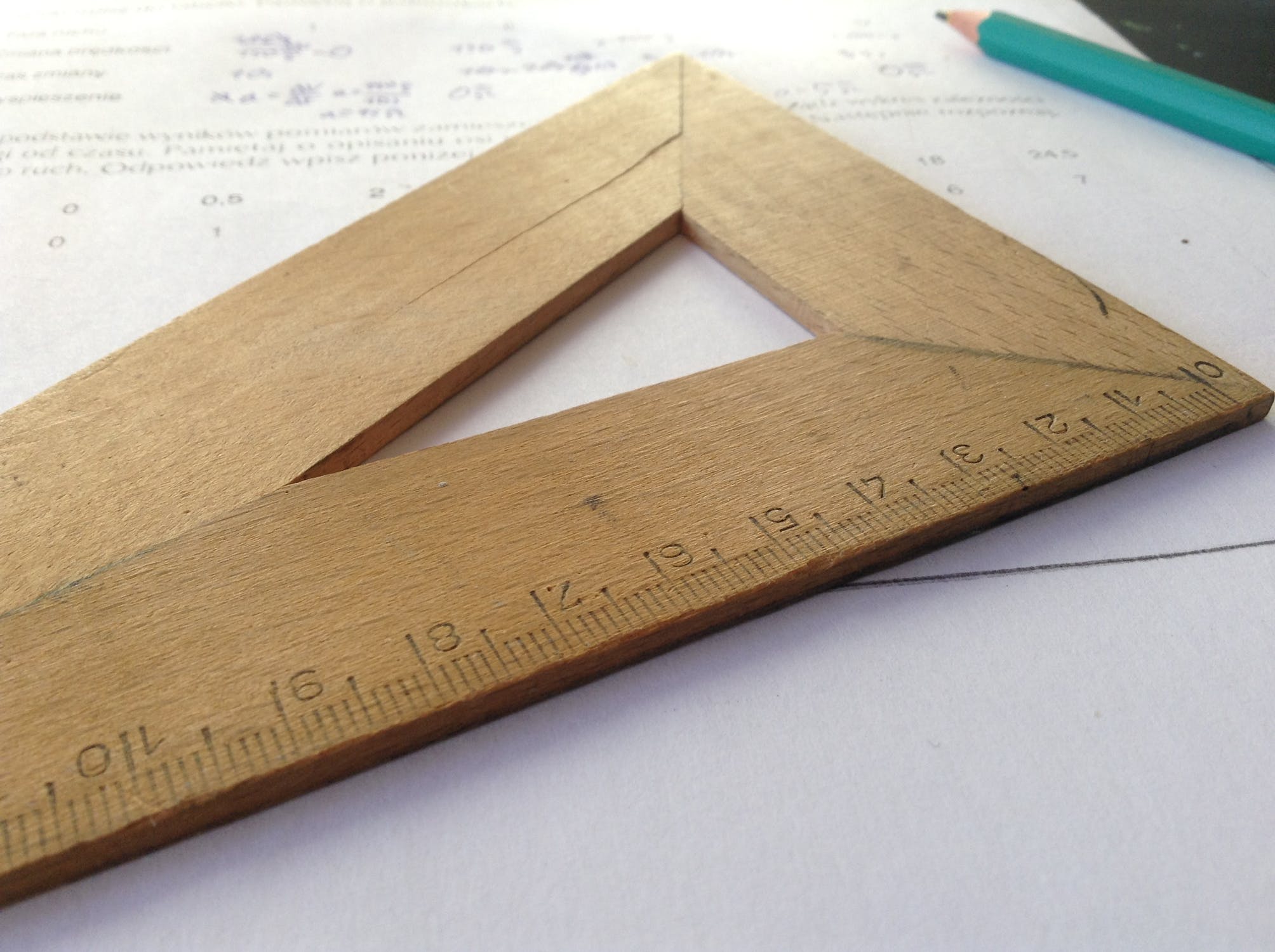
A straightedge is any object with a straight edge on it like a ruler. It is used to draw lines, segments, or rays.
A compass has one drawing end and one fixed end. It can be used to mark off distances, or used to sweep out arcs.

Technology
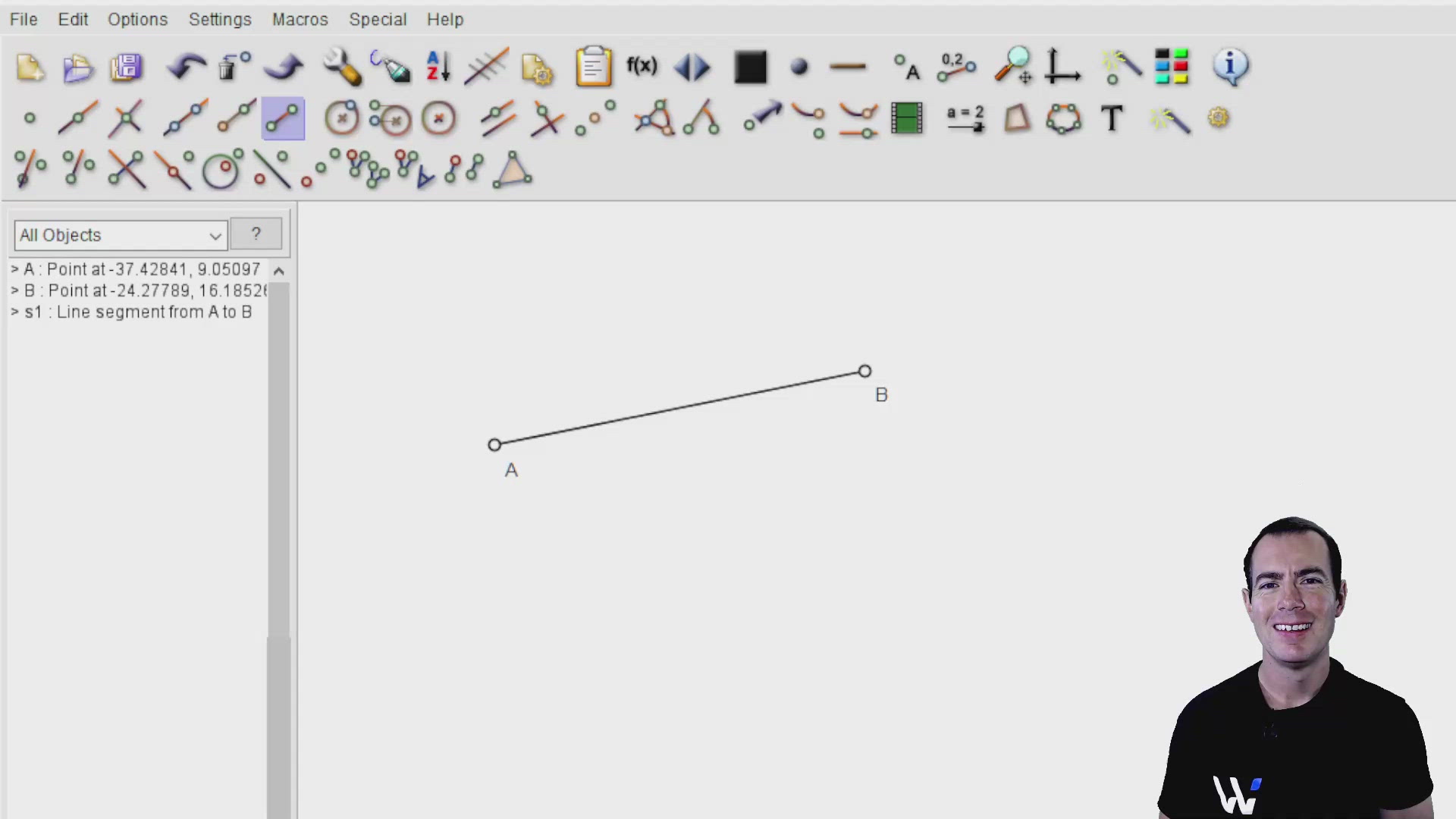
There are many programs available that allow you to digitally make constructions. One advantage of these programs is they allow you to move points without changing the relationships to each other.
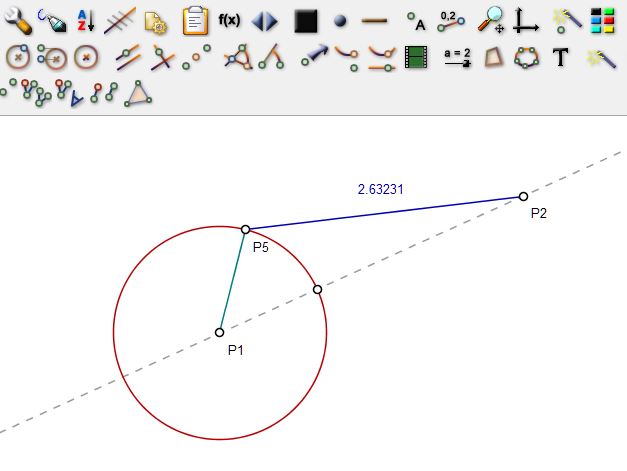
Example
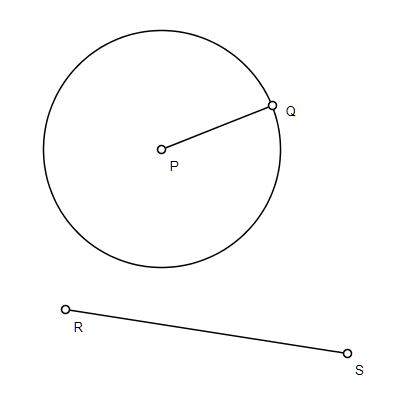
- Make two separate line segments and .
- Set the compass so that it touches both point and .
- Use the compass to sweep out a circle around point .
ANSWER:
0:00 / 0:00
Constructing congruent segments
Our goal in this construction is create new segment that is congruent to a given one.
Using a compass and straightedge
Start with a segment
- Draw a line segment slightly larger than the given segment.
- Label one end of this segment as .
- Adjust the compass width to be the same as
- Set the fixed end at point , and make a mark on your new segment.
- Label the intersection as point .
From this we now have
Using Technology
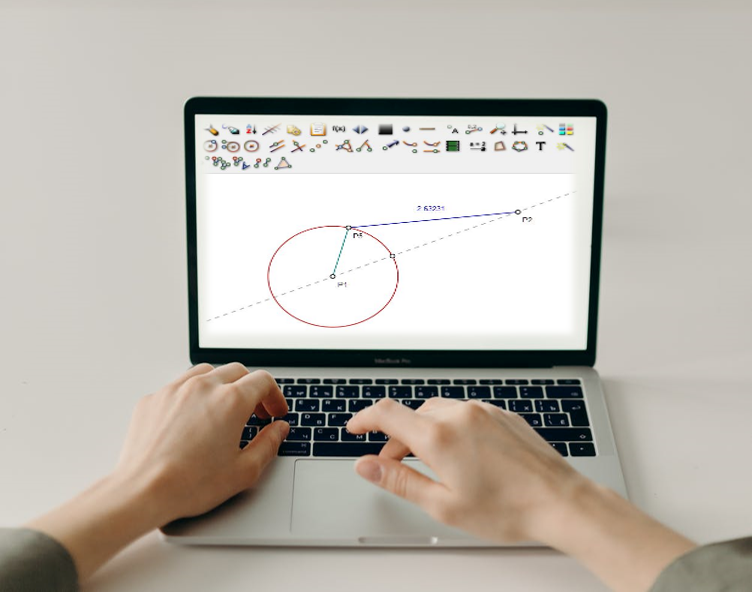
Begin with a segment
- Draw a line segment slightly larger than the given segment.
- Label one end of this segment as .
- Use the compass tool to create a circle with the radius the same as .
- Now place the circle from the compass so that the center is at point .
- Place a point at the intersection of the segment and the circle.
From this we now have

0:00 / 0:00
Road Trip

You and a friend have decided to take a road trip. Use the diagram below and the given information to answer the questions.
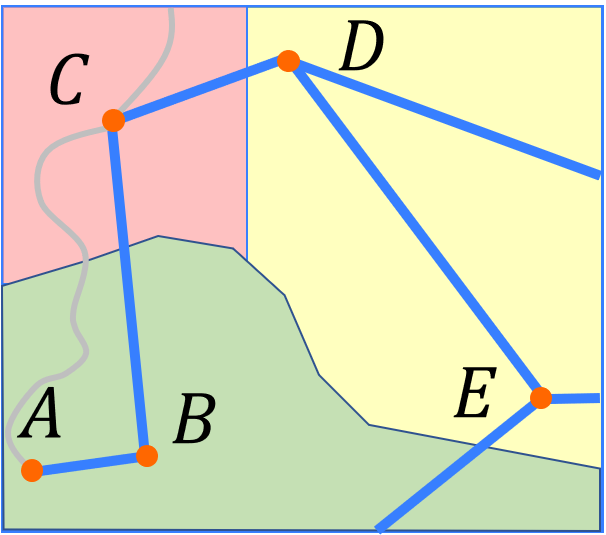
According to the map you will need to travel a total distance of 412 miles traveling along the highway if you start at city B and end city E.
1. If the distance between city B and city C is 98 miles and the distance between city C and city D is 75 miles, what is the distance between city D and city E?
ANSWER: The distance is 239 miles.
2. Your friend takes out a ruler and measures the distance between cities B and E. With the help of the map key, they find that this distance is only 119 miles. Why is this so different from the amount of distance you will actual end up travelling?
ANSWER: The distance of 119 miles is measured is in a strait line between the two cities. In your trip, however, you will be traveling along the roads which will first take you to city C, then city D, and lastly city E. These are not in a strait line, so each of their distances are added separately to give a total of 412 miles.
Lengths of segments
Determine if segments and are congruent for each.
Determine if the segments and are congruent.
1.
Segments and Algebra
Use the diagram below, and the fact that the length of is exactly 23 cm to answer the questions.
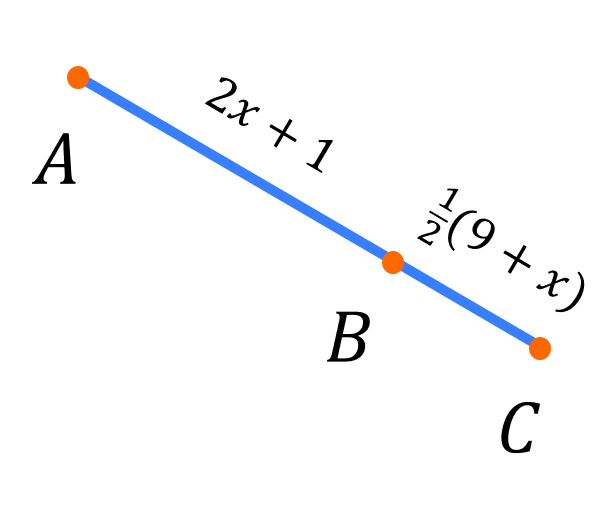
1. What is the value of x ?
2. What is the length of ?
3. What is the length of ?
1. What is the value of x ?
Garden Measuring

While gardening Mr. Jones noticed he had arranged his plants according to the diagram.
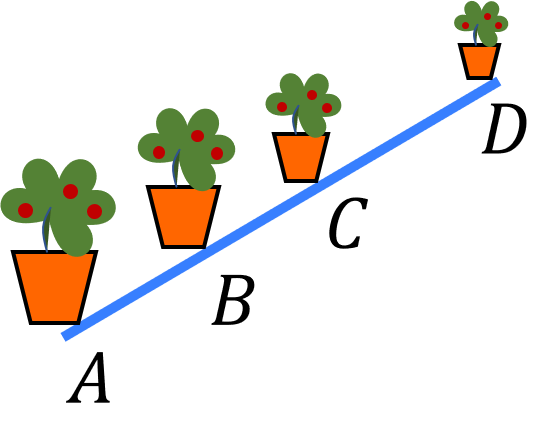
The measured distance from to was exactly 36 feet.
He also found that , and that .
Find the distance between all of the plants.
The distance from to is how many feet?