Wize High School Grade 9 Math Textbook > Financial Literacy
Expenses & Budgets
0:00 / 0:00
Expenses & Budgets
What are some things a grade 9 student may spend on?
- Lunches bought at the cafeteria
- Bus fare
- Cost of entertainment -- going to the movies, buying a new phone or tablet
- Sports equipment
- Phone and internet bills
- Splitting the grocery bill with the family
- Money to buy gifts for friends and family members
- ... there could be many more!
What are some things a working adult may spend on?
- Rent or mortgage payments
- Grocery bill
- Utilities -- gas, water, electricity
- Phone and internet bills
- Money for eating at restaurants or food delivery
- Transportation -- bus fare, monthly passes, car payments, gas, car insurance, car maintenance fees, etc.
- Cost of entertainment -- going to the movies, concerts, etc.
- ... there could be many more!
What are Expenses?
The money you spend on things is called expenses.
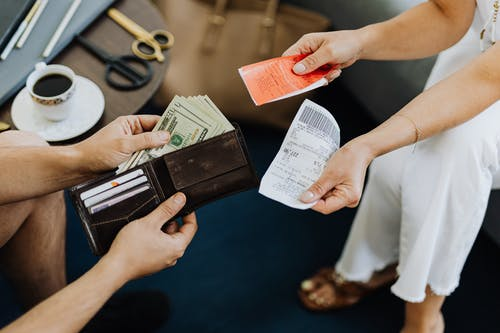
Fixed expenses are expenses that typically do not change in a given period (like from month to month or year to year). For example:
- Rent
- Car insurance
- Tuition fee
Variable expenses are expenses that can change in a given period (like from month to month or year to year). For example:
- Groceries
- Clothing
- Car maintenance
- Utilities (electricity, gas, water)
- Entertainment
Many people use a budget to help make sure that your expenses (what you spend) is less than your income (what you make).
What is a Budget?
A budget is an estimated plan, usually monthly, for the amount of money you will use for different purposes.
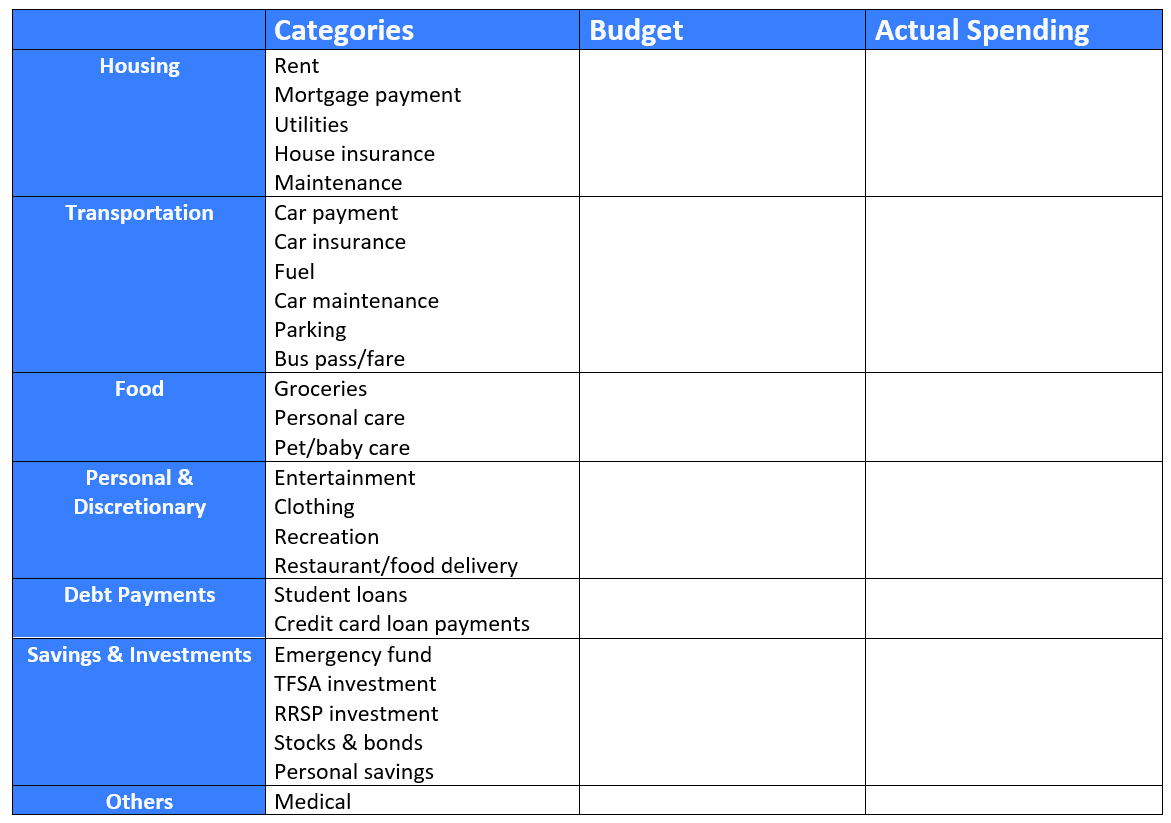
You can create a budget and track your spending by creating a table using paper and pencil, using a spreadsheet, or using an app.
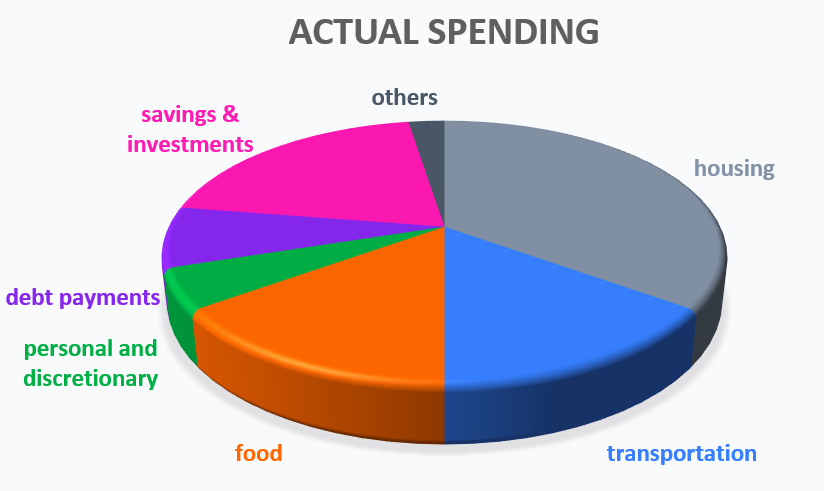
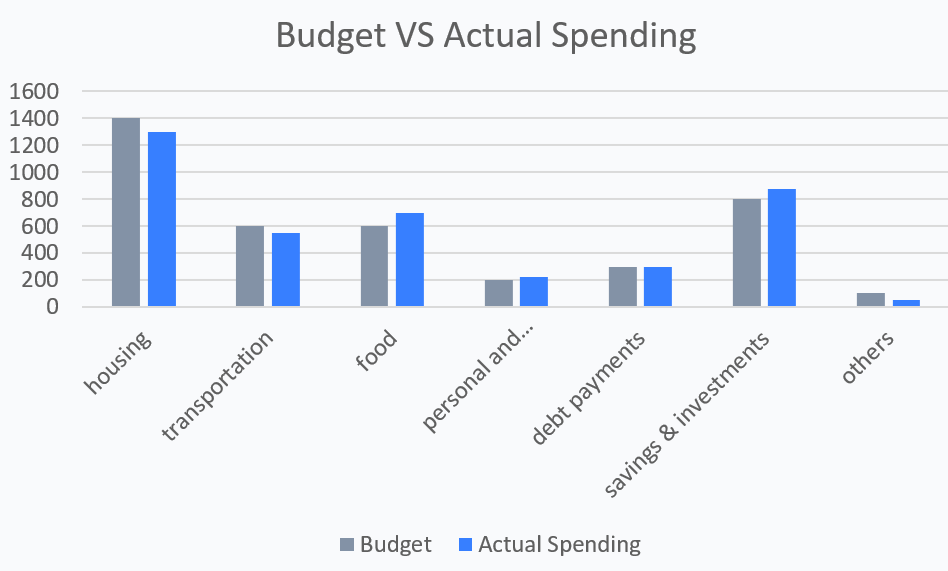
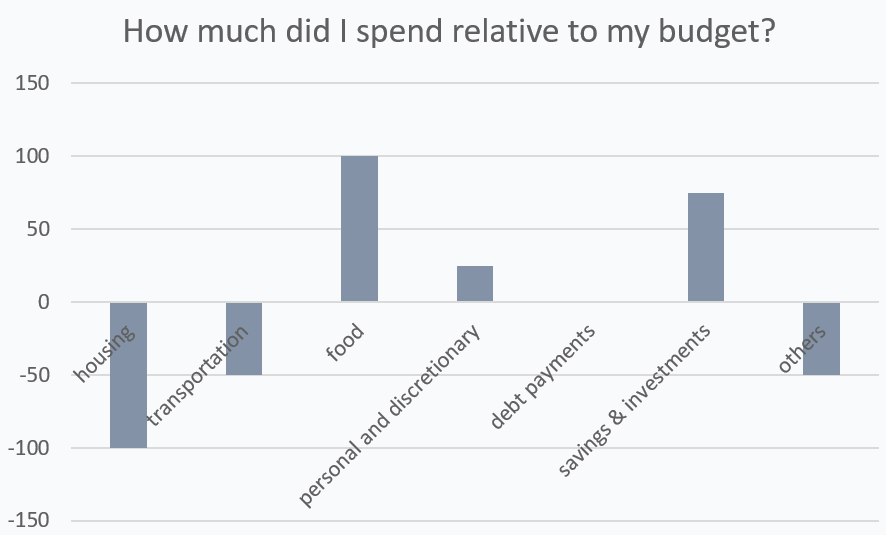
You can also visualize how well you are doing relative to your budget by creating a graph with this your monthly spending data:
0:00 / 0:00
Example: Modifying a Budget
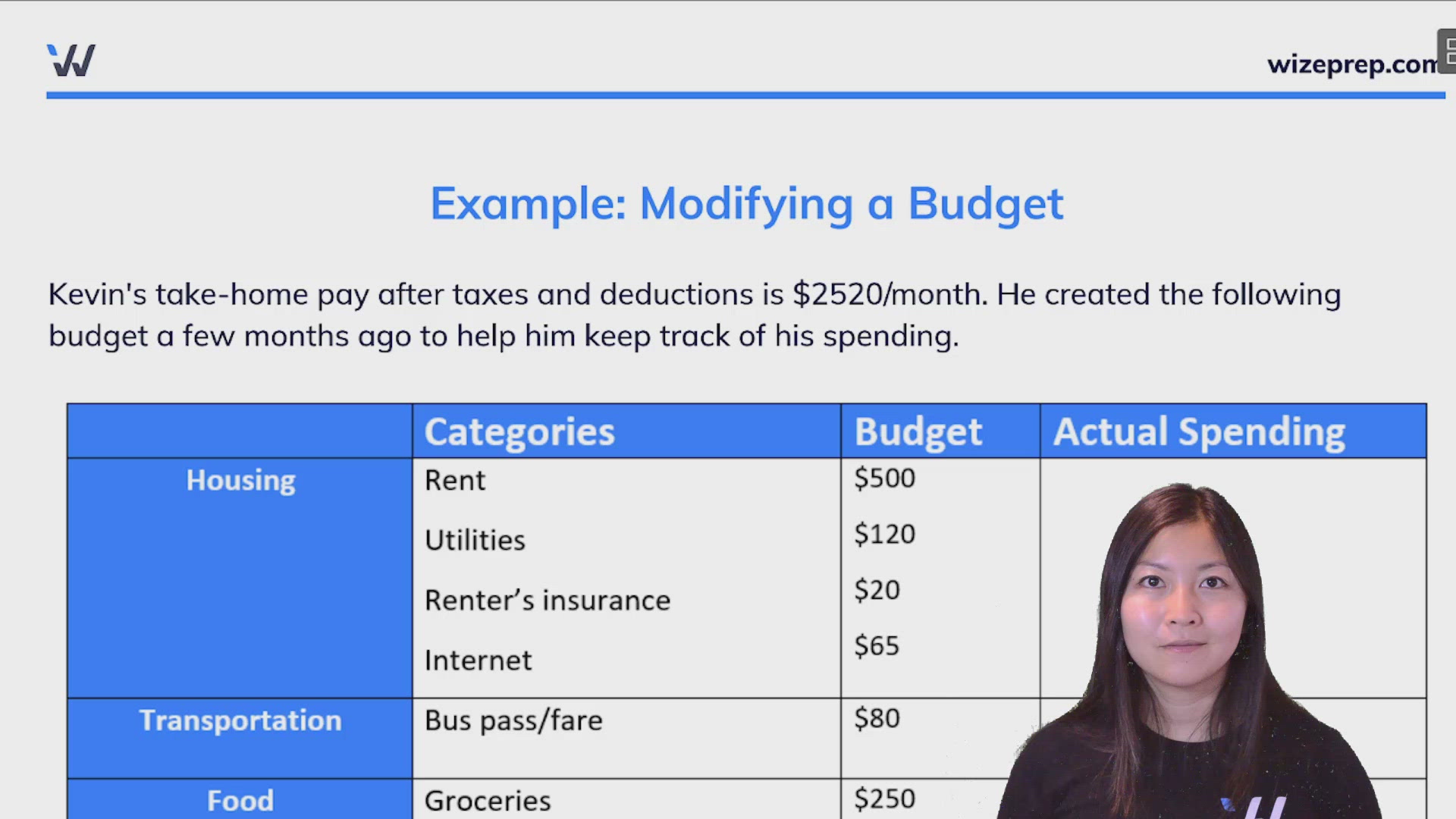
Kevin's take-home pay after taxes and deductions is $2520/month. He created the following budget a few months ago to help him keep track of his spending.
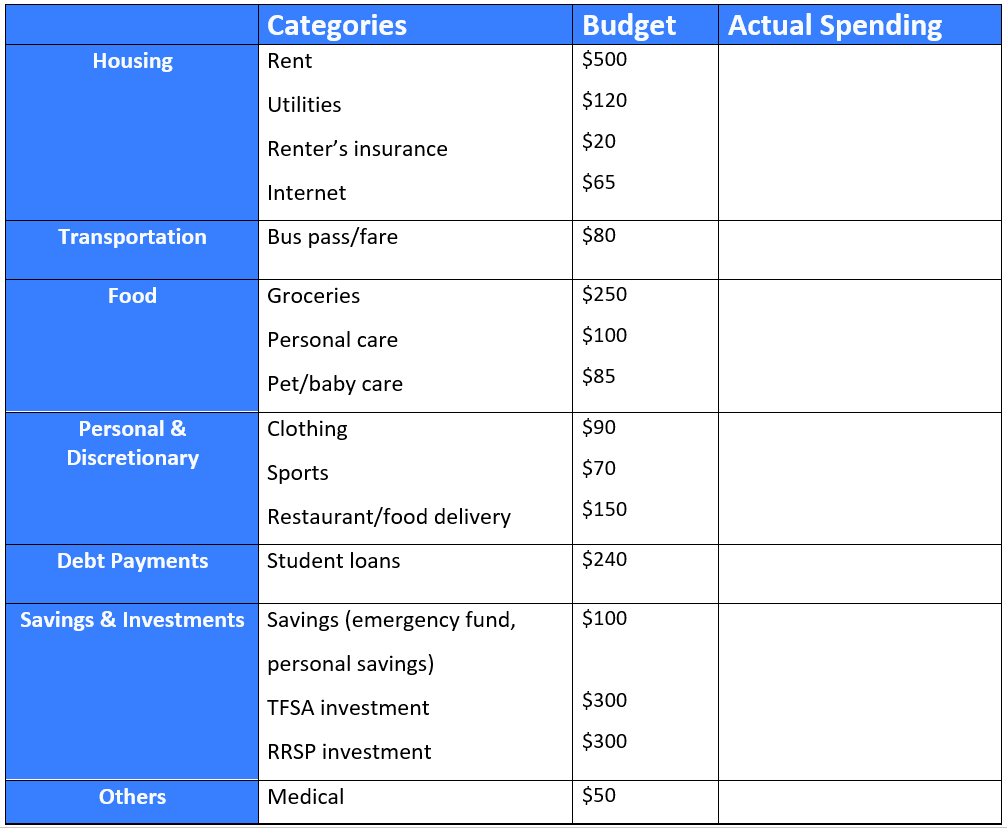
Here's a record of Kevin's spending for the previous month.
- Aug 1: paid rent to landlord on Aug 1 -- $550
- Aug 1: paid the internet bill -- $65
- Aug 1: bought a bus pass -- $65
- Aug 3: bought groceries -- $85
- Aug 5: ate out at a fast-food restaurant: $17.50
- Aug 6: took a cab ride -- $15.25
- Aug 6: bought a new pair of shoes -- $65.20
- Aug 7: broke his glasses, needed new ones -- $135
- Aug 8: ordered pizza -- $24.20
- Aug 10: bought groceries -- $90
- Aug 15: bought new dog food and a new dog toy -- $80
- Aug 16: paid for gym membership -- $45
- Aug 18: bought groceries -- $35
- Aug 20: ordered pizza -- $26.30
- Aug 21: unexpected vet bill -- $120
- Aug 22: went to the movies with friends -- $21.50
- Aug 25: bought groceries -- $55
- Aug 25: bought toiletries and a new razor -- $95
- Aug 30: paid student loans -- $240
- Aug 31: paid utilities bill (it was a cooler month and Kevin wasn't home very much) -- $95
- Aug 31: put $100 in savings, then split the remaining amount of money evenly between his TFSA and RRSP
a) Fill in the budget chart for Kevin's actual spending.
b) Help Kevin modify his budget as needed. Give reason for each modification.
See video for walk-through explanation.
Practice: Modifying a Budget
Andrew works part-time at a clothing store and also works as a freelance dog walker. His net monthly income from the clothing store is $1200, and his net monthly income from dog walking is $550.
His budgeted fixed monthly expenses:
- $550 for rent (he shares his rental house with one other friend)
- $135 for car payments
- $140 for car insurance
His budgeted variable monthly expenses:
- $250 for food
- $95 for gas and car maintenance
- $50 for clothing
- $100 for entertainment
- $50 for personal care items
- $380 savings for going to college next year
Here's how his last month actually went:
- He made an extra $45 from dog walking
- He found another roommate and his rent went down to $400
- His car payments were $135 and car insurance was $140
- He bought two pairs of jeans for a total of $43.75 and a new pair of shoes for $85
- He spent $300 for food because he had to throw his new roommate a welcome home party that he hadn't planned for
- He paid $75 dollars for gas and bought a spare car part for $25
- He bought two concert tickets for a total of $120
- He spent $52.50 on personal care items
- He saved the remaining money for his college fund
What is the difference between Andrew's budgeted fixed monthly expenses and his actual fixed monthly expenses?
Practice: Modifying a Budget
The pie-charts below show Josh's monthly spending for January, April, July, and October of last year, along with his original budget breakdown. Based on this data alone, make suggestions about what modification(s) are needed to get Josh's budget ready for the upcoming year.


Mark Yourself Question
- Grab a piece of paper and try this problem yourself.
- When you're done, check the "I have answered this question" box below.
- View the solution and report whether you got it right or wrong.
Practice: Personal Budget
Now it's your turn to create your very own personal budget!
Option 1
Here are some steps that will guide you to create a personal budget for your current self (as a student)
- Using the internet or newspapers, research a part-time job that you think you would enjoying doing and find out what it pays.
- Think about everything you have spent money on in the past, and what you would like to spend money on in the near future. Create a list of all the budget categories you think you'll need (ex. food, clothing, entertainment, etc.)
- Using paper and pencil, a spreadsheet (Excel or Google Sheets), or a budgeting app, create your personal budget.
- Based on your potential income, how much should you allocate into each budget category?
- Make sure that the total of all of your budget categories is less than or equal to your total potential income.
Option 2
If you want to create a budget for the future you that has completed high school and working at a full-time job, here are some steps for guidance:
- Thinking about different careers that you may be interested in. (Consider your strengths, weaknesses, interests, salary expectations, etc.)
- Using the internet or newspaper, research the starting salary for your dream career.
- Think about everything you'd think you'll have to spend money on as an adult (ex. Will you want to own or rent your home? Will you want to live with roommates or alone? Will you want to drive a car or take public transit? Will you travel? Will you future hobbies cost money? etc.)
- Using paper and pencil, a spreadsheet (Excel or Google Sheets), or a budgeting app, create your personal budget.
- Based on your potential income, how much should you allocate into each budget category?
- Make sure that the total of all of your budget categories is less than or equal to your total potential income.