Wize University Biology Textbook > Seedless Plants
Seedless Vascular Plants
Popular Courses
Biology
General Course
General Biology
University Study Guides
DAT
General Course
BIO 1131
University of Ottawa
General Biology
University Study Guides
BIOL 108
University of Alberta
BIOL 111
McGill University
BIOL 184
University of Victoria
BIOL 1201
Western University
BIOL 1011
Dalhousie University
BIOL 1P91
Brock University
BIOLOGY 2601A/B
Western University
BLG 144
Toronto Metropolitan University
BIOL 1020
University of Manitoba
BIOL 331
University of Calgary
BIOA01H3
University of Toronto
BISC 102
Simon Fraser University
BI110
Wilfrid Laurier University
BIO220H1
University of Toronto
BIOL 201
University of Alberta

0:00 / 0:00
Characteristics of Seedless Vascular Plants
The vascular tissue was necessary for plants to grow tall

- Have vascular tissue
- Xylem
- moves water
- contains lignin
- formed through programmed cell death
- Phloem
- moves nutrients, minerals and organics through plant
- living tissue
- Products from Roots and Leaves to the rest of the plant
- Allows plants to grow taller
- Roots
- Complex, multicellular
- Anchors plants
- Provides nutrients
- Leaves
- Complex, multicellular
- Enables photosynthesis
- Microphylls: small, single vascular tube
- Megaphylls: large, complex branching vascular system (most plants)
- Greek "phyll" = leaf
- Sporophylls
- Sporangia: modified leaf that produces spores
- Adapted sporollenin walls to protect Sporangia from desiccation

Life Cycle
- Dominant Form: Diploid (2N) Sporophyte
- No longer depends on the Haploid (1N) Gametophyte
- Opposite of bryophytes
- Allows for greater complexity
0:00 / 0:00
Diversity of Seedless Vascular Plants
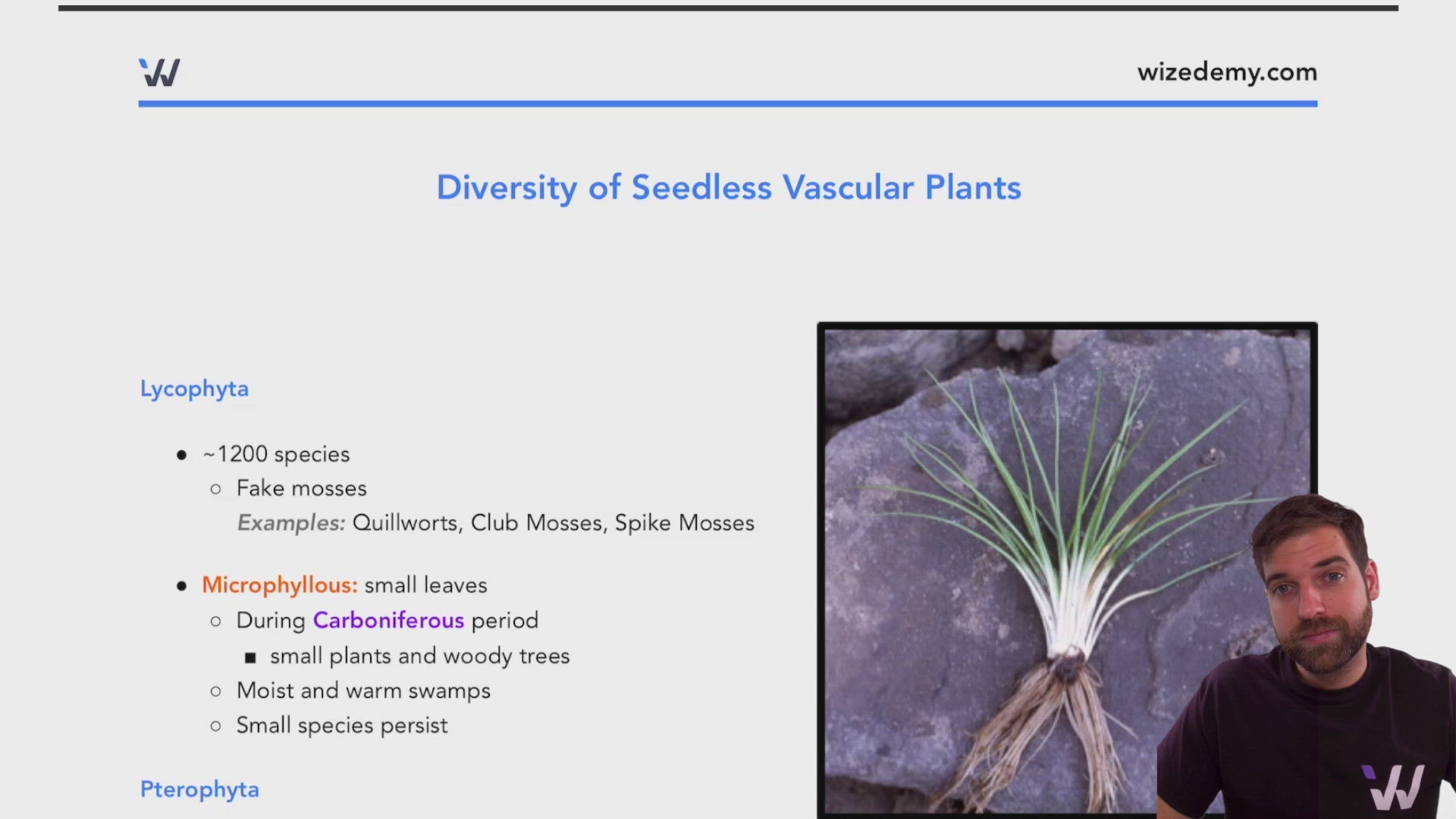
Lycophyta
- ~1200 species
- Fake mosses Examples: Quillworts, Club Mosses, Spike Mosses
- Microphyllous: small leaves
- During Carboniferous period
- small plants and woody trees
- Moist and warm swamps
- Small species persist
Pterophyta
- ~12,000 species
- Much of the diversity has gone extinct Example: Ferns
- Marshy, Wet environment
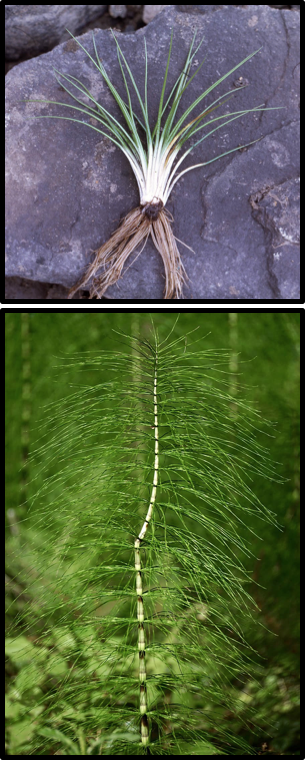
- Whisk Ferns
- Living fossils
- No roots or leaves
- Horsetails
- Grew to 15m in Carboniferous period
- Only 15 extant species
- True Ferns
- Megaphylls
- Large leaves, extensive branching
- Most successful of seedless vascular plants (~12,000 species)
- Sori: clusters of sporangia on bottom of leaves
- Dispersal through catapult or wind
Exam Tip
Remember that Sporophytes (plants) produce Sporangia (specialized structures) which release Spores (gametes).
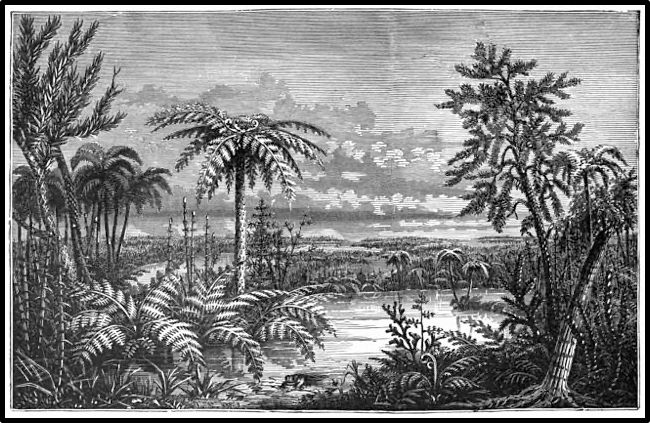
Coal Swamps
- Derived from Lycophyta and Pterophyta
- Coal: produced from a combo of Swamps + Marine Sediments + Decayed Organic Matter + heat + pressure
- Plants in swamps sequestered large amount of CO2
- 5x less atmospheric CO2
- This produced the fossil fuels we use today
Carboniferous Dry-out
- Environment began to dry
- Plants adapted by making seeds
- Seeds: Embryo with stored food and protection
Practice: Seedless Vascular Plants
What term is used to describe the large, complex branching vascular system found in most plants?
Practice: Seedless Vascular Plants
Which of the following best describes plant phloem?
Practice: Seedless Vascular Plants
What is the dominant life stage in seedless vascular plants?
Practice: Seedless Vascular Plants
What atmospheric function did the coal swamps serve when they existed?
Practice: Seedless Vascular Plants
Which taxon of Seedless Vascular Plants was the most diverse?