Wize University Biology Textbook > Overview of Animals
Evolution of Animals
Popular Courses
Biology
General Course
General Biology
University Study Guides
Grade 12 Biology
Canada High School
High School Biology
US High School
Grade 11 Biology
Ontario High School
Grade 11 Biology
Canada High School
DAT
General Course
BIO 1131
University of Ottawa
General Biology
University Study Guides
BIO120H1
University of Toronto
BIOL 108
University of Alberta
Biology 20
Alberta High School
BIOL 111
McGill University
BIOL 184
University of Victoria
BIOL*1070
University of Guelph
BIOL 1201
Western University
Life Sciences 11
British Columbia High School
BIOL 1011
Dalhousie University
BIOL 1P91
Brock University
BIOLOGY 2601A/B
Western University
0:00 / 0:00
Evolution of Animals
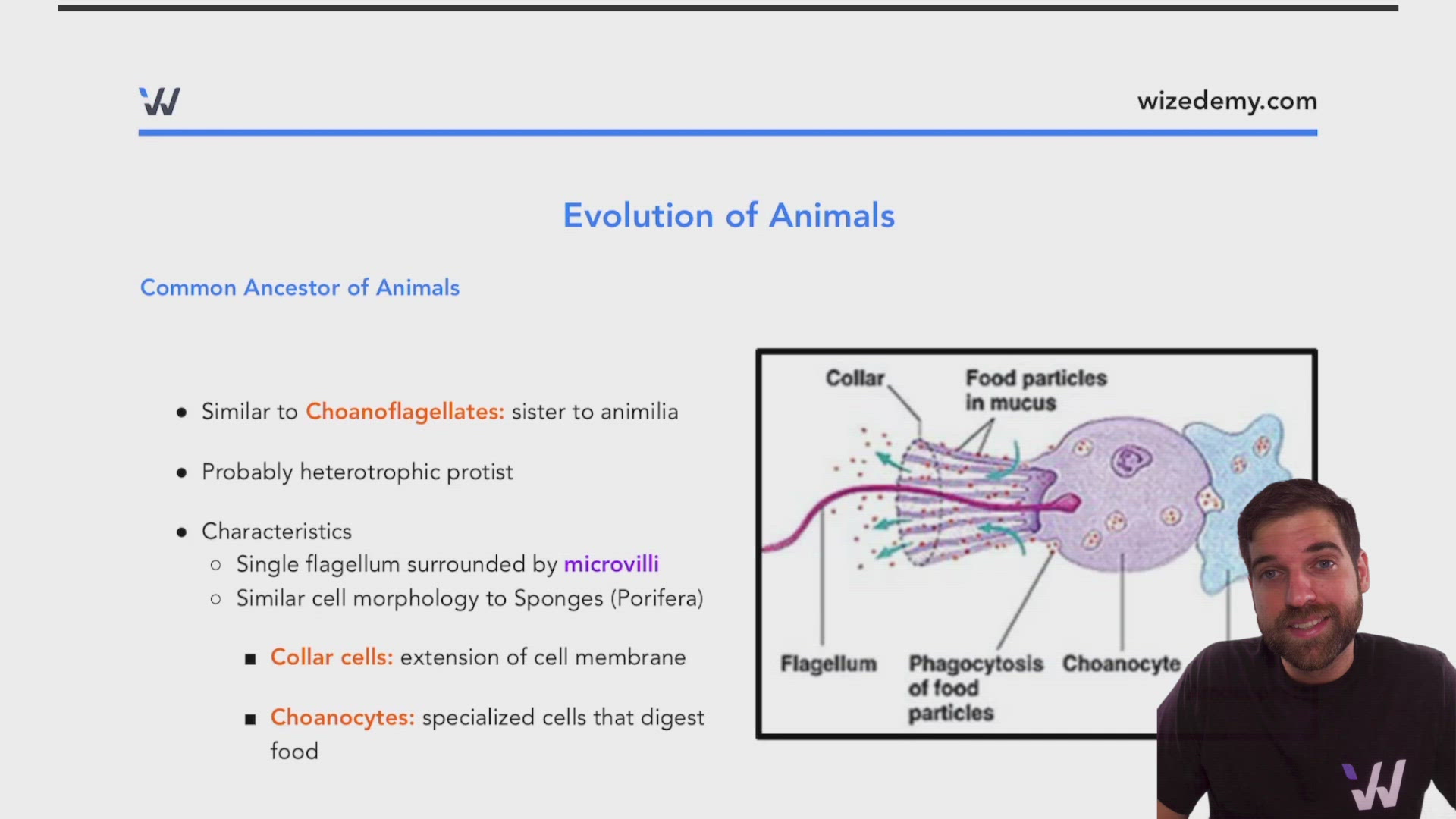
Common Ancestor of Animals
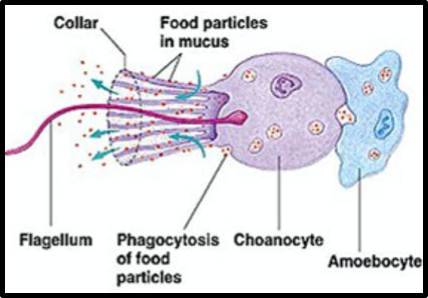
- Similar to Choanoflagellates: sister to animilia
- Probably heterotrophic protist
- Characteristics
- Single flagellum surrounded by microvilli
- Similar cell morphology to Sponges (Porifera)
- Collar cells: extension of cell membrane
- Choanocytes: specialized cells that digest food
Evolution of Multicellularity
- Many independent origins of multicellularity Examples: Animals, fungi, plants etc.
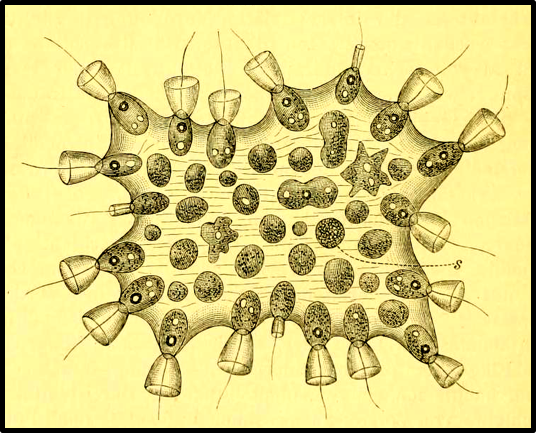
- Probably a ball shaped choanoflagellate evolved an ecto- and endo- dermal layers > simple animal
- Choanoflagellates likely began to stick together (grow as a colony)
- Seeing how zygotes develop gives insight into the evolutionary origins
- When cells grouped together were more successful, multicellularity evolved
- Higher relative fitness
- Selective advantages
- Colonies were larger
- harder for predators to eat
- Easier for colonies to eat other things
- larger
- more coordination
- developed specialization of tasks: division of labor, more efficient
- Disadvantages
- Most cells in colony don't get to reproduce
- cells that do reproduce need support
- Somatic cells: handle growth and maintenance
- Requires cooperation
- Some cells may cheat Example: Cancer involves uncontrolled growth of selfish cells
Overcoming the Limits of Diffusion
- Diffusion: Random movement of molecules from high density to low density
- Only good over short distances
- Slow and ineffective
- Limits size of organism Examples: bacteria
- Solution
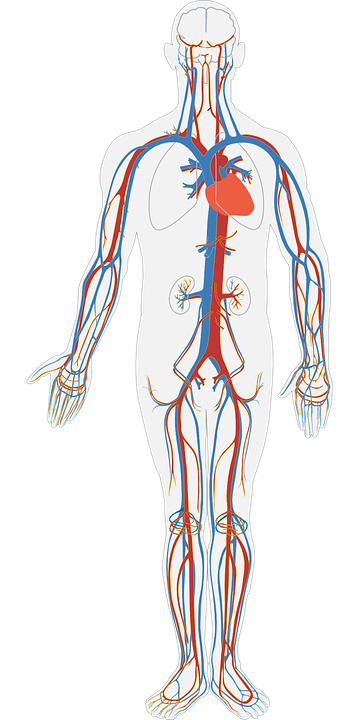
- Bulk Flow: moving molecules together in large groups
- Active transport of oxygen and nutrients in bulk
- Uses specialized tissue Examples: Circulatory system
- Not in sponges and jellies
- Metabolically active tissues are near the surface to maximize diffusion
Eras of Animal Evolution
- Paleozoic Era (542 - 421 MYA)
- Cambrian explosion: Rapid fossil evidence of many major groups of animals
- Evolution of complex life Examples: Vertebrates with skeletons
- Most major phyla appeared
- Mesozoic Era (251 - 65.5 MYA)
- Age of Dinosaurs
- First mammals appeared
- Diversification of flowering plants and insects
- Cenozoic Era (65.5 MYA - present)
- Mass extinction of terrestrial and marine animals
- Non-flying Dinosaurs and reptiles
- Mammals diversified and increased in size
- Filled vacant niches

Colony Formation
Which of the following was true about the formation of cellular colonies? (select all that apply)
Practice: Evolution of Animals
In what era did the Cambrian Explosion occur?