Wize University Biology Textbook > Ecology
Community Ecology
Popular Courses
AP Biology Exam Prep Course
AP Exam Prep
Biology
General Course
General Biology
University Study Guides
BIOL 211
University of Calgary
Grade 12 Biology
Canada High School
DAT
General Course
High School Biology
US High School
BIOL 103
Queen's University
BIO 1131
University of Ottawa
BIOL 121
University of British Columbia
BIOLOGY 1M03
McMaster University
BIO120H1
University of Toronto
General Biology
University Study Guides
BIOL*1070
University of Guelph
SC/BIOL 1001 3.00
York University
BIOL 1201
Western University
BIOL 1011
Dalhousie University
BIOL 1P91
Brock University
BLG 144
Toronto Metropolitan University
BIOL 1020
University of Manitoba
0:00 / 0:00
Community Ecology
Understanding how species compete and coexist. This includes fascinating behaviors that you can observe every day.
- Niche: combination of a species' physical habitat and ecological role
- Determined by abiotic and biotic factors
- Climate
- Interactions with other species
- These factors drive evolution and adaptation
- Specialization allows similar species to coexist
- Fundamental Niche: the theoretical range in which a species COULD exist
- Based on climate, food, shelter etc.
- Species rarely get to occupy all of this theoretical space
- Realized Niche: the actual range in which a species DOES exists
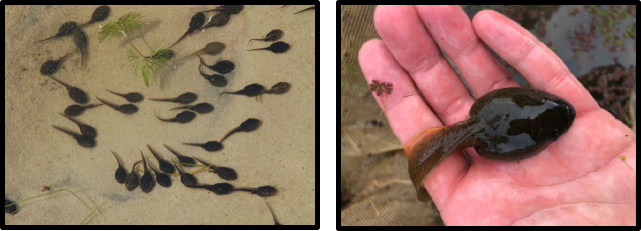
- Interactions with other species often excludes animals from parts of their fundamental niche Example: Tree frogs occupy ponds near forests throughout North America – this is their fundamental niche. But they are excluded from ponds that also have larger frogs, because the larger frogs out-compete the tree frogs for food. The tree frog's realized niche is therefore ponds without larger frogs
- Competition can shape species niches
- Competition: when two species compete for the same resource
- A lose-lose situation, neither benefit
- Intraspecific Competition: competition between individuals of the SAME species
- Interspecific Competition: competition between individuals of DIFFERENT species

- Competitive Exclusion: when interspecific competition is so great that one species completely excludes the other
- Reduces the losers realized niche
- If the loser tried to stay in the area, it may go extinct due to competition Example: foxes will avoid areas where there are a lot of coyotes because both species waste energy when the two compete with each other for resources.
- Resource Partitioning: species evolve differences in traits to reduce competition
- Also called niche differentiation
- Occurs over time when competition between species is costly
- Species will diverge in their traits to reduce competition
- Can lead to new species Examples: Habitat use, feeding strategies, activity times etc...
0:00 / 0:00
Disturbances
Humans are creating unparalleled disturbances in biological communities, understanding how species respond is crucial to conservation
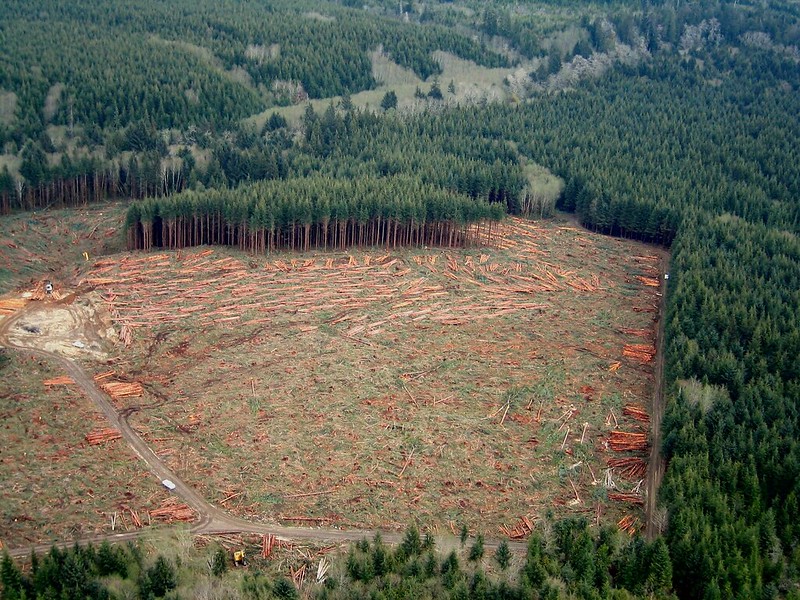
- Disturbances: events that produce severe physical impacts on a habitat Examples: storms, earthquakes, human activity
- Can drastically lower species population
- May disrupt whole ecosystem
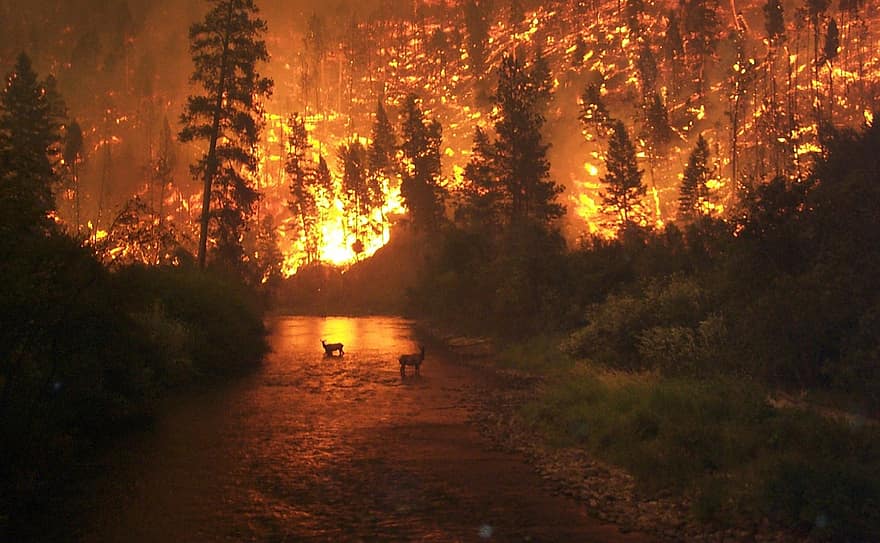
- Pulse disturbances: Short term, immediate disturbances
- Windstorms
- Floods
- Wave activity
- Fire
- Sudden increase in the number of herbivores in the habitat Example: locust
- Disease outbreaks
- Introduction of invasive species.
- Press disturbances: Long term, persistent disturbances
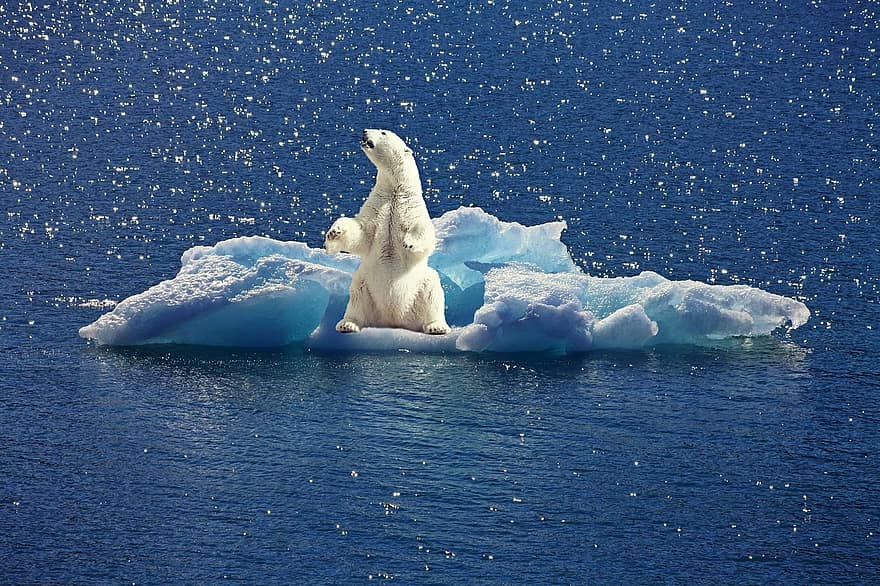
- Climate changes
- Geological processes Examples: mountain formation, continental movement, change in river flow
- Extinction of prey or mutualist
- Disturbance Regime: the type, frequency, and the severity of the disturbance
- Succession: how the community responds to the new habitat created by the disturbance
- Primary succession: when all life was wiped out Example: glacier melts and exposes bare rock for the first time
- "Starting from scratch"
- Secondary succession: when only some life was wiped out Example: Fire burns forest, but leaves the soil and seeds intact
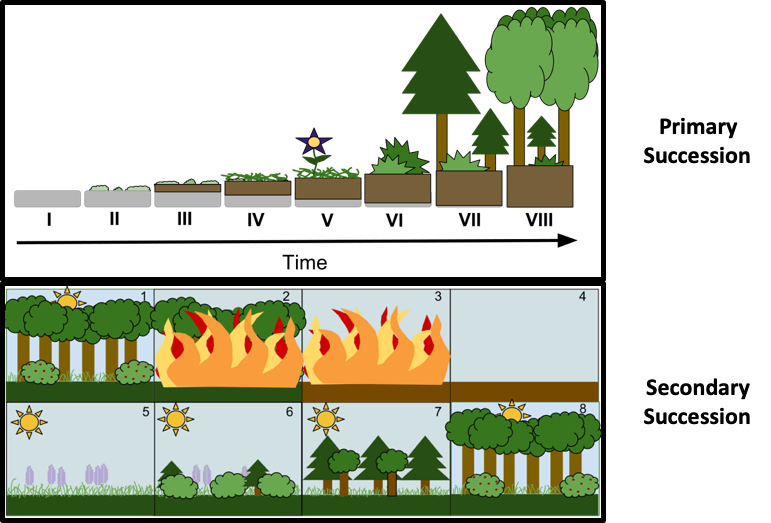
- Pioneer species: first organisms to re-colonize after disturbance
- Species with high environmental tolerance
- First - Lichens
- Second - Annual plants and grasses
- Third - larger plants, insects, small mammals, birds
- Climax Community: when the ecosystem reaches equilibrium
- Not much change in species ("settles")
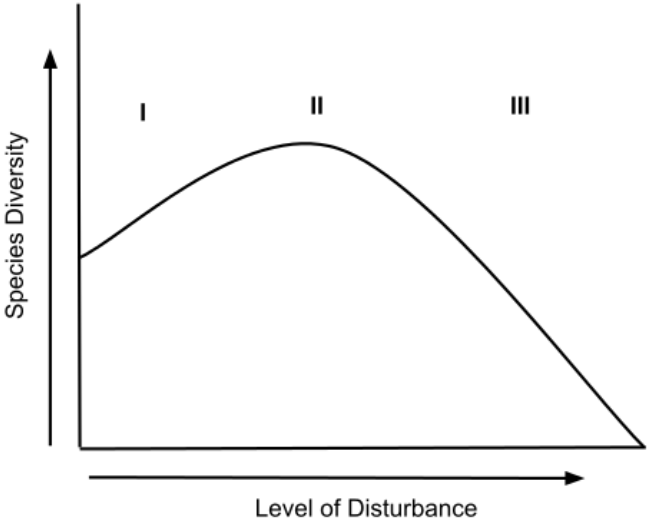
- intermediate disturbance hypothesis (IDH): intermediate levels of disturbance supports the greatest diversity
- At high levels of disturbance all species are at risk of going extinct
- At intermediate disturbance, species that thrive at both early and late successional stages can both exist
- At low levels of disturbance, diversity decreases because competitive exclusion increases

Mark Yourself Question
- Grab a piece of paper and try this problem yourself.
- When you're done, check the "I have answered this question" box below.
- View the solution and report whether you got it right or wrong.
Two closely related species of woodpeckers live in Canada. The black variety lives in coniferous forests while the yellow variety in deciduous forests. In the United States however, the black woodpecker is not present and the yellow variety occupies lives both deciduous and coniferous forests. What does this say about the yellow woodpeckers niche in Canada?
Mark Yourself Question
- Grab a piece of paper and try this problem yourself.
- When you're done, check the "I have answered this question" box below.
- View the solution and report whether you got it right or wrong.
Think of an example of why an animals realized niche may be different from their fundamental niche.
Try to be specific and explain your thinking.
Which type of competition specifically deals with interactions between two different species?