Wize University Biology Textbook > Ecology
Species Interactions
Popular Courses
AP Biology Exam Prep Course
AP Exam Prep
Biology
General Course
General Biology
University Study Guides
BIOL 211
University of Calgary
Grade 12 Biology
Canada High School
DAT
General Course
High School Biology
US High School
BIOL 103
Queen's University
BIO 1131
University of Ottawa
BIOL 121
University of British Columbia
BIOLOGY 1M03
McMaster University
BIO120H1
University of Toronto
General Biology
University Study Guides
BIOL*1070
University of Guelph
SC/BIOL 1001 3.00
York University
BIOL 1201
Western University
BIOL 1011
Dalhousie University
BIOL 1P91
Brock University
BLG 144
Toronto Metropolitan University
BIOL 331
University of Calgary
0:00 / 0:00
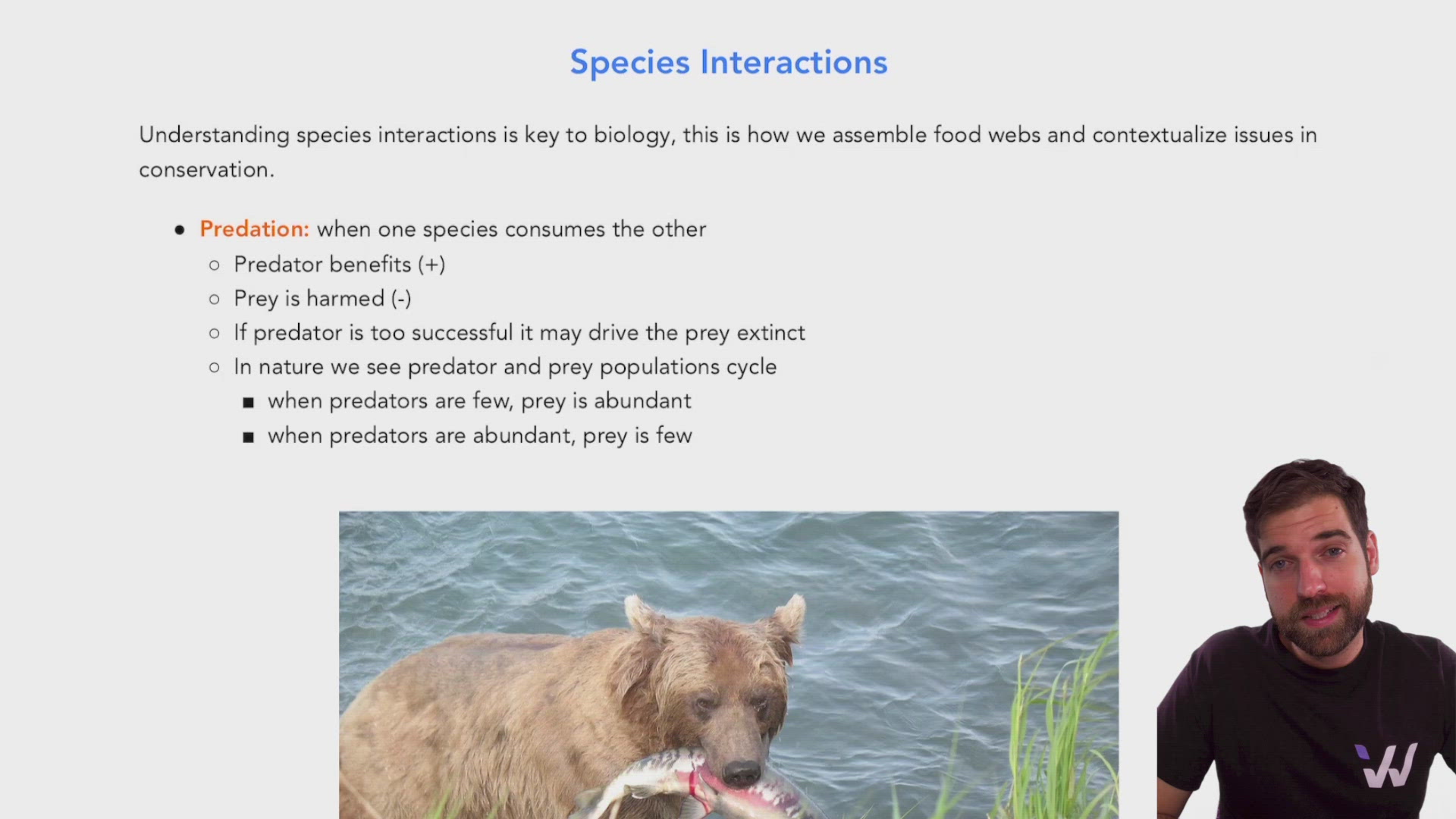
Species Interactions
Understanding species interactions is key to biology; this is how we assemble food webs and contextualize issues in conservation.
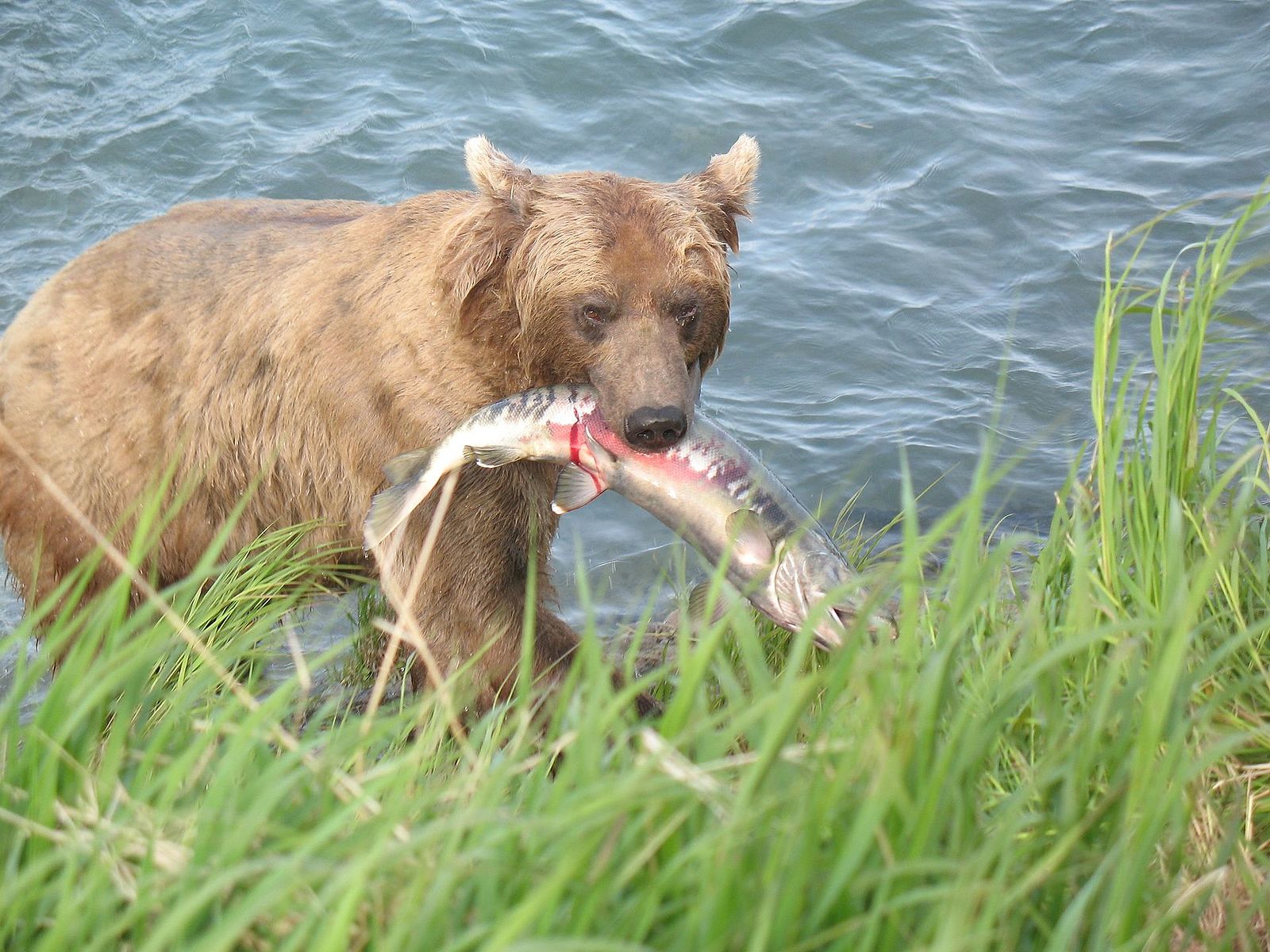
- Predation: when one species consumes the other
- Predator benefits (+)
- Prey is harmed (-)
- If predator is too successful it may drive the prey extinct
- In nature we see predator and prey populations cycle
- when predators are few, prey is abundant
- when predators are abundant, prey is few
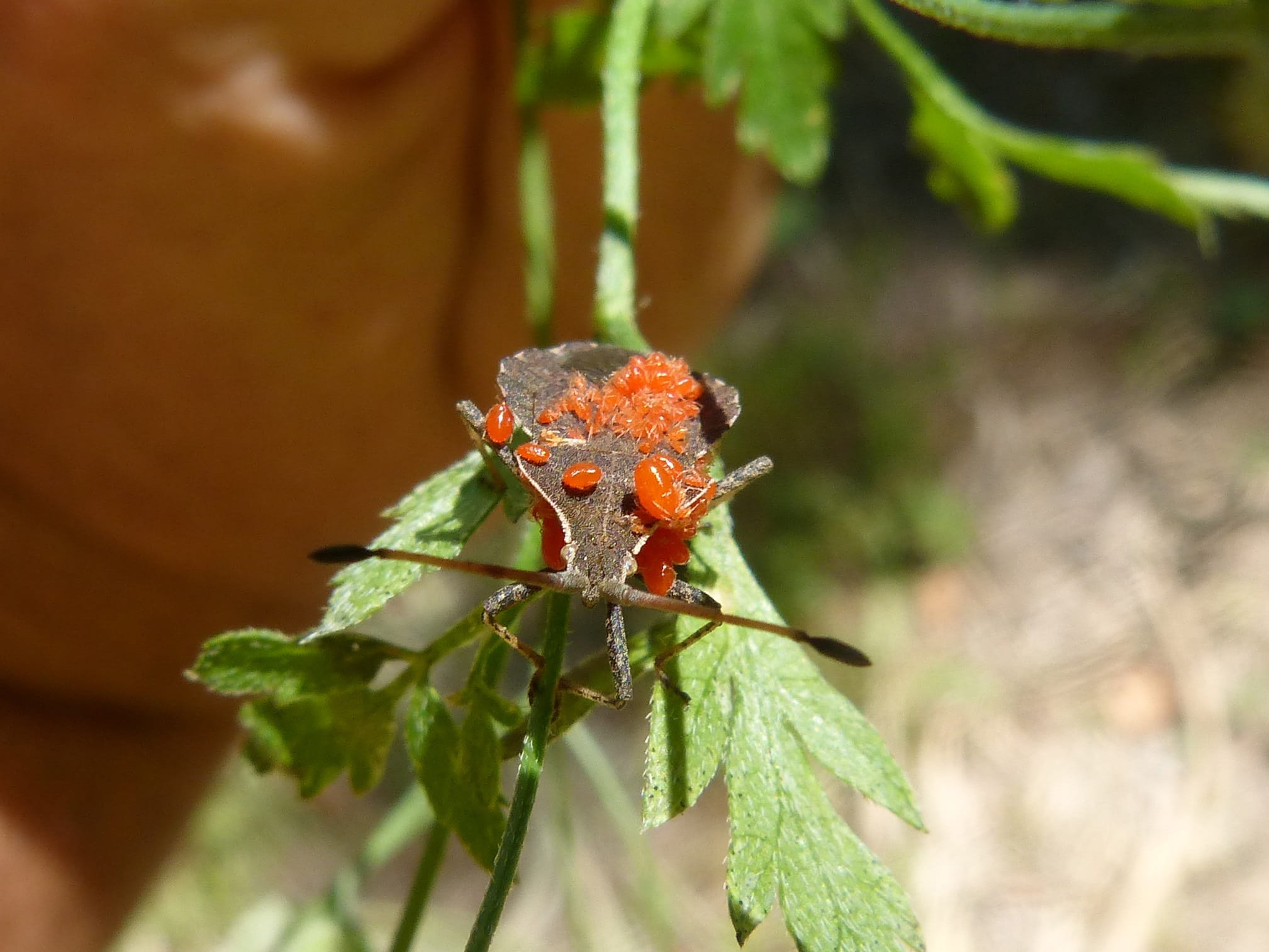
- Parasites: One species lives on / in another species gaining nutrition directly from their tissues
- Parasite benefits (+)
- Host is harmed (-)
- Typically does not kill host
- Lower host's fitness
- Reduces host population size
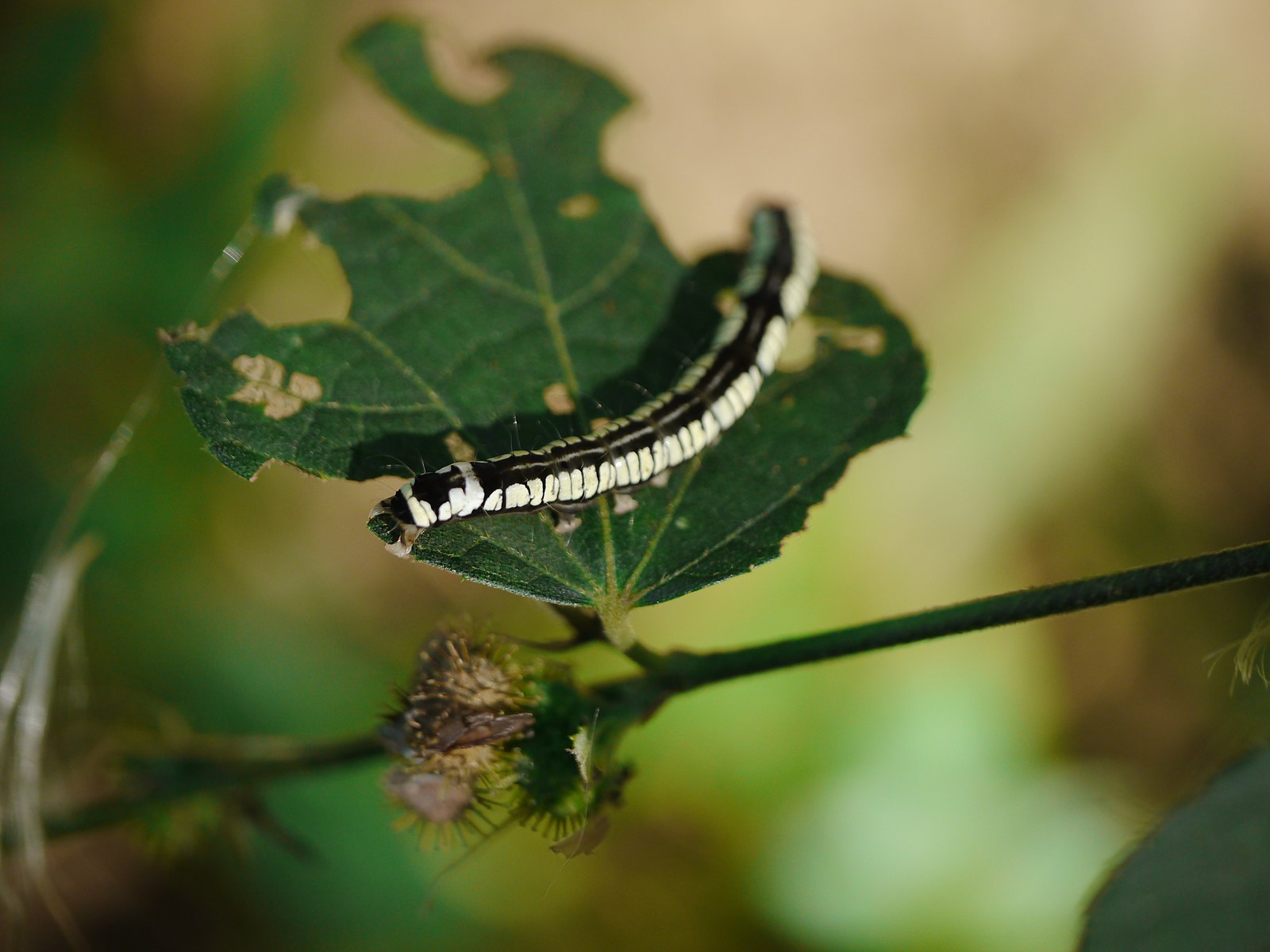
- Herbivory: the consumption of plants
- Herbivore benefits (+)
- Plant is harmed (-)
- Facilitation: occurs when two species prey on a third species
- Two cooperating species benefit (+)
- Prey is harmed (-) Example: fungi and beetles attack pine trees, and the two species help each other in this attack. The beetles facilitate the fungi by providing an entry into the tree through the tunnels they create. Fungi help the beetles by lowering the tree's defenses.
- Mutualism: when both species benefit from the interaction
- Both species benefit (+) Example: Nitrogen-fixing bacteria in plant root nodules. The bacteria are naturally found in the soil and are attracted to the root nodules. The bacteria provide the plant with nitrogen, and the plant provides the bacteria with nutrients and a stable environment. The plant actually forms the nodules in response to the bacteria. The cost to the plant of producing the root nodules is out-weighed by the benefit of receiving nitrogen.
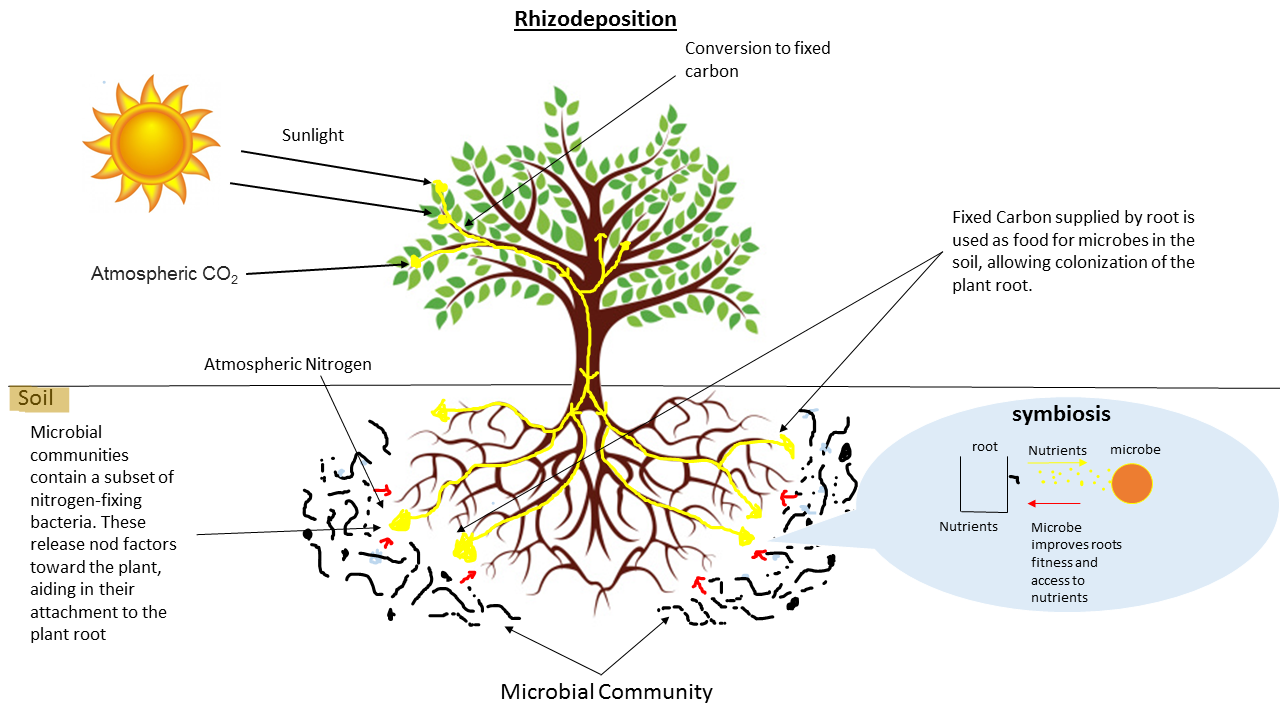
- Symbiosis: when two mutualists completely depend on eachother
- Evolves over time when mutualism is very beneficial Example: Aphids and their gut bacteria. The aphids provide a stable environment and nutrients for the bacteria. Aphids feed on plant sap, which is low in nutrients. The bacteria provide the aphids with essential amino acids they would not be able to acquire from plant sap
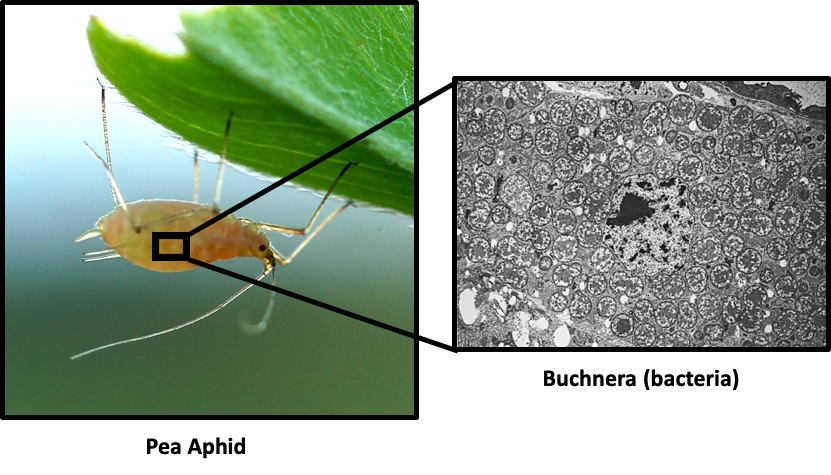
- Obligate mutualism: when one or both species cannot survive without the other. Example: The aphid example above is obligate mutualism. The bacteria cannot live outside of the aphid, and the aphid cannot live without the nutrients provided by the bacteria.
- Facultative mutualism: when one or both species can survive without the other if needed. Example: Midges pollinate cacao plants. The midge can survive without the cacao plant because it can feed off of other plants, so for the midge, the relationship is facultative. But the cacao plant is not pollinated by any other insect, so it cannot live without the midge. So for the plant, the relationship is obligate.
- Commensalism: one species benefits, the other is unaffected
- One species benefits (+)
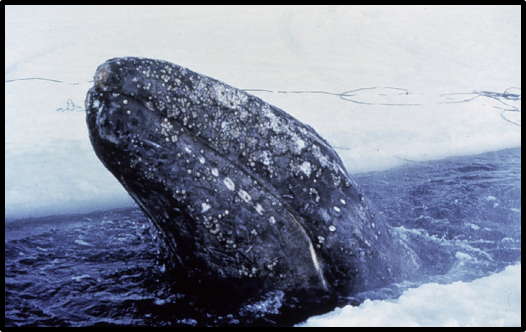
- The other species is neutral (0) Example: Grey whales are often covered with barnacles. The barnacles benefit because they get a surface to attach to and access to nutrient-rich waters, but the barnacles do not seem to affect the whales at all
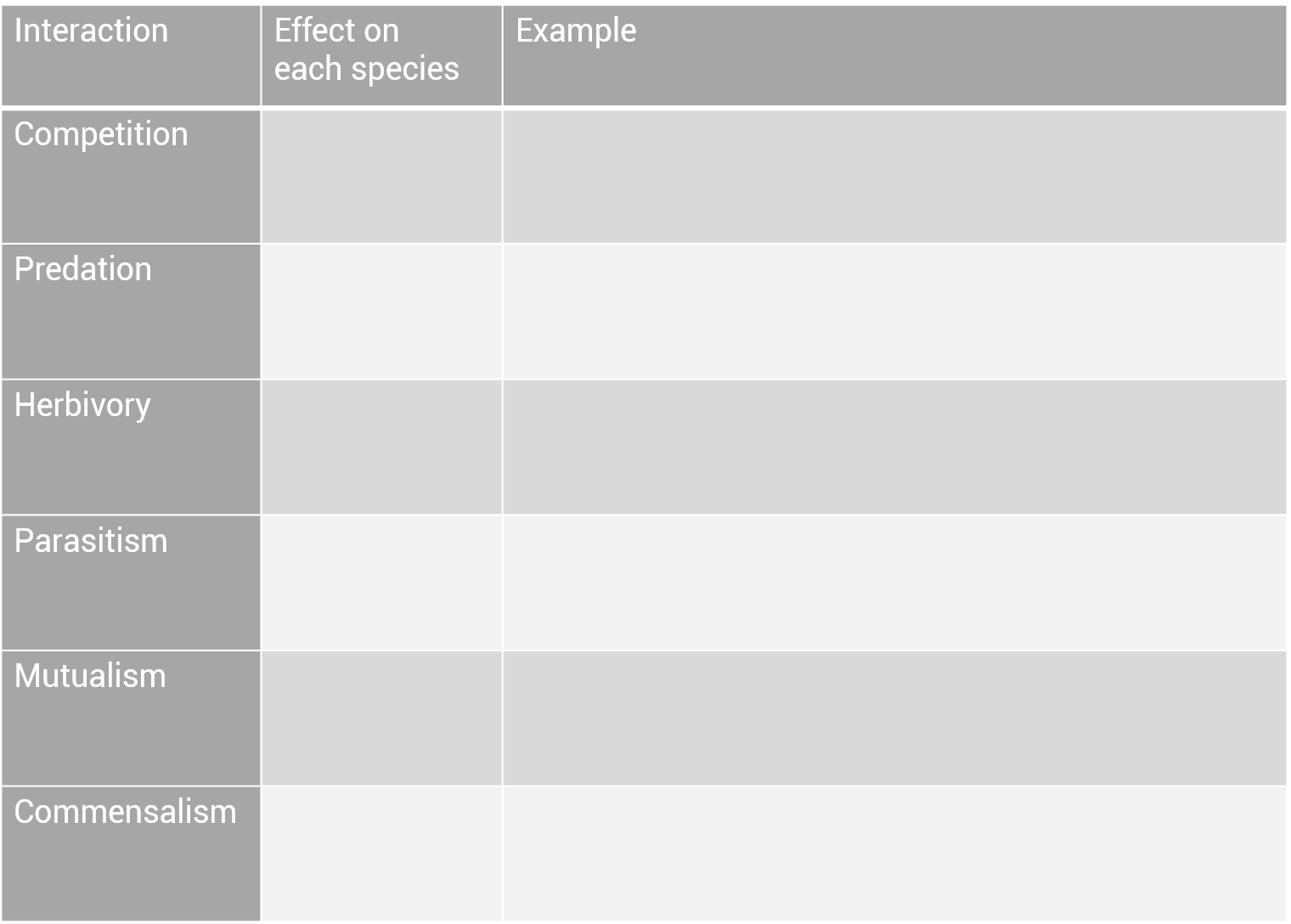
Species Interaction Cheatsheet
Fill in the following Cheatsheet during the "Species Interactions" video to have a go-to list of different species interactions and an example of each.
Lichen attaches to trees and slowly breaks them down in order to obtain nutrients to increase their fitness. This is an example of what type of relationship?
a) Predatory
b) Mutualism
c) Parasitism
d) Decomposition
The honey-guide is a bird in Africa that enjoys eating larval bees, however the bird cannot actually crack open the beehives itself. The Honey-guide signals to the Honey Badger and guides it to a beehive. The Honey Badger then cracks open the hive to eat the honey and leaves the larval bees for the honey-guide. What type of species interaction is this? (and yes this is real!)