Wize University Biology Textbook > Animal Physiology
Thermoregulation
0:00 / 0:00
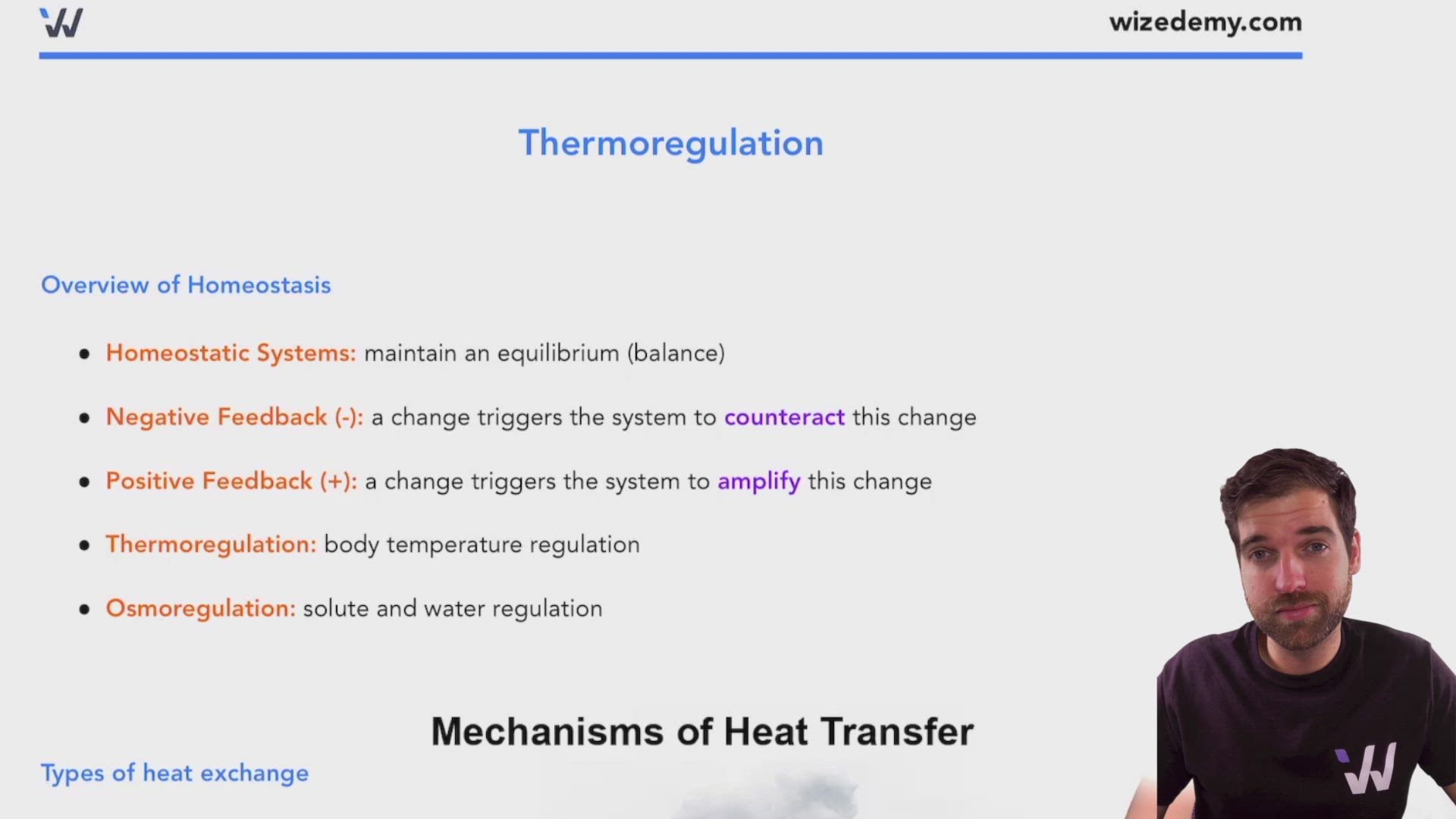
Thermoregulation
Overview of Homeostasis
- Homeostatic Systems: maintain an equilibrium (balance)
- Negative Feedback (-): a change triggers the system to counteract this change
- Positive Feedback (+): a change triggers the system to amplify this change
- Thermoregulation: body temperature regulation
- Osmoregulation: solute and water regulation
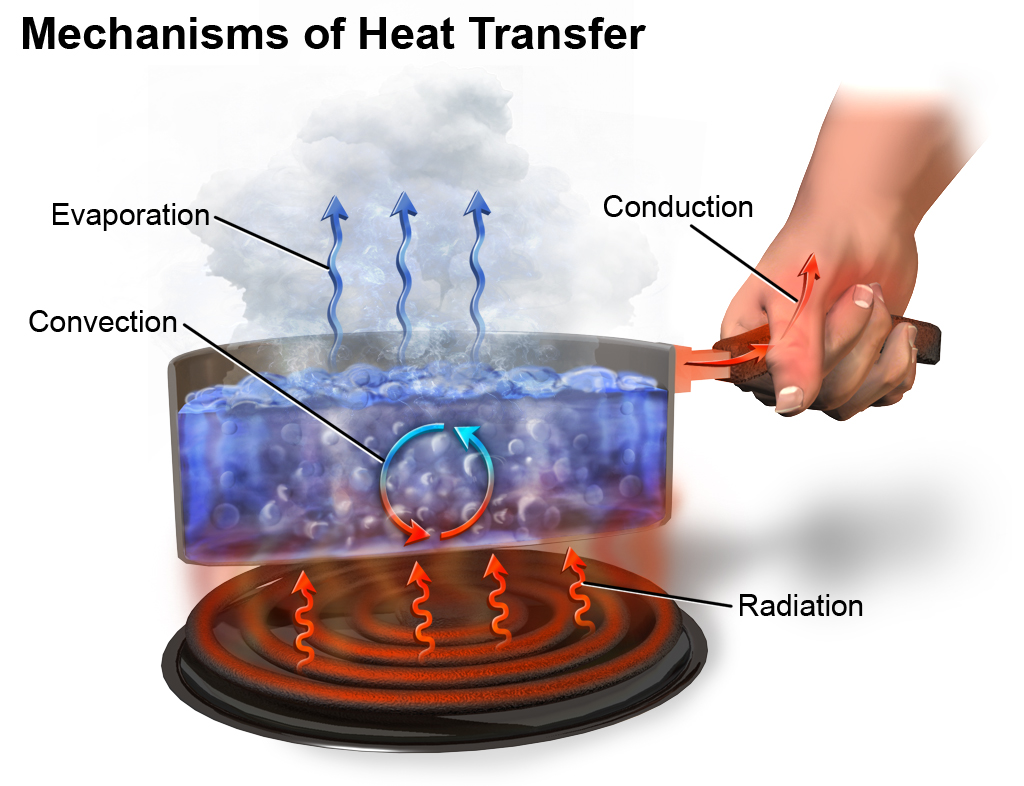
Types of heat exchange
- Conduction: direct transfer of heat between molecules in direct contact
- Convection: mass movement of warm air or fluid to or from a body/object
- Radiation: emission of electromagnetic waves
- Evaporation: loss of heat energy from the surface of a liquid losing molecules as gas
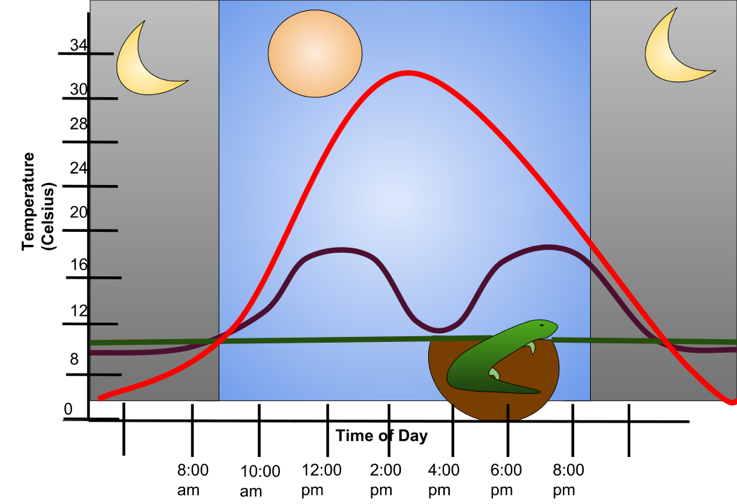
Ectotherms
- Ectothermic: Do not use metabolism to regulate body temperature
- Most reptiles
- Behavioral thermoregulation: Move between sun and shade to maintain optimal temp
- Requires far less energy to support ectotherm (10%)
Endotherms
- Endothermic: Do use metabolism to regulate body temperature
- Hypothalmus: sensors in brain that regulate internal temperature
- Thermostat of the body
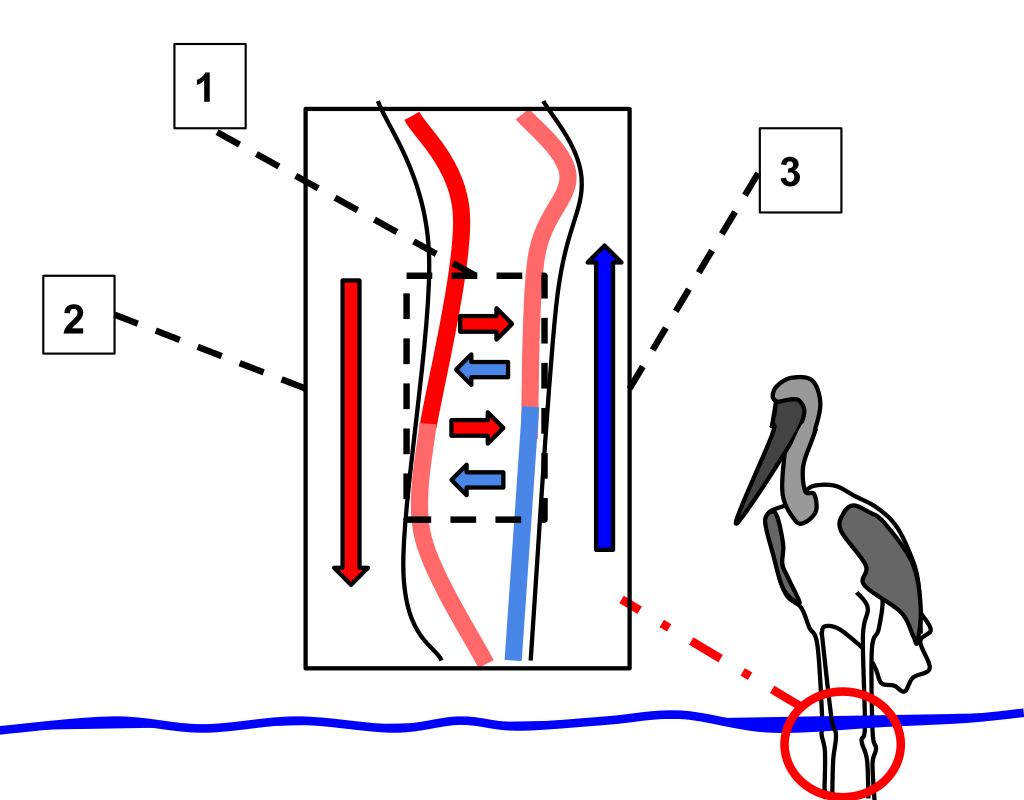
- Countercurrent exchange: the transfer of heat between fluids (blood) moving in opposite directions
- helps reduce heat-loss to cold environment Example: Cold blood heading to the heart is heated by warm blood leaving the heart

Mark Yourself Question
- Grab a piece of paper and try this problem yourself.
- When you're done, check the "I have answered this question" box below.
- View the solution and report whether you got it right or wrong.
Describe a negative feedback system (you can make it up).
Mark Yourself Question
- Grab a piece of paper and try this problem yourself.
- When you're done, check the "I have answered this question" box below.
- View the solution and report whether you got it right or wrong.
Describe how a lizard may use behavioral thermoregulation on a hot day.