Popular Courses
MCAT
General Course
DAT
General Course
CHEM 2213A/B
Western University
Organic Chemistry
University Study Guides
Organic Chemistry
General Course
CHEM 233
University of British Columbia
CHEM 261
University of Alberta
Organic Chemistry
University Study Guides
CHEM 351
University of Calgary
CHEM 281
Queen's University
CHM 1321
University of Ottawa
CHM136H1
University of Toronto
CHEM 212
McGill University
CHEM 231
University of Victoria
CHEM 2OA3
McMaster University
CHEM 2223B
Western University
CHM 2120
University of Ottawa
CHEM 263
University of Alberta
SC/CHEM 2020 3.00
York University
CHY 142
Toronto Metropolitan University

0:00 / 0:00
Intermolecular Forces
Intermolecular forces are those which occur between molecules. They effect many physical properties such as boiling and melting point.
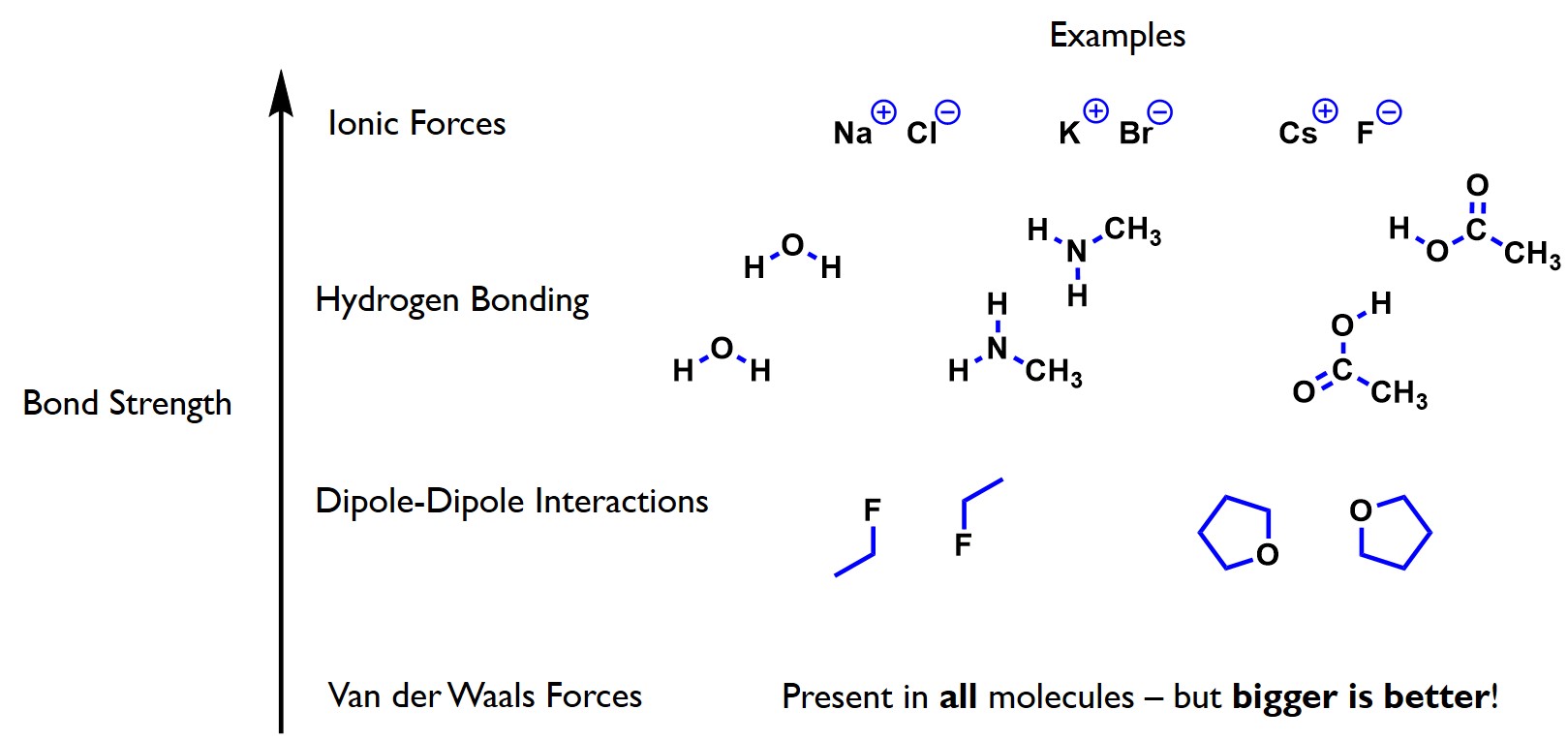
Van der Waals (London Dispersion) Forces
These are the weakest intermolecular force that occurs between non-polar molecules. These are a result of the interaction of transient and/or induced dipoles. Larger molecules or atoms experience more pronounced London dispersion forces.
Dipole-Dipole Interactions
These are the intermolecular force with moderate (medium) strength and occurs between polar molecules (i.e. those with a permanent dipole).
Hydrogen Bonding
These are the strongest intermolecular force that occurs and are a special kind of dipole-dipole interaction. They occur between a hydrogen-bond donor (OH, NH, FH) and a hydrogen bond acceptor (O, N, F with one or more lone pairs).
Wize Tip
For intermolecular forces, remember that the relative strengths are: hydrogen bonding > dipole-dipole interactions > London dispersion forces

0:00 / 0:00
Melting and Boiling Point Comparisons
Intermolecular forces dictate melting and boiling points. Melting and boiling involve phase changes (solid to liquid; liquid to gas) which means the bonds between molecules need to be broken. The stronger the intermolecular force, the higher the melting and boiling point.
Example:

How do you determine the relative boiling point if two molecules are similar?
First: Consider the number or atoms/electrons using the molecules below as examples.

In this case, both molecules are non-polar and therefore both only have London dispersion forces, but the boiling point of heptane is higher than that of butane. Heptane is larger and has more electrons and is more polarizable leads to stronger intermolecular forces.
Second: Consider the molecular shape using the molecules below as examples.
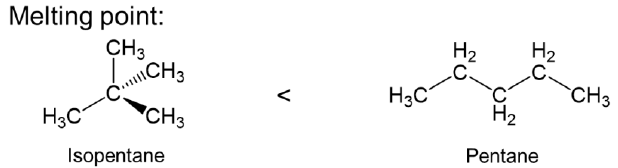
In this case, both molecules are non-polar and therefore both only have London dispersion forces, the boiling point of pentane (C5H12) is higher than that of isopentane (C5H12). Pentane is not branched (like isopentane) meaning there is more contact points leading to stronger intermolecular forces.
0:00 / 0:00
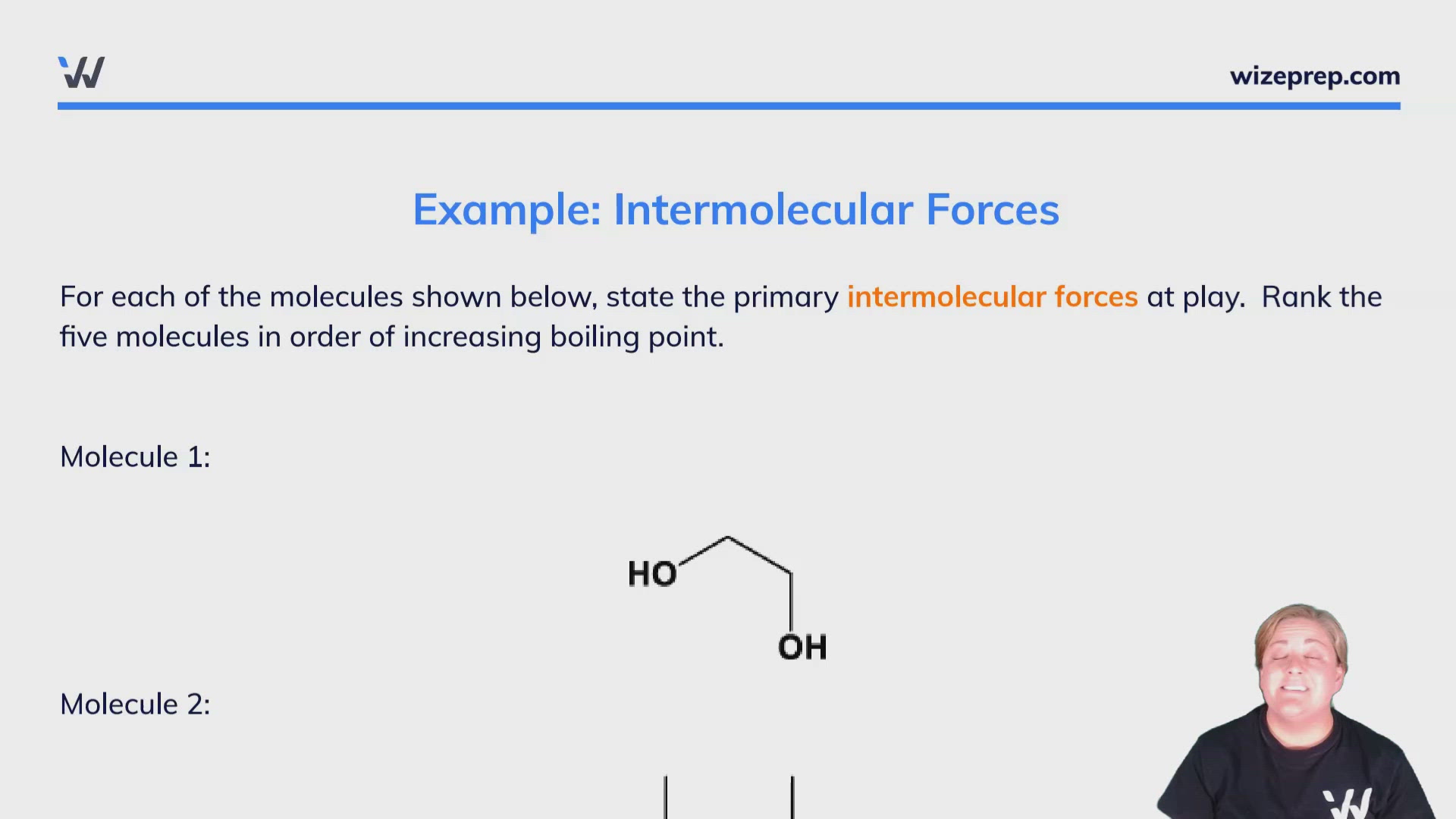
Example: Intermolecular Forces
For each of the molecules shown below, state the primary intermolecular forces at play. Rank the five molecules in order of increasing boiling point.
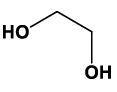
Molecule 1:
Molecule 2:
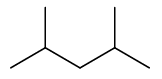
Molecule 3:
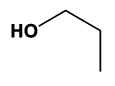
Molecule 4:
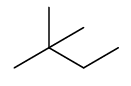
Molecule 5:
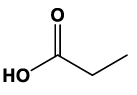
Molecule 4 (London Dispersion Forces, branching) < Molecule 2 (London Dispersion Forces, less branching) < Molecule 3 (hydrogen bonding only) < Molecule 5 (hydrogen bonding and dipole-dipole interactions) < Molecule 1 (hydrogen bonding)
0:00 / 0:00
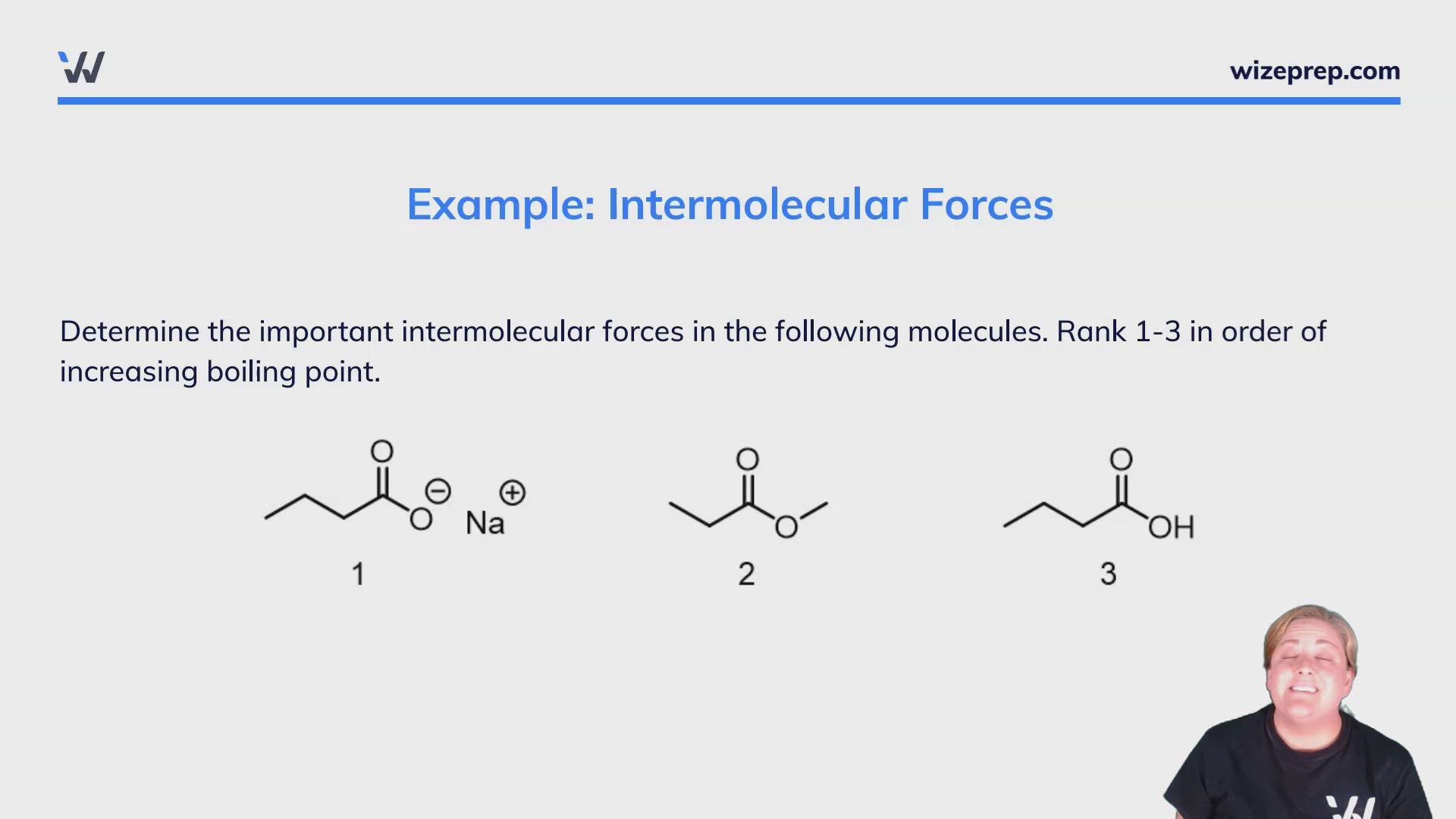
Example: Intermolecular Forces
Determine the important intermolecular forces in the following molecules. Rank 1-3 in order of increasing boiling point.

Molecule 1: Ionic forces, dipole-dipole, VDF
Molecule 2: Dipole-dipole, VDF
Molecule 3: Hydrogen-bonding, dipole-dipole, VDF
Boiling points: Molecule 2 < Molecule 3 < Molecule 1
Rank the following molecules in terms of increasing boiling point,
