Wize University Organic Chemistry Textbook > Stereochemistry & Isomers
Stereoisomers IIIa - Chiral Molecules
Popular Courses
MCAT
General Course
CHEM 2213A/B
Western University
Organic Chemistry
University Study Guides
DAT
General Course
Organic Chemistry
General Course
CHEM 233
University of British Columbia
CHEM 261
University of Alberta
Organic Chemistry
University Study Guides
CHEM 351
University of Calgary
CHEM 123
University of British Columbia
CHEM 281
Queen's University
CHM 1321
University of Ottawa
CHM136H1
University of Toronto
CHEM 212
McGill University
CHEM 231
University of Victoria
CHEM 2OA3
McMaster University
CHEM 2223B
Western University
CHM 2120
University of Ottawa
CHEM 282
Queen's University
SC/CHEM 2020 3.00
York University
0:00 / 0:00
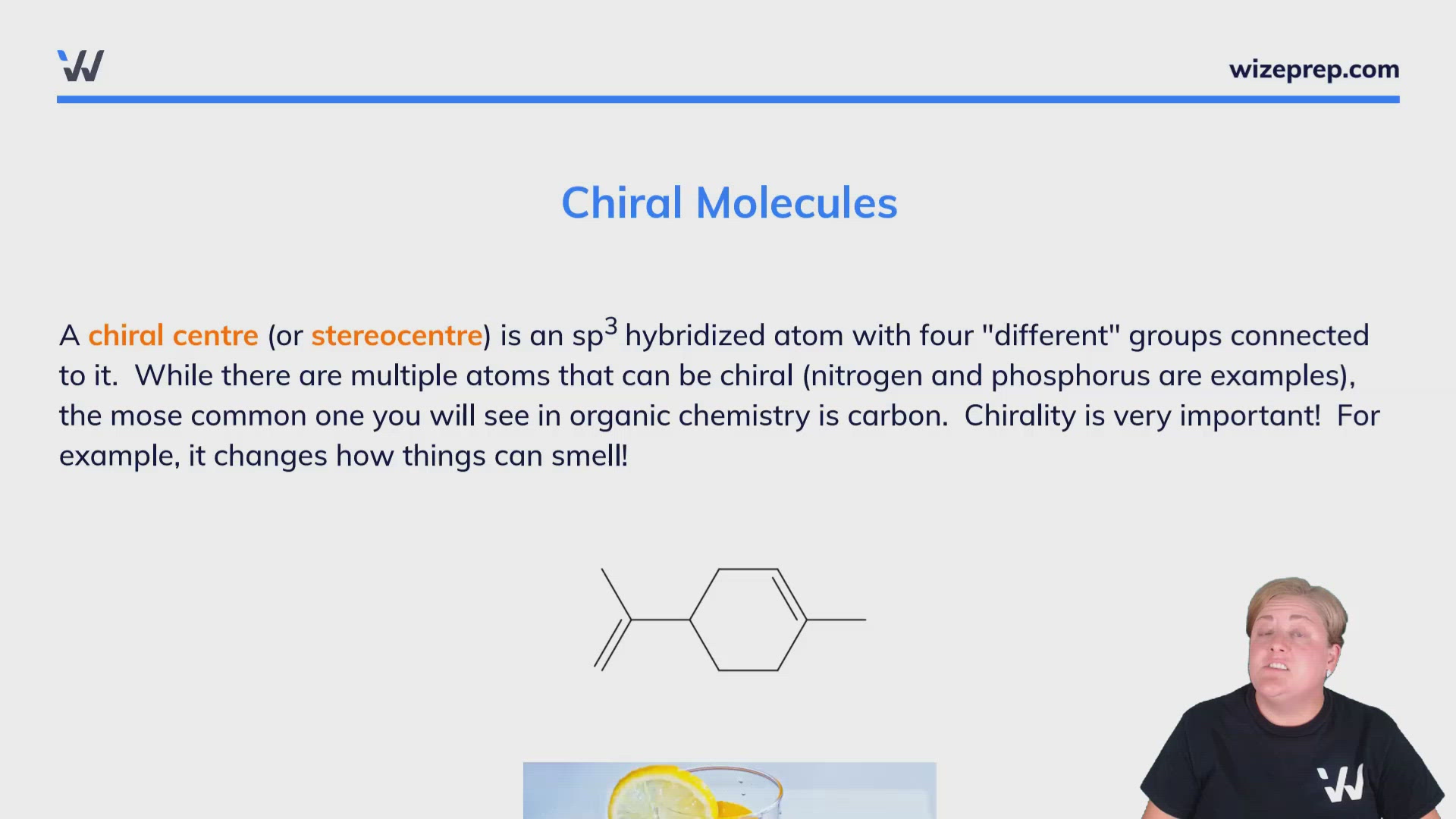
Chiral Molecules
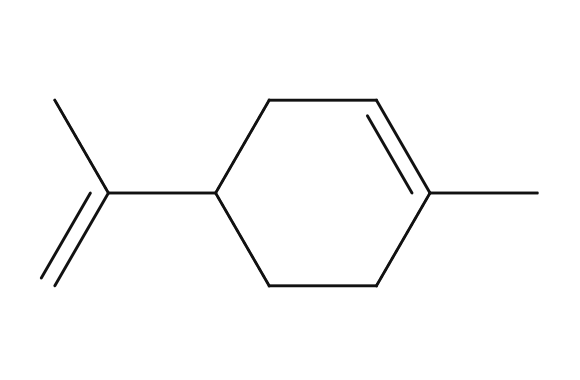
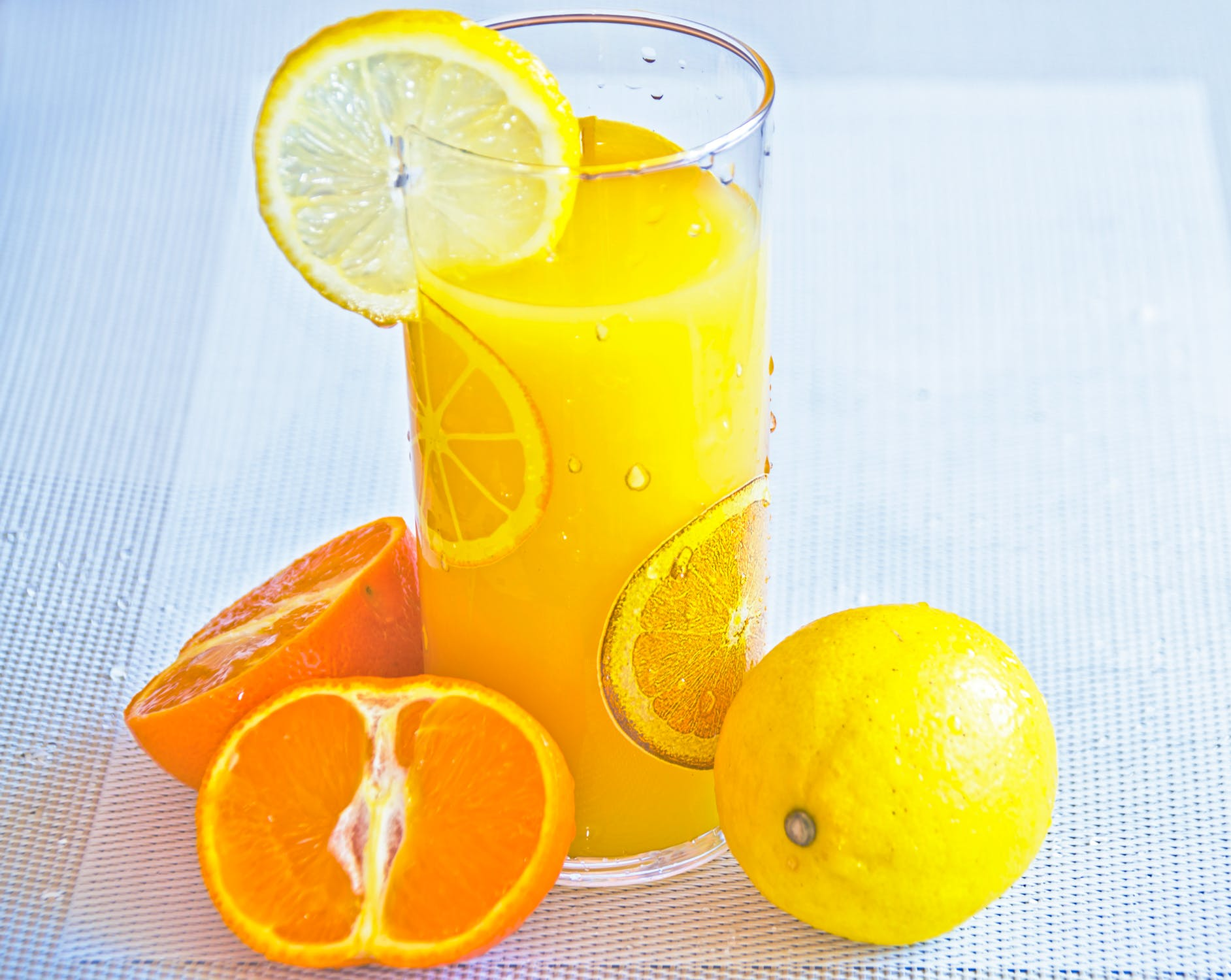
A chiral centre (or stereocenter) is an sp3 hybridized atom with four "different" groups connected to it. While there are multiple atoms that can be chiral (nitrogen and phosphorus are examples), the mose common one you will see in organic chemistry is carbon. Chirality is very important! For example, it changes how things can smell!
0:00 / 0:00
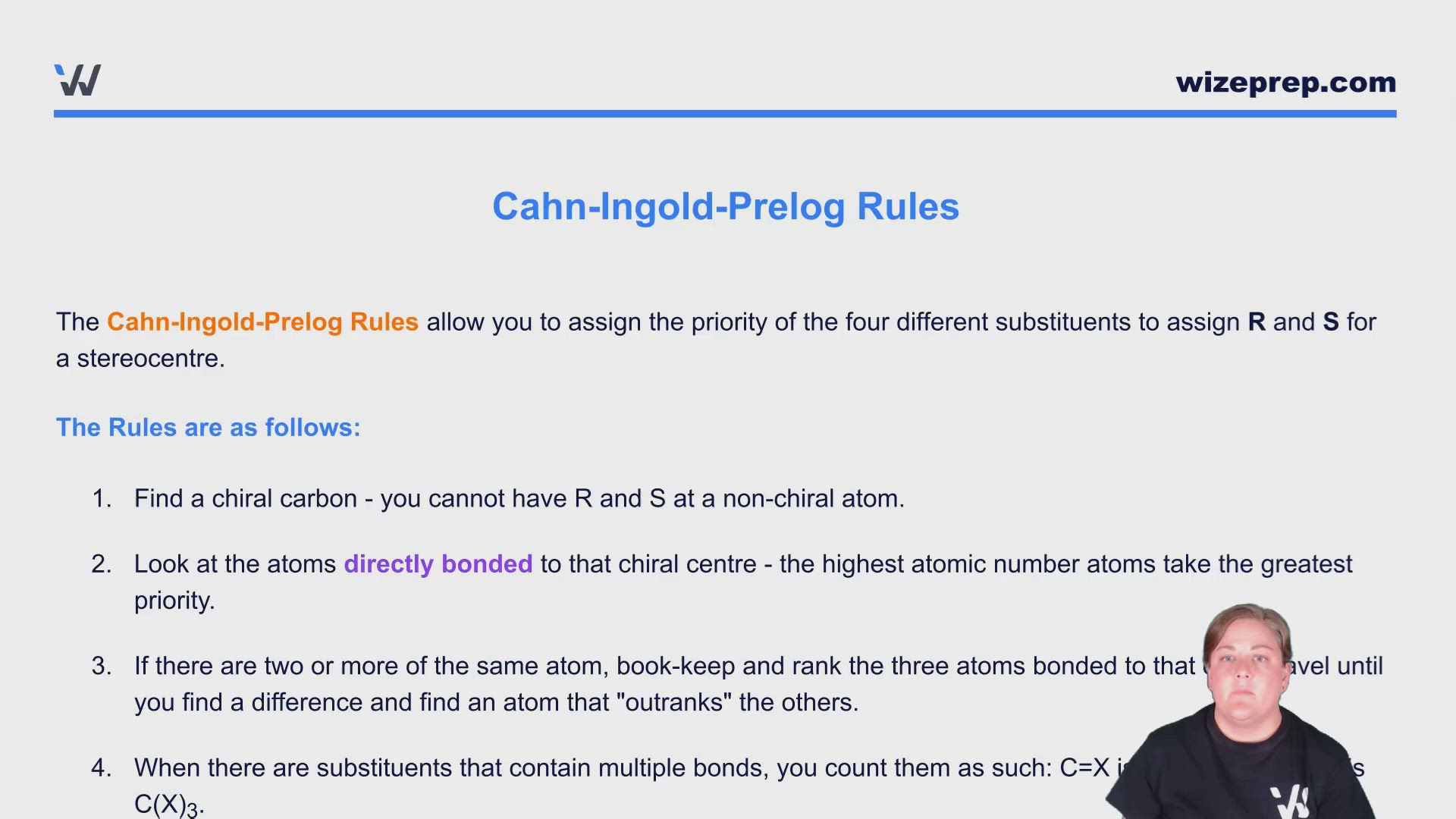
Cahn-Ingold-Prelog Rules
The Cahn-Ingold-Prelog Rules allow you to assign the priority of the four different substituents to assign R and S for a stereocentre. The Rules are as follows:
- Find a chiral carbon - you cannot have R and S at a none chiral atom
- Look at the atoms directly bonded to that chiral centre - the highest atomic number/atomic mass atoms take the greatest priority
- If there are two or more of the same atom, book-keep and rank the three atoms bonded to that one - travel until you find a difference and find an atom that "outranks" the others.
- When there are substituents that contain multiple bonds, you count them as such: C=X is X-C-X and a C(triple bond here)X is C(X)3
0:00 / 0:00
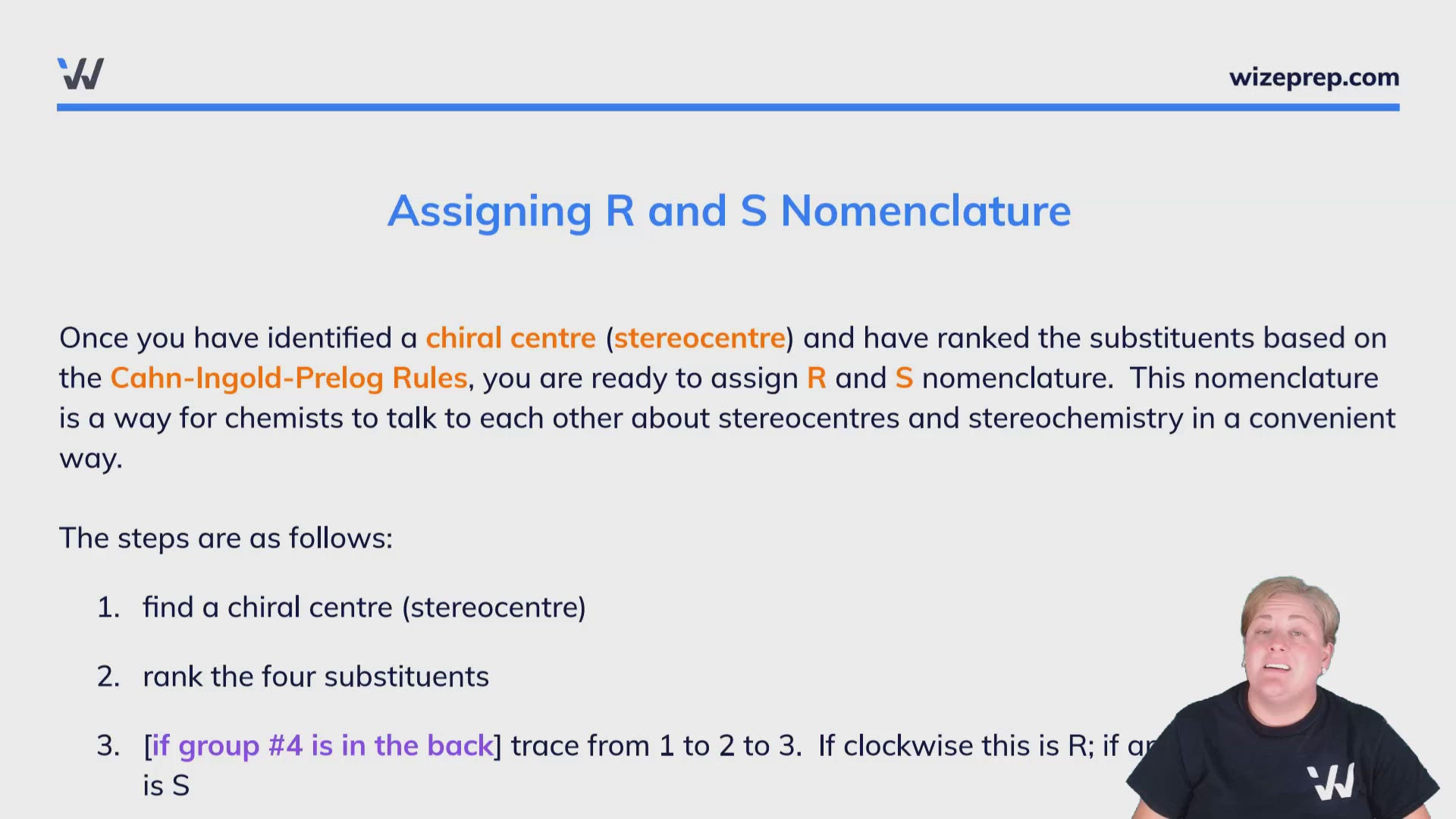
Assigning R and S Nomenclature
Once you have identified a chiral centre (stereocentre) and have ranked the substituents based on the Cahn-Ingold-Prelog Rules, you are ready to assign R and S nomenclature. This nomenclature is a way for chemists to talk to each other about stereocentres and stereochemistry in a convenient way.
The steps are as follows:
- find a chiral centre (stereocentre)
- rank the four substituents
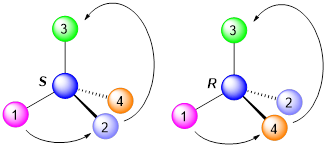
- [if group #4 is in the back] trace from 1 to 2 to 3. If clockwise this is R; if anti-clockwise this is S
- [if group #4 is in the front] trace from 1 to 2 to 3. If clockwise, this is S; if anti-clockwise this is R
- [if group #4 is in the plane] need to redraw and follow either Step #3 or Step #4
0:00 / 0:00
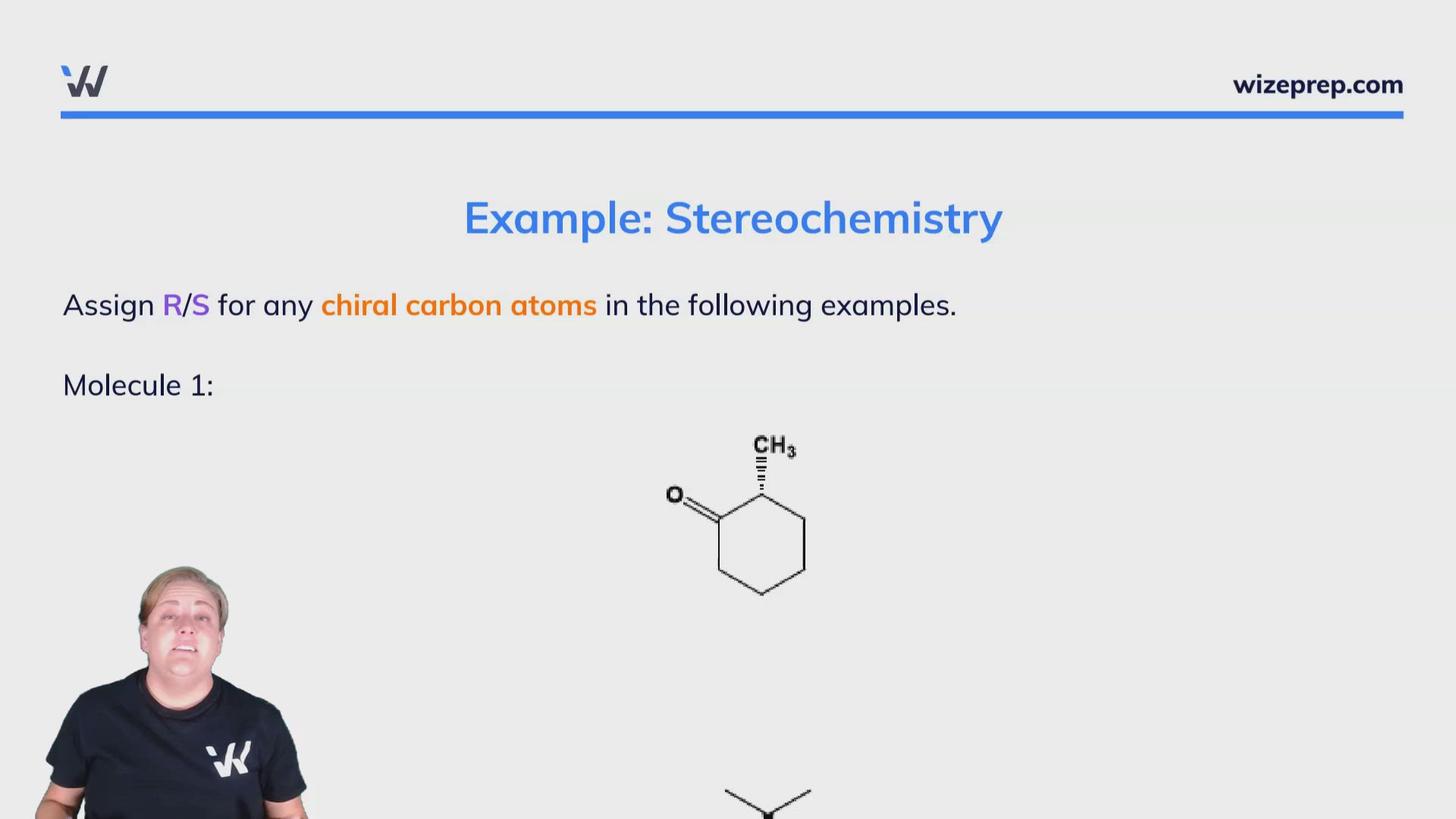
Example: Stereochemistry
Assign R/S for any chiral carbon atoms in the following examples.
Molecule 1:
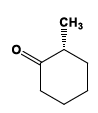
R
Molecule 2:
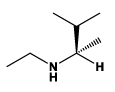
S
0:00 / 0:00
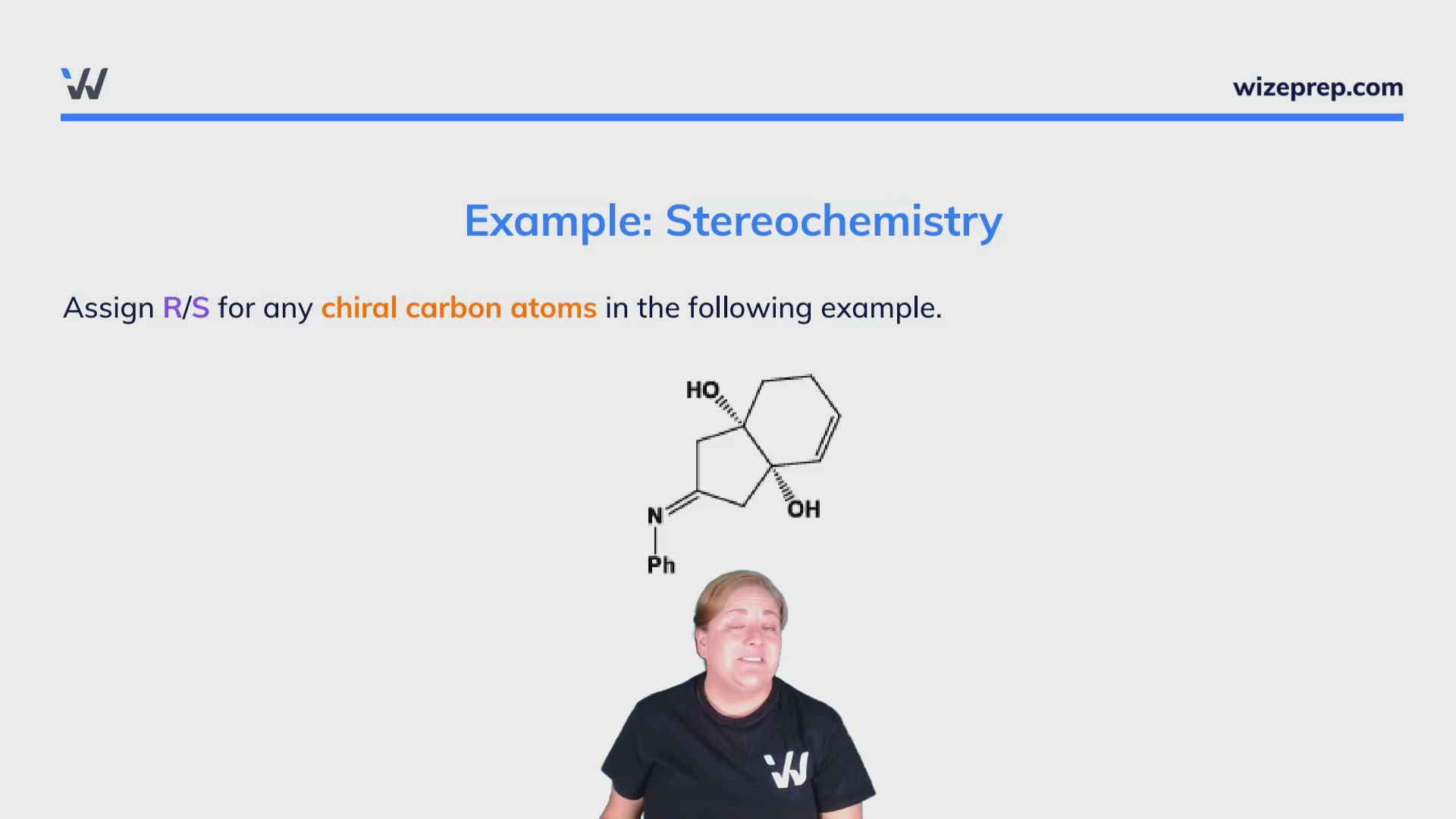
Example: Stereochemistry
Assign R/S for any chiral carbon atoms in the following example.
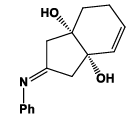
(R, R)
Practice: Assigning Stereochemistry
Provide the R/S assignments for the two chiral carbon atoms (left, right).
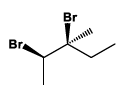
Practice: Geometric Isomers
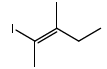
Name geometric isomerism of the alkene shown below.