Popular Courses
Intro to Physics
University Study Guides
AP Physics C: Mechanics Exam Prep Course
AP Exam Prep
Physics
General Course
PHYS*1300
University of Guelph
Intro to Physics
University Study Guides
PHY 1321
University of Ottawa
LE/PHYS 1800 3.00
York University
PHYS-1400
University of Windsor
PHY 1331
University of Ottawa
PHYS 142
McGill University
ENGG 212
University of Calgary
PHYS 1050
University of Manitoba
PHYS 101
Simon Fraser University
PHYS-1300
University of Windsor
PHY 1121
University of Ottawa
PHY 1124
University of Ottawa
PHYS 121
University of Waterloo
PHYC 1310
Dalhousie University
PHYS 227
University of Calgary
SC/PHYS 1411 3.00
York University
0:00 / 0:00
Propulsion – Driving Force
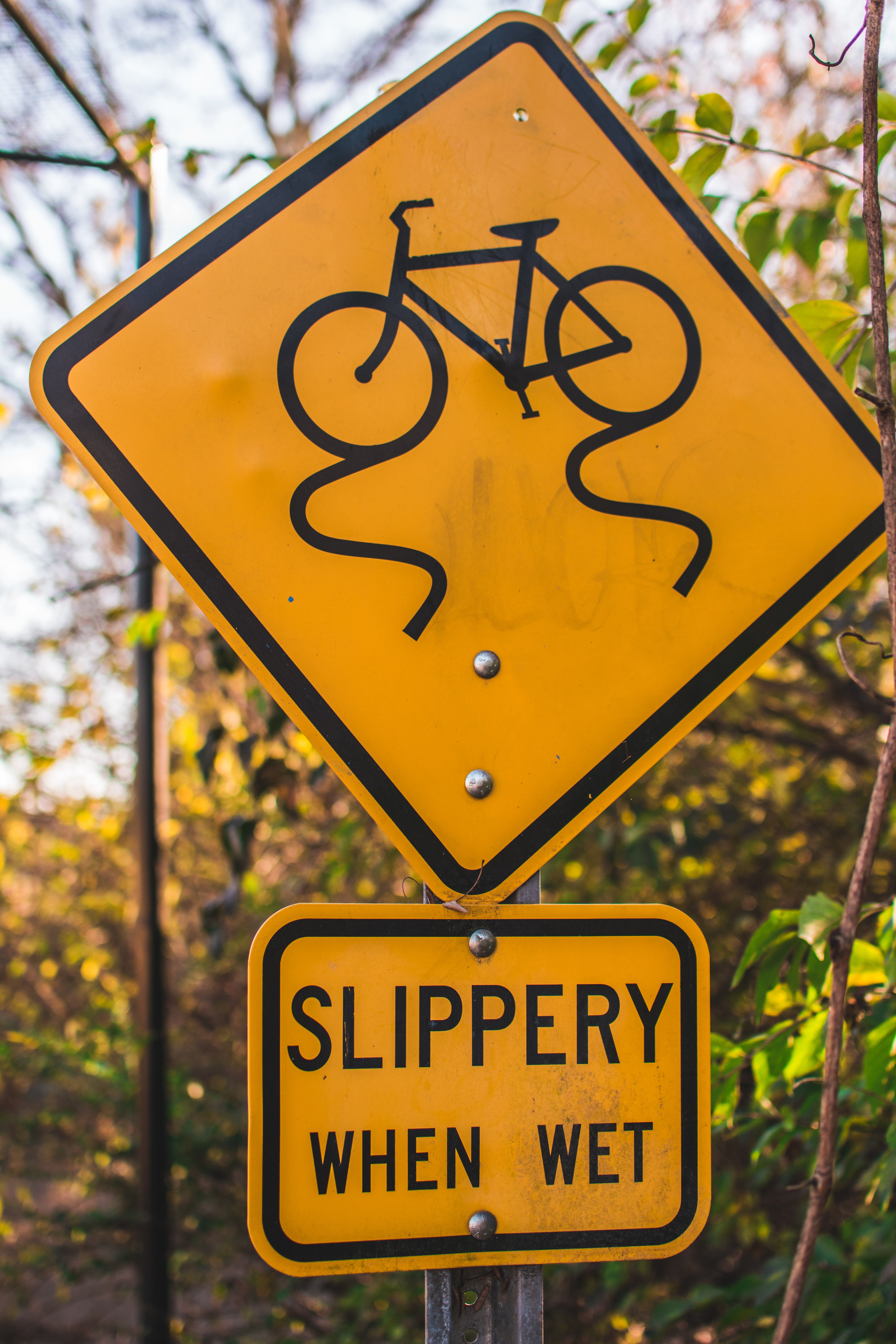
Think about walking on the street. We push our feet backward on the ground and still we are moving forward!
- The driving force of walking is basically the reaction force corresponding to the force your feet exert on the ground, due to Newton's third law.
- This type of the motion is known as propulsion.
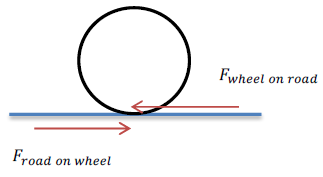
- The driving force comes from the action-reaction pair of forces between the wheel and the ground.
- This force is dependent on the static friction between the wheel and the ground:
Wize Concept
That is why it is hard to walk on a frozen lake! If friction is almost zero, then the driving force is also very small.
A rocket blasts exhaust to move itself in space. By blasting exhaust at 440.0N of force for 4.00s, the rocket can apply a force of change it's speed by 2.18m/s. What is the mass of the rocket in kg?
Force of the exhaust is apply an impulse to change the speed of the rocket.
J = Δp = m Δv = F Δt
Since we know the change in speed and the force and time, we can calculate the mass of the rocket to be 807kg
Alice decides to push her little brother Bob on ice. Bob weights kg. Initially, the force Alice is applying on Bob is not enough to start the motion. Alice gradually increases the force on Bob until he starts to slide. After that, Alice keeps pushing Bob (with the same force that she was applying when Bob started to move) for the next s and then lets him go. Bob is going to stop a little bit later. The coefficient of kinetic friction between Bob's shoes and ice is and the coefficient of static friction between his shoes and ice is .
a) Find Bob's speed at the moment when Alice lets him go.
b) How long does it take for Bob to stop completely after Alice lets him go?