Wize University Physiology Textbook > Blood
Erythropoiesis
Popular Courses
MCAT
General Course
DAT
General Course
Intro to Physiology
University Study Guides
PHYSIOL 1021
Western University
PHYSIOL 2130
Western University
Intro to Physiology
University Study Guides
PSL300H1
University of Toronto
PHYSL 210
University of Alberta
PHGY 210
McGill University
PHGY 215
Queen's University
KNES 259
University of Calgary
PHGY 216
Queen's University
BIOL 273
University of Waterloo
BIOL 260
University of British Columbia
PHYSIOL 3120
Western University
KNES 260
University of Calgary
BIOL 116
Case Western Reserve University
PPT 301
University of North Dakota
ANAT 212
McGill University
HTHSCI 2FF3
McMaster University

0:00 / 0:00
Erythropoiesis
Erythropoiesis is the production of new red blood cells.
- This occurs in the bone marrow
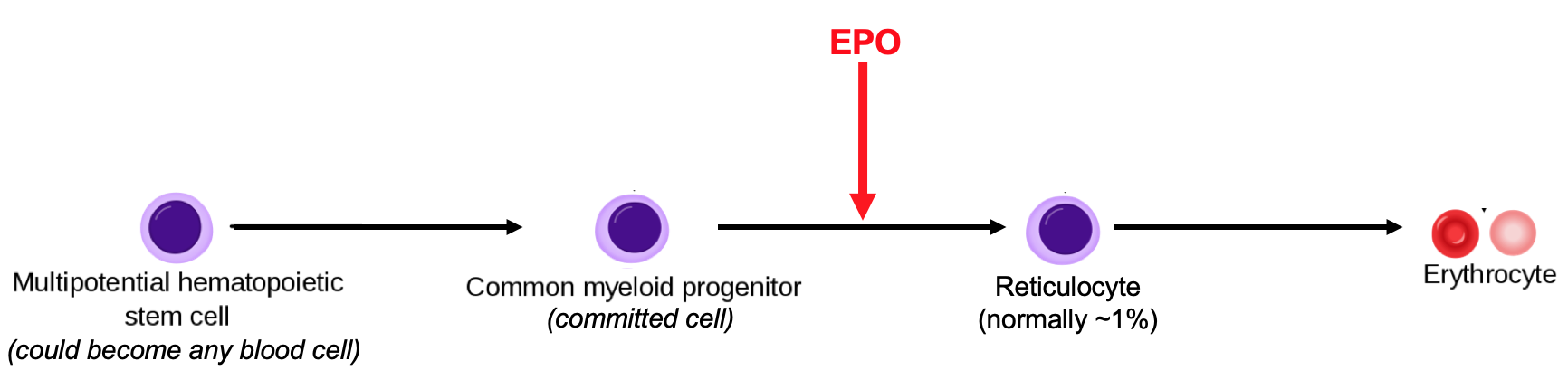
- It is stimulated by a hormone called erythropoietin (EPO)
- EPO is produced by the kidney in response to low oxygen in the blood
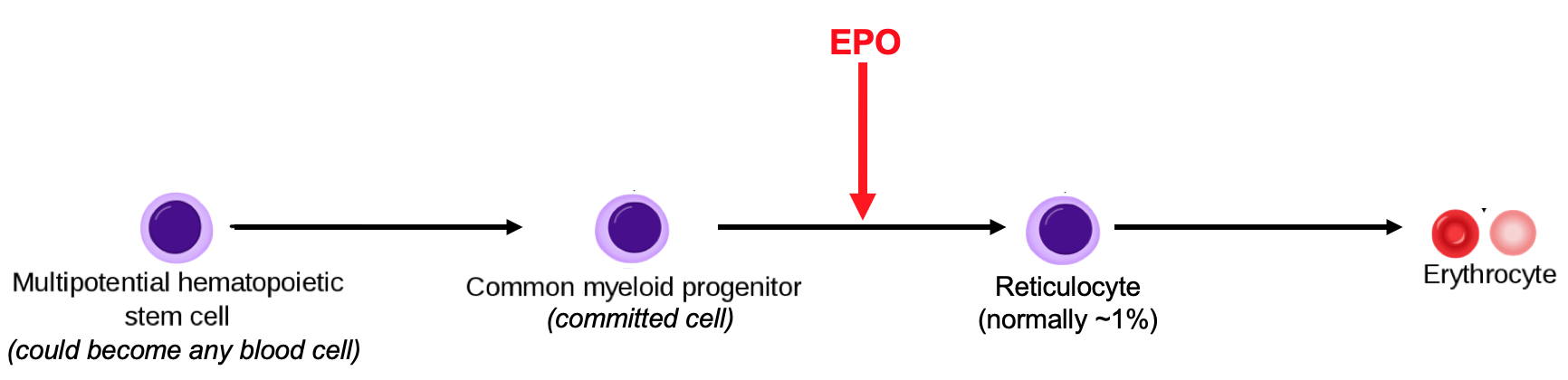
- Reticulocytes are immature RBCs
- The number of them is a sign of how hard the bone marrow is working to produce new RBCs
- Normal levels are ~1% of RBCs
- Men have higher hematocrit % than women
- Hematocrit is the percentage of blood occupied by RBCs
- Testosterone stimulates release of erythropoietin AND increases how sensitive to it the pre-RBCs are
- Estrogen has the opposite effects
0:00 / 0:00
Factors Affecting Red Blood Cell Production
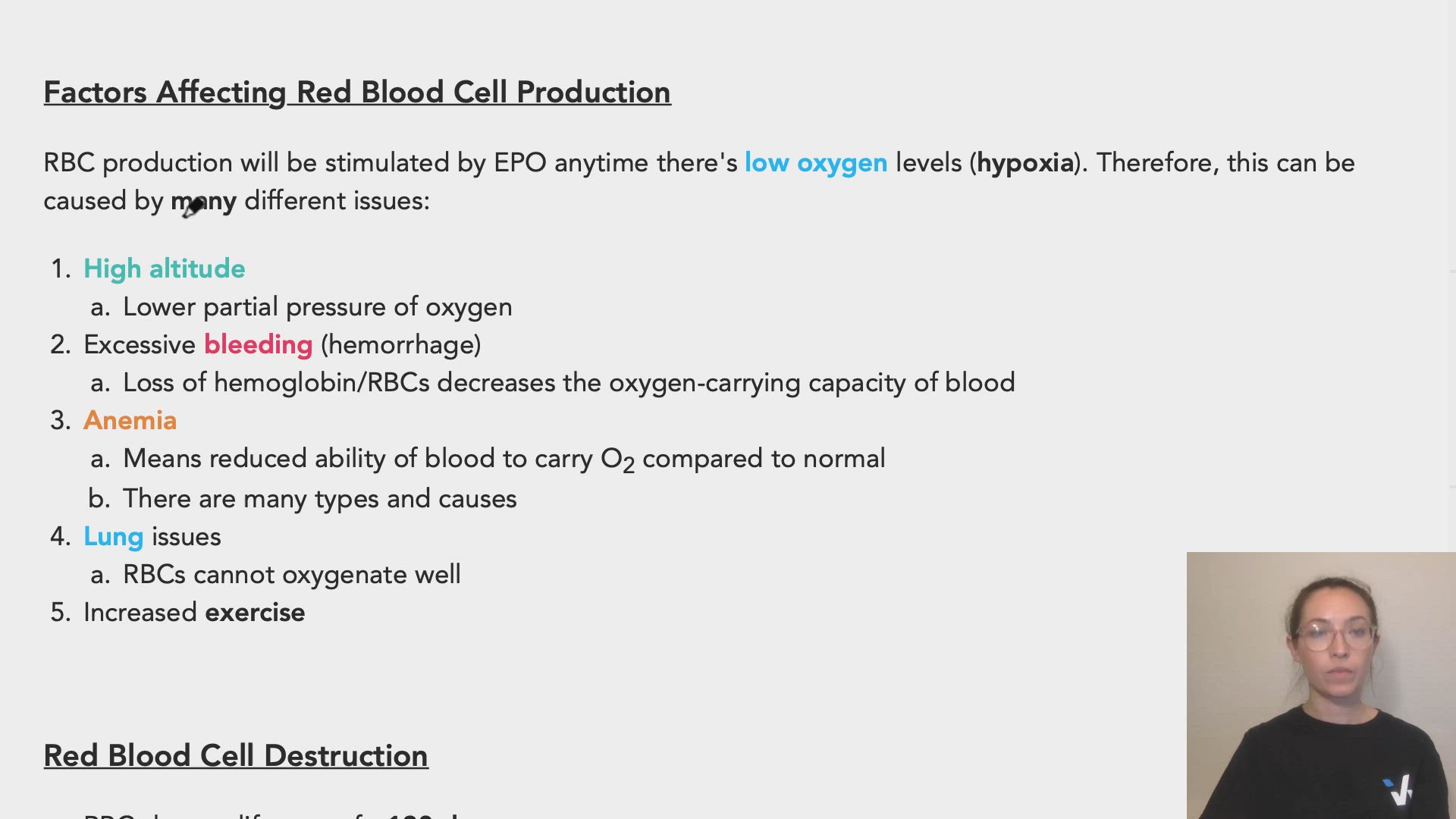
RBC production will be stimulated by EPO anytime there's low oxygen levels (hypoxia). Therefore, this can be caused by many different issues:
- High altitude
- Lower partial pressure of oxygen
- Excessive bleeding (hemorrhage)
- Loss of hemoglobin/RBCs decreases the oxygen-carrying capacity of blood
- Anemia
- Means reduced ability of blood to carry O2 compared to normal
- There are many types and causes
- Lung issues
- RBCs cannot oxygenate well
- Increased exercise
Red Blood Cell Destruction
- RBCs have a lifespan of ~120 days
- When they are old, macrophages eat them up (phagocytosis), digest and destroy them
- The heme portion of hemoglobin in RBCs is converted to a compound called BILIRUBIN
- This bilirubin normally goes to the liver, which ultimately dumps it into the intestine
What happens to the iron?
- The iron in heme gets recycled
- It is transported in blood to the bone marrow by transferrin
- It can also be stored in organs (liver, spleen, gut) bound to ferritin

0:00 / 0:00
Jaundice
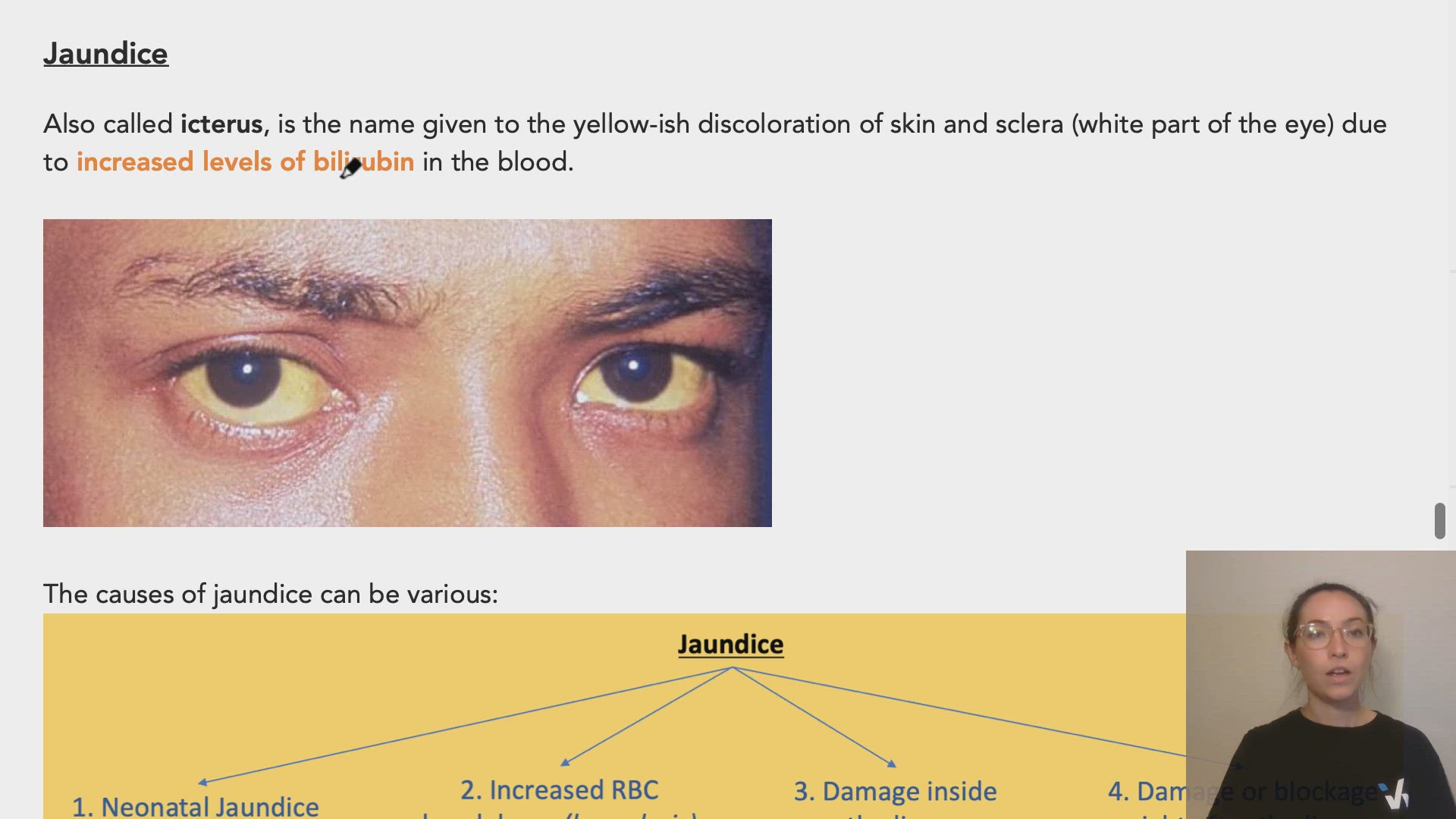
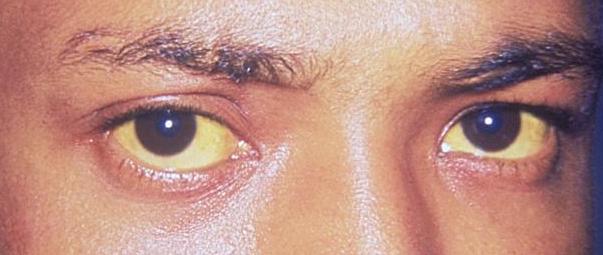
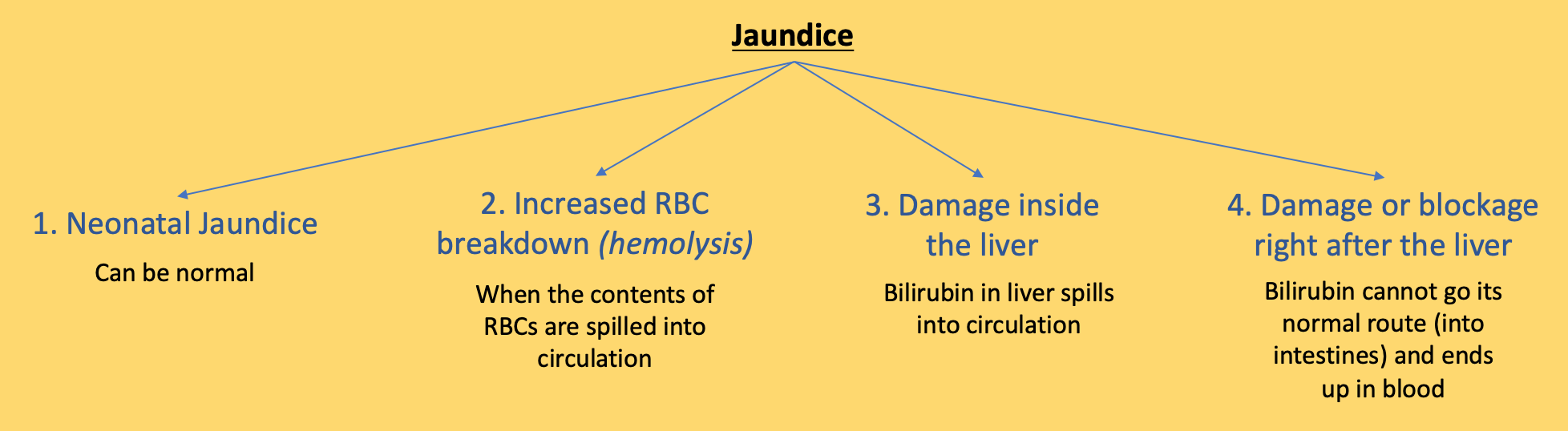
Also called icterus, is the name given to the yellow-ish discoloration of skin and sclera (white part of the eye) due to increased levels of bilirubin in the blood.
The causes of jaundice can be various:
0:00 / 0:00
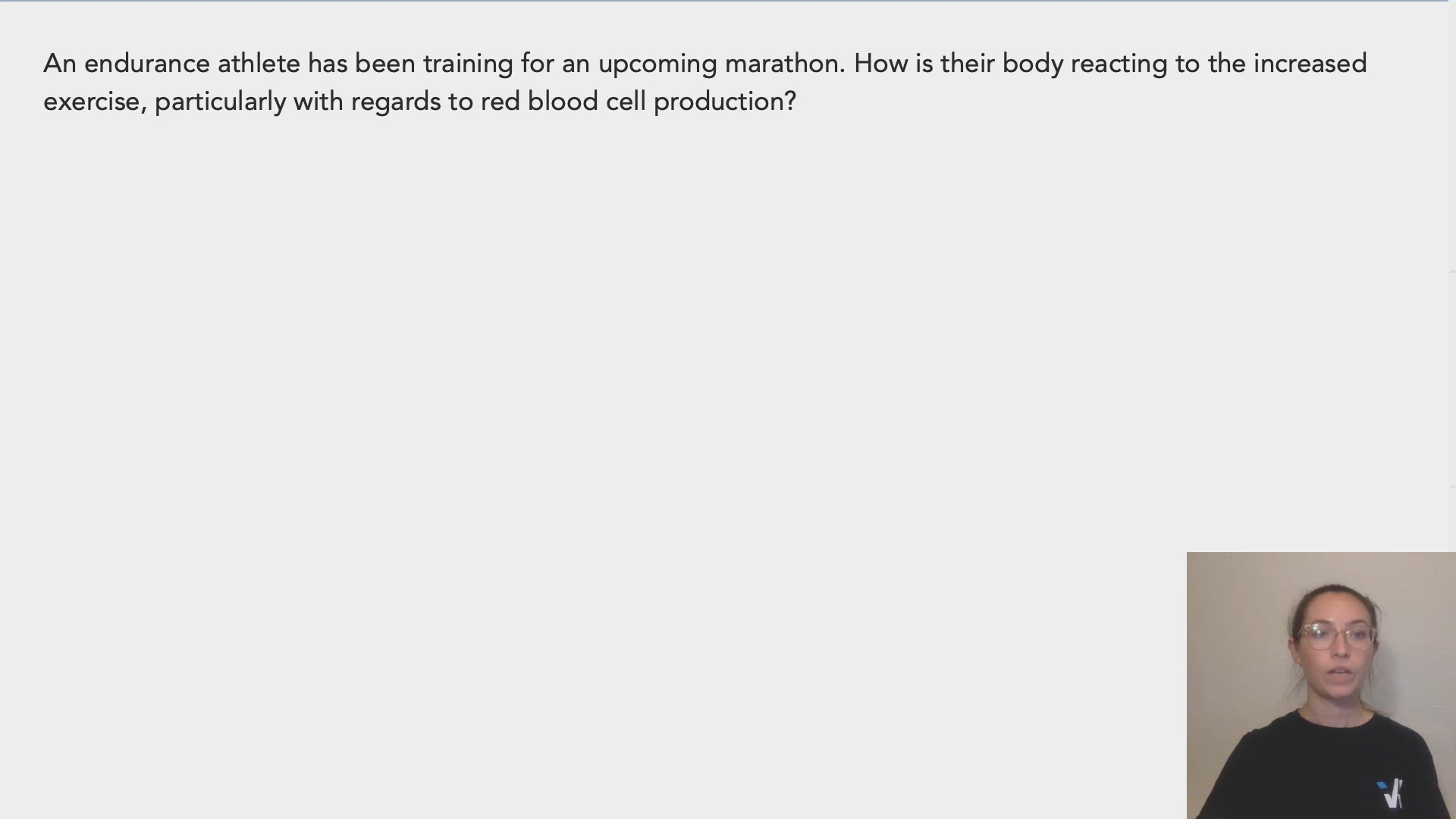
An endurance athlete has been training for an upcoming marathon. How is their body reacting to the increased exercise, particularly with regards to red blood cell production?
Exercise causes increased oxygen consumption in tissues. This is why there's an increase in heart rate while exercising, in order to pump blood faster to organs demanding oxygen. Strenuous exercise, in which there's high tissue demand of O2, causes lower blood levels of available oxygen (hypoxia) which is sensed by the kidneys.
The kidneys produce erythropoietin -> circulates to the bone marrow -> stimulates proliferation of erythrocyte progenitor cells AND their differentiation into mature RBCs.
Regarding erythropoiesis:
Which of the following will not result in increased RBC production?
Regarding RBC destruction, select the correct statements: