Wize University Physiology Textbook > Immunology
Adaptive Immune System
Popular Courses
MCAT
General Course
DAT
General Course
Intro to Physiology
University Study Guides
PHYSIOL 1021
Western University
PHYSIOL 2130
Western University
Intro to Physiology
University Study Guides
PSL300H1
University of Toronto
PHYSL 210
University of Alberta
PHGY 210
McGill University
PHGY 215
Queen's University
KNES 259
University of Calgary
PHGY 216
Queen's University
BIOL 273
University of Waterloo
BIOL 260
University of British Columbia
PHYSIOL 3120
Western University
KNES 260
University of Calgary
BIOL 116
Case Western Reserve University
PPT 301
University of North Dakota
ANAT 212
McGill University
HTHSCI 2FF3
McMaster University
0:00 / 0:00
Adaptive Immune System
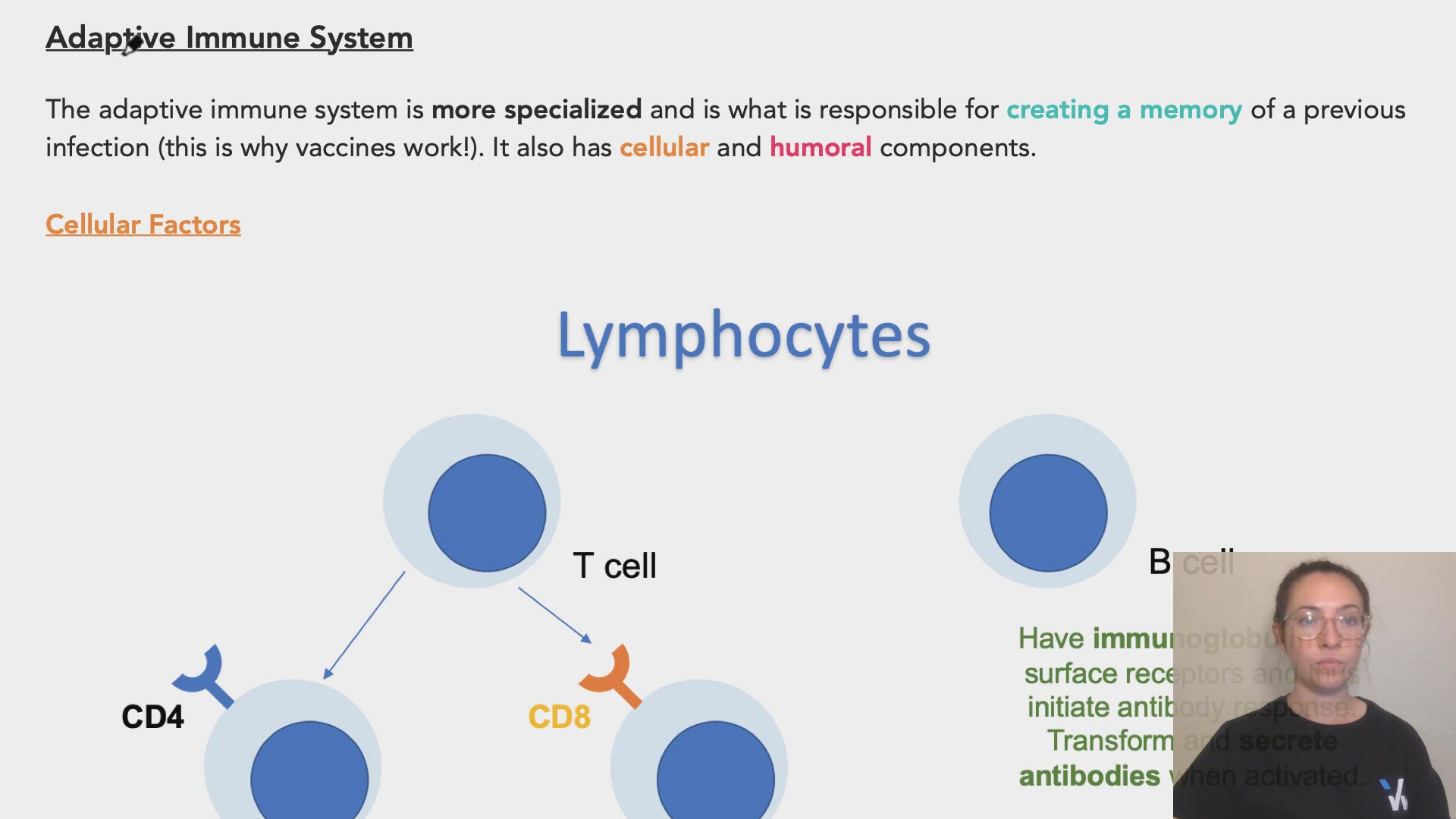
The adaptive immune system is more specialized and is what is responsible for creating a memory of a previous infection (this is why vaccines work!). It also has cellular and humoral components.
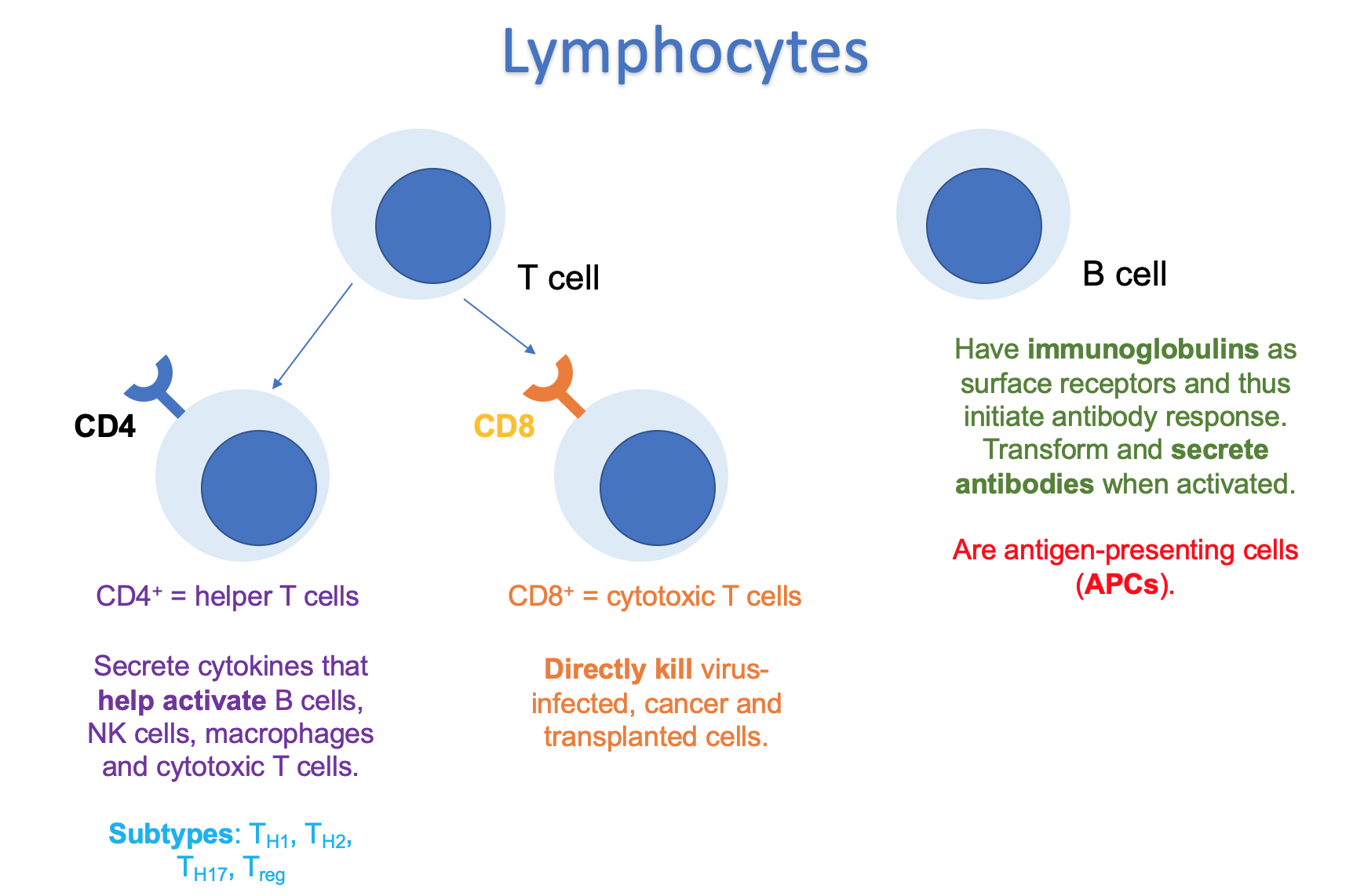
Cellular Factors
Exam Tip
The innate and adaptive immune responses are linked when antigen presenting cells (APCs) such as dendritic cells interact with CD4+ T cells.
The 3 APCs are:
- Dendritic cells
- Macrophages
- B cells
0:00 / 0:00
Major Histocompatibility Complex
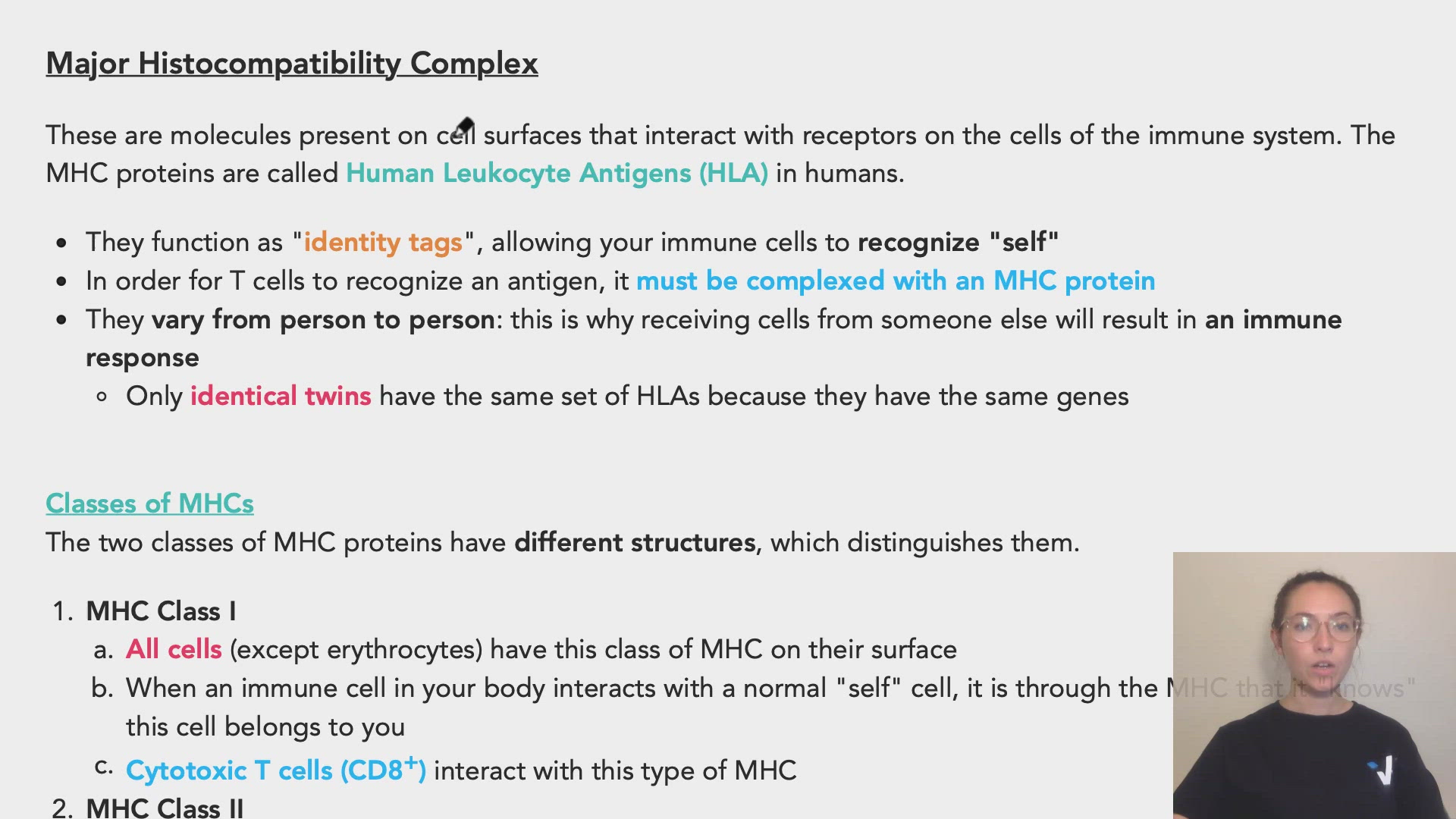
These are molecules present on cell surfaces that interact with receptors on the cells of the immune system. The MHC proteins are called Human Leukocyte Antigens (HLA) in humans.
- They function as "identity tags", allowing your immune cells to recognize "self"
- In order for T cells to recognize an antigen, it must be complexed with an MHC protein
- They vary from person to person: this is why receiving cells from someone else will result in an immune response
- Only identical twins have the same set of HLAs because they have the same genes
Classes of MHCs
The two classes of MHC proteins have different structures, which distinguishes them.
- MHC Class I
- All cells (except erythrocytes) have this class of MHC on their surface
- When an immune cell in your body interacts with a normal "self" cell, it is through the MHC that it "knows" this cell belongs to you
- Cytotoxic T cells (CD8+) interact with this type of MHC
- MHC Class II
- Only APCs have this type of MHC: macrophages, B cells and dendritic cells
- Helper T cells (CD4+) interact with this type of MHC
- This typically happens in the lymph node
Wize Tip
Rule of 8: MHC II x CD4 = 8; MHC I x CD8 = 8.
0:00 / 0:00
T cells
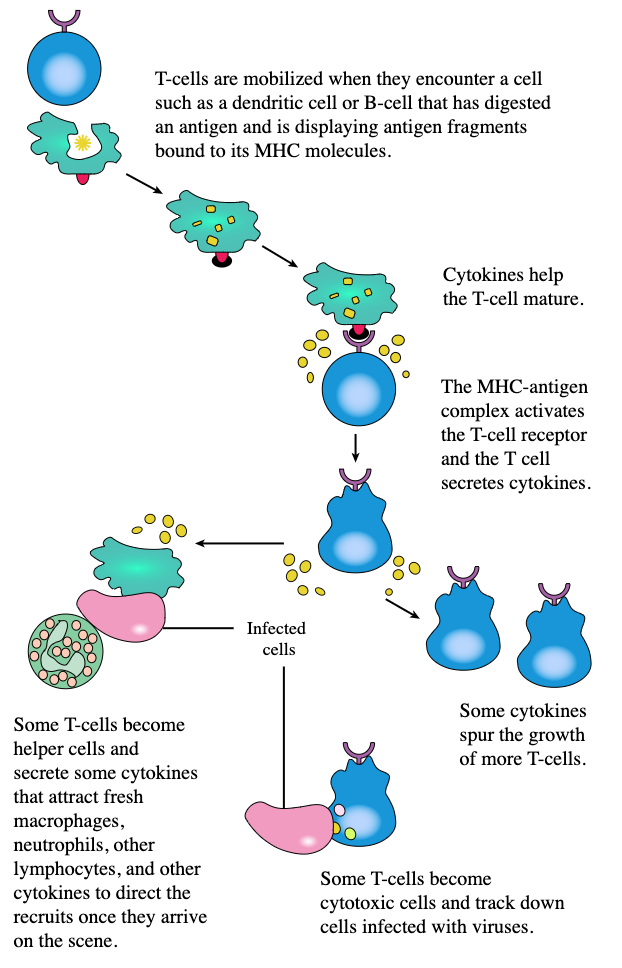
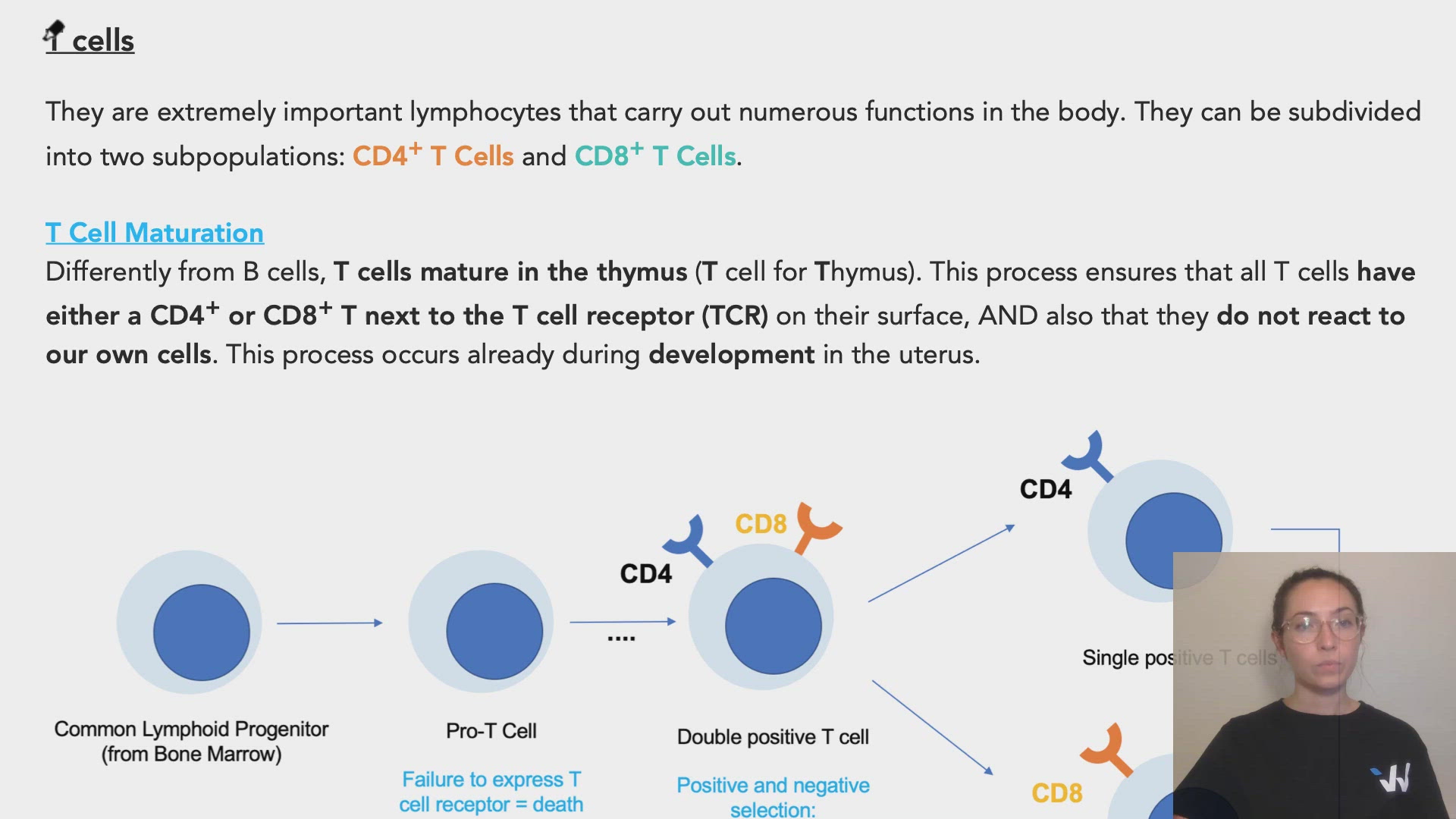
They are extremely important lymphocytes that carry out numerous functions in the body. They can be subdivided into two subpopulations: CD4+ T Cells and CD8+ T Cells.
T Cell Maturation
Differently from B cells, T cells mature in the thymus (T cell for Thymus). This process ensures that all T cells have either a CD4+ or CD8+ T next to the T cell receptor (TCR) on their surface, AND also that they do not react to our own cells. This process occurs already during development in the uterus.
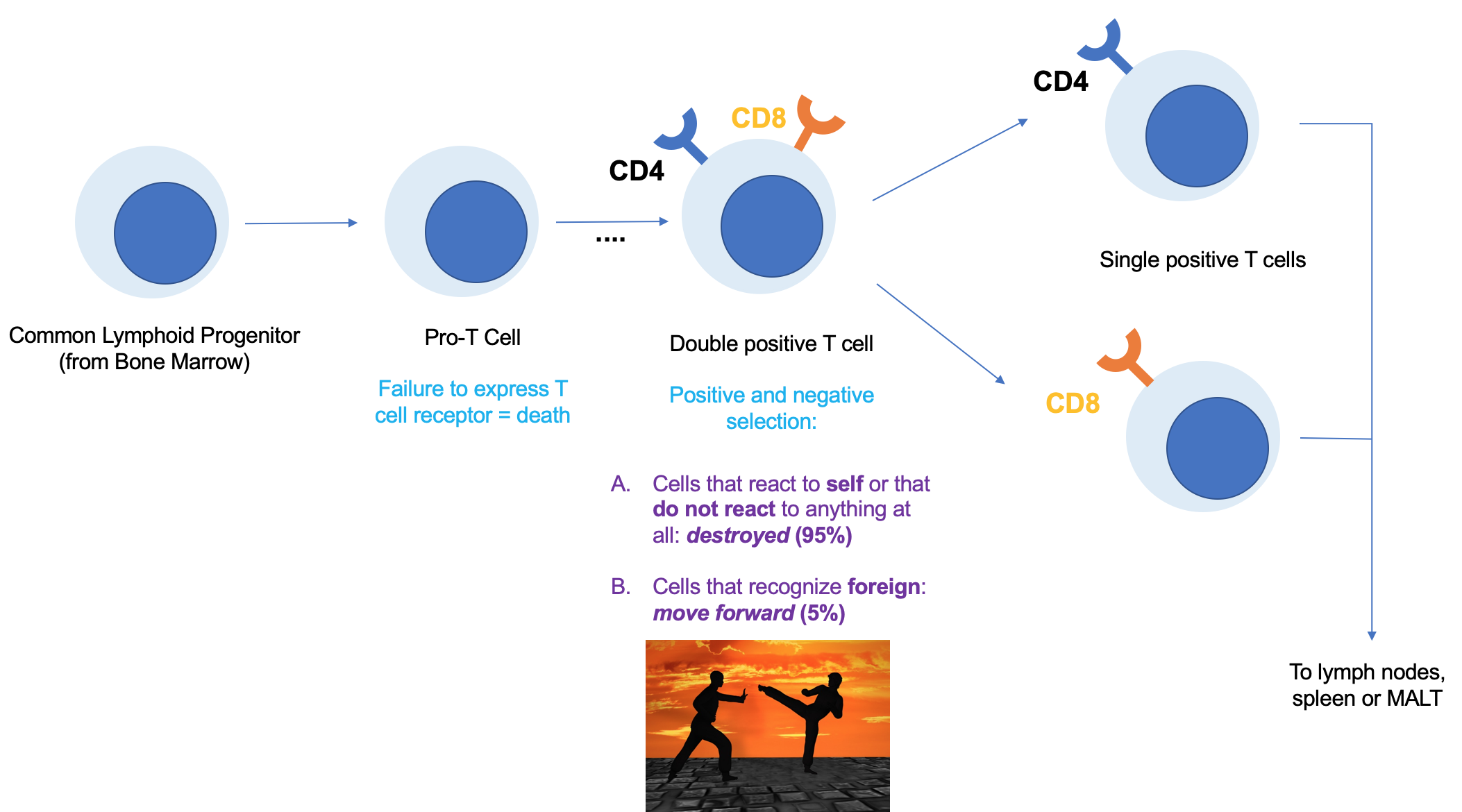
Below, immature is with regards to the T cells never having seen an antigen before ("naive").
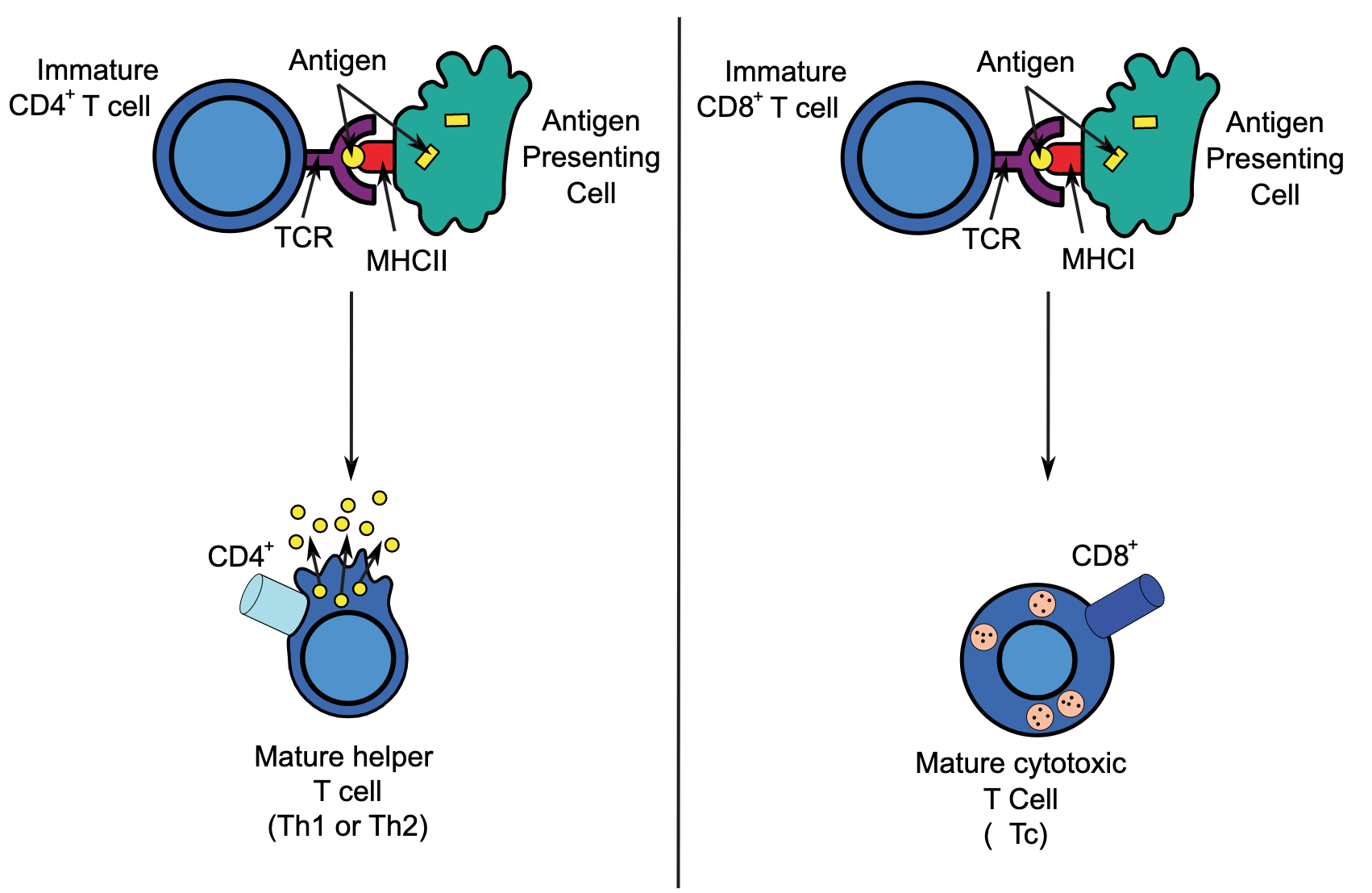
Subtypes of CD4+ T cells:
- TH1: can activate CD8+ cytotoxic T cells and macrophages by producing IL-2 and IFN gamma
- TH2: help with B cell class switching by secreting IL-4, IL-5, IL-6 (among others)
- TH17: having too many of these has been linked to autoimmune disease
- Treg: controls and dampens the immune response (express CTLA4 on their surface which inhibits immune cells)
Wize Tip
T cell development and maturation sites vary in utero: from yolk sac -> to fetal liver -> to bone marrow -> to lymph nodes
0:00 / 0:00
Specific Interactions with T Cells
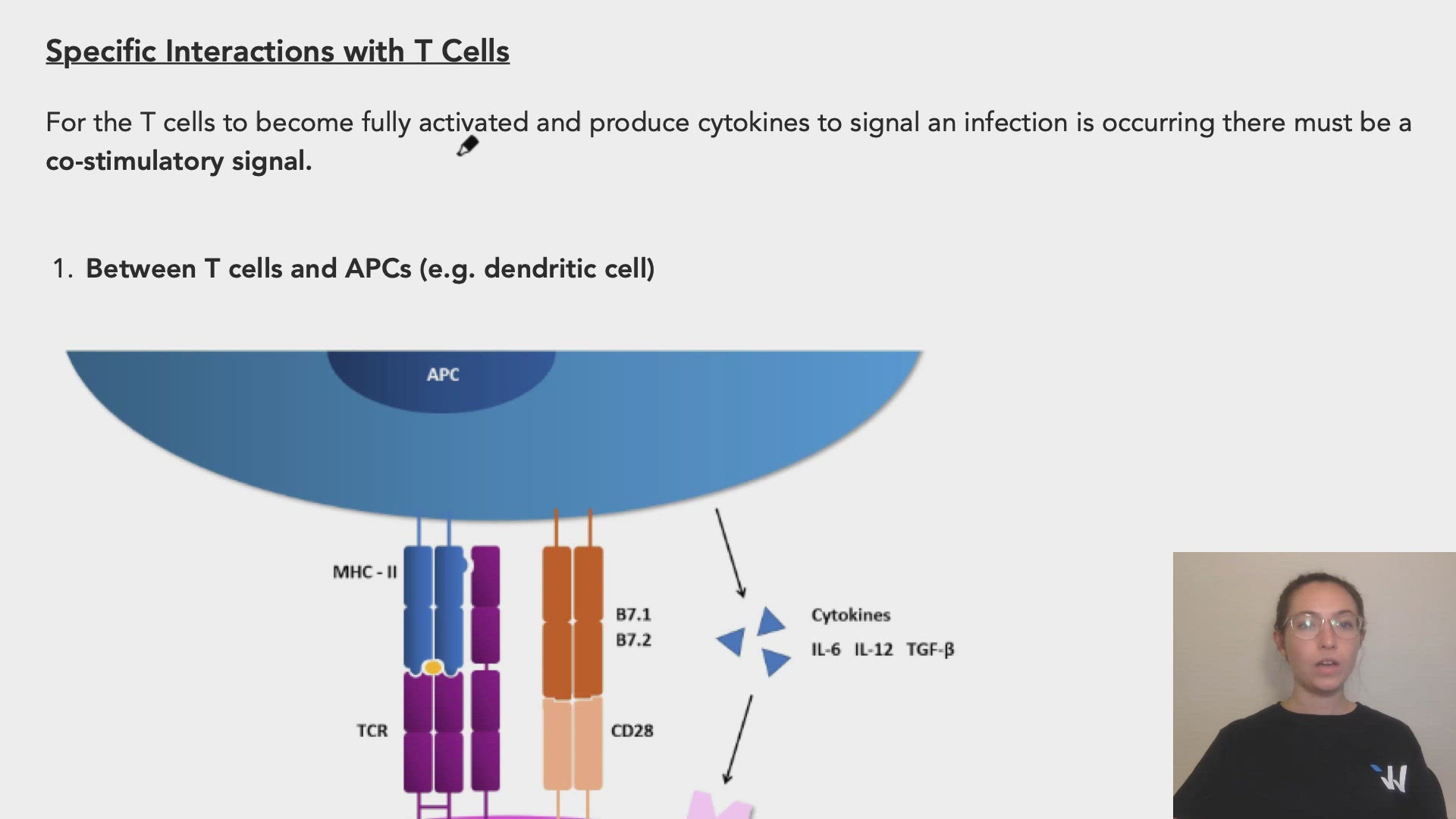
For the T cells to become fully activated and produce cytokines to signal an infection is occurring there must be a co-stimulatory signal.
- Between T cells and APCs (e.g. dendritic cell)
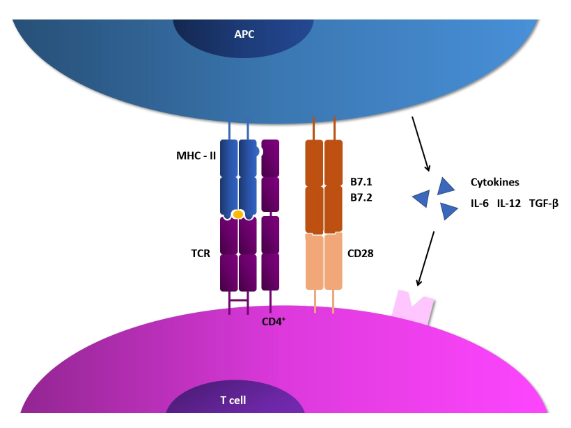
2. Between T cells and B cells
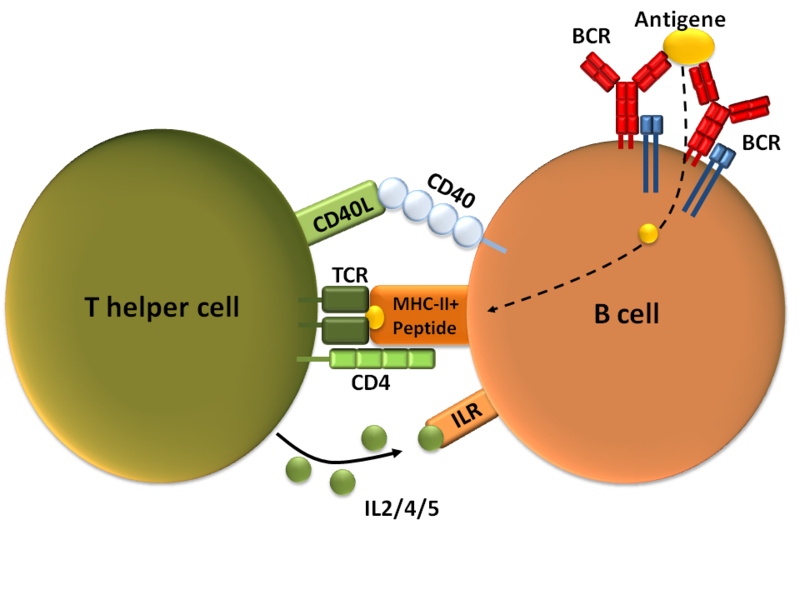
3. Mechanisms that suppress immune response
- They are typically used to control the immune response
- CTLA4: engaged by Tregs, APCs binding to B7.1/2 to inactivate T cell
- Are exploited by tumor cells to prevent the immune system from destroying it

0:00 / 0:00
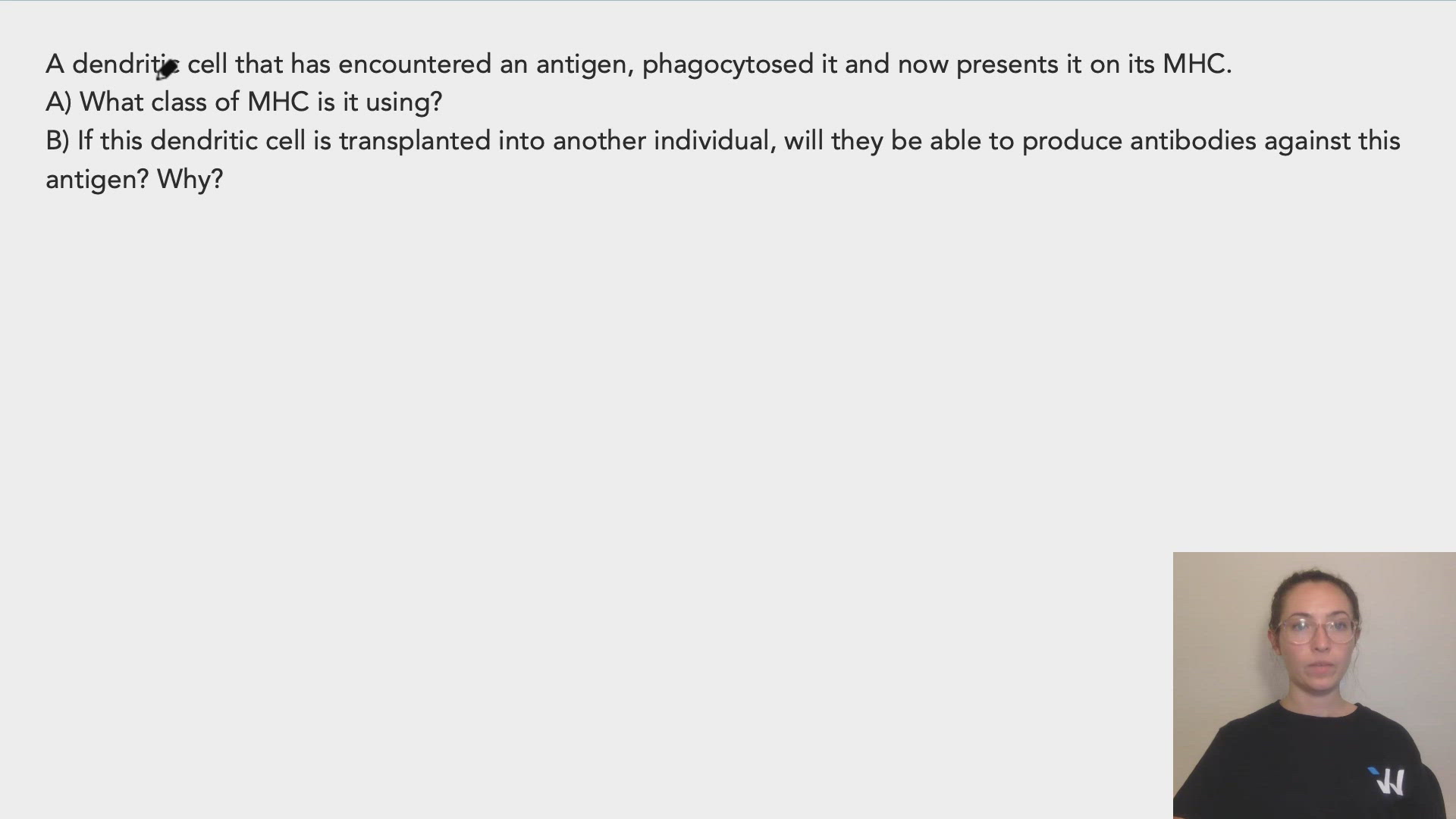
A dendritic cell that has encountered an antigen, phagocytosed it and now presents it on its MHC.
A) What class of MHC is it using?
B) If this dendritic cell is transplanted into another individual, will they be able to produce antibodies against this antigen? Why?
A) The dendritic cell will present the antigen on an MHC class II molecule. Although it possesses MHC class I molecules too (virtually all cells do), MHC class I presentation is reserved for presenting intracellular components. Because DCs are antigen presenting cells (APCs), they have MHC class II molecules and are thus able to present processed antigens to T cells.
B) No. Antibody production depends on B cells, which usually have to interact with the antigen itself in order to generate appropriate antibodies for it. DCs and B cells typically do not interact and so the B cell would not be able to be exposed to antigen. DCs normally interact with T cells to present antigen; this requires that the T cell receptor bind to the MHC II on the DC. However, MHCs are particular to individuals and thus if the T cell and DC are from different individuals, they will likely not be able to interact at all (they will not "fit").
Remember that MHC proteins in humans are called Human Leukocyte Antigen (HLA) proteins.
Which of the following are true about the adaptive immune system?
What are the humoral components of each of the branches of the immune system? Select all that apply.
Which of the following are ways in which the immune system is regulated (e.g. continues to develop tolerance) in adults?