Popular Courses
MCAT
General Course
DAT
General Course
Intro to Physiology
University Study Guides
PHYSIOL 1021
Western University
PHYSIOL 2130
Western University
Intro to Physiology
University Study Guides
PSL300H1
University of Toronto
PHYSL 210
University of Alberta
PHGY 210
McGill University
PHGY 215
Queen's University
KNES 259
University of Calgary
PHGY 216
Queen's University
BIOL 273
University of Waterloo
BIOL 260
University of British Columbia
PHYSIOL 3120
Western University
KNES 260
University of Calgary
BIOL 116
Case Western Reserve University
PPT 301
University of North Dakota
ANAT 212
McGill University
HTHSCI 2FF3
McMaster University
0:00 / 0:00
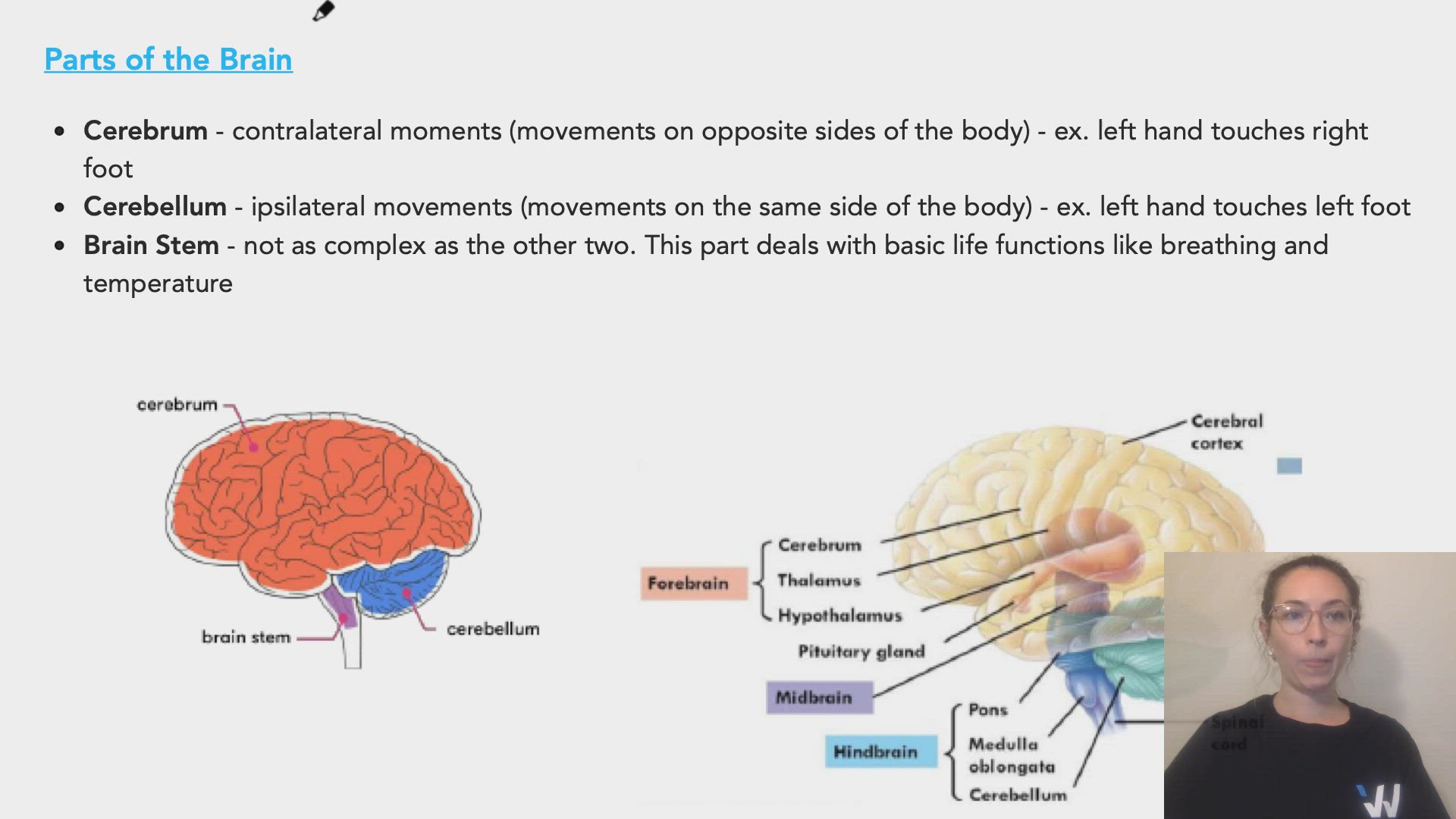
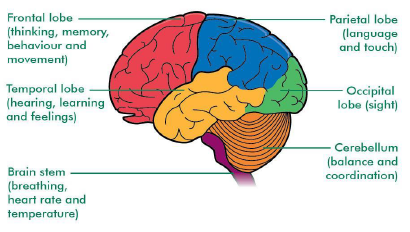
Parts of the Brain
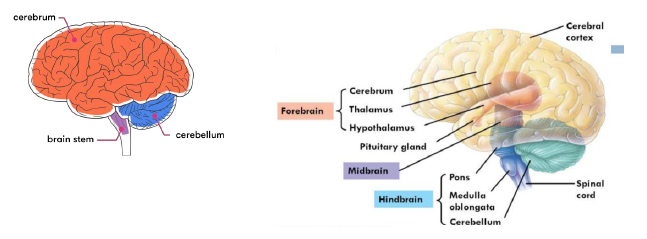
- Cerebrum - contralateral moments (movements on opposite sides of the body) - ex. left hand touches right foot
- Cerebellum - ipsilateral movements (movements on the same side of the body) - ex. left hand touches left foot
- Brain Stem - not as complex as the other two. This part deals with basic life functions like breathing and temperature
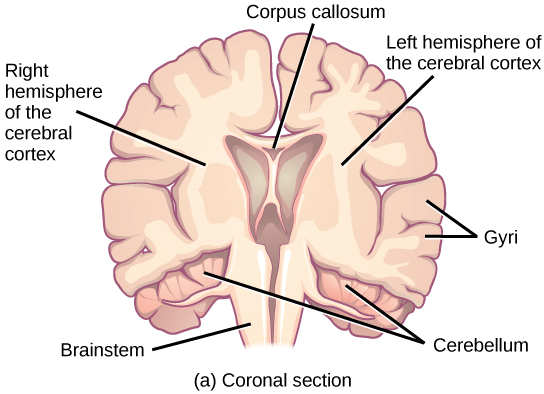
The cerebral cortex has 4 lobes:
- Frontal
- Parietal
- Temporal
- Occipital
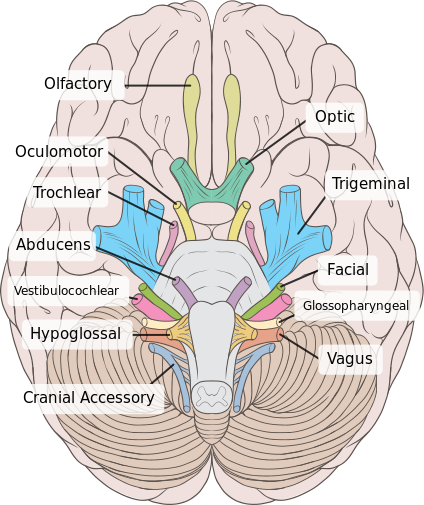
Cranial Nerves
- Nerves that come directly off the brainstem and bypass the use of the spinal cord.
- These nerves supply the head and all the senses associated with the head (plus motor functions for the face and tongue)
0:00 / 0:00
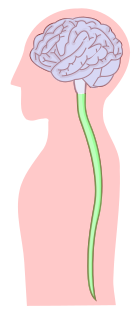
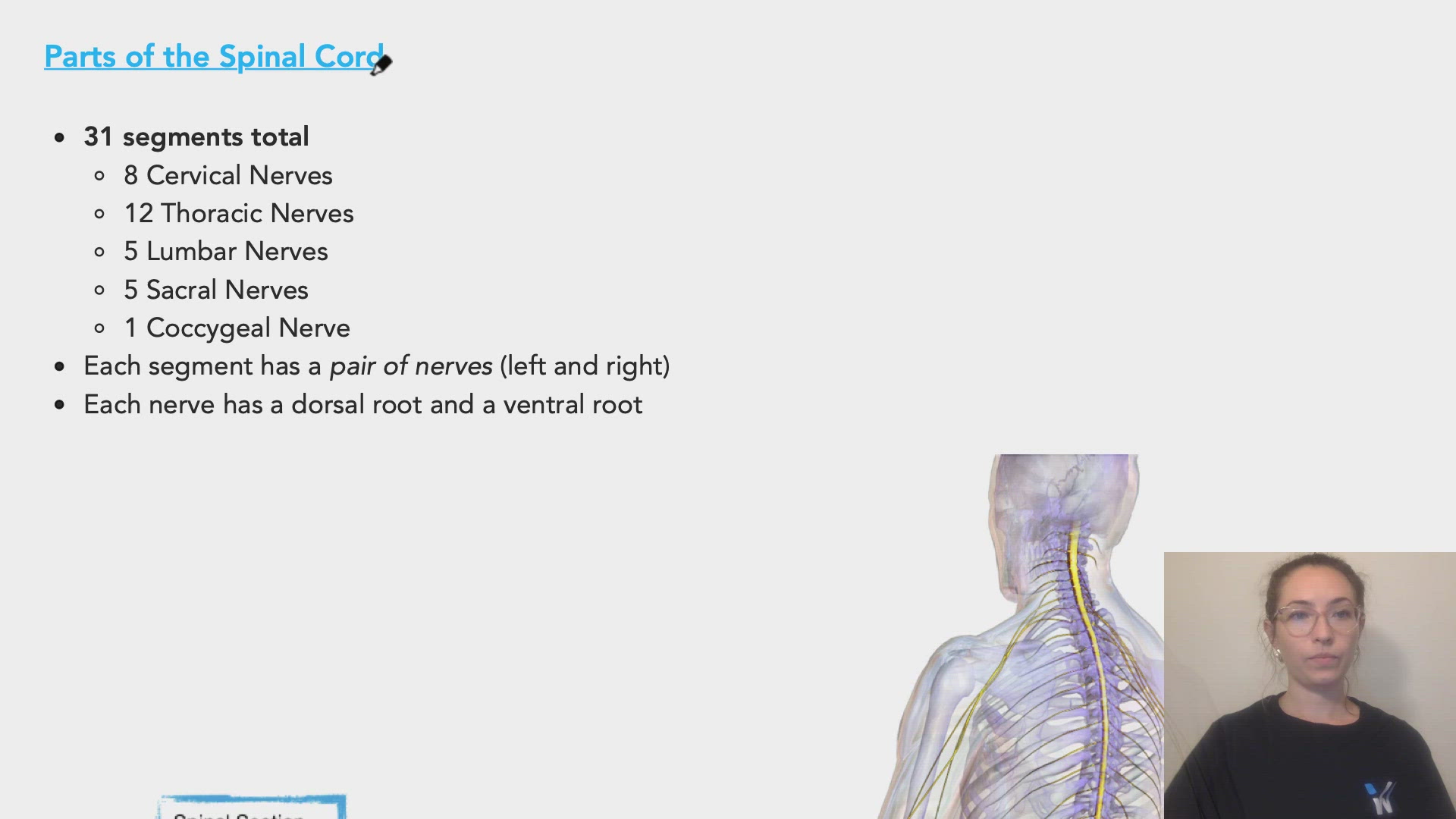
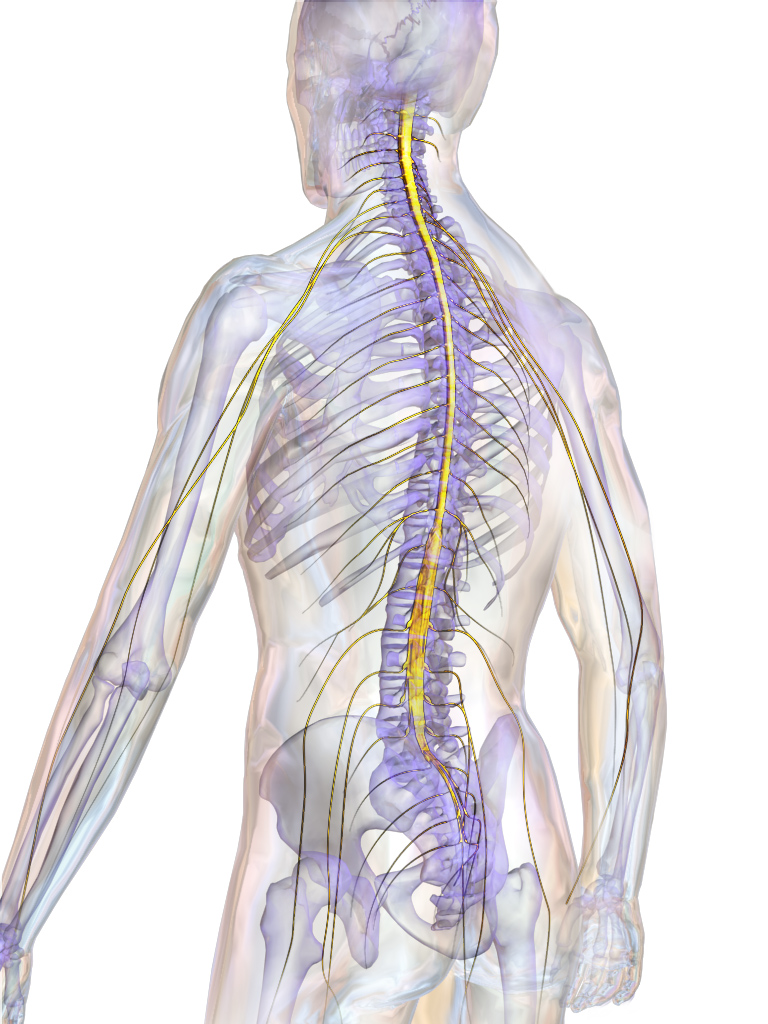
Parts of the Spinal Cord
- 31 segments total
- 8 Cervical Nerves
- 12 Thoracic Nerves
- 5 Lumbar Nerves
- 5 Sacral Nerves
- 1 Coccygeal Nerve
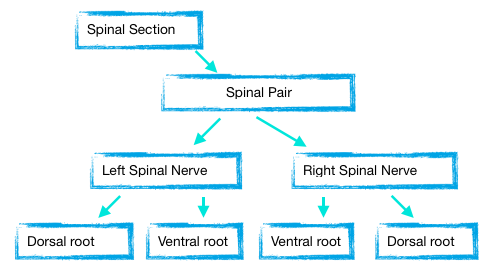
- Each segment has a pair of nerves (left and right)
- Each nerve has a dorsal root and a ventral root
Watch Out!
Do not get the spinal cord with spinal vertebrae confused: they are not the same thing!
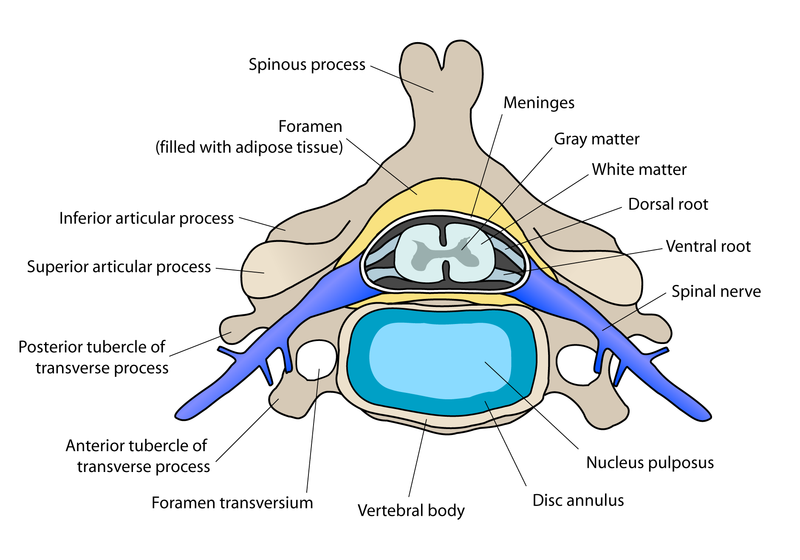
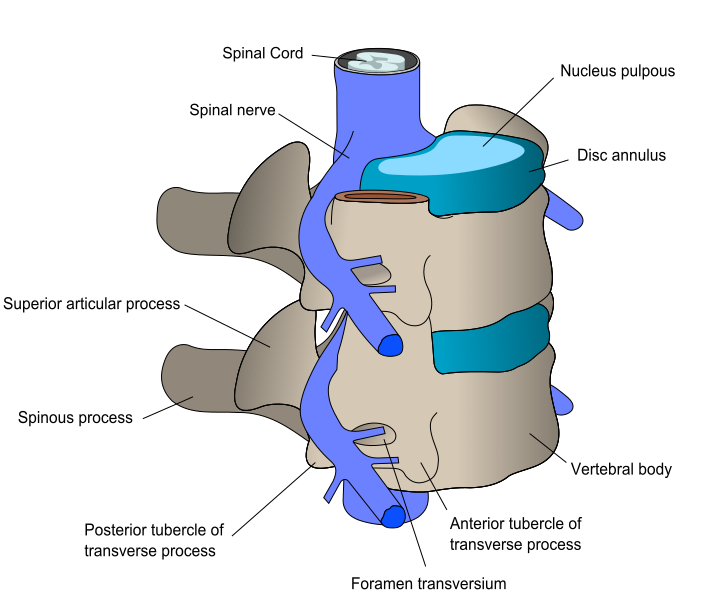
commons.wikipedia.org
Spinal Nerves
- The right and left spinal nerves are the same but the ventral root and dorsal root are not!

- Ventral root = motor signals = EFFERENT nerve
- TIP: think of VENTral --> vents blow air out --> signal goes out of spinal cord --> this takes EFFort (efferent)
- Cell body of those neurons are in the gray matter of the spinal cord
- Dorsal root = sensory signals = AFFERENT nerve
- Cell body of those neurons are in dorsal root ganglion (DRG)
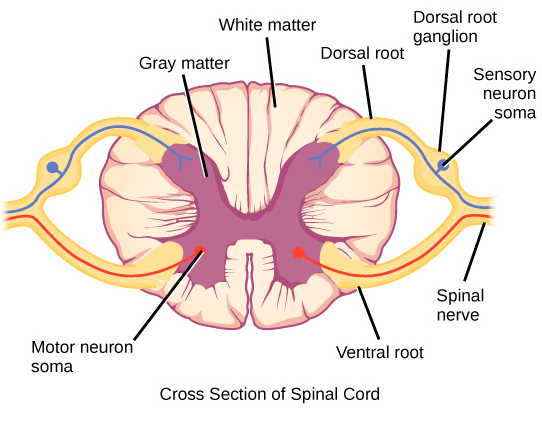
commons.wikimedia.org
0:00 / 0:00
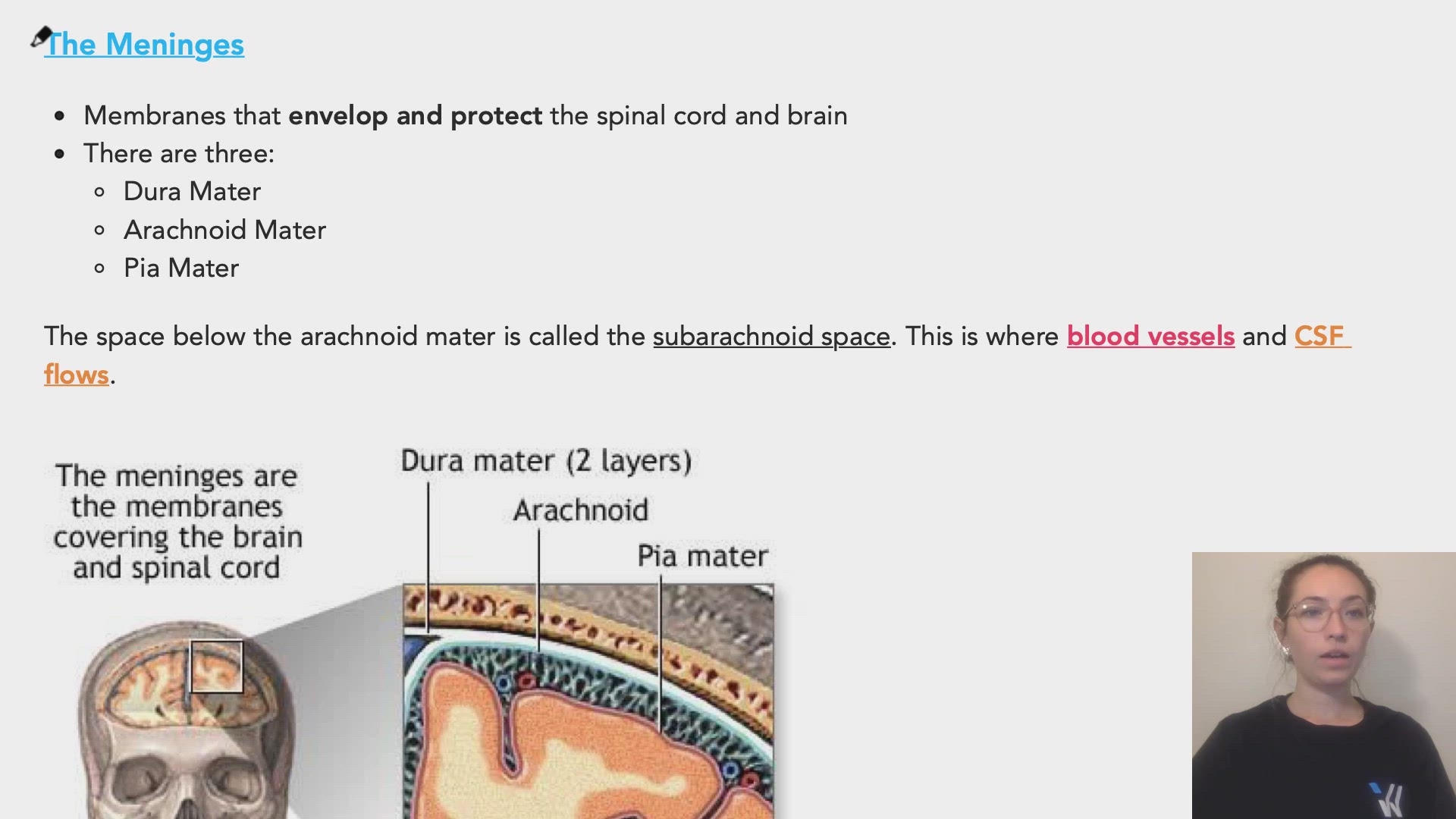
The Meninges
- Membranes that envelop and protect the spinal cord and brain
- There are three:
- Dura Mater
- Arachnoid Mater
- Pia Mater
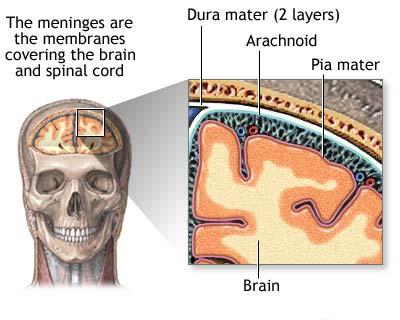
The space below the arachnoid mater is called the subarachnoid space. This is where blood vessels and CSF flows.
Cerebrospinal Fluid (CSF)
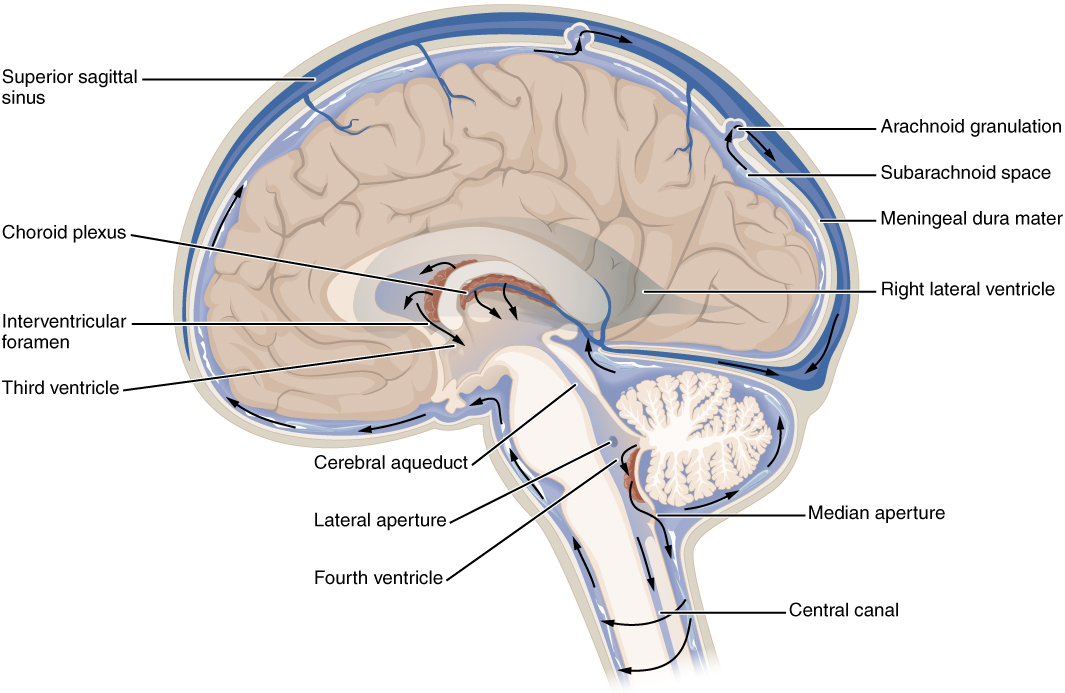
- Ventricles contain about 150 mL of cerebrospinal fluid (CSF)
- Acellular and contains glucose
- Produced by choroid plexus
- Supports and acts as a cushion to the brain
- Nourishes the brain and removes waste
- Flows out through the arachnoid granulations/villi
Brain Vasculature
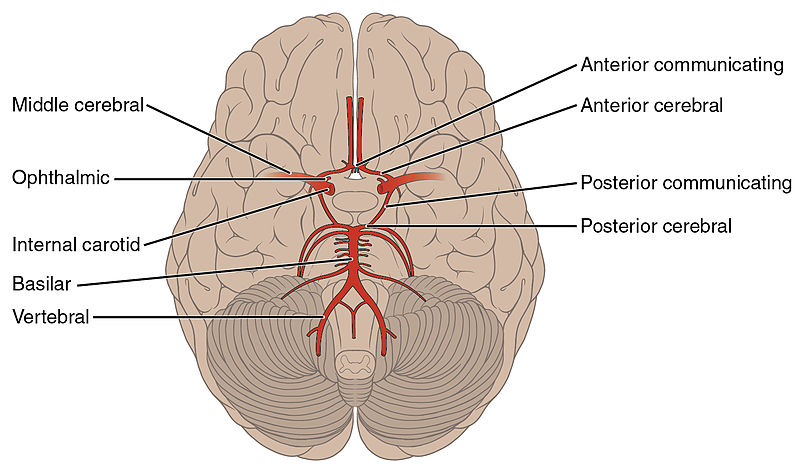
- Unique architecture with a loop (circle of Willis)
- Dual supply that merges
- Partly comes from internal carotid artery, which comes from the aorta right off the heart
- Continuous glucose supply to the brain is absolutely critical
commons.wikipedia.org
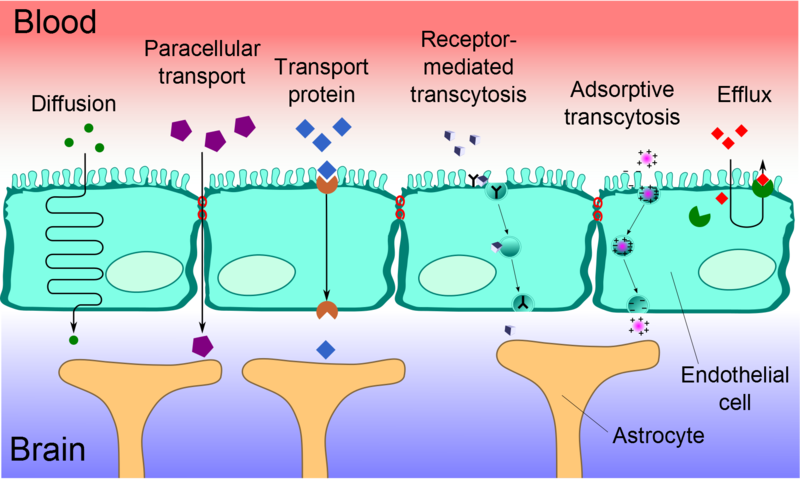
- Blood provides nutrients to the brain but does not contact it directly: blood brain barrier (BBB)
- Tight junctions on endothelial cells prevent mixing
- Astrocytes participate
commons.wikipedia.org
0:00 / 0:00
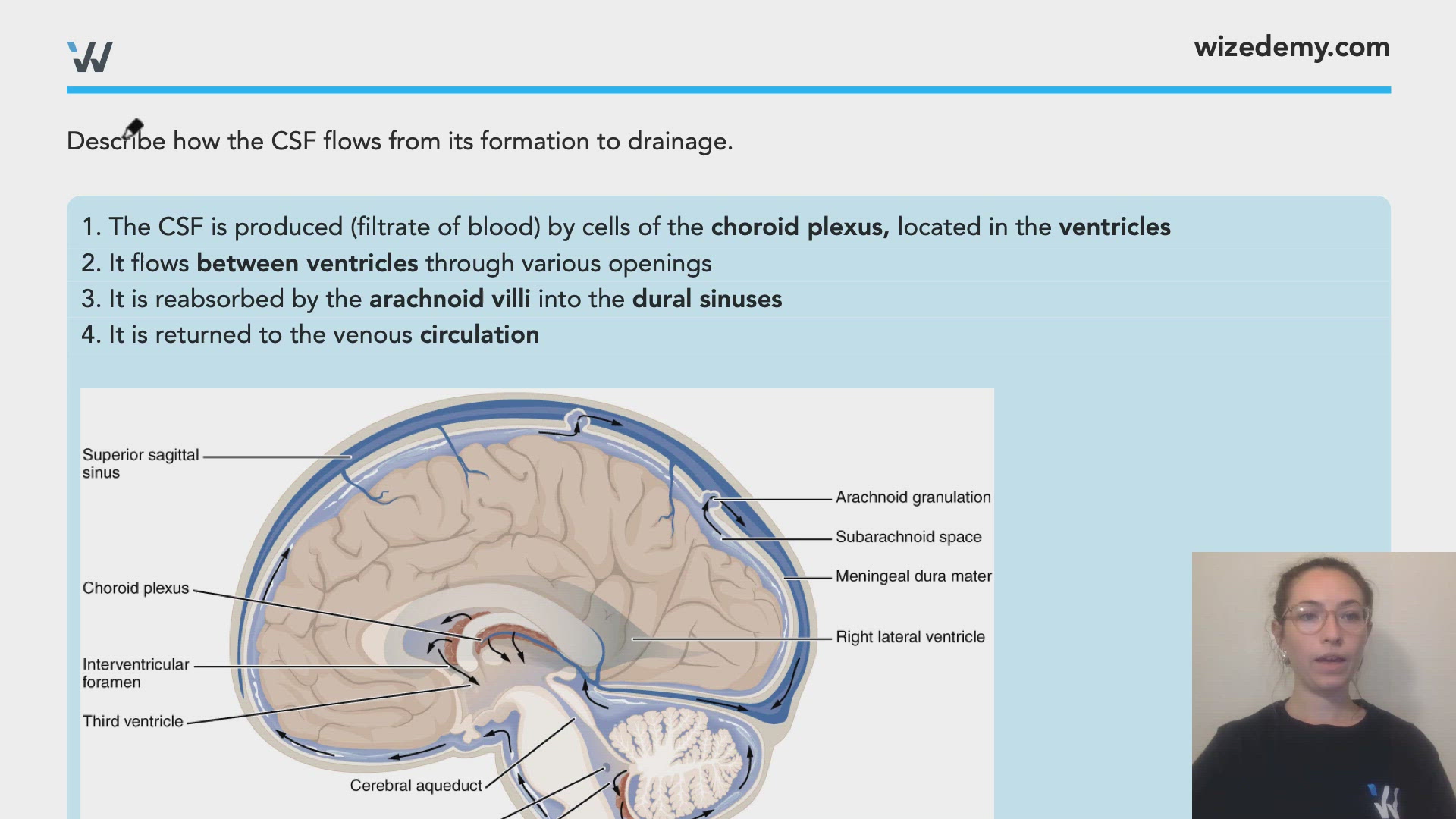
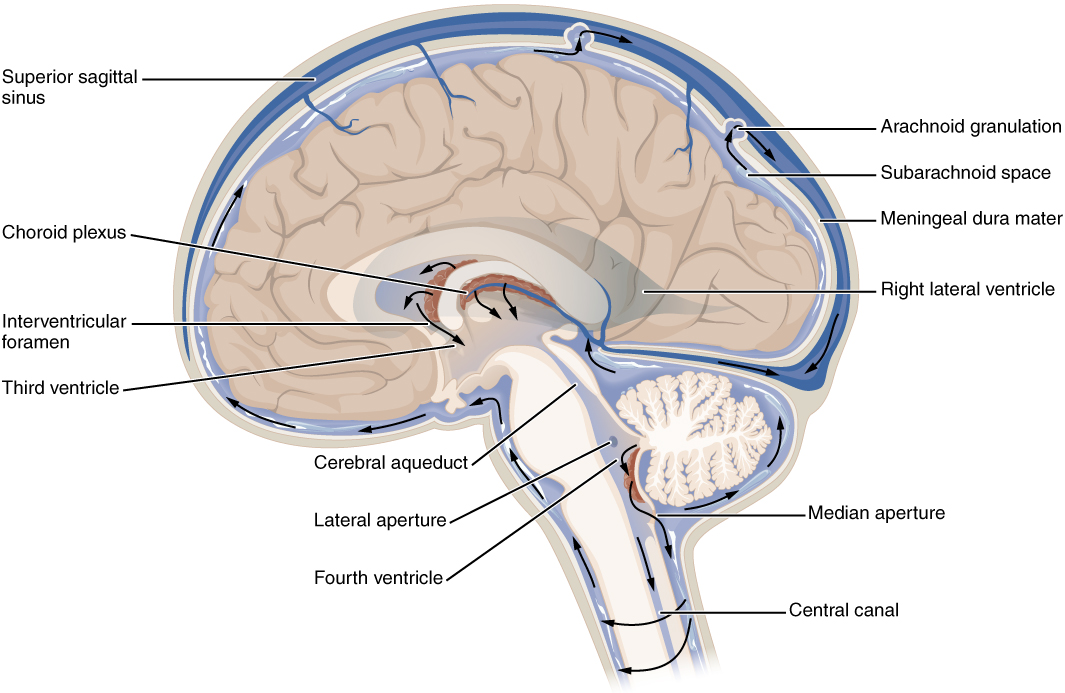
Describe how the CSF flows from its formation to drainage.
1. The CSF is produced (filtrate of blood) by cells of the choroid plexus, located in the ventricles
2. It flows between ventricles through various openings
3. It is reabsorbed by the arachnoid villi into the dural sinuses
4. It is returned to the venous circulation
0:00 / 0:00
What would happen if the CSF flow was blocked?
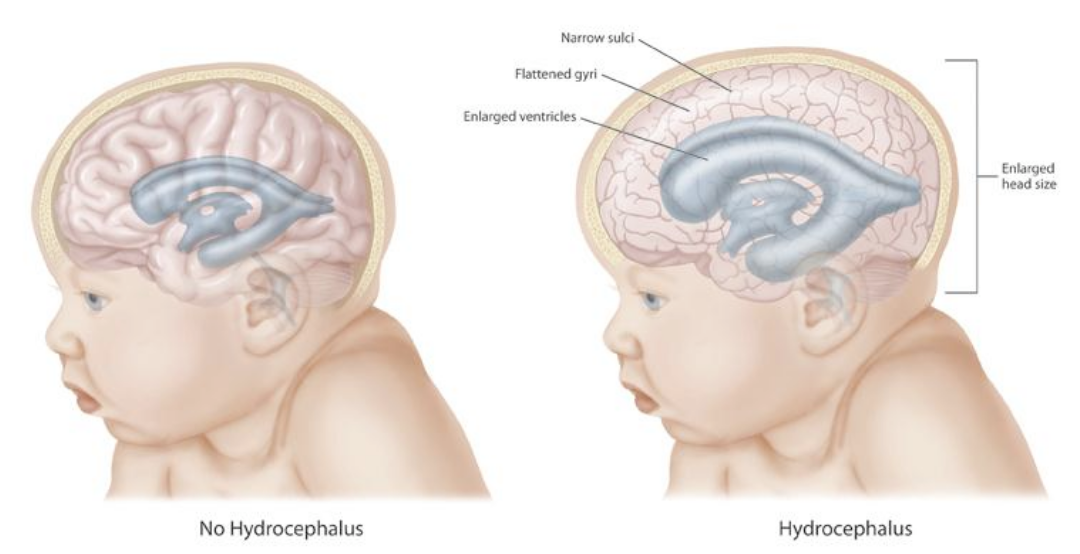
CSF blockage causes the fluid to accumulate in the ventricles (where the CSF is produced in the choroid plexus) inside the brain. This can cause an increased intracranial pressure. This condition is called hydrocephalus.
There are two different kinds of hydrocephalus: communicating and non-communicating.
- Communicating hydrocephalus is when there's an issue with the reabsorption of CSF -- flow is blocked after it exits the ventricles. This form is called communicating because CSF can still flow between the ventricles, which remain open.
- Non-communicating hydrocephalus (also called obstructive hydrocephalus) is when the flow of CSF is blocked between any of the narrow passages that connect the ventricles.
Which of the following are part of the brainstem?
Where are the cell bodies of efferent neurons located?