Wize University Physiology Textbook > Central Nervous System (CNS)
Consciousness and Sleep
Popular Courses
MCAT
General Course
DAT
General Course
Intro to Physiology
University Study Guides
PHYSIOL 1021
Western University
PHYSIOL 2130
Western University
Intro to Physiology
University Study Guides
PSL300H1
University of Toronto
PHYSL 210
University of Alberta
PHGY 210
McGill University
PHGY 215
Queen's University
KNES 259
University of Calgary
PHGY 216
Queen's University
BIOL 273
University of Waterloo
BIOL 260
University of British Columbia
PHYSIOL 3120
Western University
KNES 260
University of Calgary
BIOL 116
Case Western Reserve University
PPT 301
University of North Dakota
ANAT 212
McGill University
HTHSCI 2FF3
McMaster University
0:00 / 0:00
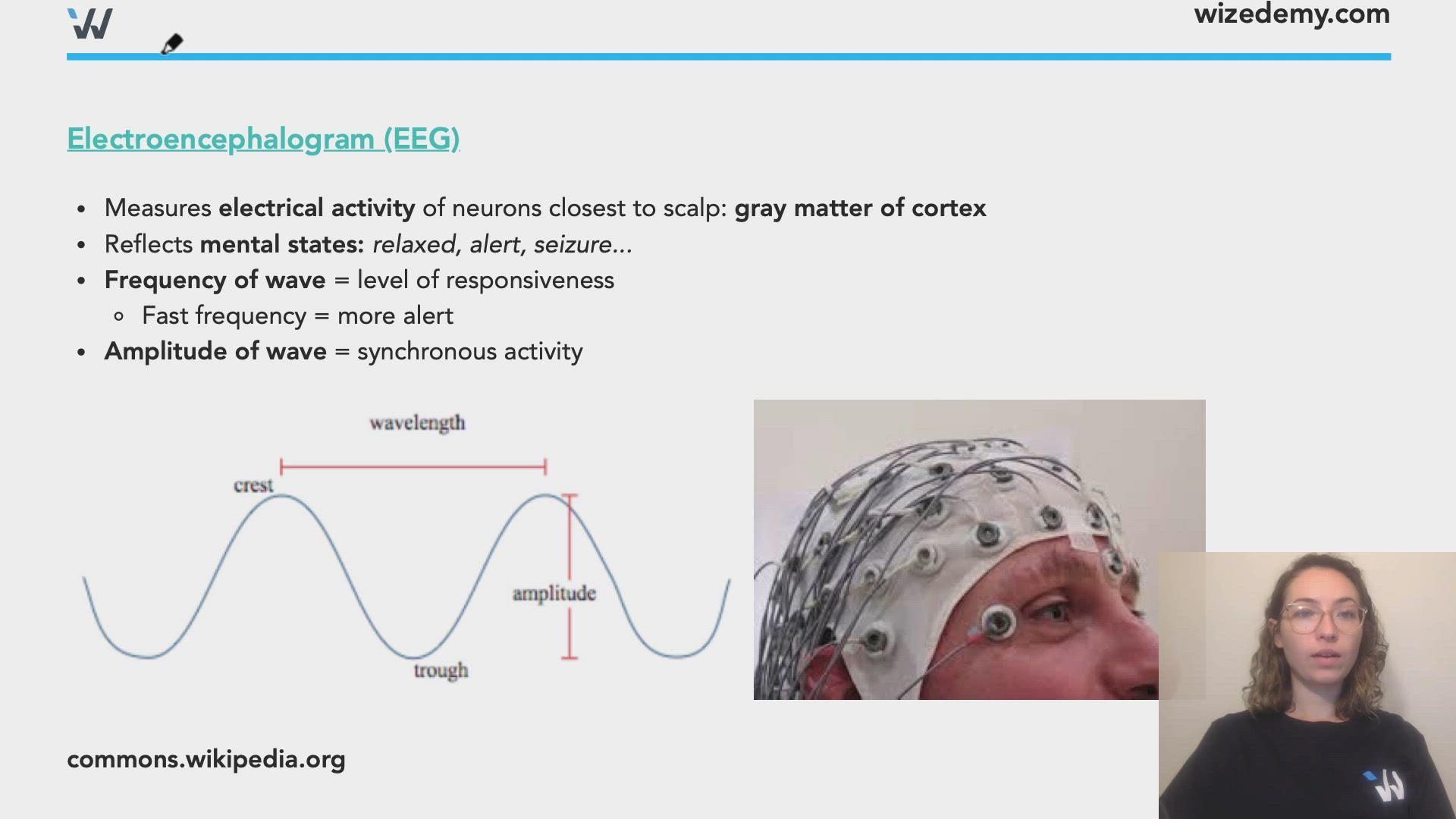
Electroencephalogram (EEG)
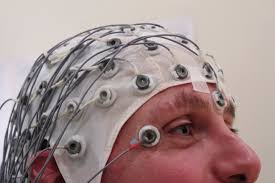
- Measures electrical activity of neurons closest to scalp: gray matter of cortex
- Reflects mental states: relaxed, alert, seizure...
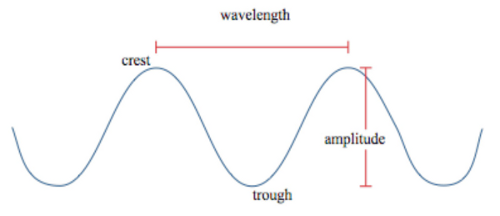
- Frequency of wave = level of responsiveness
- Fast frequency = more alert
- Amplitude of wave = synchronous activity
commons.wikipedia.org
Stages of Sleep
- Stages 1 - 4: called Non-REM (NREM) sleep
- REM sleep is also called paradoxical sleep, because it is characterized by the brain activity observed during waking (theta and beta activity).
- REM sleep is also characterized by rapid eye movement (REM), increased heart rate and respiration, reduced muscle tone, and dreaming.
- Types of waves: beta, alpha, theta and delta
- Beta --> awake and alert (low amplitude, fast frequency)
- Alpha --> awake but relaxed (slow frequency)
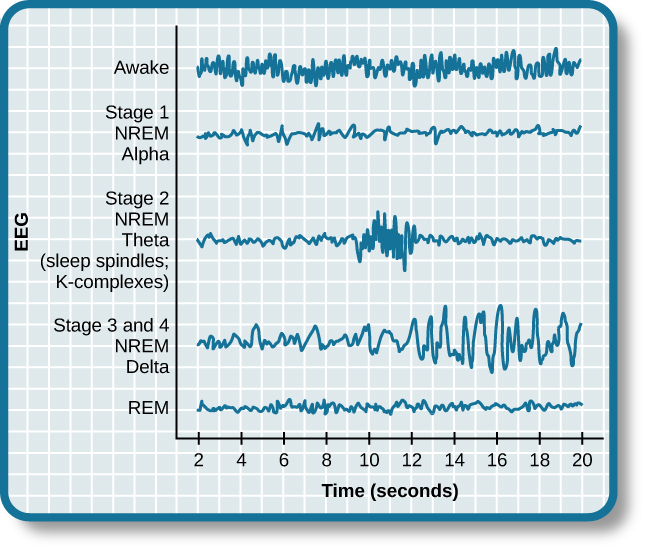
- Non-REM and REM sleep periods alternate, and the percentage of time spent in REM sleep progressively increases over the nocturnal sleep period.
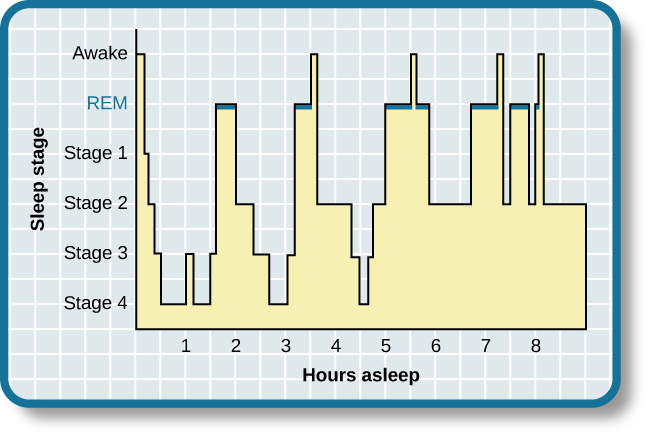
Source: Psychology. Authored by: OpenStax College. Located at: http://cnx.org/contents/4abf04bf-93a0-45c3-9cbc-2cefd46e68cc@4.100:1/Psychology. License: CC BY: Attribution. License Terms: Download for free at http://cnx.org/content/col11629/latest/.
0:00 / 0:00
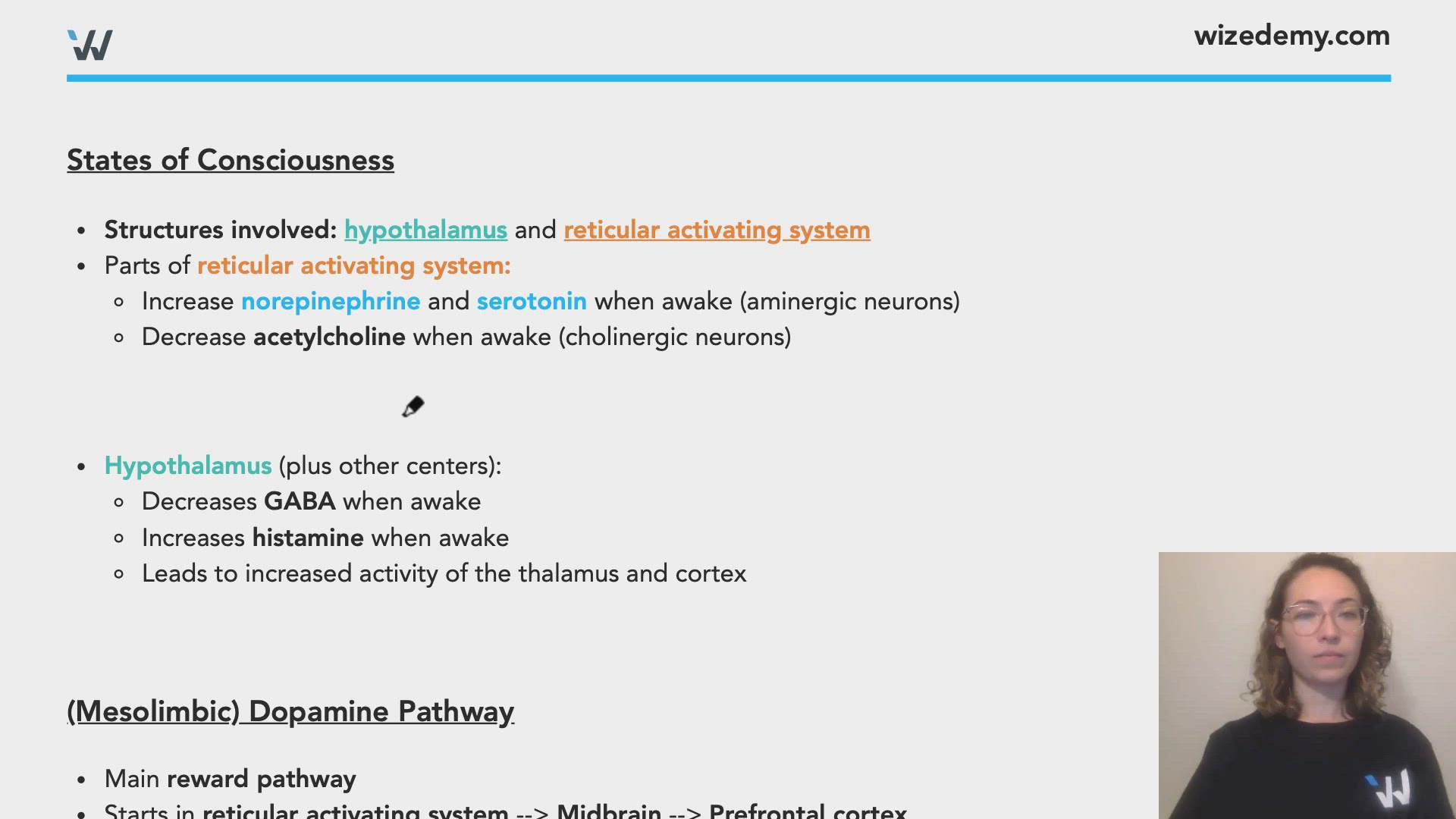
States of Consciousness
- Structures involved: hypothalamus and reticular activating system
- Parts of reticular activating system:
- Increase norepinephrine and serotonin when awake (aminergic neurons)
- Decrease acetylcholine when awake (cholinergic neurons)
- Hypothalamus (plus other centers):
- Decreases GABA when awake
- Increases histamine when awake
- Leads to increased activity of the thalamus and cortex
(Mesolimbic) Dopamine Pathway
- Main reward pathway
- Starts in reticular activating system --> Midbrain --> Prefrontal cortex
- Amphetamines cause release of dopamine
- Most psychoactive drugs act here
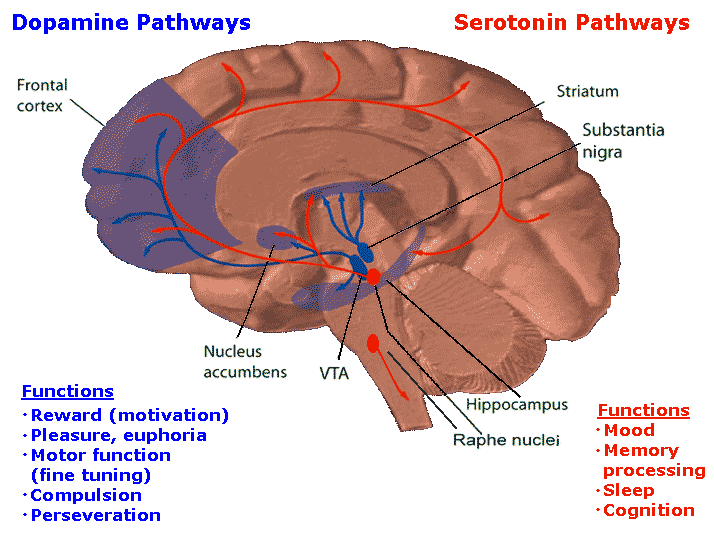
commons.wikipedia.org
Limbic System
- Deals with instinct and mood
- Basic emotions: fear, pleasure, anger
- Drives: hunger, sex, dominance, care of offspring
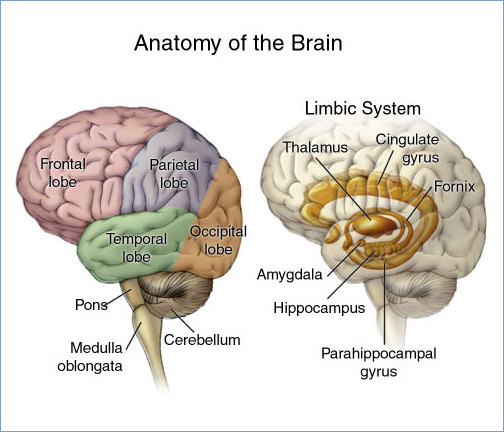
commons.wikipedia.org
Memory and Learning
- Hippocampus is a major structure in memory acquisition
- Declarative memory: facts and events that can be recalled
- Procedural memory: how to do things, motor skills
- Consolidation: stabilizing the memory after initial acquisition (from short to long term)
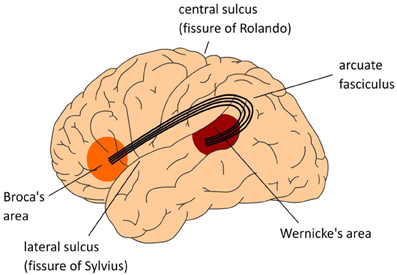
Language Areas
- Broca's Area: language articulation
- Think that you were reading an article about someone's brain being broken!
- Wernicke's Area: language comprehension
0:00 / 0:00
How do sleep patterns change on EEG when someone transitions between stages of NREM sleep?
As we go from stage 1 through 4 of NREM sleep, the frequencies (decrease or increase?)
decrease
and amplitudes (decrease or increase?) increase
.
0:00 / 0:00
Fill in the correct neurotransmitters regarding the relevant states of consciousness.
The reticular activating system increases norepinephrine and
serotonin
and decreases acetylcholine
during awake states.The hypothalamus and other centers decrease
GABA
when awake and increase histamine
.Which of the following are correct?