Wize University Psychology Textbook > Sensation & Perception
Sound Localization
Popular Courses
Psychology
University Study Guides
PSYC 100
Queen's University
PSYCH 104
University of Alberta
PSYCHOL 1002A/B
Western University
Psychology
University Study Guides
PSYCH 1XX3
McMaster University
PSYC 100
McGill University
PSY100H1
University of Toronto
PSYC 101
University of British Columbia
HH/PSYC 1010 6.00
York University
PSYC 200
University of Calgary
PSYC 100B
Queen's University
PSYC 100A
University of Victoria
PSYC 200
Concordia University
PSYC 1004
Virginia Tech
PSYCH 100
Pennsylvania State University
PSC 001
University of California - Davis
PSY 2012
University of Florida
PSY 101
Michigan State University
PSYCH10
University of California - Los Angeles
0:00 / 0:00
Sound Localization
Similar to visual cues for depth, we have auditory cues for sound localization that are monaural (one ear) or binaural (two ears).
Monaural cues
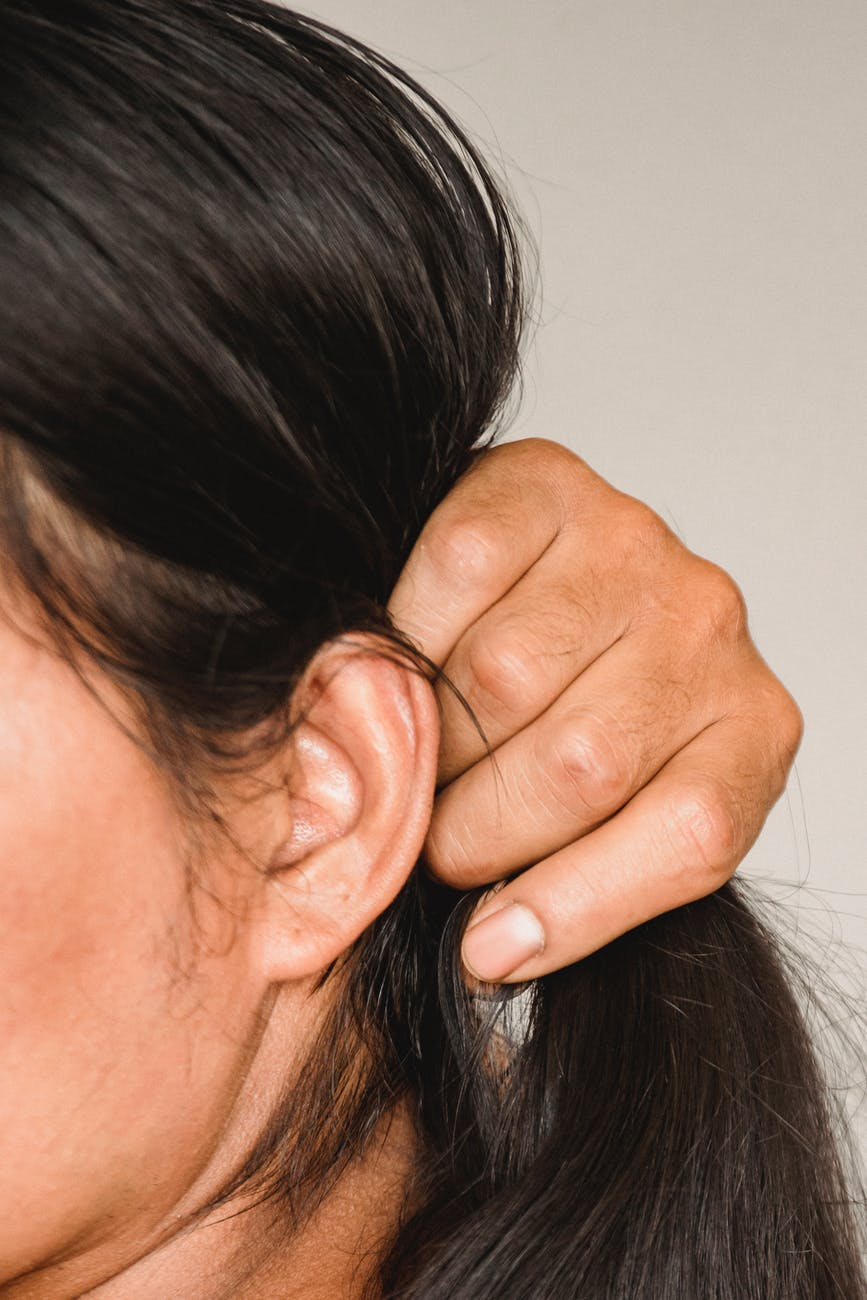
Median localization - When sound waves hit the outer ear (pinna), the shape of the outer ear changes the wave just slightly.
This helps us locate where a sound is coming from - above, below, or at ear level.
Binaural cues
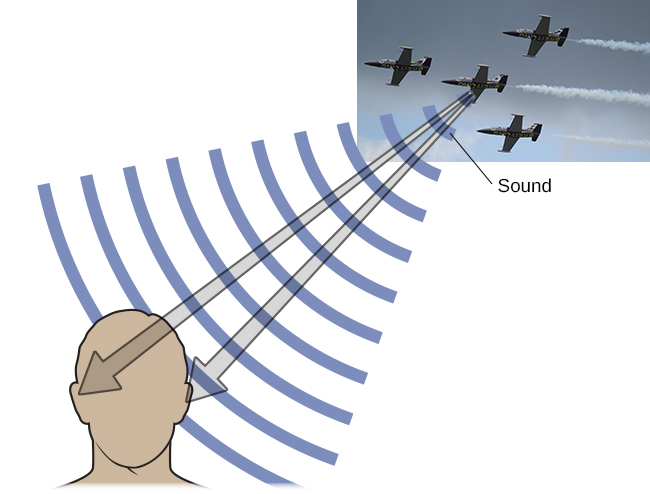
Binaural cues help us determine whether a sound is coming from our left or our right.
Interaural time differences - sound arrives at the closer ear first.
Interaural level differences - sound arrives at the closer ear louder because the head blocks the other ear.
Practice: Sound Localization
Tina hears a sound that is much louder in her left ear than her right. The sound is coming from: