Wize University Psychology Textbook > Memory
Sensory Memory
Popular Courses
MCAT
General Course
Psychology
University Study Guides
PSYC 100
Queen's University
PSYCH 1000
Western University
PSYCH 1X03
McMaster University
PSYCH 104
University of Alberta
PSYCHOL 1002A/B
Western University
Psychology
University Study Guides
PSYC*1000
University of Guelph
PSYC 100
McGill University
PSY100H1
University of Toronto
PSYC 101
University of British Columbia
HH/PSYC 1010 6.00
York University
PSYC 200
University of Calgary
PSYC 100B
Queen's University
PSYC 100A
University of Victoria
PSYC 200
Concordia University
PSYC 1004
Virginia Tech
PSYCH 100
Pennsylvania State University
PSC 001
University of California - Davis
0:00 / 0:00
Sensory Memory
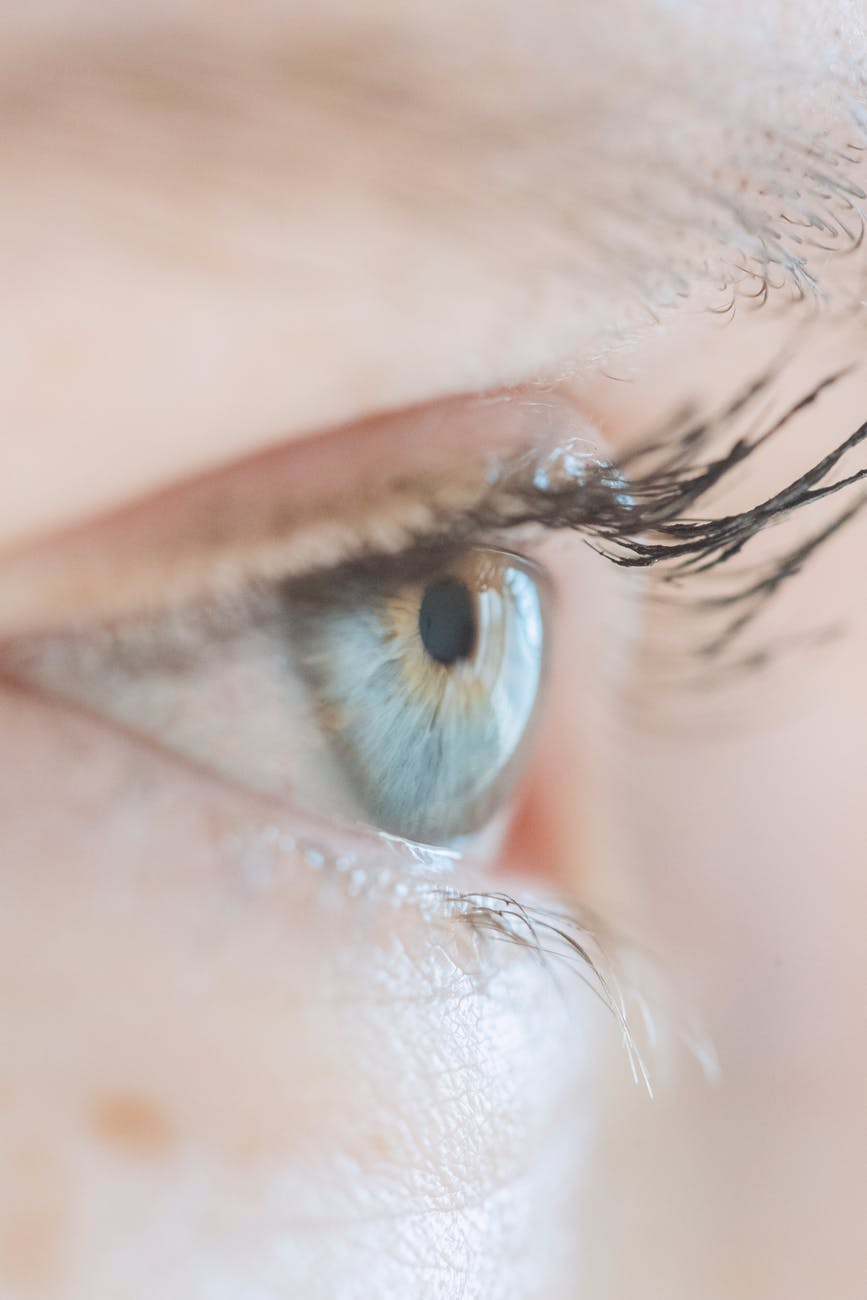
Sensory memory - a very brief perceptual store that maintains sensory information for a short period of time.
Items in sensory memory that are attended to are moved into short-term memory.
Each of our senses has its own sensory memory. The most well studied are iconic sensory memory (vision) and echoic sensory memory (hearing).
Iconic Sensory Memory
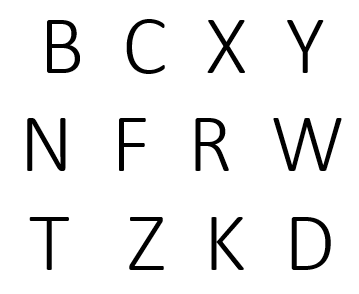
Sperling studied the capacity of iconic sensory memory. There were two possibilities:
- We can hold only a small number of items in sensory memory.
- We can hold lots of items in sensory memory, but they decay before we can report them all.
Subjects saw a grid of 12 letters very briefly, and then had to report everything they saw. They could get about 3-4 right. This number didn't change when Sperling told them which line to report.
This led him to conclude that we can hold a large number of items, but they decay before we can report them all.
The time limit on iconic sensory memory is about 250 milliseconds, or 1/4 of a second.
Echoic Sensory Memory

Echoic sensory memory has a longer time span than iconic sensory memory - up to 4 seconds.
Echoic sensory memory allows us to hold on to what we are hearing or saying long enough to interpret long sentences.
Practice: Sensory Memory
The capacity of sensory memory is: