Wize University Psychology Textbook > Development
Infant Perceptual Development
Popular Courses
MCAT
General Course
Psychology
University Study Guides
Psychology
University Study Guides
PSYC*1000
University of Guelph
PSYCH 1XX3
McMaster University
PSY100H1
University of Toronto
PSYCHOL 1003A/B
Western University
HH/PSYC 1010 6.00
York University
PSYC 102
University of British Columbia
PSYC 201
University of Calgary
PSYC 200
Concordia University
PSYC 1004
Virginia Tech
PSYCH 100
Pennsylvania State University
PSC 001
University of California - Davis
PSY 2012
University of Florida
PSY 101
Michigan State University
PSYCH10
University of California - Los Angeles
PSY 101
San Diego State University
PSY 101
University of Arizona
PSC 001Y
University of California - Davis
0:00 / 0:00
Infant Perceptual Development
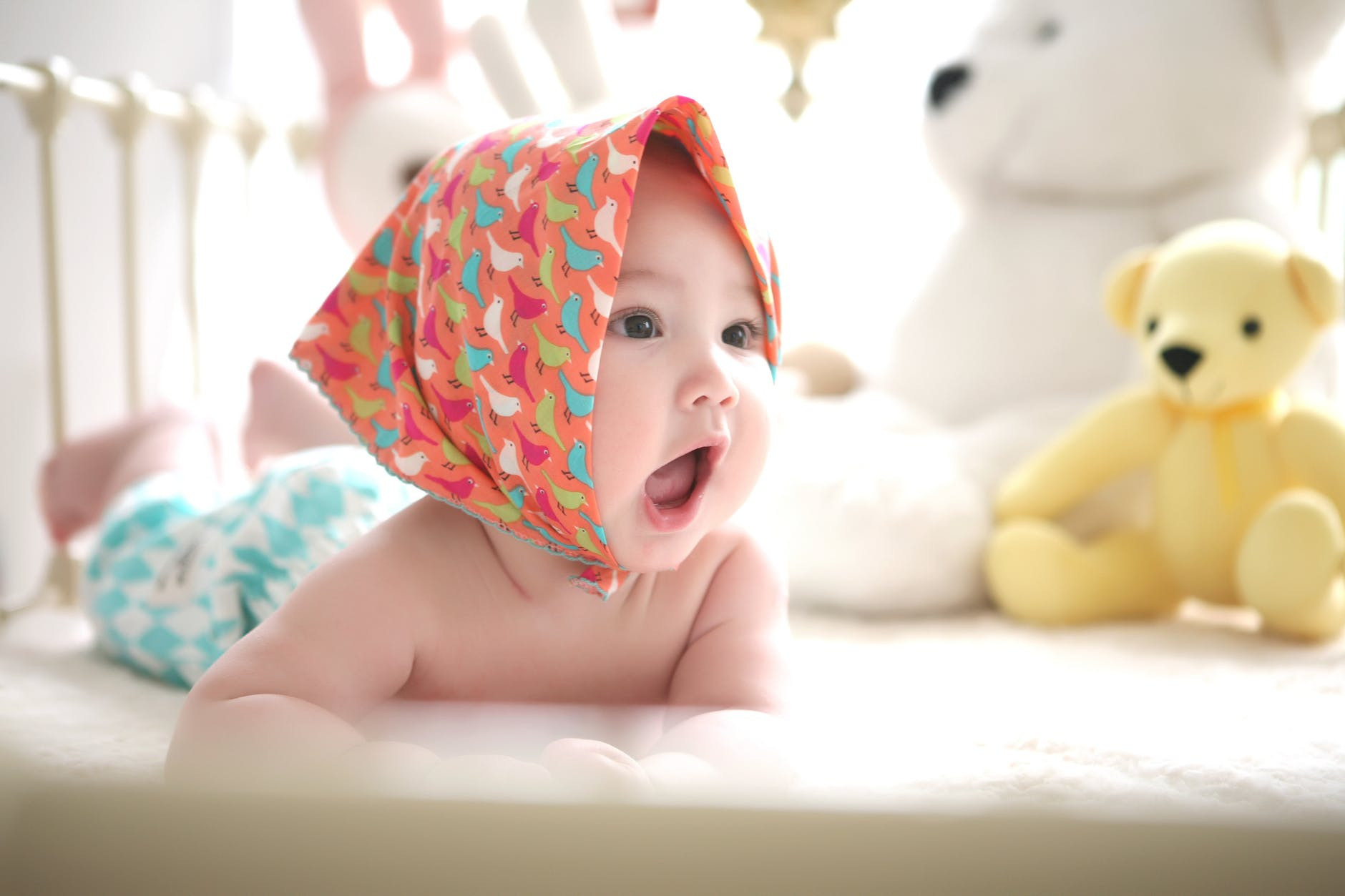
Newborns are very nearsighted - vision is clear for approximately 20-40cm (8-16 inches). Approximately 20/800 vision
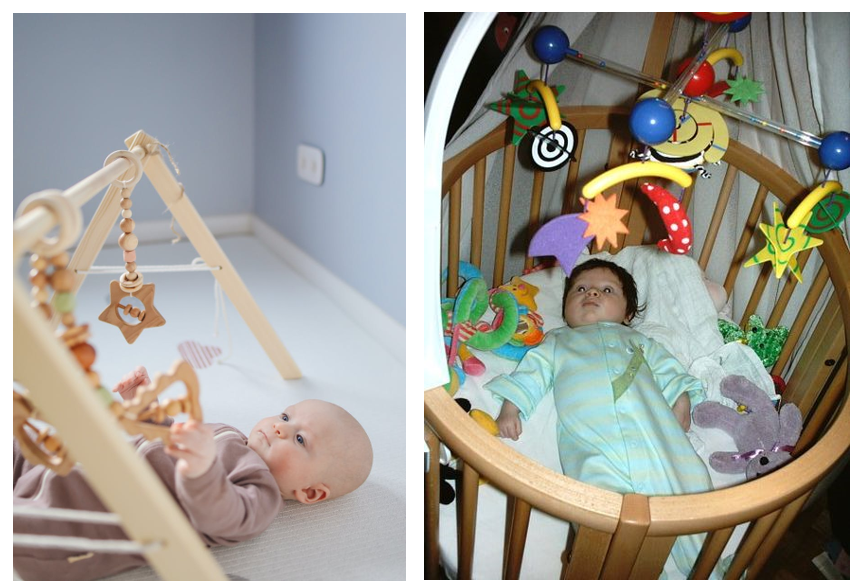
Infants prefer to look at novel and complex stimuli (especially those that resemble human faces) and bold colours, and will turn towards sounds, smells, and touch
Within 3 days of birth, infants prefer their mother's face over a stranger's face
Studying Perceptual Development and Preferences
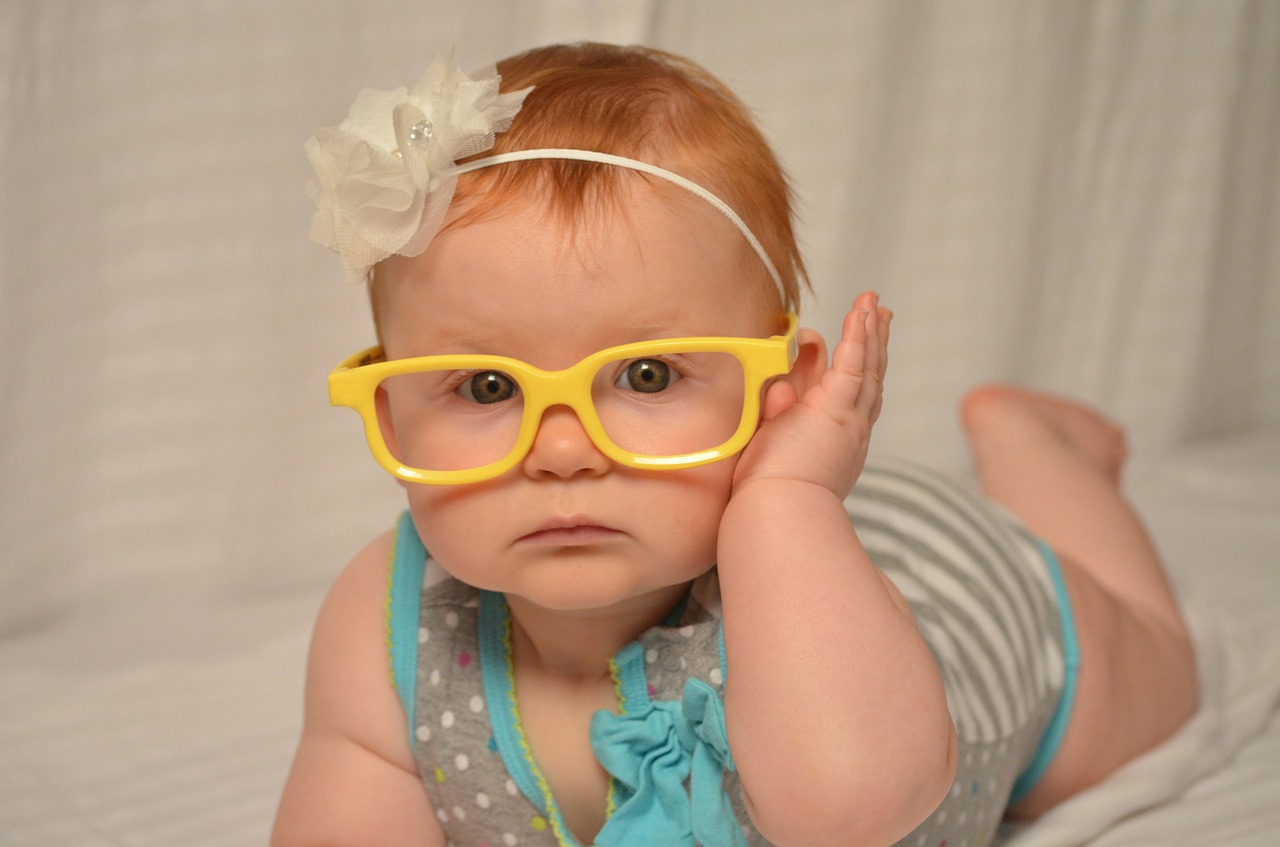
Preferential Looking Procedure - place two or more objects in front of an infant and record which one they look at most
Habituation task - place an object in front of an infant until they habitutate to it and stop looking, then switch or rotate the object. If they can tell that the object is different, looking will increase

Mark Yourself Question
- Grab a piece of paper and try this problem yourself.
- When you're done, check the "I have answered this question" box below.
- View the solution and report whether you got it right or wrong.
Practice: Infant Perceptual Development
A friend of yours who is an interior designer tells you their newborn infant has absolutely amazing taste and prefers the neutral wood and white coloured wall hanging on the opposite end of the room to the tacky black, white, and red baby toy you brought as a gift. Explain why your friend is wrong.