Wize University Statistics Textbook > Probability
Summary of Key Definitions
Popular Courses
MATH 208
Concordia University
COMM 214
Concordia University
STAT 151
University of Alberta
Statistics
General Course
Intro to Statistics
University Study Guides
COMM 215
Concordia University
STAT 213
University of Calgary
DATASCI 1000A/B
Western University
STA 100
University of California - Davis
Grade 12 Data Management
Ontario High School
High School Statistics
US High School
STAT 200
University of British Columbia
Intro to Statistics
University Study Guides
STATS 2035
Western University
STAT 161
University of Alberta
STAT 263
Queen's University
STAT*2040
University of Guelph
ENDG 319
University of Calgary
ECON 221
Concordia University
MGCR 271
McGill University
0:00 / 0:00
Summary of Key Definitions
It is important to understand the differences between complement, mutually exclusive, intersection, independent, and union!
"Complement"
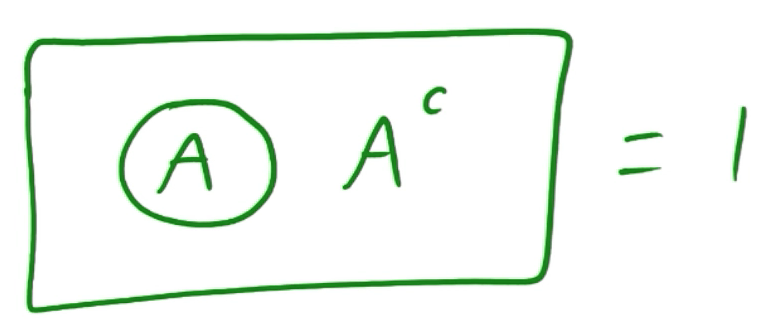
The probability of Event A and the probability of Event not-A add up to 100%.
"Mutually Exclusive" (or Disjoint)

Event A and Event B do not overlap.
"Intersection"
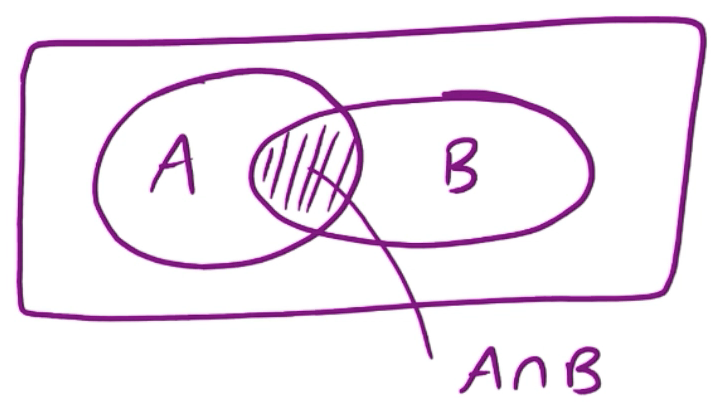
Event A and Event B overlap. Intersection is the opposite of mutually exclusive.
"Independent"
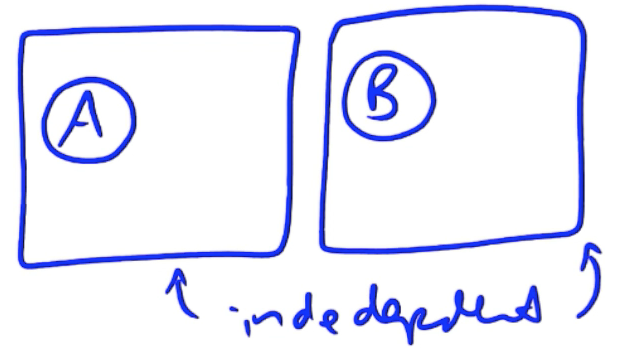
The occurrence of Event A does not affect the occurrence of Event B, and vice versa.
"Union"
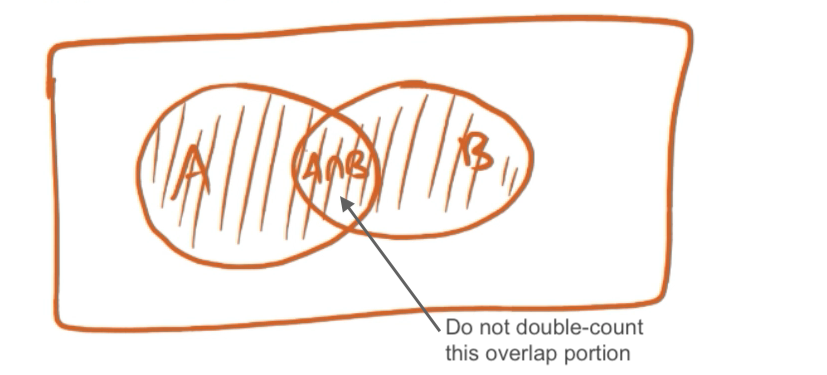
When Event A and Event B overlap, you need to subtract the overlap portion to avoid double-counting.