Light-Dependent Reactions of Photosynthesis
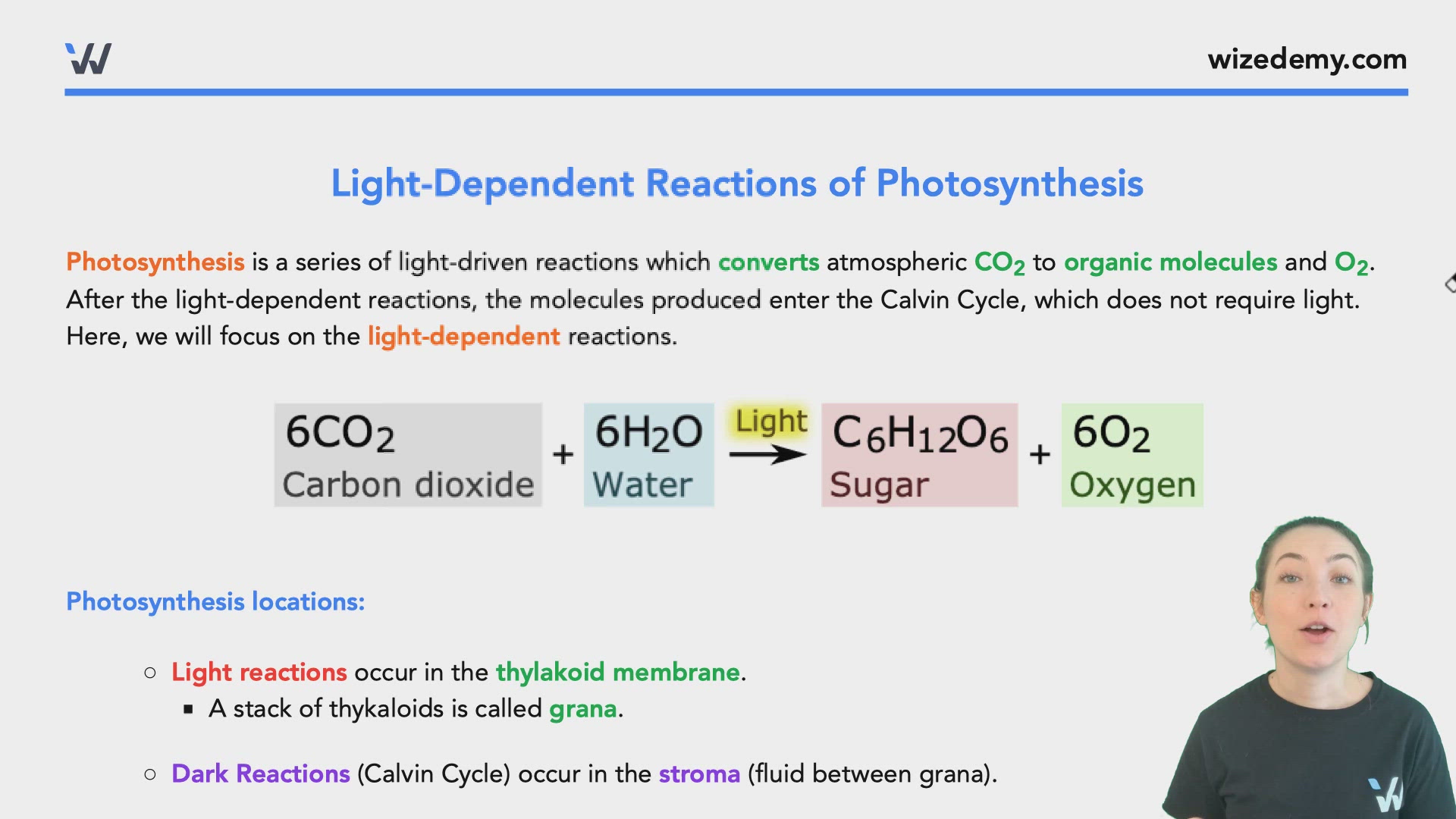
Photosynthesis is a series of light-driven reactions which converts atmospheric CO2 to organic molecules and O2. After the light-dependent reactions, the molecules produced enter the Calvin Cycle, which does not require light. Here, we will focus on the light-dependent reactions.

Photosynthesis locations:
- Light reactions occur in the thylakoid membrane.
- A stack of thykaloids is called grana.
- Dark Reactions (Calvin Cycle) occur in the stroma (fluid between grana).
Light absorbing pigments
Pigments absorb as certain visible light wavelength.
- Chlorophylls a and b
- Absorb 70% of red and blue wavelength; highest O2 production at these wavelengths.
- Only present in green plants and green algae.
- Carotenoids
- Absorb violet and blue-green light.
- Phycobilins – present in algae.
Photochemistry Components
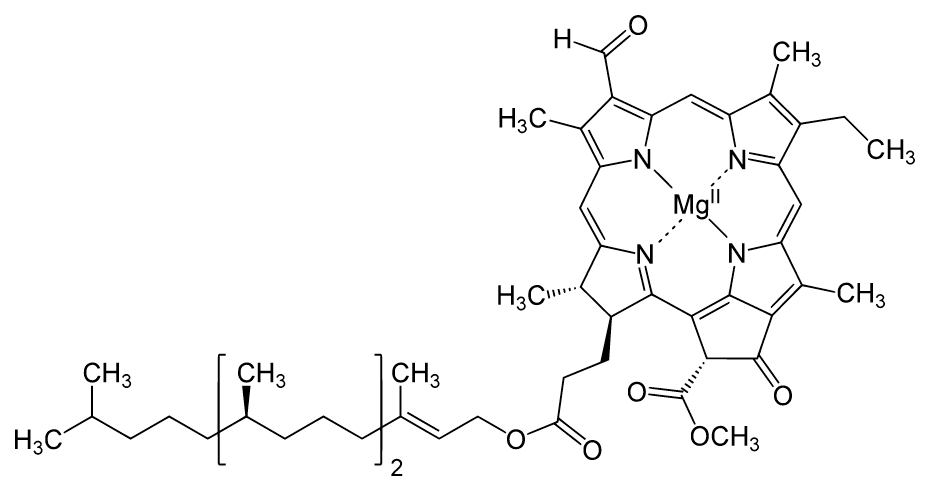
- Chlorophyll contains a porphyrin ring
- Light absorbing head containing magnesium and many double bonds that can be excited.
- Light harvesting complexes (aka antenna complex) – link pigments together and are connected to reaction centers.
- Electrons transferred to primary electron acceptor.
- Photosystem (PS) = light harvesting complexes + reaction center embedded in thylakoid membrane.
Photosynthesis Steps
Photosynthesis starts with light photons striking the pigments. Follow the steps below:

Remember that the combination of a light harvesting complex with the reaction center makes up a photosystem. There are two relevant photosystems that differ in (1) which molecules they split (i.e. what they oxidize) and (2) where they deliver their electrons (i.e. what they reduce).
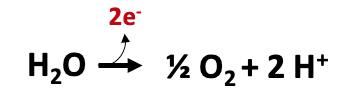
- Photosystem II (P680): Obtains an electron by splitting water (H2O) and releasing oxygen (O2) as a waste product.
- Note that electron energy is also used to pump H+ from the stromal side to the lumen of the thykaloid.
- These hydrogen atoms will be used to produce ATP later.
- Since the traveling electrons loose energy, they must be "reenergized" by photosystem I.
- Electron Transport Chain (ETC): Passing of electrons between PS II and PS I.


- Photosystem I (P700): Similar to PS II, it absorbs a photon from light, which passes through pigments, to chlorophyll a and then the reaction center.
- In this case, an electron came from PS II to replace that one given away by chlorophyll a.
- PS I becomes oxidized and sends an electron to NADP+, reducing it to NADPH.
- ATP Synthase:
- The buildup of H+ in the thykaloid lumen creates a gradient that drives the production of ATP as the ions rush through ATP synthase.
- This is called chemiosmosis.

Non-Cyclic and Cyclic Versions of Light-Dependent Reactions
- Non-Cyclic Photophosphorylation
- What was discussed so far was the non-cyclic version of the light-dependent reactions, also known as Z-scheme. It is called that because the energy of the electrons involved goes up and down, in a pattern that resembles a "Z".

Photo by Govindjee, Dmitriy Shevela / CC BY
- Cyclic Photophosphorylation
- If ATP and NADPH are needed at different ratios, electrons can be cycled through photosystem I only.
- Instead of going to reduce NADP+, the electron goes through the ETC, driving H+ into the lumen.
- This gradient is used to produce ATP from ADP.