
0:00 / 0:00
Isotopes and Atomic Mass
Isotopes and Radioisotopes
- When two atoms have the same atomic number, but a different number of neutrons, we call these isotopes.
- Since they have a different number of neutrons, isotopes will have different mass numbers
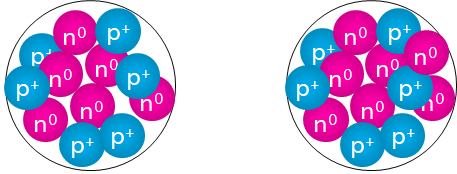
- Isotopes can be stable, meaning that they do not decay.
- Radioisotopes are radioactive isotopes of an element. The nucleus of these isotopes is unstable and will decay with time, emitting radiation.
Calculating the Atomic Mass
- The atomic mass number is a weighted average based on the relative abundance of isotopes Isotopes have similar reactivity to one another, that's why we can form C bonds with either C-12 or C-13
- To determine the average mass of an element, use this equation:
- Plug in the mass of each isotope in a.m.u. and plug in the relative abundance of each isotope as a decimal Example: we are told the relative abundance of C-12 is 98%. You would want to plug in0.98for this isotope's relative abundance.

0:00 / 0:00
Example: Solving for the Atomic Mass
Chlorine can be found in nature as 35Cl (mass 34.969a.m.u, 75.78% abundance) and 37Cl (mass 36.966a.m.u, 24.22% abundance). What is the average atomic mass of Cl?

0:00 / 0:00
Example: Finding the Number of Subatomic Particles in a Nucleus

a) How many protons are in an 53Cr nuclei?
24, The Atomic Number
b) How many protons are in a 232Th nuclei?
90, The Atomic Number
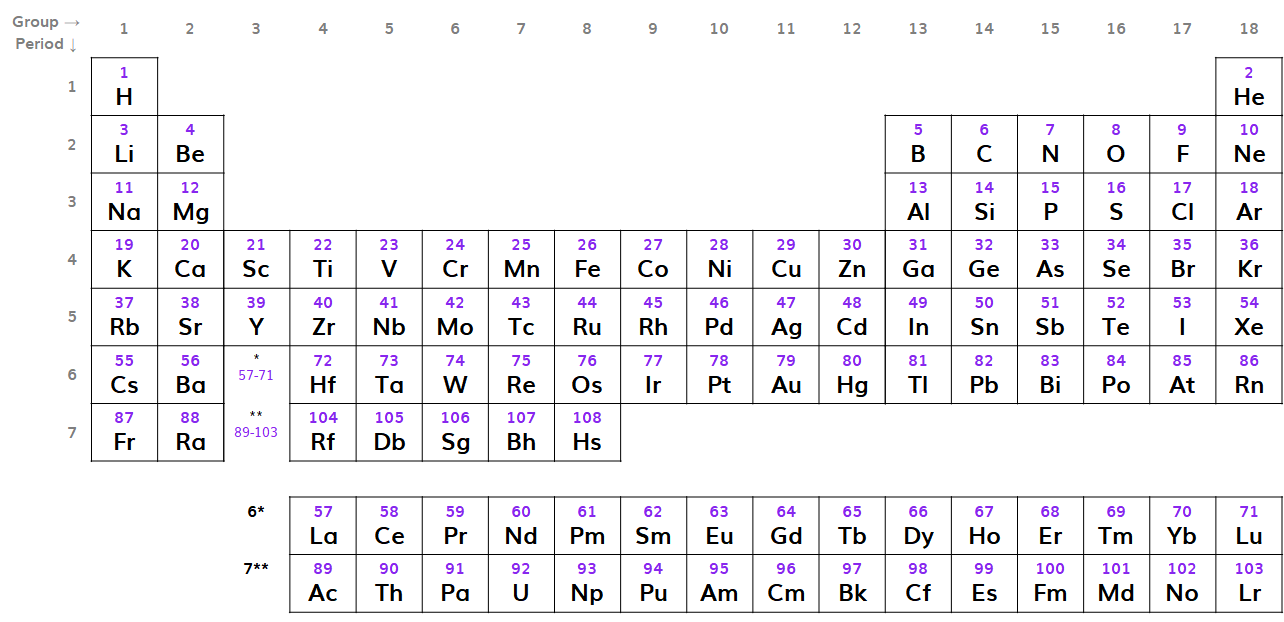
c) How many neutrons are in a 18O nuclei?
18 - Z = 18 - 8 = 10
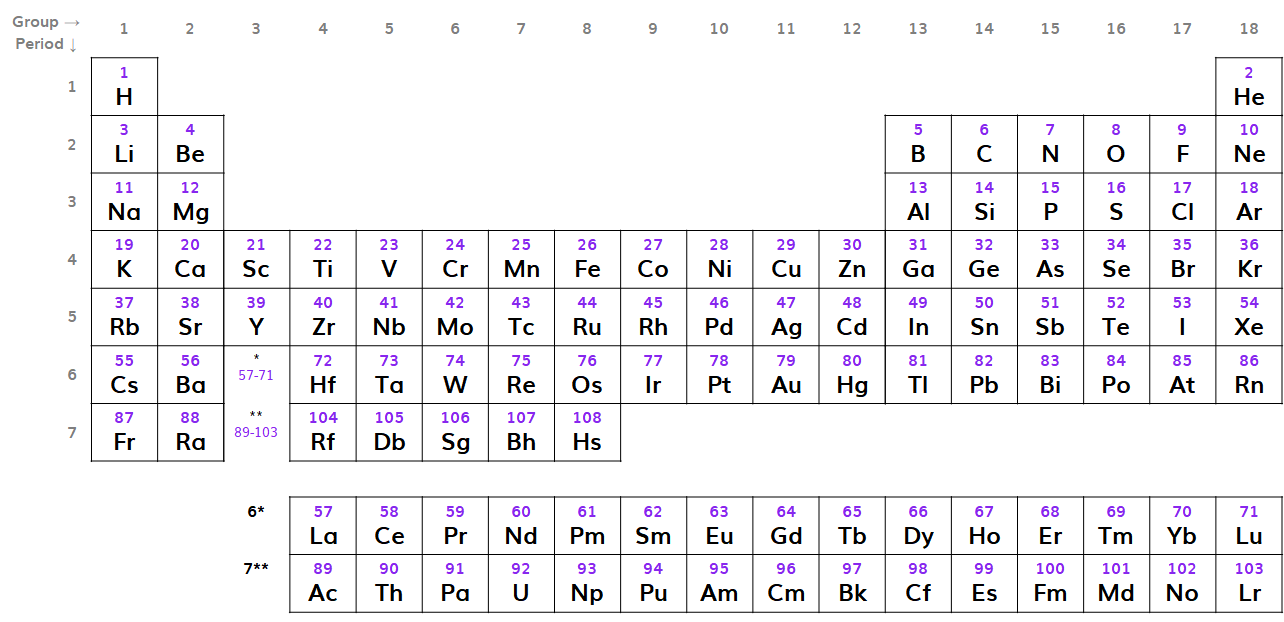
d) How many neutrons are in a 64Cu nuclei?
64 - Z = 64 - 29 = 35
Practice: Identifying Isotopes of Elements
An atom with 6 neutrons and a mass number of 13 is an isotope of which element?
Practice: Solving for the Weight of an Isotope
Naturally occurring potassium contains two stable isotopes. The lighter isotope, 39K ( 38.9637 amu) is the more abundant isotope, accounting for 93.26% of the nuclei. What is the weight of the heavier isotope, 41K?
Practice: Finding Abundance
The two stable isotopes of Boron are as follows:
Isotope 1: (10.013a.m.u)
Isotope 2: (11.009a.m.u.).
Calculate the percentage abundance of each isotope based on boron's average atomic mass. Express your answer in a percentage value, rounded to the nearest whole integer. Do not include any symbols.