
0:00 / 0:00
Carbohydrates (Sugars)
Sugars are essential for life and energy in the human body. They receive their name for being hydrates (meaning, containing water molecules) of carbon; as such, their general formula is (CH2O)n.
- Can be simple sugars (monosaccharides), disaccharides, or polysaccharides.
- A disaccharide is two monosaccharides joined together;
- A polysaccharide is many monosaccharides joined together.
Structure of Monosaccharides
These are simple sugars made of 3-7 carbons with functional groups. Their general structure is as follows:
- Carbon chain or ring
- Functional groups off the side:
- Hydroxyl (OH)
- Carbonyl (C = O)
- At end of chain: aldehyde
- In the middle of chain: ketone Example: glucose (C6H12O6)

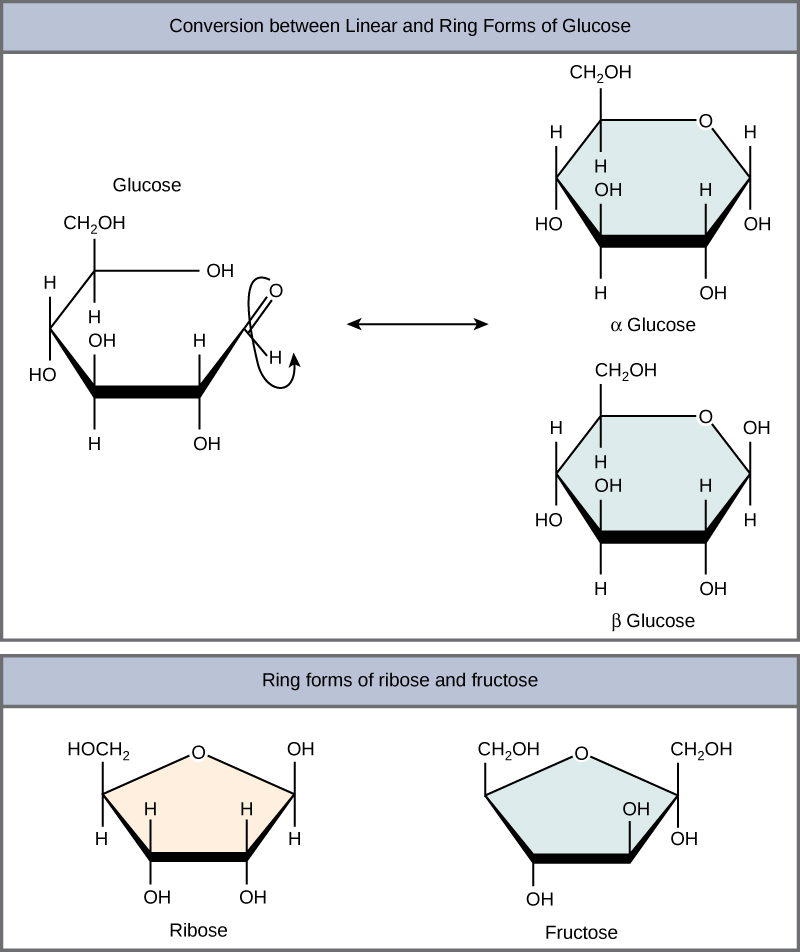
- Sometimes monosaccharides have the same chemical formula, but their functional groups are located in different places. We call all of these monosaccharides with the same formula isomers.
- Structural isomers have functional groups located on different carbons. Example: glucose vs fructose.
- Stereoisomers have functional groups are on the same carbon but different arrangements. Example: glucose vs galactose.
- Monosaccharides can be found as straight lines (linear) or rings.
Disaccharides
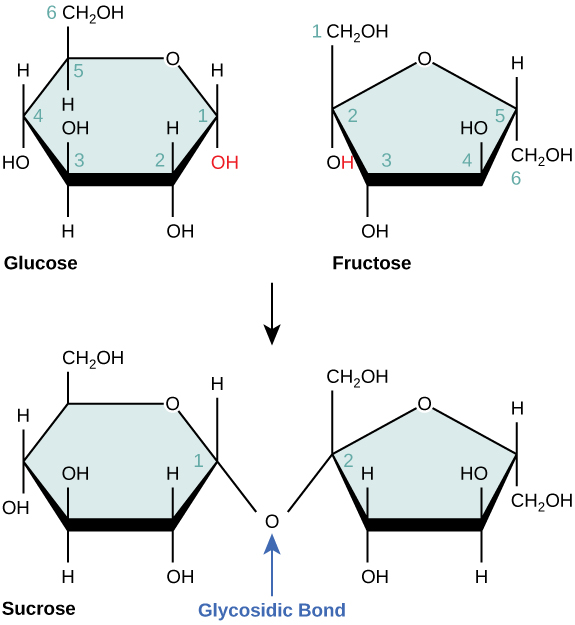
- Monosaccharides are joined together by a dehydration or condensation reaction to form a glycosidic linkage.
- Common disaccharides include lactose (milk), and sucrose (table sugar).
0:00 / 0:00
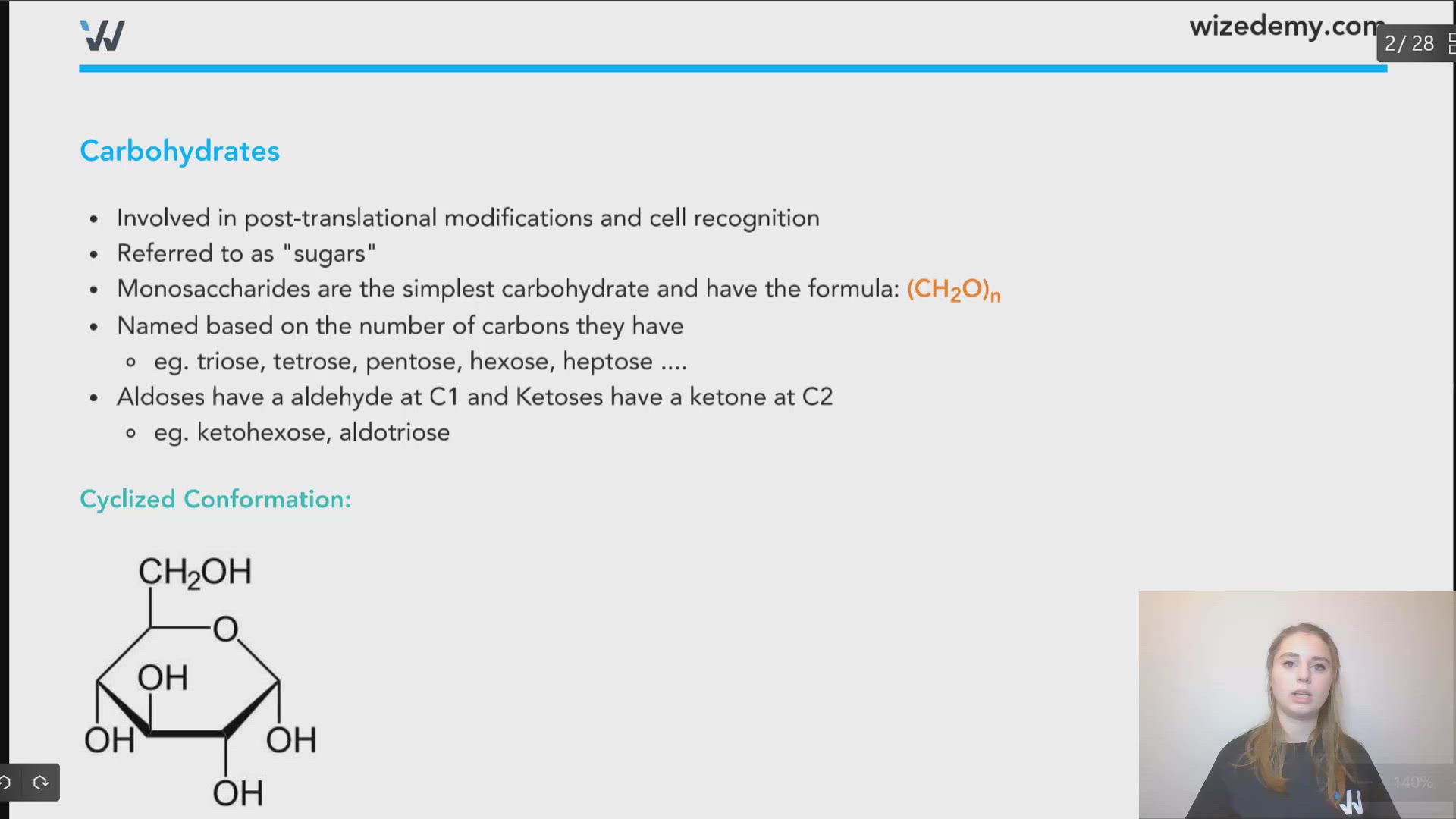
Carbohydrates
- Involved in post-translational modifications and cell recognition
- Referred to as "sugars"
- Monosaccharides are the simplest carbohydrate and have the formula: (CH2O)n
- Named based on the number of carbons they have
- eg. triose, tetrose, pentose, hexose, heptose ....
- Aldoses have a aldehyde at C1 and Ketoses have a ketone at C2
- eg. ketohexose, aldotriose
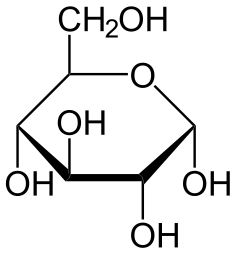
Cyclized Conformation:
Fischer Projection:
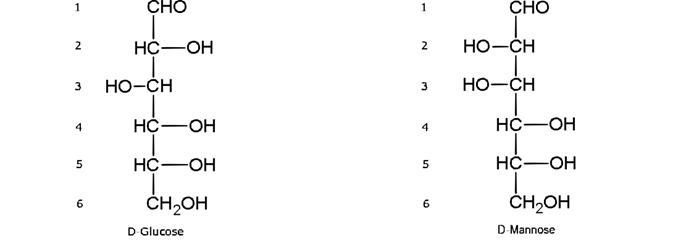
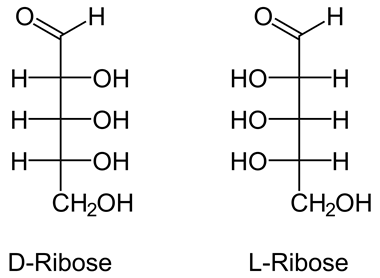
- L and D are in reference to the different enantiomers of the sugar structure (asymmetry)
- Enantiomer dependent on the chiral carbon furthest from the carbonyl group
- These are optically active, meaning they rotate polarized light either to the right (+, D) or to the left (-, L)
- The number of chiral carbons (x) determine the possible number of stereoisomers: 2x
0:00 / 0:00
Carbohydrate Cyclization
- The hydroxyl group nucleophilically attacks the aldehyde or the ketone (very reactive) forming the ring
- Forms Furan (5 membered ring) or a pryan (6 membered ring)
- Bonds formed:
- Hemiacetal (from aldehyde)
- Hemiketal (from ketone)
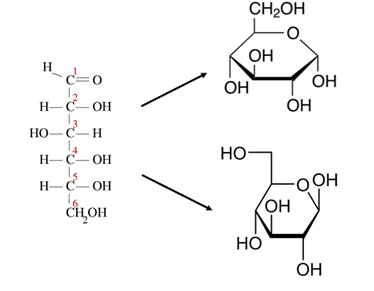
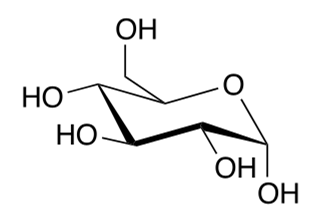
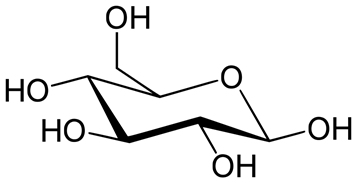
- Cyclyzation results in two possible anomers ( and )
- is more stable
-D-Glucose
-D-Glucose
Wize Tip
- Isomers: Same formula, different structures
- Stereoisomers:
- Enatiomers: Mirror images (not superimposable)
- Diastereoisomers: Not mirror images (superimposable)
- Anomers: Differs at a new asymmetric carbon in the ring conformation
Reducing Sugars
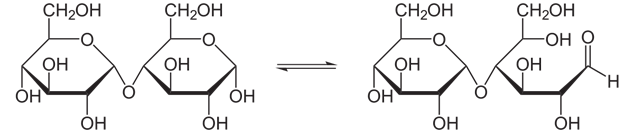
- Sugars able to act as a reducing agent due to a free aldehyde or free ketone group (all monosaccharides)
- Aldehydes are converted to carboxylic acids and ketones are tautomerized into aldehydes and then reduced to carboxylic acids
- Disaccharides are reducing sugars as long as one of the units have an open chain with an aldehyde
Maltose (reducing):
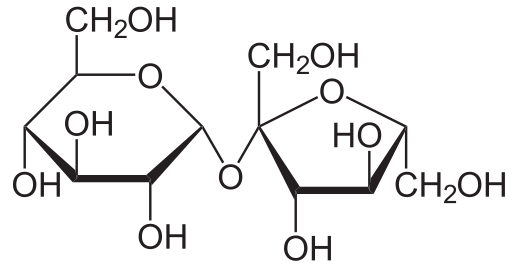
Sucrose (not reducing):
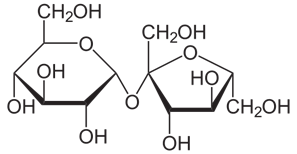
0:00 / 0:00
Complex Carbohydrates
- Modification:
- Phosphorylation
- Methylation
- Addition of N-containing groups
- Hydroxyl groups removed
- Naming sugar complexes:
- Monosaccharide = 1
- Disaccharide = 2
- Oligosaccharide = 3 - 20
- Polysaccharides = 1000s
Disaccaride formation:
- Condensation reaction forming a glycosidic bond (an O-glycosidic bond)
- There can be N-glycosidic bonds too
- O-linkages to proteins (Ser/Thr) or N-linkaged (Asn)
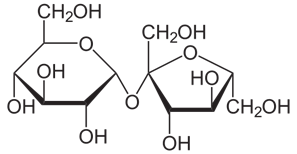
https://commons.wikimedia.org/wiki/File:Saccharose2.svg. NEUROtiker. Public Domain.
Glycosyltransferase
- The enzyme responsible for linking sugars via O-glycosidic bonds
- Uses UPD-glucose, a high energy sugar nucleotide to attache sugars onto other sugars or proteins
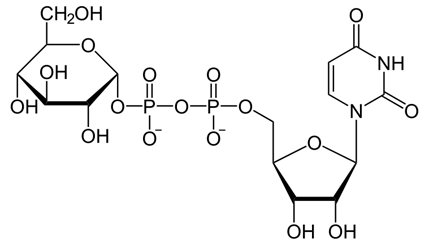
https://commons.wikimedia.org/wiki/File:UDP-alpha-D-Glucose.svg. NEUROtiker. Public Domain.
- Sugars are cleaved into monosaccharides via enzymes.
- Monosaccharides are a source of fuel
- Lactase, maltase, sucrase
Naming Disaccharides
- Identify N or O linkage
- Configuration of the first sugar pulse the name ending in -yl
- The number identifiers of the carbons linked together
- Configuration of the second sugar plus the name ending in -ose
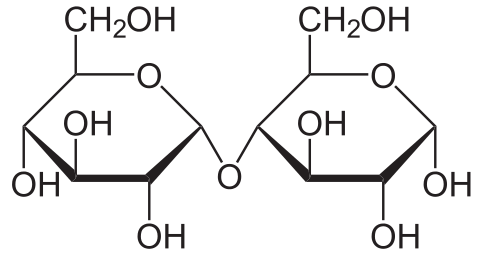
O--D-glucopyranosyl (1-4)--D-glucopyranose
Common name: maltose
Wize Tip
Know the names of common monosaccharides!
See Cheat Sheet at the end of Section
0:00 / 0:00
Polysaccharides
- Also referred to as glycans
- Consist of 1000s of monosaccharides (linked either linearly or branched)
- Play roles in energy storage, cell structure, and cell recognition
- Homopolymers: made up of the same repeating monosaccharide
- Heteropolymers: made up of different monosaccharide repeats
Glycogen:
- A energy storage homopolymer (glucose) with a multibranched structure
- Glycogen granules consists to branched glucose units surrounding a glycogenin protien at its core
- Structure: chain lengths of 8-12 of linearly linked glucose molecules ((1-4) glycosidic bonds) with branches forming (1-6) glycosidic bonds
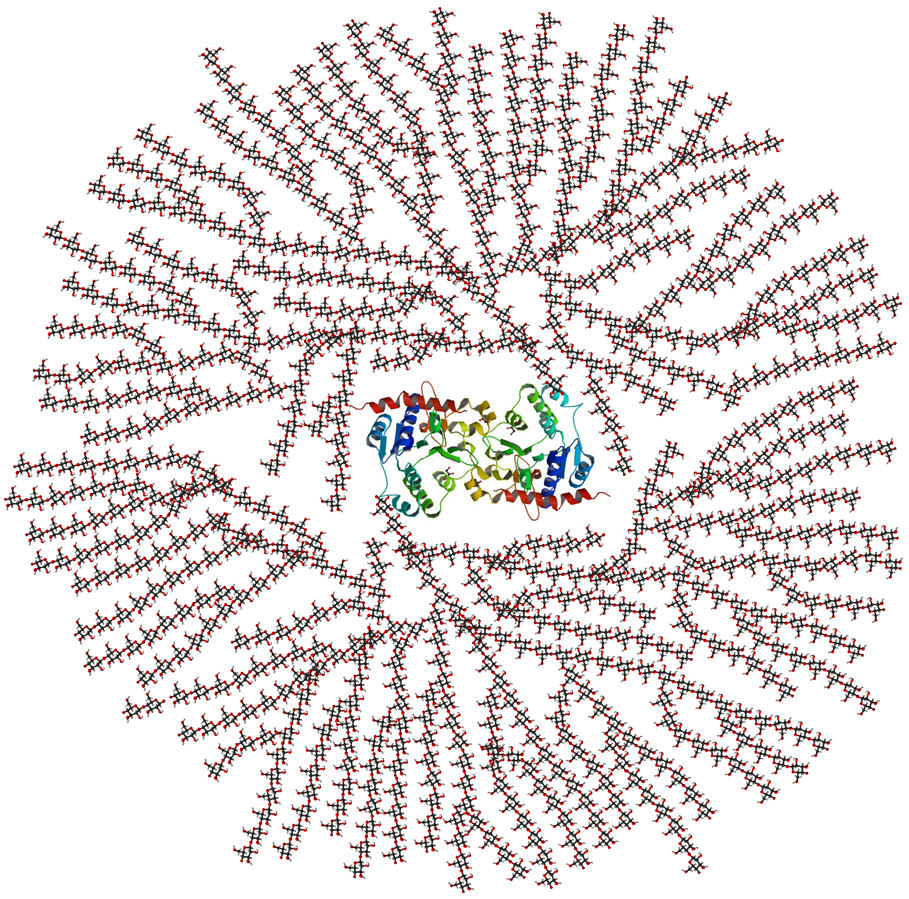
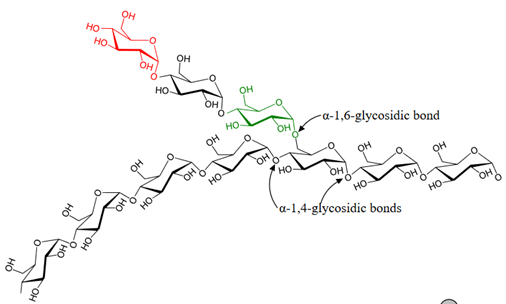
https://commons.wikimedia.org/wiki/File:Glycogen_structure.png. Mikael Häggström. Public Domain. https://commons.wikimedia.org/wiki/File:Glycogen.svg. GKFXtalk. Public Domain.
Starch:
- Amylose: Linear linkages of glucose ((1-4) glycosidic bonds)
- Amylopectin: Linear linkages of glucose ((1-4) glycosidic bonds) with (1-6) glycosidic linkages occurring every 30 glucose units
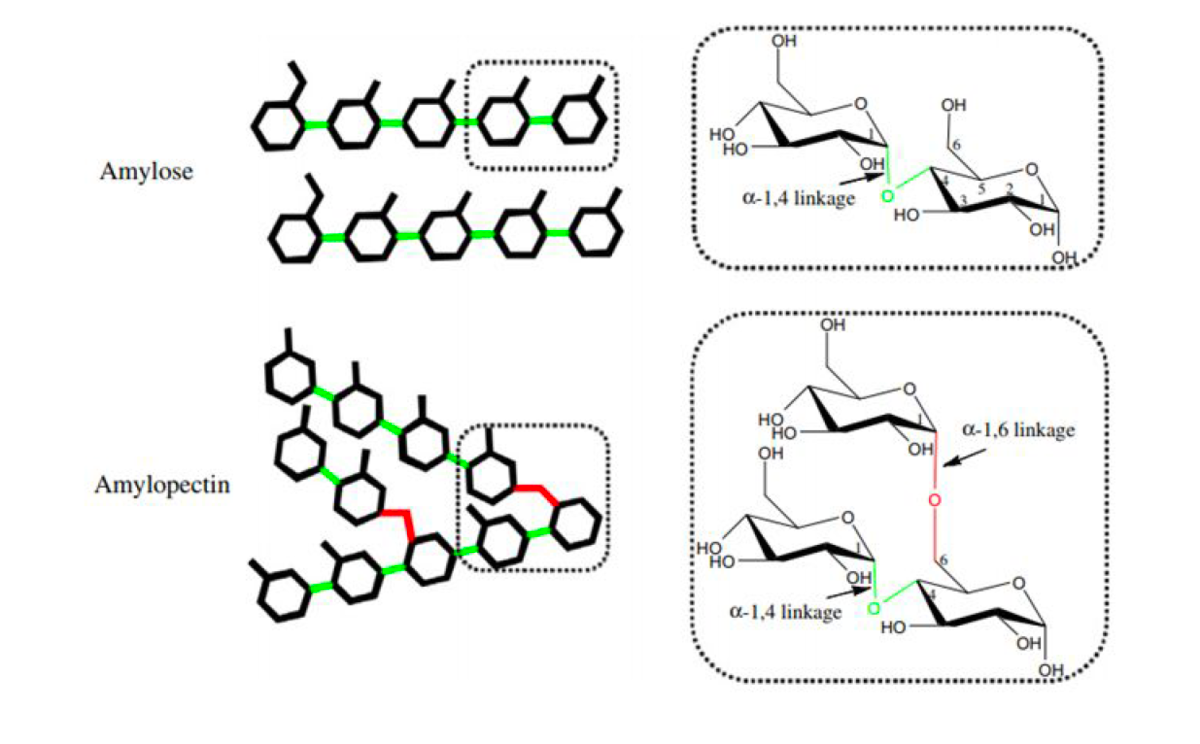
https://en.wikipedia.org/wiki/File:Starch_Components.png. Luis5328. This file is licensed under the Creative Commons Attribution-Share Alike 4.0 International license.
- amylase: cleaves glycogen and starch at random locations yielding maltose and maltotriose
- It is secreted by the pancreas
- amylase: hydrolyzes glucose units in glycogen and starch systematically at non-reducing ends, producing maltose
- Not produced by mammals
Cellulose:
- Structural components in plants
- Formed by (1-4) glycosidic linkages
- Linear chains
- More crystalline than starch
- Can not be digested by humans
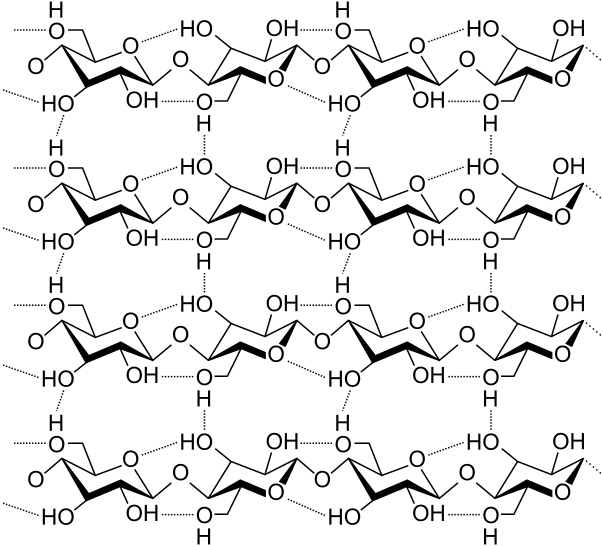
https://commons.wikimedia.org/wiki/File:Cellulose_strand.svg. Laghi.l. This file is licensed under the Creative Commons Attribution-Share Alike 3.0 Unported license.
0:00 / 0:00
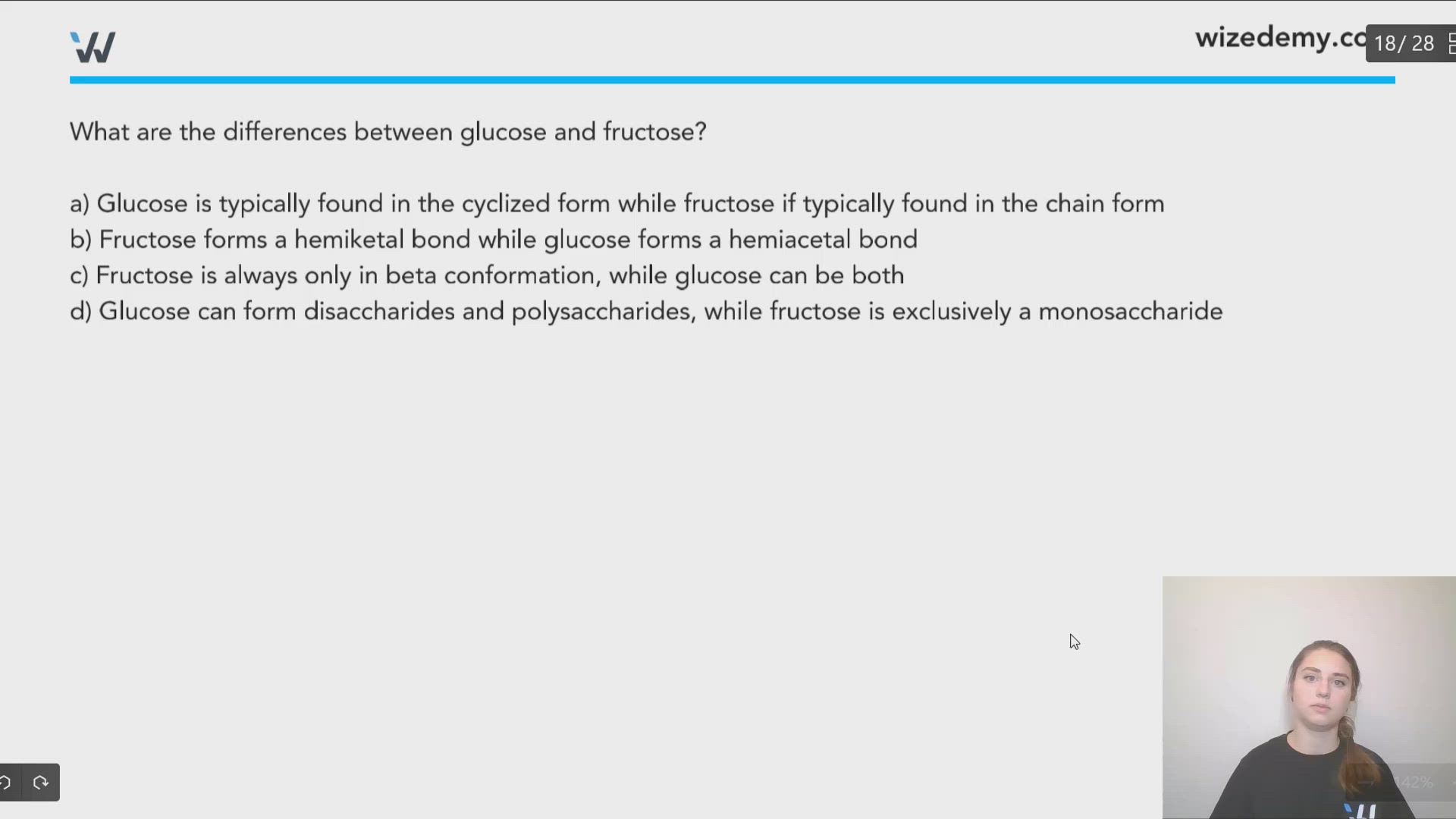
What are the differences between glucose and fructose?
a) Glucose is typically found in the cyclized form while fructose if typically found in the chain form
b) Fructose forms a hemiketal bond while glucose forms a hemiacetal bond
c) Fructose is always only in beta conformation, while glucose can be both
d) Glucose can form disaccharides and polysaccharides, while fructose is exclusively a monosaccharide
b) fructose contains a ketone (which takes part in cyclization) making the new ring bond a hemiketal while glucose has an aldehyde and forms a hemiacetal.
0:00 / 0:00
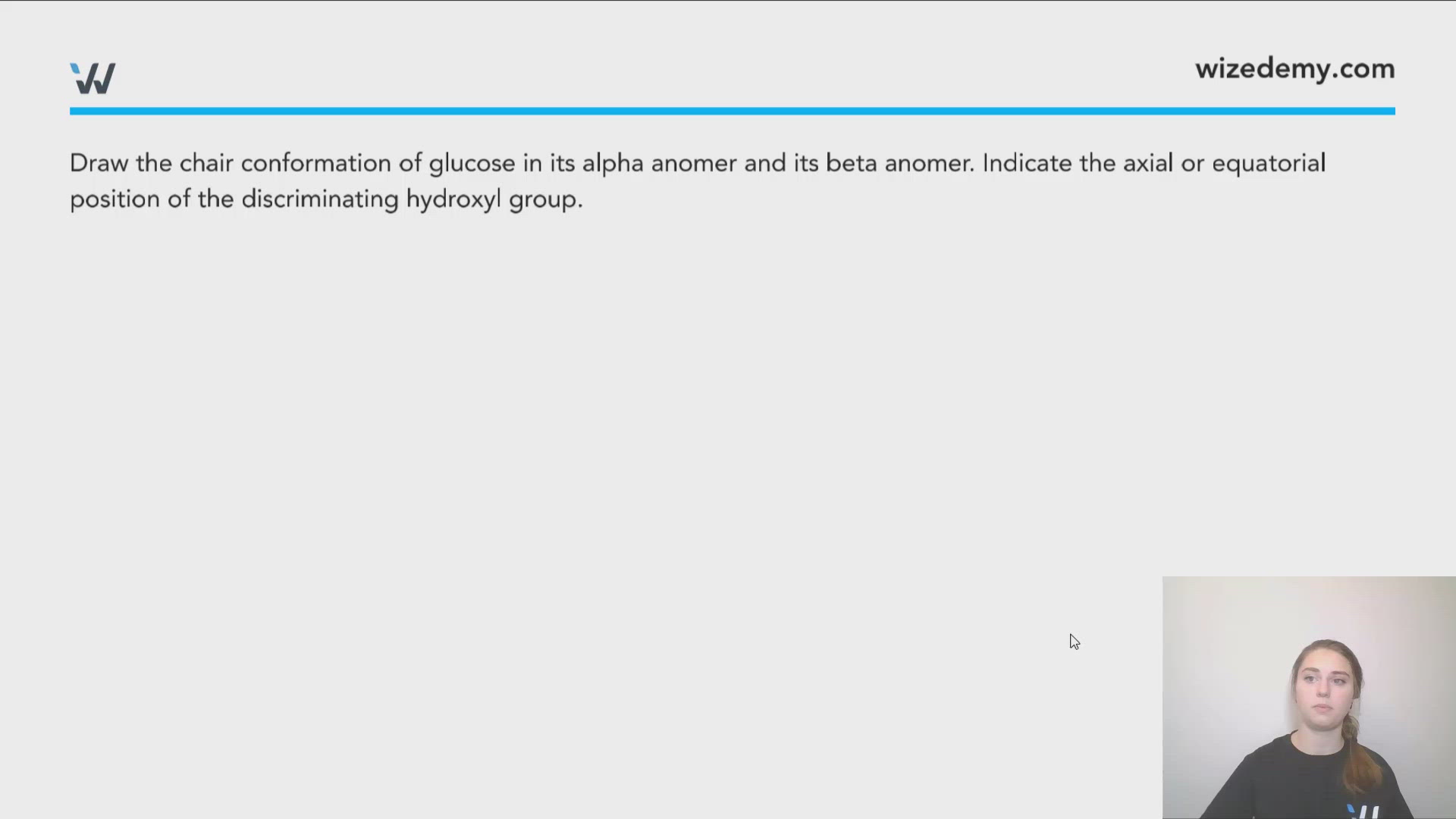
Draw the chair conformation of glucose in its alpha anomer and its beta anomer. Indicate the axial or equatorial position of the discriminating hydroxyl group.
Refer to lesson 4.1.2 for structures. The alpha anomer contains the hydroxyl group in the axial position while the beta anomer contains the hydroxyl group in the equatorial position.
0:00 / 0:00
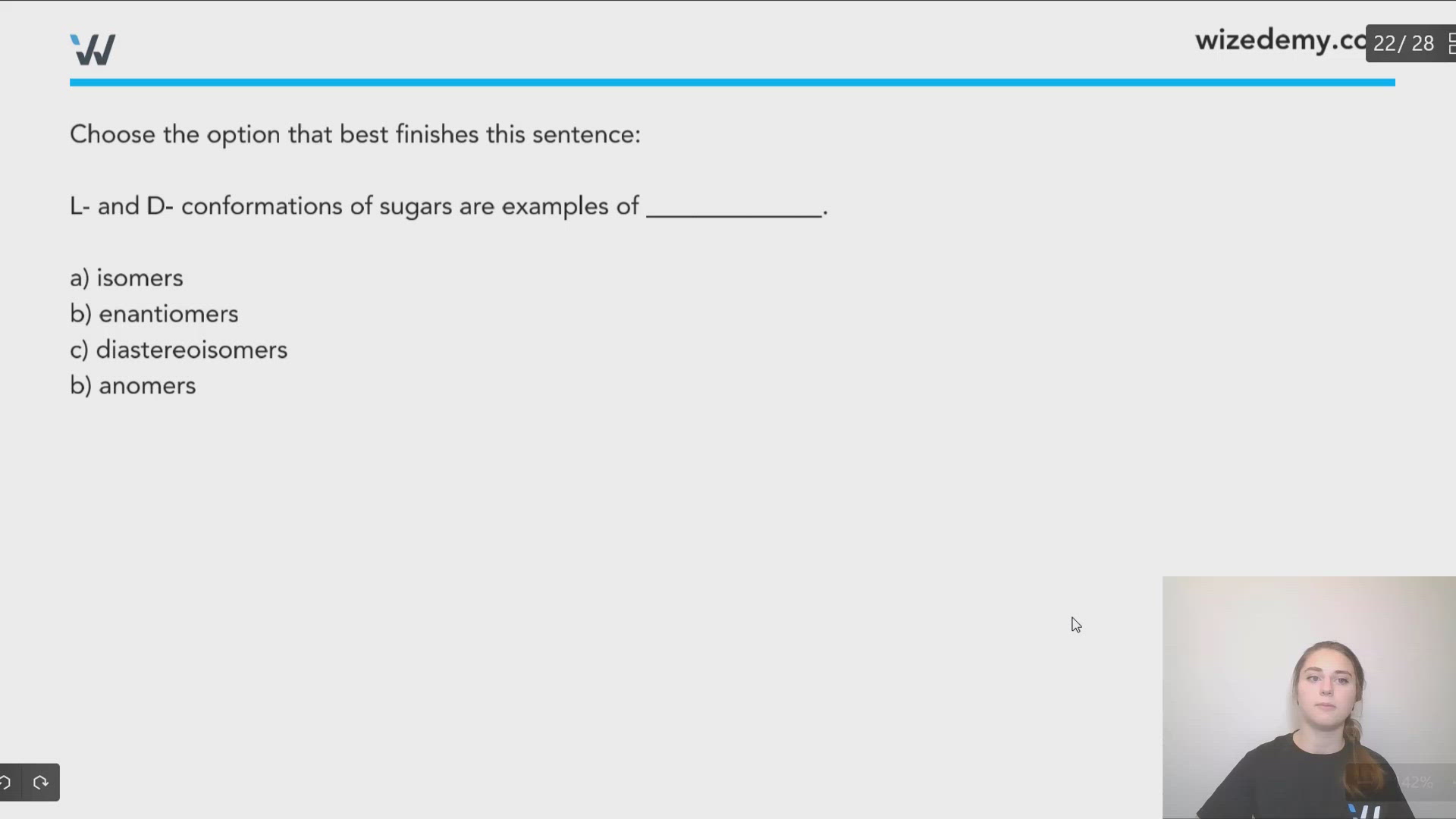
Choose the option that best finishes this sentence:
L- and D- conformations of sugars are examples of ______________.
a) isomers
b) enantiomers
c) diastereoisomers
b) anomers
b) They are mirror images of each other, making them enantiomers.
How many chiral carbons are in an aldopentose?
Common monosaccharides to know:

https://commons.wikimedia.org/wiki/File:Alpha-d-fructose.svg. Rob Hooft. This file is licensed under the Creative Commons Attribution-Share Alike 3.0 Unported license.