Wize University Biochemistry Textbook > Carbohydrate Metabolism
Citric Acid Cycle
0:00 / 0:00
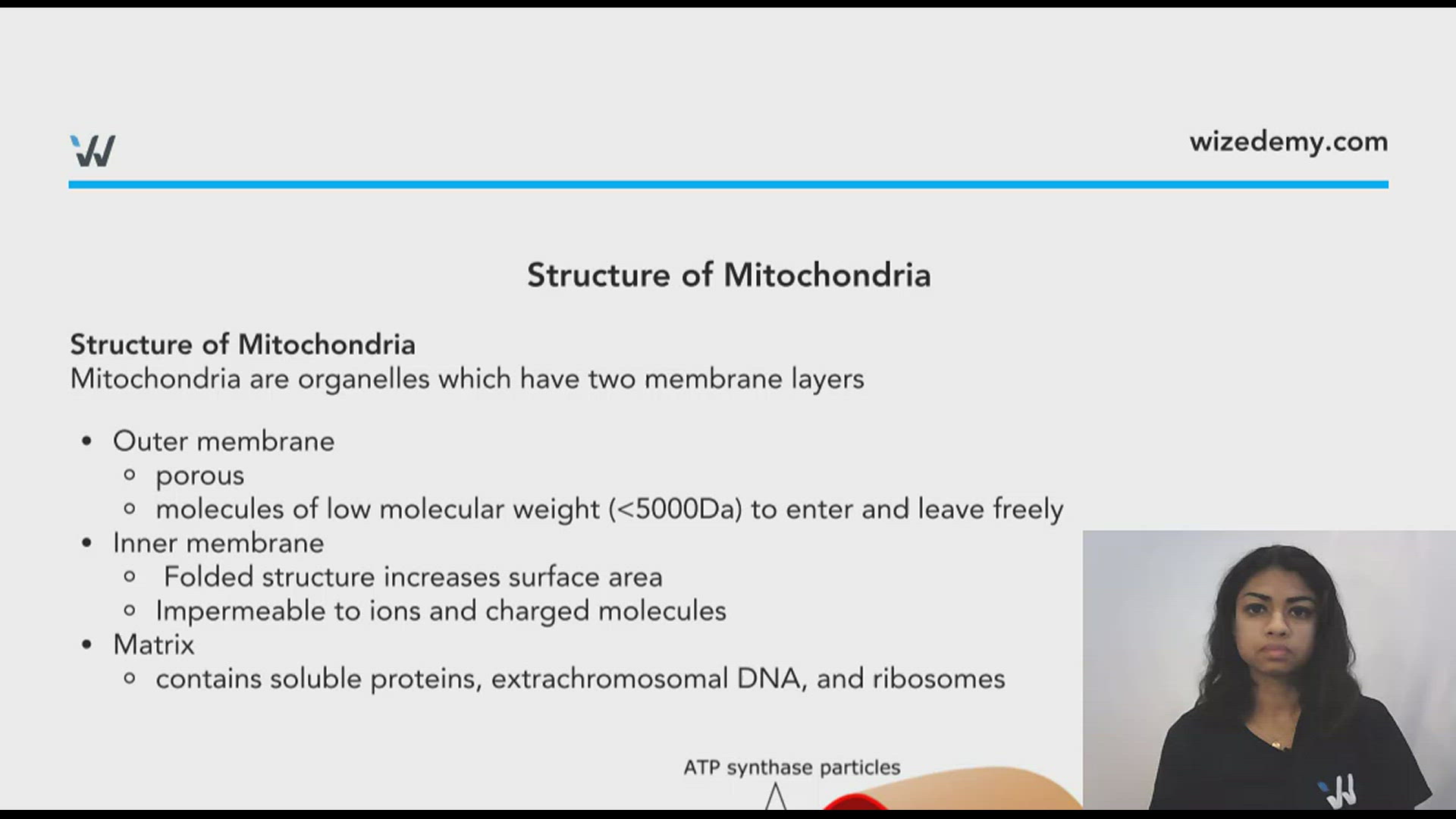
Structure of Mitochondria
Structure of Mitochondria
Mitochondria are organelles which have two membrane layers
- Outer membrane
- porous
- molecules of low molecular weight (<5000Da) to enter and leave freely
- Inner membrane
- Folded structure increases surface area
- Impermeable to ions and charged molecules
- Matrix
- contains soluble proteins, extrachromosomal DNA, and ribosomes
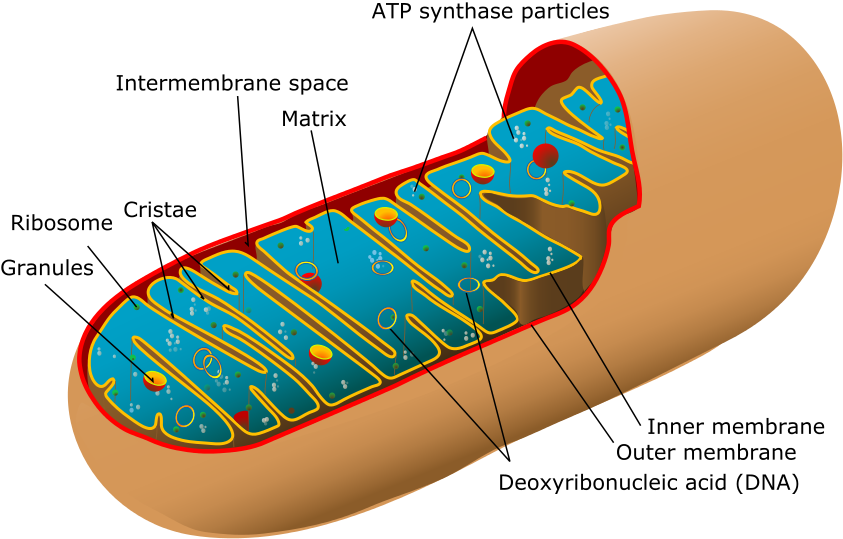
Mitochondria have their own genome consisting of 37 genes.
- Genes encode proteins involved in oxidative phosphorylation
- RNA required to translate these proteins
Scientists belive mitochondira evolved from symbiotic bacteria living in eukaryotic cells.
- They have their own DNA, two membranes, and reproduce by dividing
0:00 / 0:00
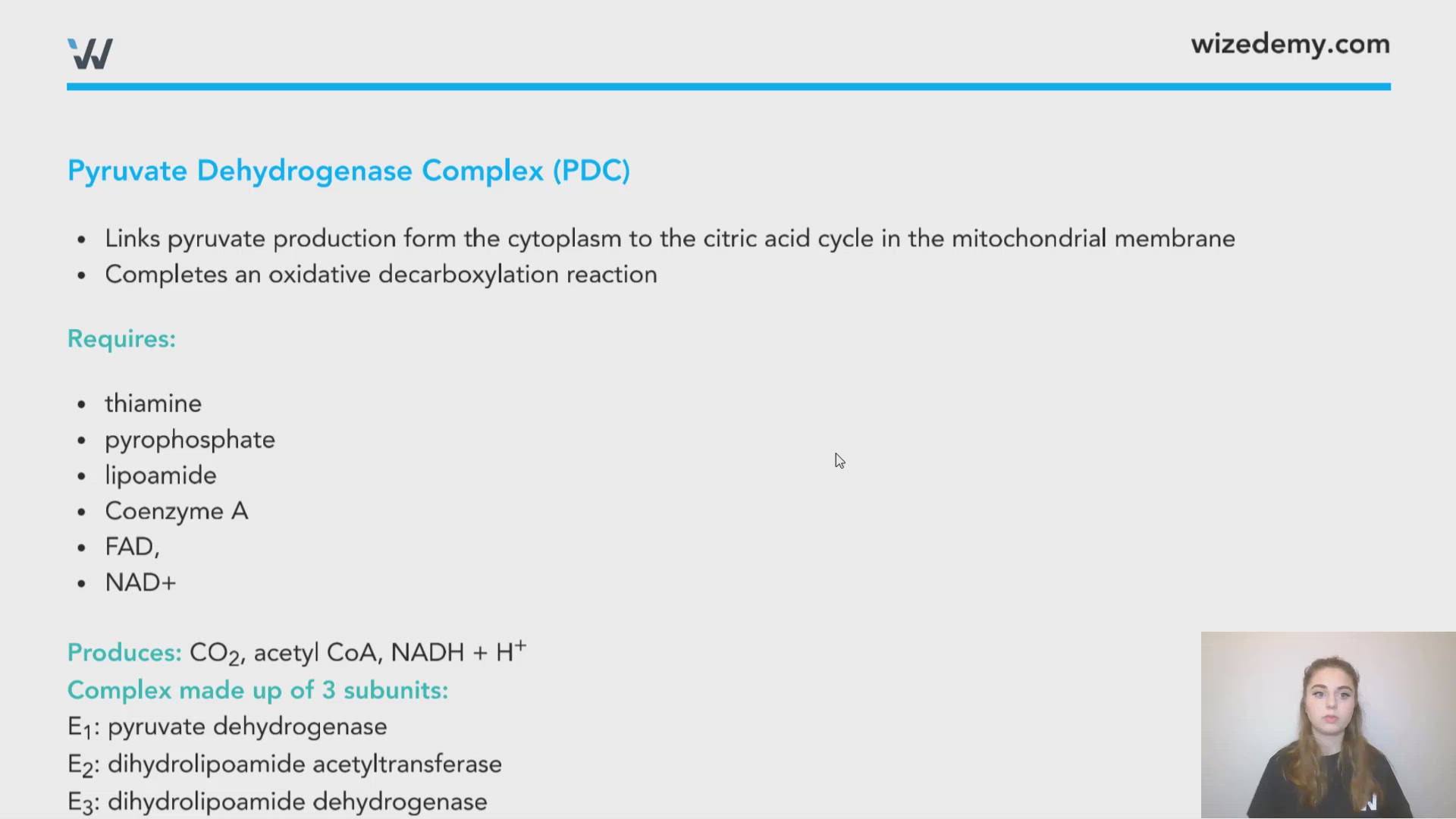
Pyruvate Dehydrogenase Complex (PDC)
- Links pyruvate production form the cytoplasm to the citric acid cycle in the mitochondrial matrix
- Completes an oxidative decarboxylation reaction
Requires:
- thiamine
- pyrophosphate
- lipoamide
- Coenzyme A
- FAD,
- NAD+
Produces: CO2, acetyl CoA, NADH + H+
Complex made up of 3 subunits:
E1: pyruvate dehydrogenase
E2: dihydrolipoamide acetyltransferase
E3: dihydrolipoamide dehydrogenase

https://fr.wikipedia.org/wiki/Fichier:Pyruvate_decarboxylation_steps.png. LHcheM. Creative Commons Attribution – Partage dans les Mêmes Conditions 3.0 (non transposée).
Regulation of Pyruvate Dehydrogenase
- Feedback Inhibition
- Inhibited by products Acetyl-CoA and NADH
- Covalent Modification
- PD kinase phosphorylates E1, inactivating it
- PD phosphatase dephosphorylates E1, reactivating it
- Allosteric Control
- PD kinase:
- Inhibited by pyruvate and ADP
- Activated by Acetyl-CoA and NADH
- PD phosphatase
- Activated by Ca2+
Wize Tip
Compounds that inhibit PD kinase, activate PDC
Compounds that activate PD kinase, inactivate PDC
Compounds that activate PD phosphatase, activate PDC
0:00 / 0:00
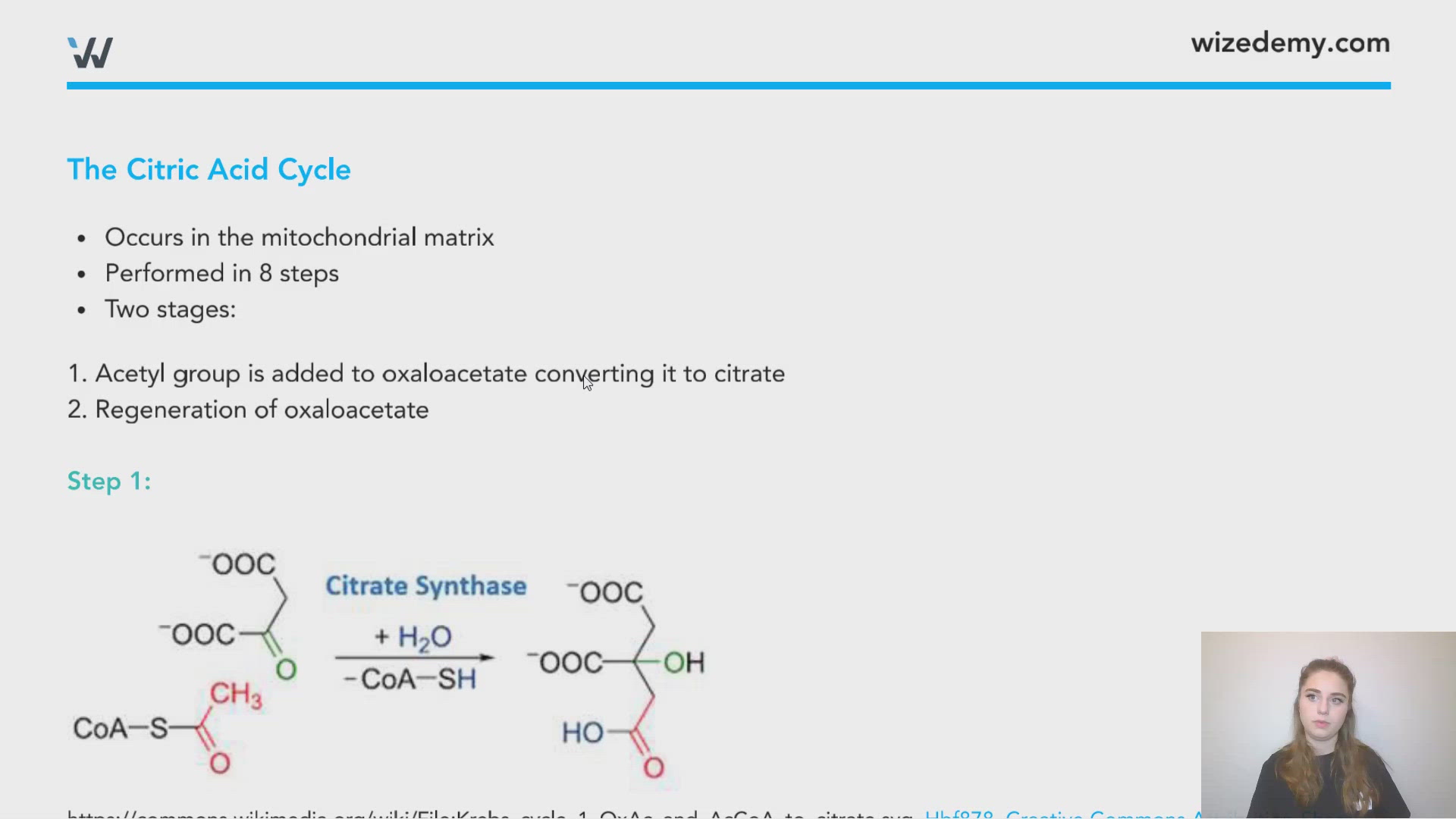
The Citric Acid Cycle
- Occurs in the mitochondrial matrix
- Performed in 8 steps
- Two stages:
1. Acetyl group is added to oxaloacetate converting it to citrate
2. Regeneration of oxaloacetate
Step 1:
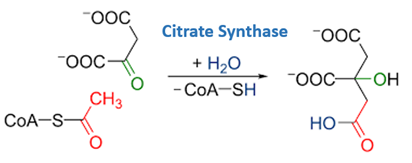
https://commons.wikimedia.org/wiki/File:Krebs_cycle_1_OxAc_and_AcCoA_to_citrate.svg. Hbf878. Creative Commons Attribution-Share Alike 4.0 International license.
Step 2:
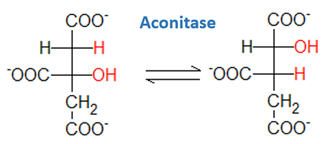
https://commons.wikimedia.org/wiki/File:Citrate-isocitrate_(reaction).png. User:Gia.cossa. Creative Commons Attribution-Share Alike 3.0 Unported license.
Step 3:
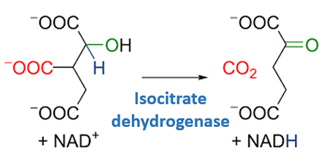
https://commons.wikimedia.org/wiki/File:Krebs_cycle_3_isocitrate_to_ketoglutarate.svg. Hbf878. Creative Commons Attribution-Share Alike 4.0 International license.
Step 4:
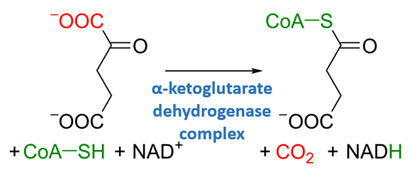
https://commons.wikimedia.org/wiki/File:Krebs_cycle_4_ketoglutarate_to_succinyl-CoA.svg. Hbf878. Creative Commons Attribution-Share Alike 4.0 International license.
Step 5:
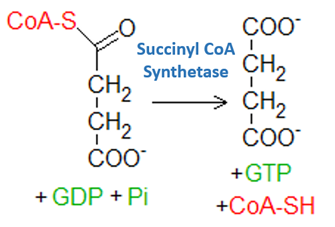
https://commons.wikimedia.org/wiki/File:Succinyl-coa-succinate_(reaction).png. User:Gia.cossa. Creative Commons Attribution-Share Alike 3.0 Unported license.
Step 6:
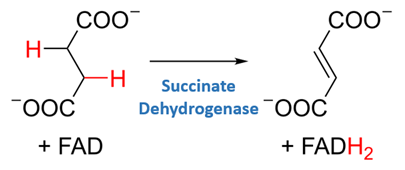
https://commons.wikimedia.org/wiki/File:Krebs_cycle_6_succinate_to_fumarate.svg. Hbf878. Creative Commons Attribution-Share Alike 4.0 International license.
Step 7:
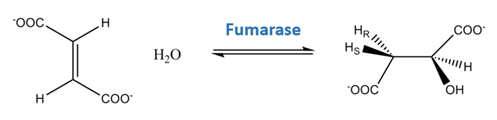
Step 8:
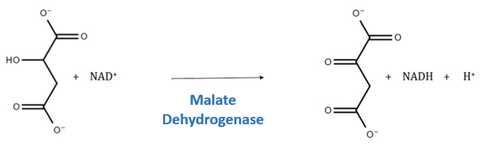
https://commons.wikimedia.org/wiki/File:Malate_Dehydrogenase_Catalyzed_Reaction.jpg. KevinHuai. Creative Commons Attribution-Share Alike 4.0 International license.
Wize Tip
One Pyruvate molecule produces:
3 CO2 (one from PDC)
1 GTP
4 NADH (one from PDC)
1 FADH2
0:00 / 0:00
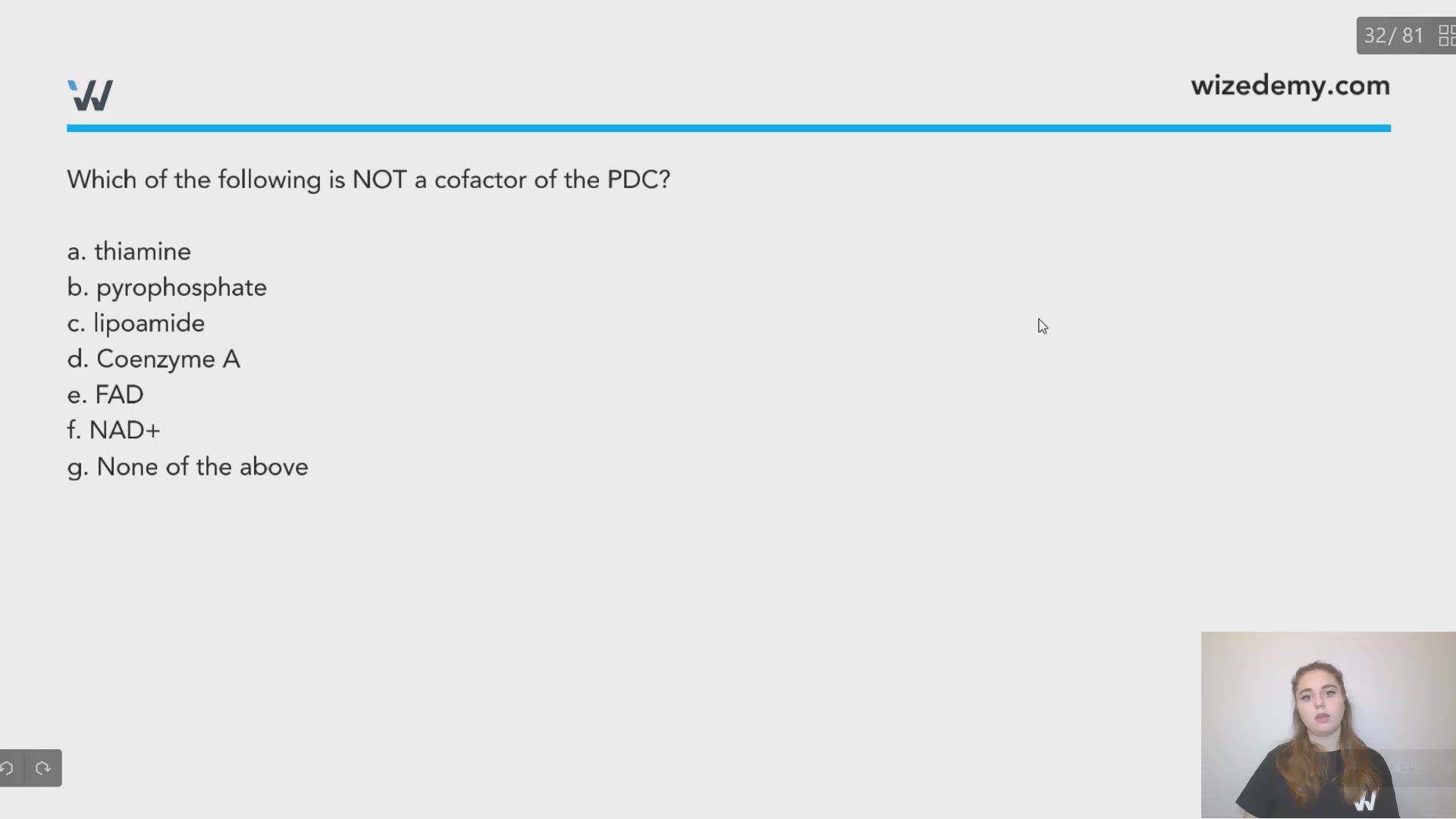
Which of the following is NOT a cofactor of the PDC?
a. thiamine
b. pyrophosphate
c. lipoamide
d. Coenzyme A
e. FAD
f. NAD+
g. None of the above
g. None of the above. There are 5 cofactors involved in the PDC.
0:00 / 0:00
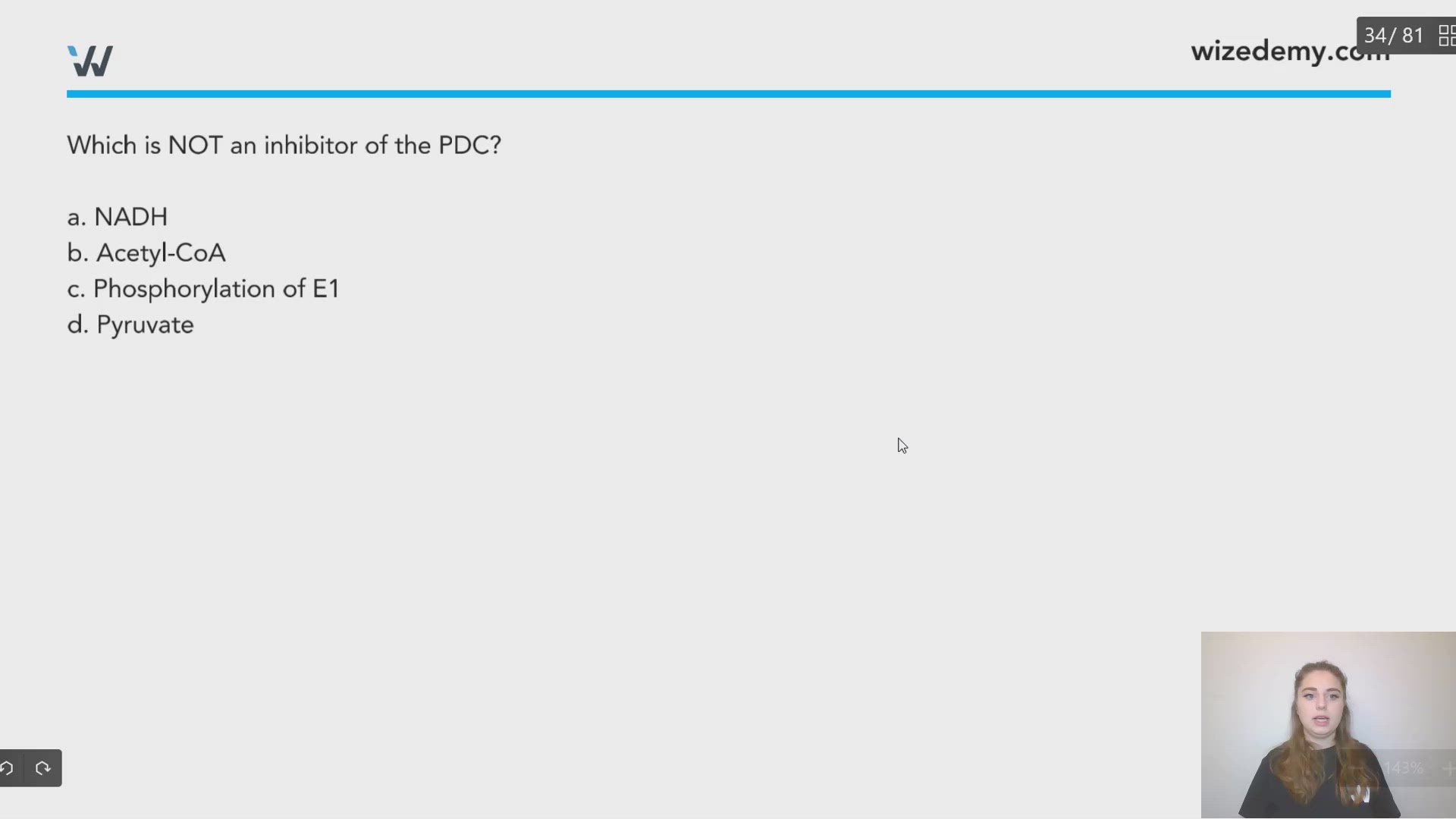
Which is NOT an inhibitor of the PDC?
a. NADH
b. Acetyl-CoA
c. Phosphorylation of E1
d. Pyruvate
d. Pyruvate activates PDC
0:00 / 0:00
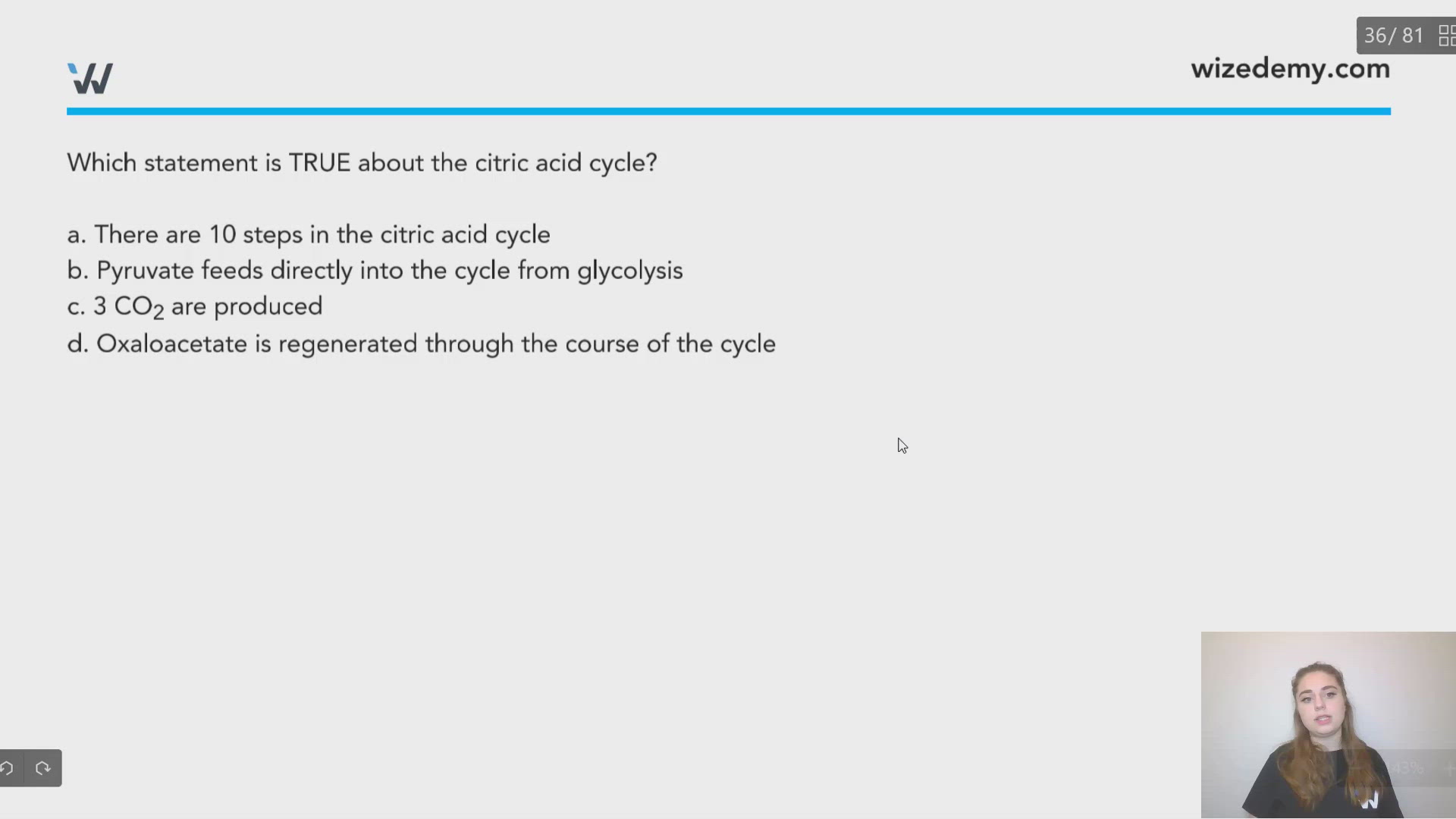
Which statement is TRUE about the citric acid cycle?
a. There are 10 steps in the citric acid cycle
b. Pyruvate feeds directly into the cycle from glycolysis
c. 3 CO2 are produced
d. Oxaloacetate is regenerated through the course of the cycle
d. oxaloacetate is regenerated over the course of the cycle making it available to bind another acetyl-CoA.
The Citric Acid Cycle Summary

https://commons.wikimedia.org/wiki/File:TCA_cycle.svg. Yikrazuul. Creative Commons Attribution 3.0 Unported license.