Wize University Biology Textbook > Cell Structure
Eukaryotic Cells [detailed]
Popular Courses
MCAT
General Course
AP Biology Exam Prep Course
AP Exam Prep
Biology
General Course
General Biology
University Study Guides
BIOLOGY 1002B
Western University
BIOL 107
University of Alberta
BIOL 112
University of British Columbia
Grade 12 Biology
Canada High School
DAT
General Course
High School Biology
US High School
BIOL*1090
University of Guelph
General Biology
University Study Guides
SC/BIOL 1000 3.00
York University
BIOL 200
University of British Columbia
BIO 1141
University of Ottawa
BLG 143
Toronto Metropolitan University
BIOL 112
McGill University
BIOL 186
University of Victoria
BIOL 1010
Dalhousie University
BIO230H1
University of Toronto
0:00 / 0:00
Eukaryotic Cells
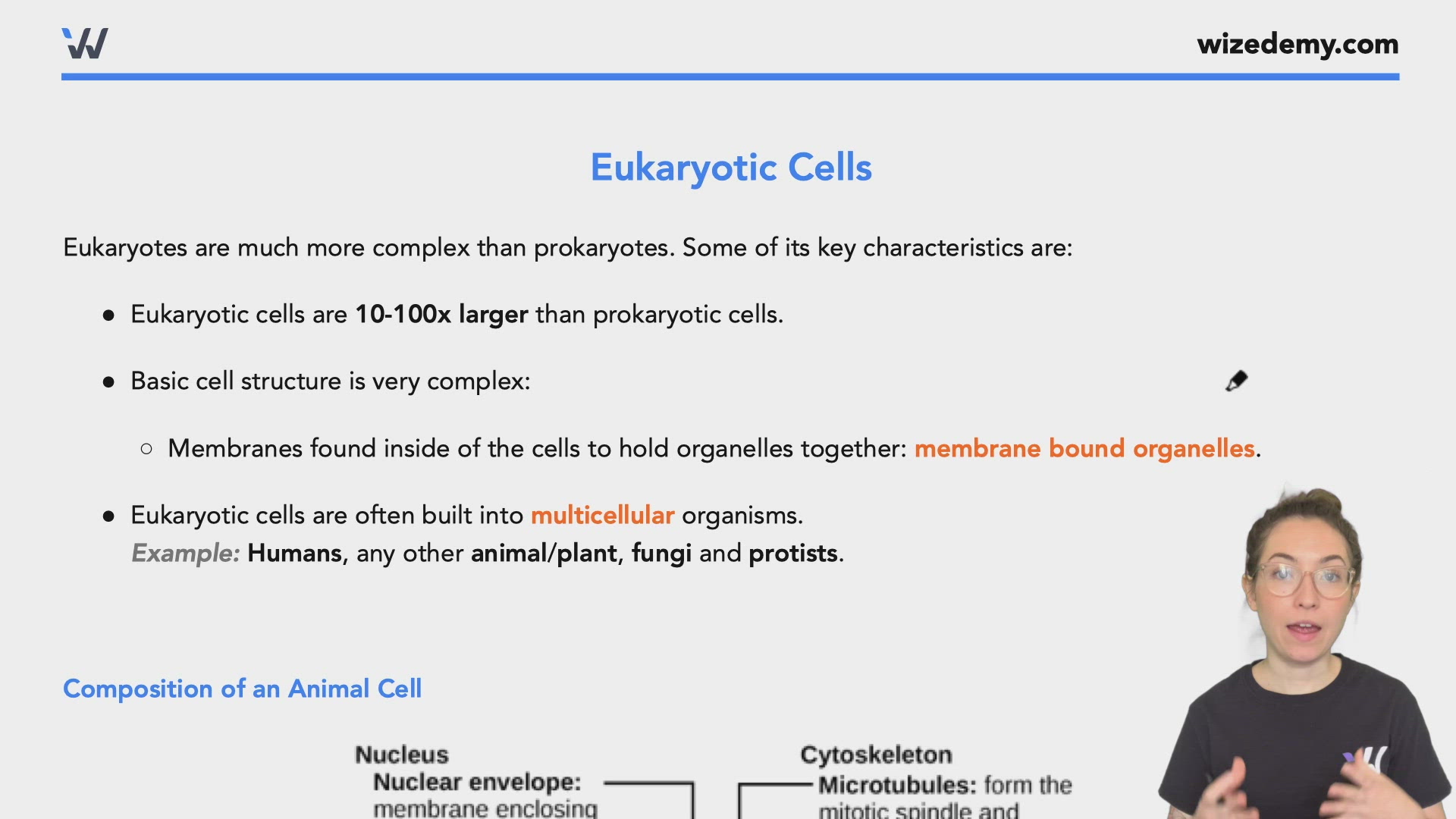
Eukaryotes are much more complex than prokaryotes. Some of their key characteristics are:
- Eukaryotic cells are 10-100x larger than prokaryotic cells.
- Basic cell structure is very complex:
- Membranes found inside of the cells to hold organelles together: membrane bound organelles.
- Eukaryotic cells are often built into multicellular organisms. Example: Humans, any other animal/plant, fungi and protists.
Composition of an Animal Cell

Components of a Plant Cell

0:00 / 0:00
Ribosomes
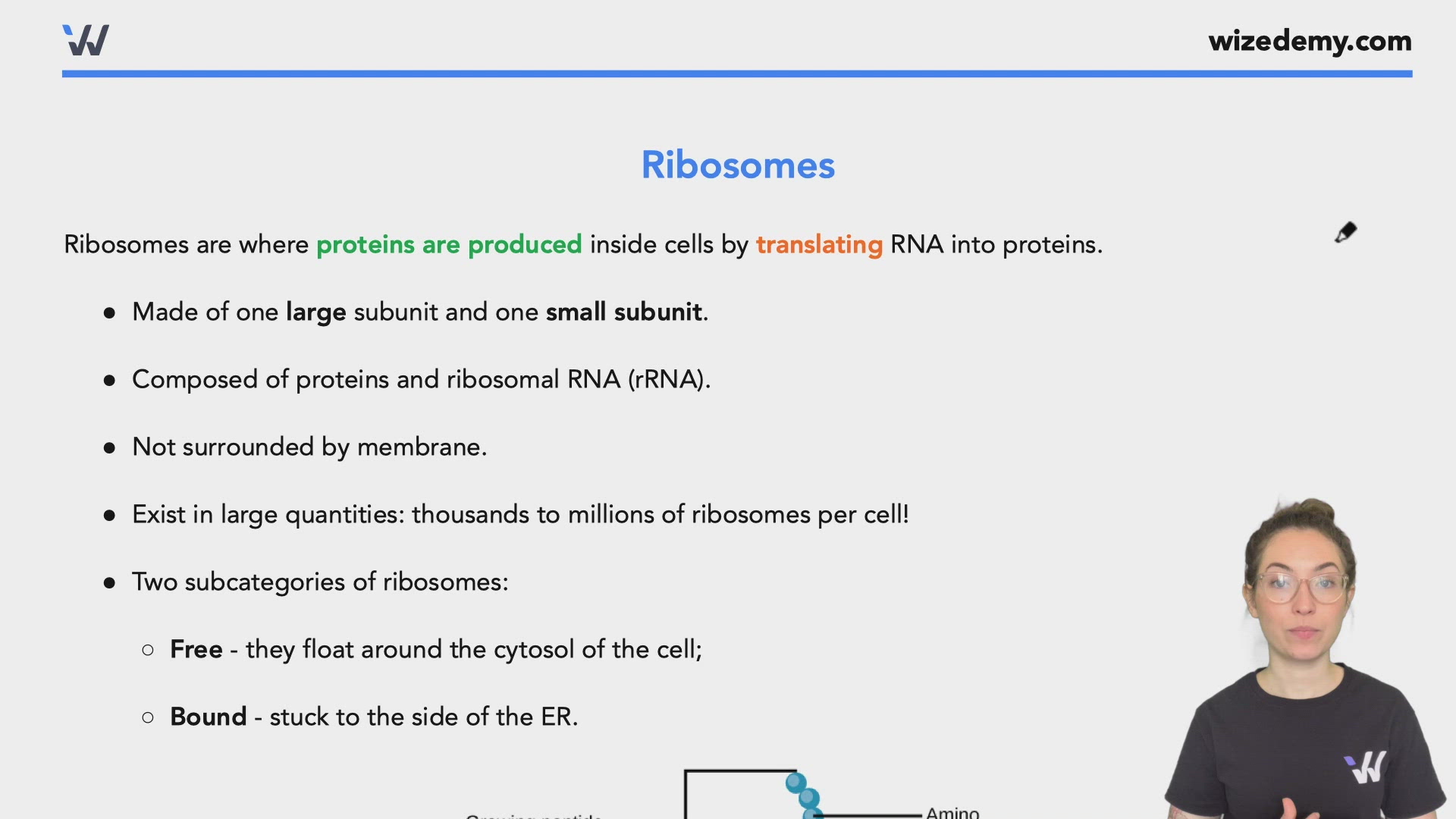
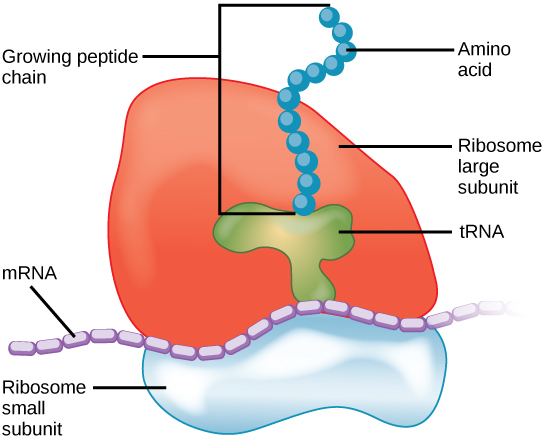
Ribosomes are where proteins are produced inside cells by translating RNA into proteins.
- Made of one large subunit and one small subunit.
- Composed of proteins and ribosomal RNA (rRNA).
- Not surrounded by membrane.
- Exist in large quantities: thousands to millions of ribosomes per cell!
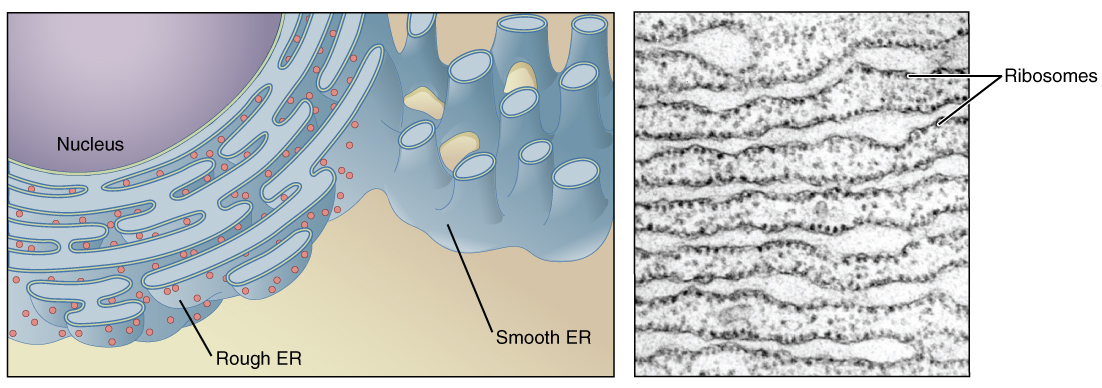
- Two subcategories of ribosomes:
- Free - they float around the cytosol of the cell;
- Bound - stuck to the side of the ER.
Wize Tip
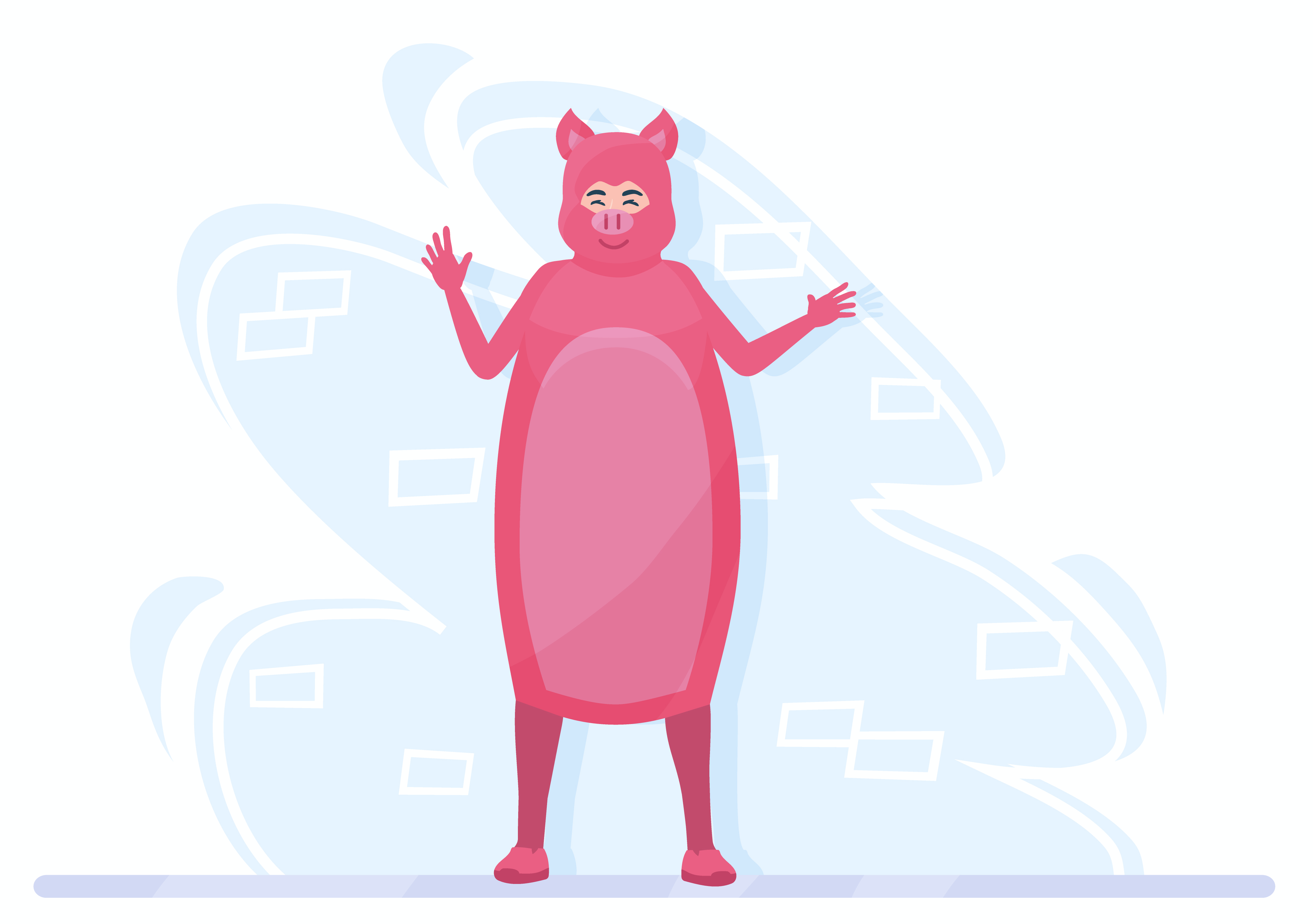
Remember the ribosome as Ribs-osome! (Ribs = pork = protein!)

0:00 / 0:00
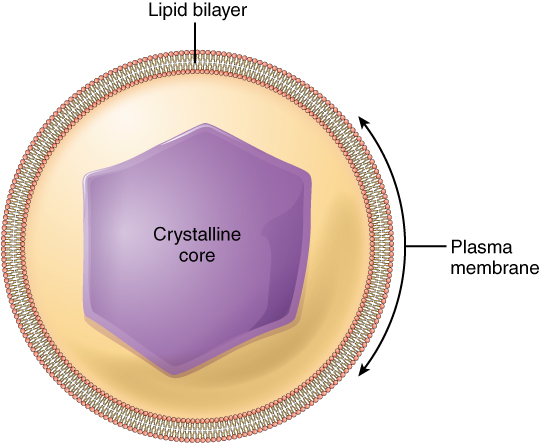
Peroxisomes
- Present in plants and animals;
- Enclosed by a single membrane;
- Function is breakdown of fatty acids and amino acids, as well as detoxification.
- Takes electrons from molecules and produces H2O2 (hydrogen peroxide);
- H2O2 very toxic to cells, but destroyed by enzyme catalase.
Wize Tip
Remember the peroxisome as Super-oxisome!
- Loves to clean (with H2O2).
- His product also fights grease (lipids).
- Sipping on his detox juice.


0:00 / 0:00
Mitochondria and Chloroplasts
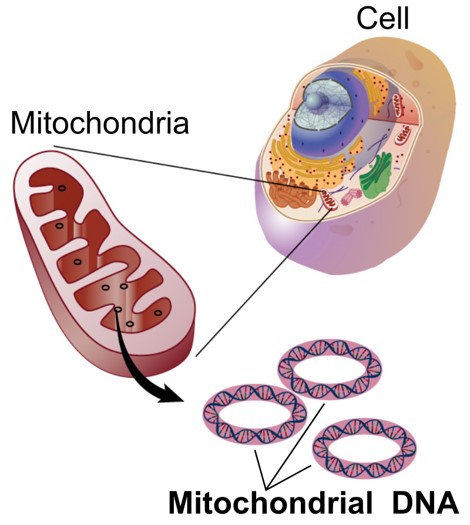
Organelles which are capable of growing and dividing (independent of the host cell) and contain their own DNA. These are called semi-autonomous organelles; there are two types:
- The mitochondria
- The chloroplast
Mitochondria
- Found in all eukaryotic cells.
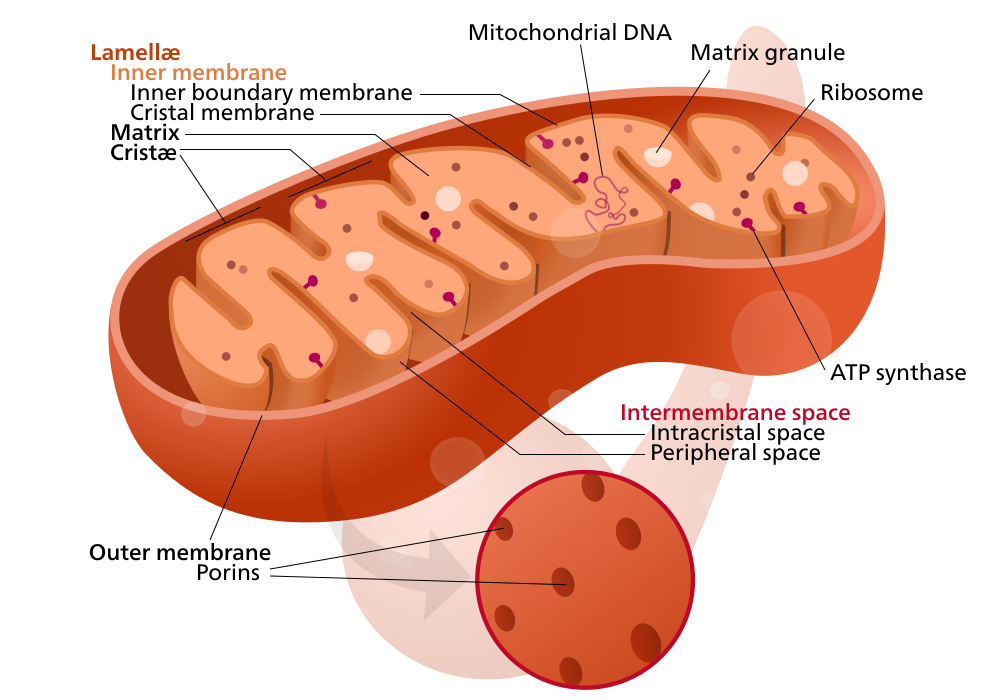
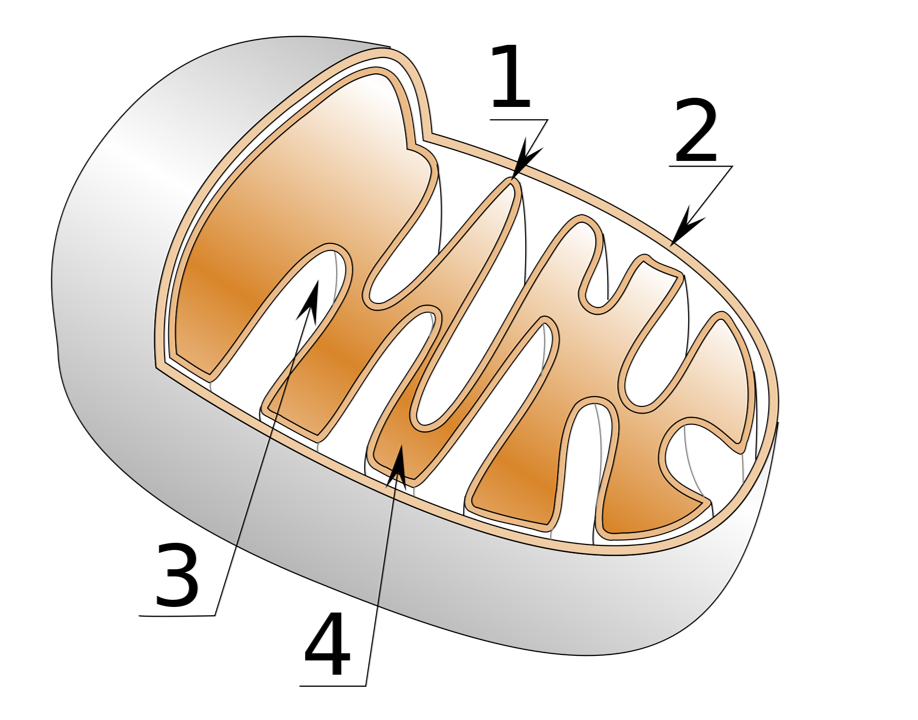
- Surrounded by a double membrane with the intermembrane space between them.
- The inner membrane has a large surface area due to the presence of membrane folds called cristae.
- The inner membrane is the location of the electron transport chain which synthesizes ATP for the cell.
- The inner compartment is called the matrix.
Wize Tip
Remember the mitochondria as Mighty-ochondria!
- Has its own circular DNA.
- Produces energy for the cells.
- Has two layers of membranes, one of them with many folds.
Chloroplast
- Found in photosynthetic eukaryotic cells (e.g. plants).
- Surrounded by a double membrane.
- The inner compartment is called the stroma.
- In the stroma, there are stacks of membrane-bound disks called thylakoids;
- A stack of thylakoids is called a granum (grana is plural);
- Inside the thylakoid is the thylakoid lumen;
- The thylakoid membrane contains the photosynthetic machinery required for harvesting energy from the sun.
- CO2 fixation and sugar production occurs in the stroma.

0:00 / 0:00
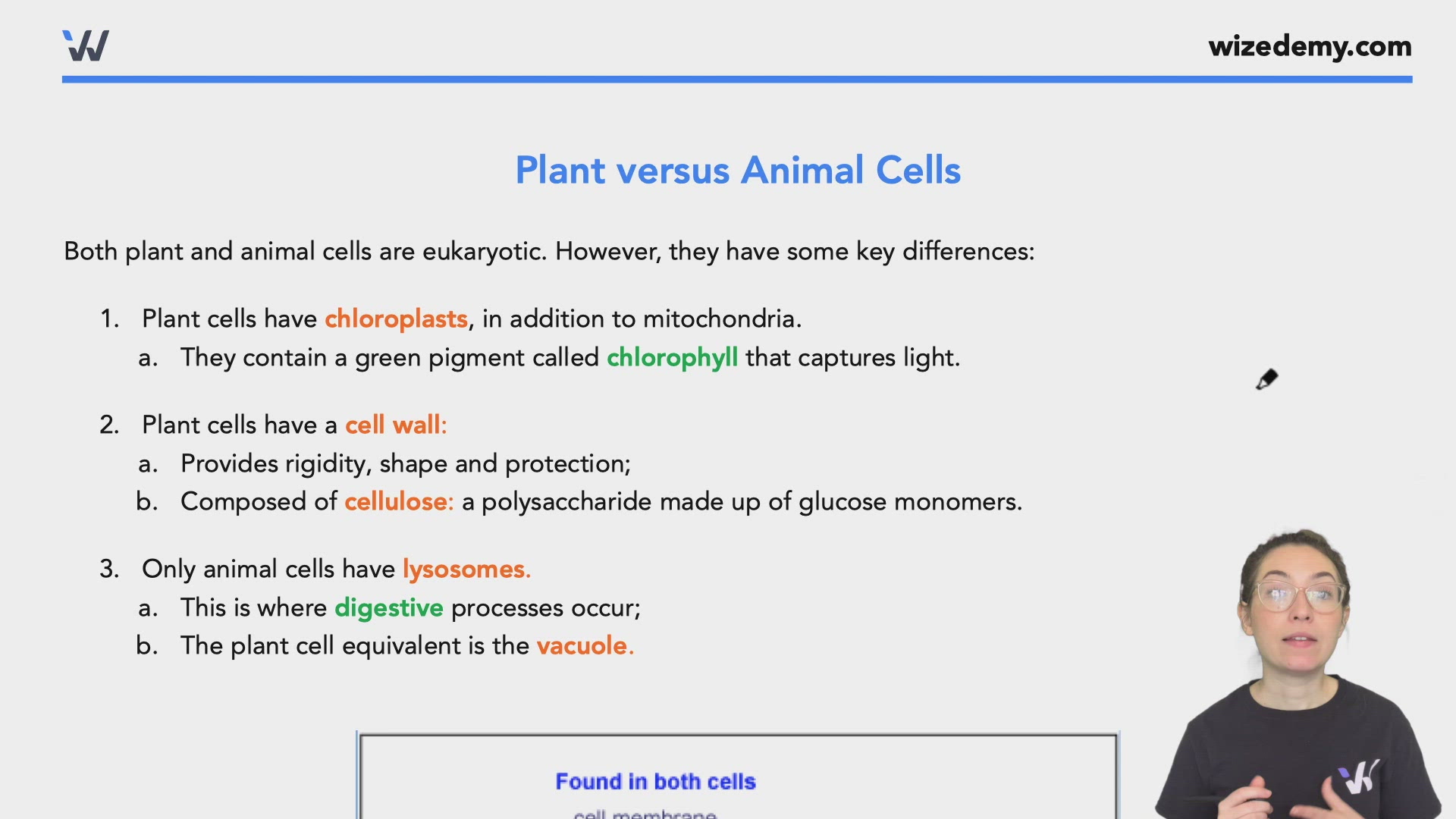
Plant versus Animal Cells
Both plant and animal cells are eukaryotic. However, they have some key differences:
- Plant cells have chloroplasts, in addition to mitochondria.
- They contain a green pigment called chlorophyll that captures light.
- Plant cells have a cell wall:
- Provides rigidity, shape and protection;
- Composed of cellulose: a polysaccharide made up of glucose monomers.
- Only animal cells have lysosomes.
- This is where digestive processes occur;
- The plant cell equivalent is the vacuole.

Vacuoles
We have three main types of vacuoles:
- Central vacuole
- Food vacuole
- Contractile vacuole
Their different roles are:
- Central vacuole: large, occupies most of the volume of mature plant and many fungal cells.
- Maintains proper pressure to support growing plants;
- Performs hydrolytic functions, stores wastes, toxins etc.
- Food vacuoles: contain phagocytosed food.
- Contractile vacuoles: present only in protists/algae, expels water out of cell.

Practice: Chloroplast
What is the arrow labelled "A" pointing to?

Practice: Mitochondria
What is arrow #4 pointing to?
Practice: Organelles with Membranes
Which of the following organelles have more than one membrane?
Practice: Plant Cells Only
Check all that are most commonly found in plant cells: