Wize University Biology Textbook > Cell Communication
Response to Signaling
Popular Courses
MCAT
General Course
Biology
General Course
General Biology
University Study Guides
BIOL 102
Queen's University
Grade 12 Biology
Canada High School
DAT
General Course
General Biology
University Study Guides
BIOL 130
University of Waterloo
SC/BIOL 1000 3.00
York University
BIO 1141
University of Ottawa
BLG 143
Toronto Metropolitan University
BIOL 1010
Dalhousie University
BIO230H1
University of Toronto
BIOL 1201
Western University
BIOL 1P91
Brock University
BS 161
Michigan State University
BIOL 331
University of Calgary
BIOL 1020
University of Manitoba
BIOA01H3
University of Toronto
MCB*2050
University of Guelph
0:00 / 0:00
Response to Signaling
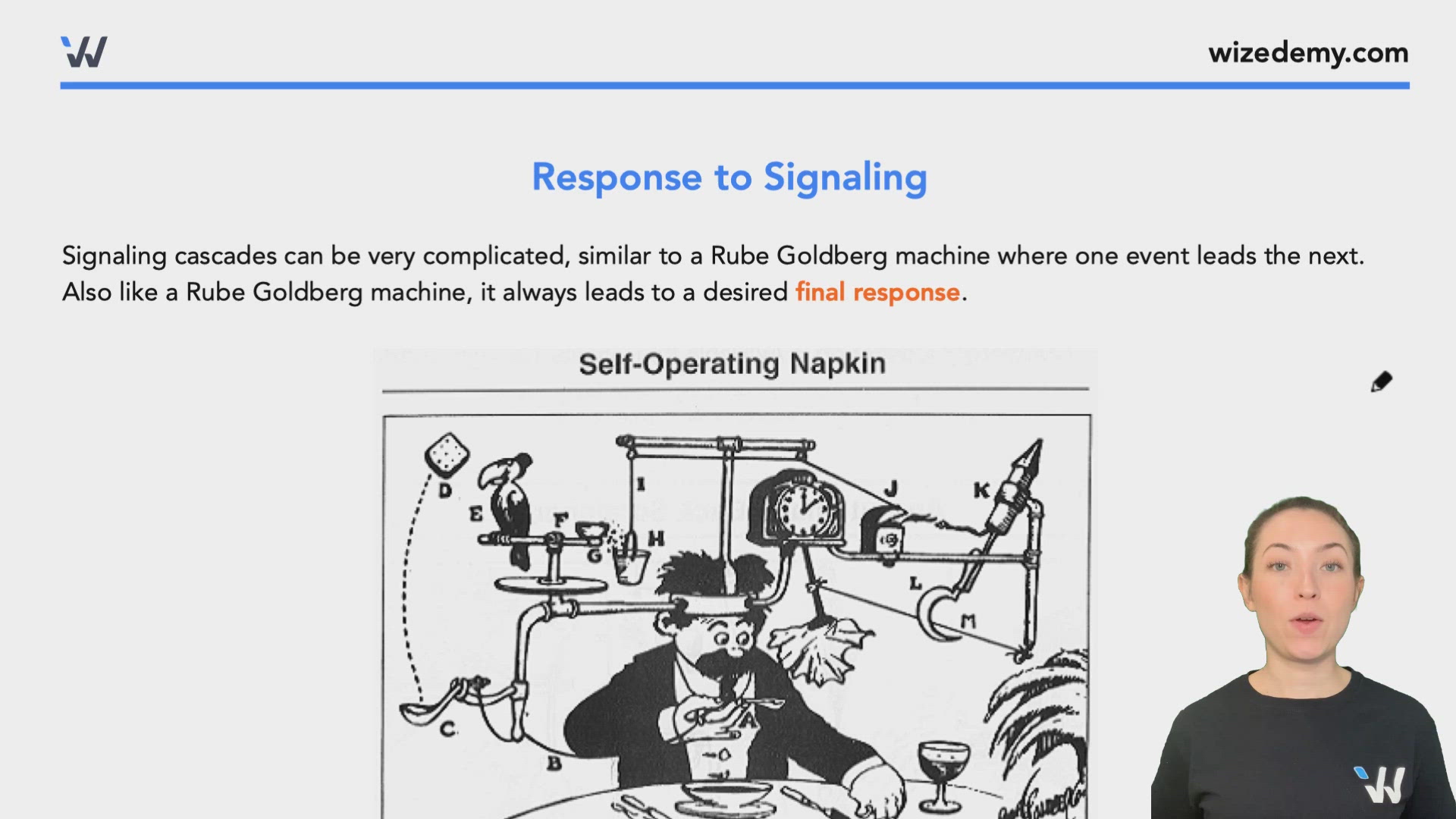
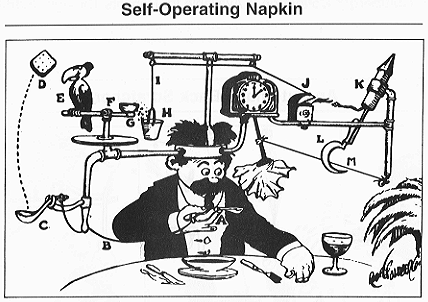
Signaling cascades can be very complicated, similar to a Rube Goldberg machine where one event leads the next. Also like a Rube Goldberg machine, it always leads to a desired final response.
There are several different types of responses:
Nuclear Responses
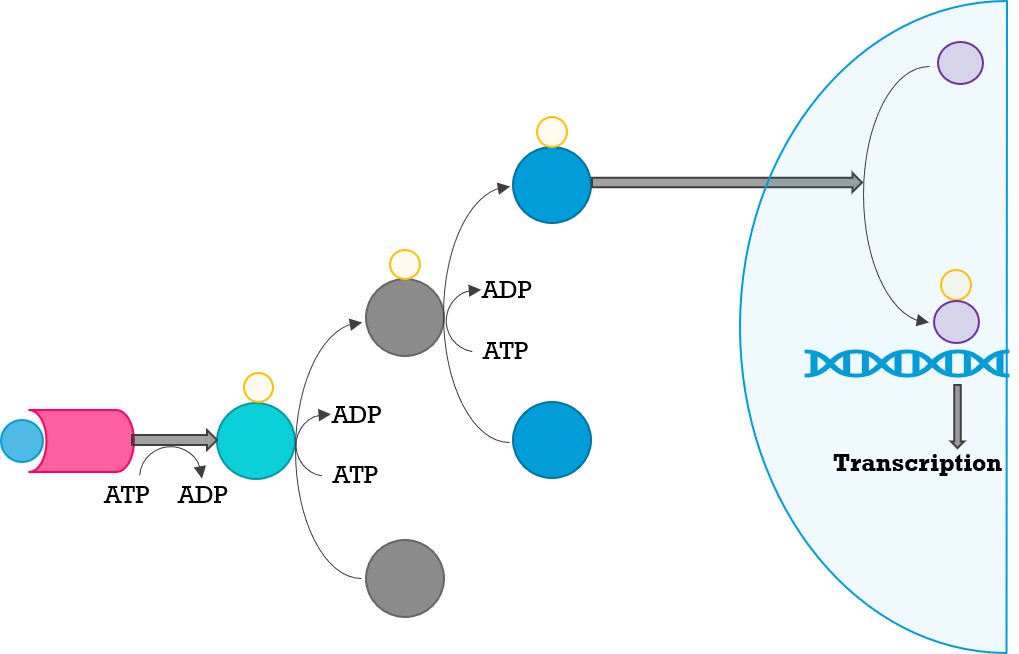
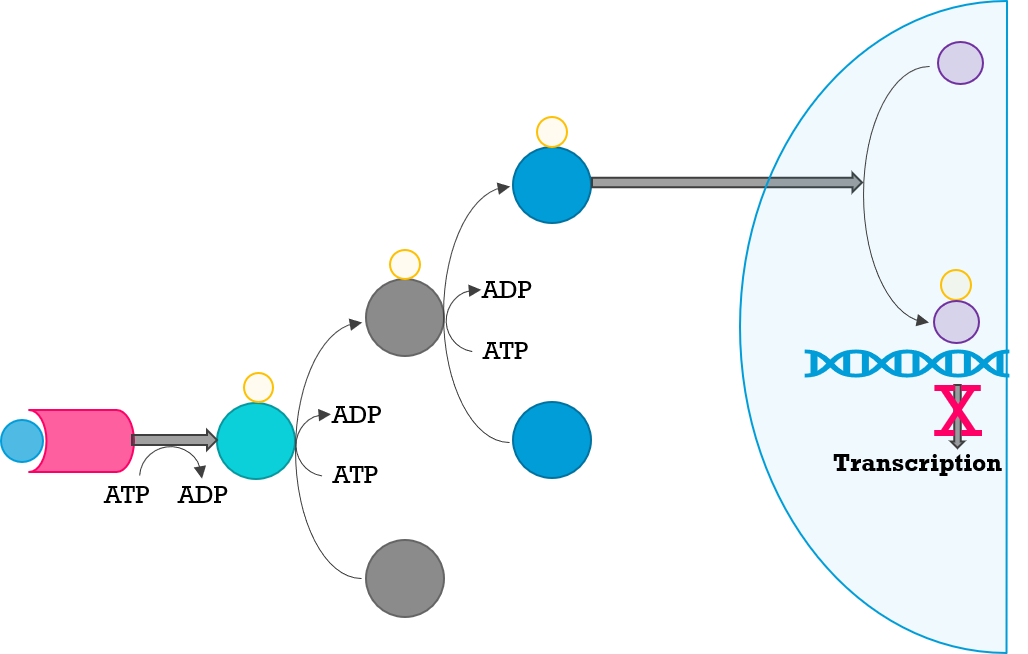
Through signal transduction, the signal can eventually reach the nucleus. For example, a protein may become phosphorylated and when it does, it enters the nucleus. This protein can activate a transcription factor and upon phosphorylation, it may turn on or turn off specific genes by binding to DNA.
Cytoplasmic Responses
In the cytoplasm, the signal transduction may lead to the activation of an enzyme in the cytoplasm. The activated enzyme can then catalyze its reaction, which is the response to the signal received.
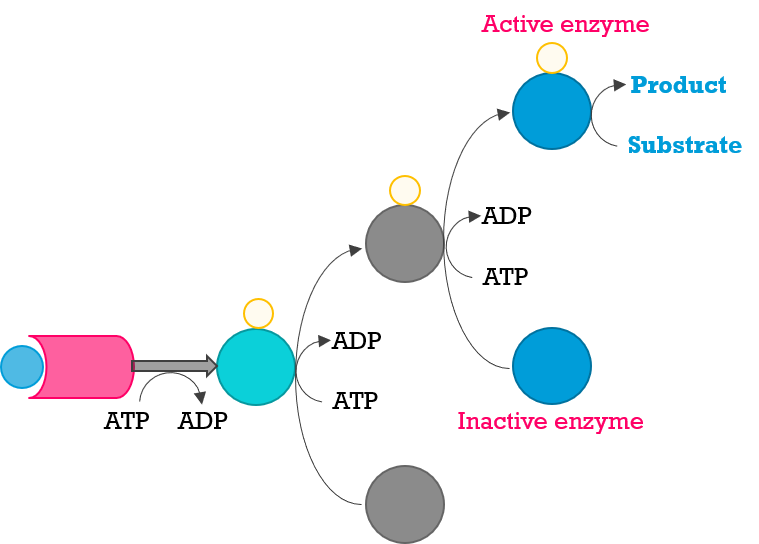
These responses can ultimately lead to a variety of responses, such as:
- Apoptosis
- Changes in Cellular Metabolism
- Cell Growth
- Gene Expression
- End of the Cascade
Which of the following is not true about responses to signaling:
Nuclear Responses: