Wize University Biology Textbook > Speciation
Origin of Species
Popular Courses
AP Biology Exam Prep Course
AP Exam Prep
BIOLOGY 1001A
Western University
Biology
General Course
General Biology
University Study Guides
DAT
General Course
High School Biology
US High School
BIOL 103
Queen's University
BIO 1131
University of Ottawa
BIOL 121
University of British Columbia
BIOLOGY 1M03
McMaster University
BIO120H1
University of Toronto
General Biology
University Study Guides
BIOL 108
University of Alberta
BIOL 111
McGill University
BIOL 184
University of Victoria
BIOL*1070
University of Guelph
BIOL 1010
Dalhousie University
SC/BIOL 1001 3.00
York University
BIOL 1201
Western University
BIOL 1P91
Brock University

0:00 / 0:00
Origin of Species
This sections deals with how species are created and maintained in the real world
How does variation persist?
- All of the ways that variation is created
- Mutation
- Recombination
- Independent Assortment of Chromosomes
- Fertilization
- Disruptive Selection
- Gene Flow
- Negative Frequency-Dependent Selection: a trait is only advantageous when it is rare
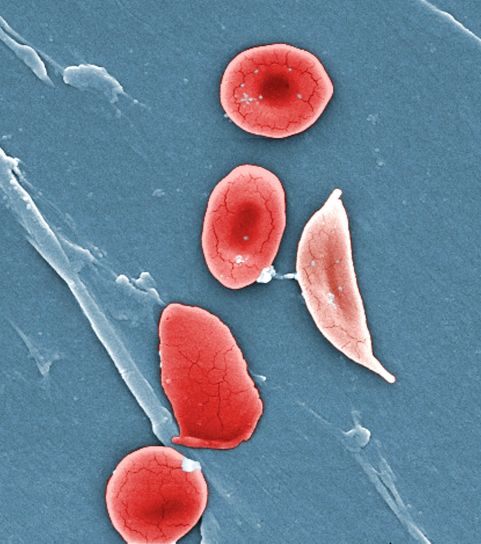
- Heterozygote Advantage: having two different alleles for the same gene produces the greatest fitness Example: Sickle-Cell Anemia
Types of Evolution
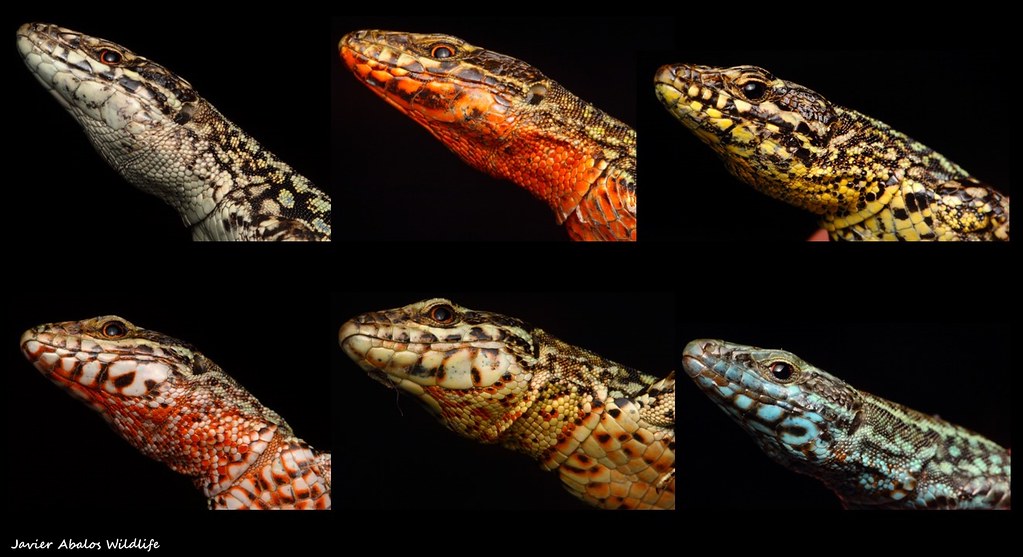
- Microevolution: evolution within populations or species (smaller changes)
- Can accumulate to become macroevolution
- Macroevolution: evolution above the species level
- Novel traits ("game changers")
- Can result from mass-extinction which open up the environment for rapid evolution
Biological Species Concept
- Biological Species Concept: a "species" is a group of interbreeding organisms that can produce viable offspring in nature
- Issues:
- doesn't work with asexual organisms
- some species can reproduce with other species: hybrids
- Reproductive Isolation: a "species" should not be able to breed with other "species"
- Prezygotic Isolation: barriers to reproduction before fertilization
- Ecological
- Temporal
- Behavioral
- Mechanical
- Gamete
- Postzygotic Isolation: species can mate, but the resulting offspring fail
- zygote death
- infertile F1 offspring
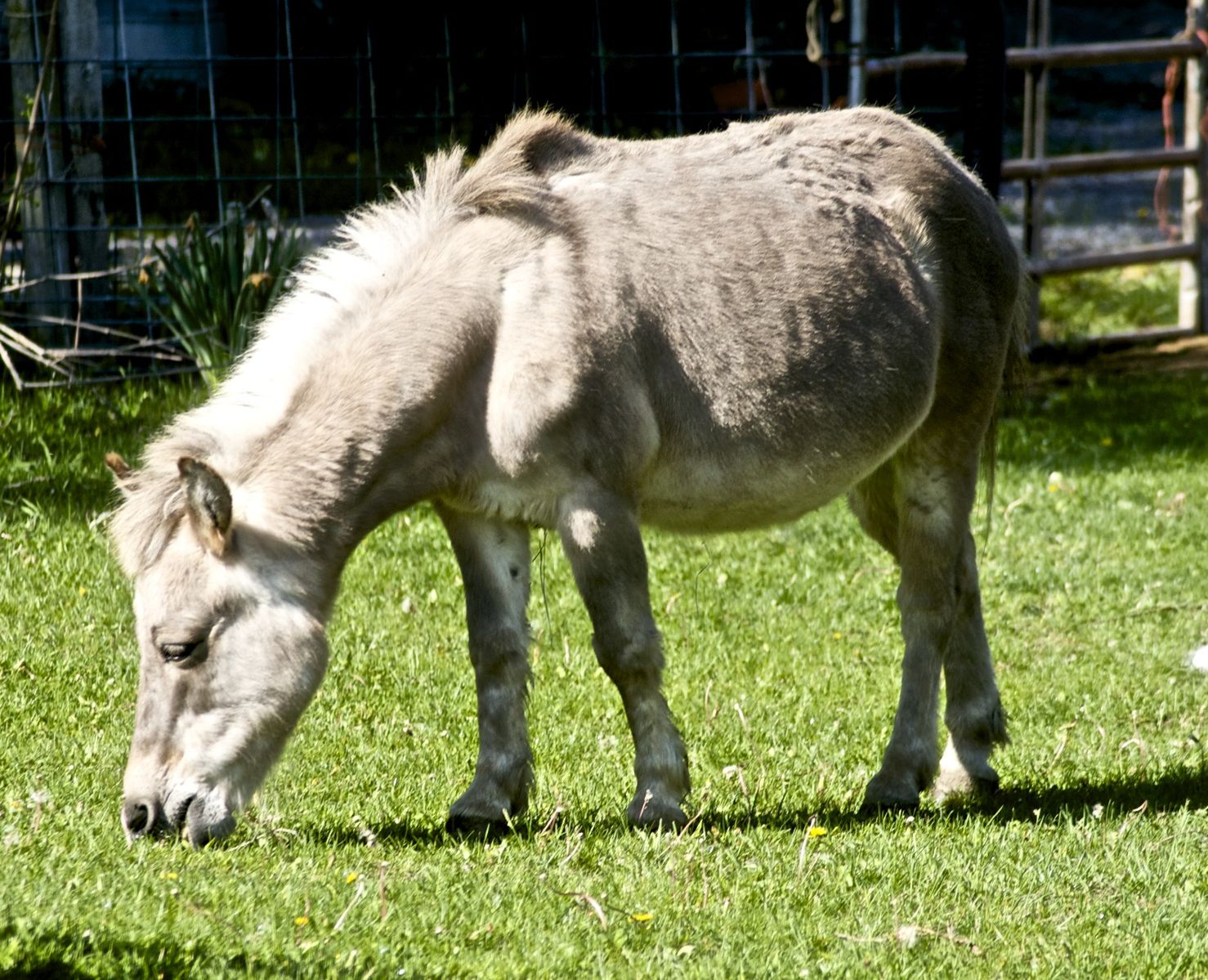
- low hybrid fitness Example: "Hinny" is a sterile cross between Horse and Donkey
Wize Tip
The difference between postzygotic and prezygotic reproductive isolation is often tested on exams!
Speciation
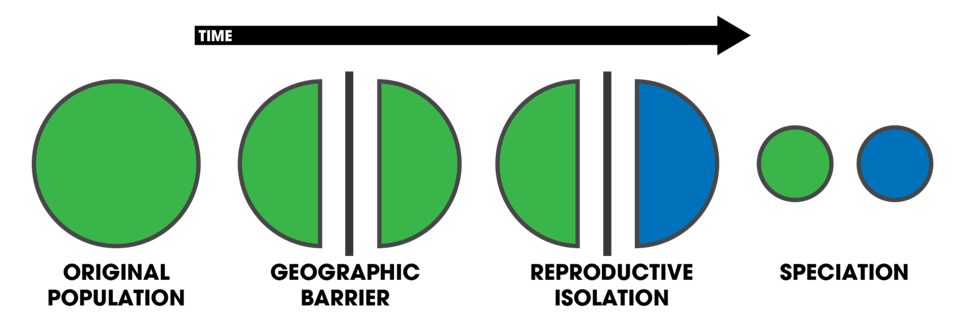
- Allopatric Speciation: speciation occurs due to a geographic barrier
- most common
- after two groups become isolated they differentiate
- Sympatric Speciation: speciation without a geographic barrier
- rare
- assortative mating
- microhabitat specialization
- disruptive selection
- After reproductive isolation
- no gene flow between populations
- evolution occurs separately for the two populations
- eventually the two populations become different enough to prevent mating
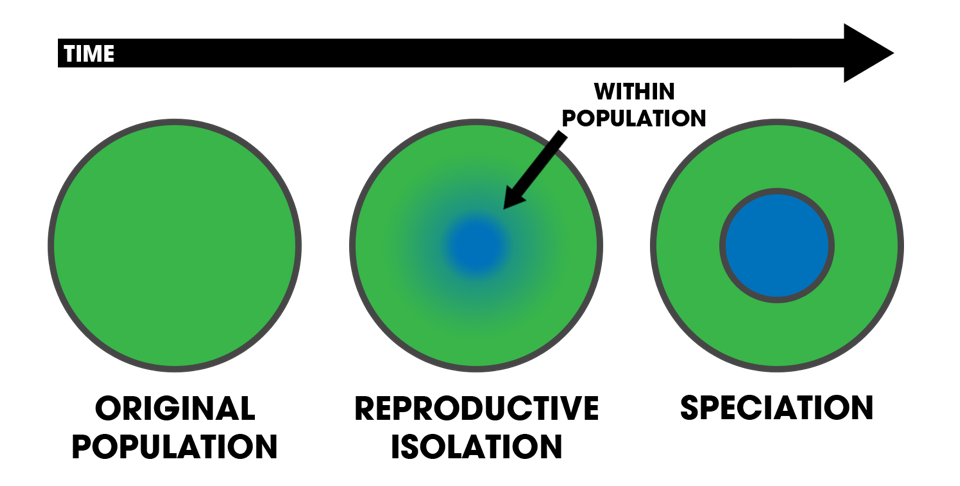
Wize Concept
Sympatric speciation is quite rare, some scientists question whether it is really possible
Practice: Species
Which of the following is not a mechanism that creates variation in a population? (select all that apply)
Practice: Species
True or False: Enough microevolutionary events can accumulate to create a macroevolutionary event.
Practice: Isolation
Which of the following is NOT an example of prezygotic Isolation?