Translations
Translations
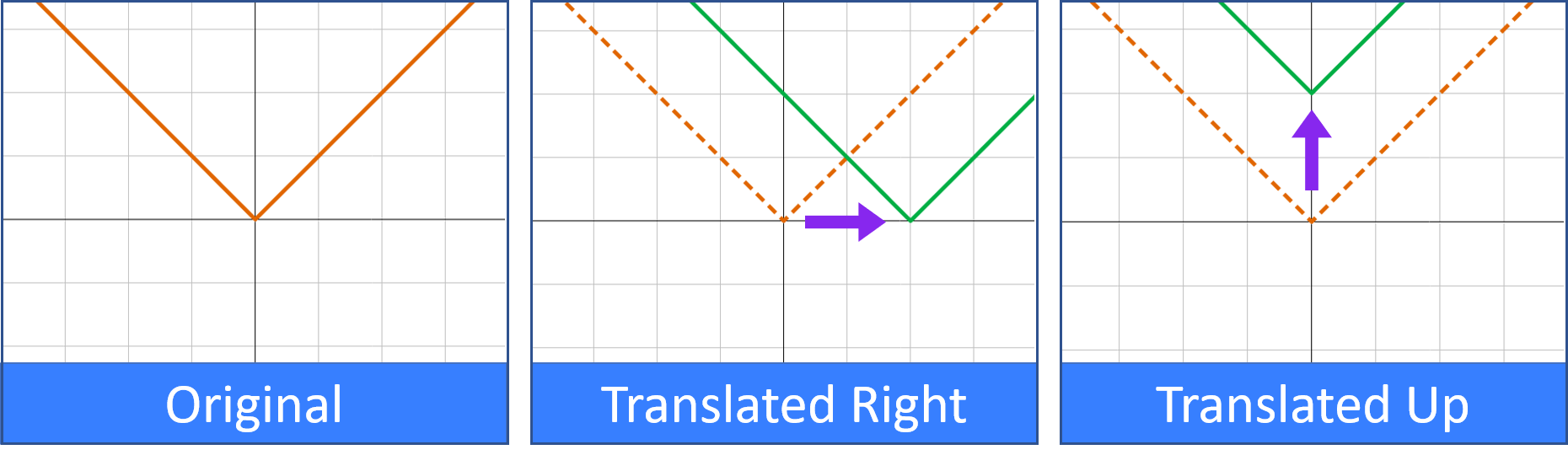
When graphing a function we can keep the shape the same, and change its location. This is type of transformation is called a translation or a shift of the original function.
Example 1
Translations from the equation
We can apply a translation to a function by adding or subtracting a positive constant to the original function.
Vertical Translation
- Up if is positive
- Down if is negative
Horizontal Translation
- Right if is positive
- Left if is negative
Example 2
For each equation, describe the original function, and the type of translation.
1.
- Function:
- Translation: Vertical translation up 3 units
2.
- Function:
- Translation: Horizontal translation left 3 units
Example: Translations

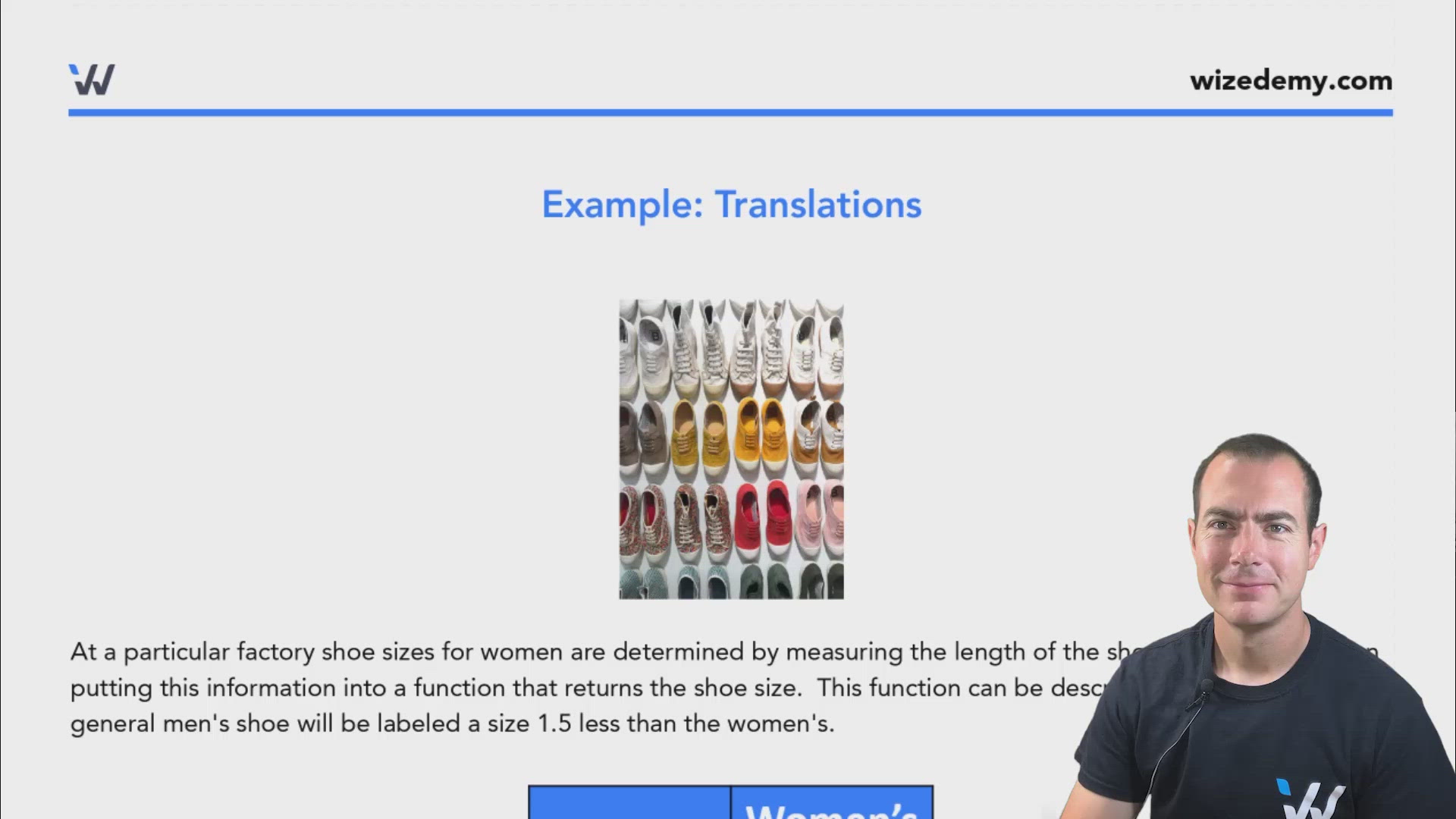
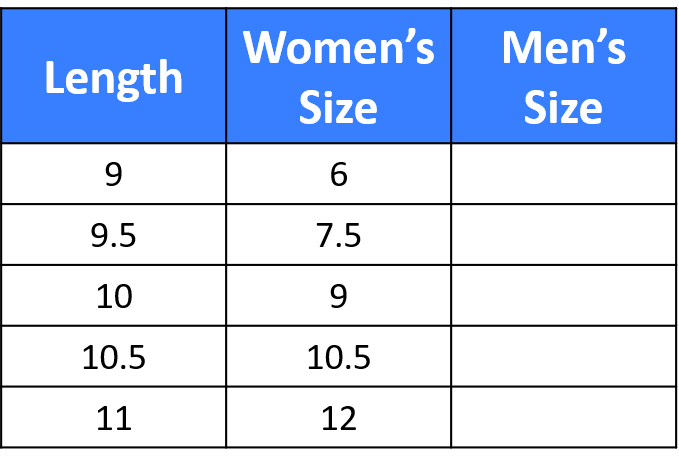
At a particular factory shoe sizes for women are determined by measuring the length of the shoe in inches, and then putting this information into a function that returns the shoe size. This function can be described by a table. In general men's shoe will be labeled a size 1.5 less than the women's.
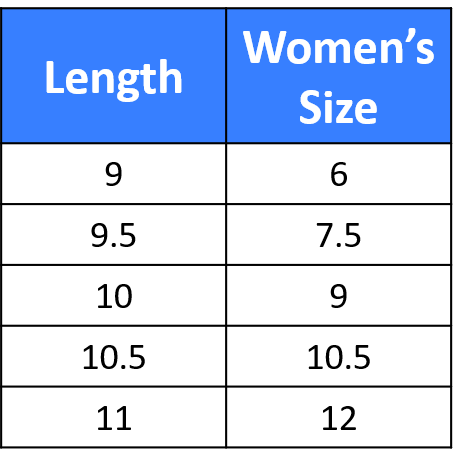
1. Let be the function that produces a women's shoe size given the shoe's length. Write the equation that allows us to describe men's sizes using this function.
Let be the length of a shoe.
The equation will take in an input of length, and produce an output of a men's sized shoe.
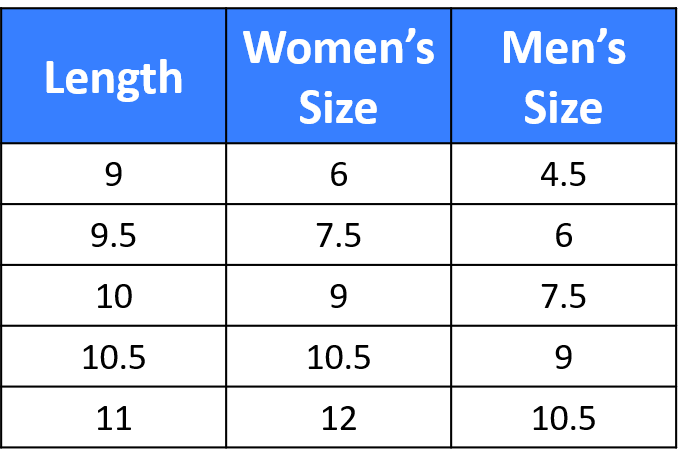
2. Use this equation to create an additional column giving us the Men's shoe sizes.
3. Describe how women's and men's shoe sizes are related to one another in terms of translations.
The function for men's shoe size is the same as the women's, but it has been translated down 1.5 sizes.